


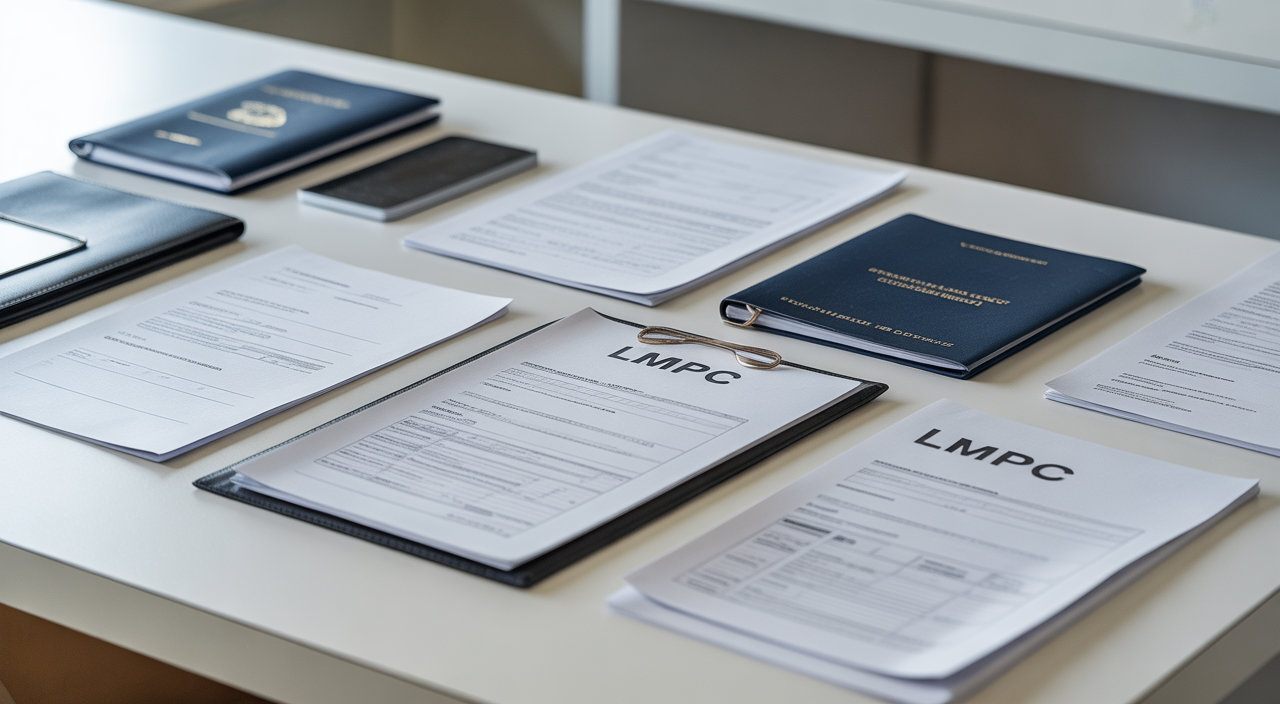
What exactly is an LMPC certificate?
An LMPC Certificate stands for License for Manufacturer of Packaged Commodities. It is a compulsory registration under India’s Legal Metrology Act for anyone who manufactures, packs, or imports pre-packaged products for sale. In simple words, if your business sells goods in packets, boxes, bottles, or any sealed packs, you likely need an lmpc certificate before you can legally operate.
This certificate confirms that your products follow all rules related to weight, measurement, and labeling. It also helps you avoid legal issues, surprise inspections, and penalties. For Indian investors and business owners, it is a key license that supports both compliance and long-term growth.
Many smart entrepreneurs treat this certificate just like a foundation stone for their packaged-goods venture. Once it is in place, you can confidently scale production, enter new markets, and focus on building your brand.
Why is the LMPC certificate so important?
The LMPC registration is not just a legal formality. It directly impacts how smoothly your business runs and how much trust customers place in your products. Here are the main benefits for Indian manufacturers and investors.
- Regulatory compliance: It ensures you meet all requirements of the Legal Metrology Act. This protects you from fines, notices, or orders to stop production.
- Access to markets across India: With a valid LMPC certificate, you can sell packaged goods in any state, work with big retailers, and join large supply chains.
- Consumer confidence: Shoppers today check labels. When quantities and declarations are accurate, your brand earns trust and repeat sales.
- Competitive advantage: Many small players ignore compliance and face sudden trouble. Being fully compliant sets you apart as a serious, reliable brand.
- Long-term validity: The certificate is usually valid for three years. This gives you stability and reduces the hassle of frequent renewals.
For investors, a business with proper LMPC registration looks more professional and less risky. It signals good governance, which is very important when you are putting money into a manufacturing unit or consumer brand.
Documents you need before applying
To get your LMPC certificate without delays, keep your paperwork ready. Clear and complete documentation reduces the chances of queries or rejection.
Mandatory documents:
- Copy of PAN card or proof of Form 60/61 submission
- Proof of business existence, such as GST registration or Shop and Establishment license
- Rent agreement or property ownership papers of your manufacturing premises
- No Objection Certificate (NOC) from landlord if premises are rented
- Detailed layout plan of the manufacturing or packing unit
- List of products with their standard packaging sizes and specifications
Optional but helpful supporting documents:
- Factory license or any existing manufacturing permit
- Copies of quality certifications, such as ISO standards
- Photographs of premises, machinery, and packing lines
- Affidavit confirming that all label declarations are honest and accurate
Organise these documents in a simple folder, both in physical and digital form. This preparation will also help you during future inspections or renewals.
How long is the LMPC certificate valid?
Once approved, the LMPC certificate generally remains valid for three years from the date of issue. To keep your operations smooth, you should apply for renewal at least 30 days before the expiry date. Treat this like renewing an insurance policy or trade license, so that there is no break in compliance.
Step-by-step LMPC application process
The exact process may vary slightly by state, but the broad steps are quite similar across India.
- Prepare your documents: Collect all mandatory and optional papers listed above. Check that scans are clear and readable.
- Create an online account: Visit your state’s Legal Metrology portal. Register as a new user with your basic business details and contact information.
- Fill the application form: Select the option for LMPC registration. Enter business name, address, type of activity (manufacturer, packer, or importer), and list of products.
- Upload documents: Attach the required documents in the format and size specified on the portal.
- Pay fees online: Pay the official application fee using net banking, card, or other online payment options.
- Inspection (if required): In some states, officers may visit your premises to check the setup, weighing instruments, and labels.
- Track your application: Use the application ID on the portal to follow the status and respond quickly to any queries.
- Download your certificate: After approval, download the digital copy and keep a printout at your premises.
If you are planning broader business upgrades, such as automation or better workflow systems, it can be useful to read guides on building efficient business processes alongside your compliance planning.
Typical costs involved
The cost for an LMPC certificate can vary between states, but here is a rough idea so you can budget in advance.
- Government application fee: Around ₹5,000 to ₹10,000, depending on state rules and type of activity.
- Professional or service charges: Around ₹2,000 to ₹5,000 if you hire a consultant to handle documentation and filing.
- Inspection fees: Around ₹1,000 to ₹3,000 if a physical inspection is required.
Think of this as a one-time investment in legal safety and brand reliability, with benefits that last for several years.
Common mistakes to avoid
Many applications get delayed or rejected due to small oversights. You can avoid this by being careful in a few key areas.
- Do not submit unclear scans or incomplete documents.
- Follow all labeling rules for net quantity, manufacturer details, and MRP.
- Apply for the certificate before you start large-scale manufacturing or distribution.
- Keep your business name and address identical across all documents.
- Mark your calendar for renewal at least 30 days before the expiry date.
As you expand into more markets or add new products, it may be helpful to review broader business-protection topics, such as ways to safeguard your company with proper coverage.
What if you operate without an LMPC certificate?
Running a packaged-goods business without this registration is risky and not recommended. Authorities can impose penalties, which may start from around ₹10,000 per violation and go higher for repeated non-compliance. They may also seize non-compliant stock and issue legal notices.
Beyond legal issues, there is another big cost: loss of reputation. Once customers or trade partners see your brand as non-compliant, it can be hard to regain their trust. For serious Indian investors, this kind of risk is avoidable with timely LMPC registration.
FAQs about the LMPC certificate
Q1: What is an LMPC certificate in simple terms?
A1: It is a license under India’s Legal Metrology Act that allows you to legally manufacture, pack, and sell pre-packaged goods. It confirms that your products follow rules on weight, measurement, and labeling.
Q2: How long does the LMPC certificate remain valid?
A2: The certificate is generally valid for three years from the date it is granted. You should apply for renewal at least 30 days before it expires.
Q3: Can I apply for an LMPC certificate online from any state?
A3: Yes. Most states provide an online Legal Metrology portal where you can register, upload documents, pay fees, and track your application status.
Q4: Is the LMPC certificate required for imports as well?
A4: Yes, importers of pre-packaged commodities also need LMPC registration, as the same labeling and measurement standards apply at the point of sale in India.