

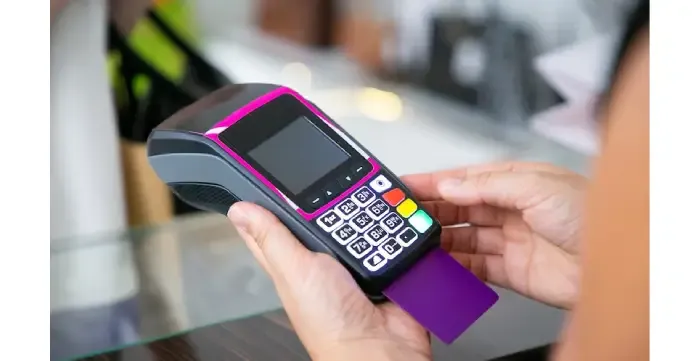
The UK is seeing a rapid move toward cashless payments, with contactless transactions making up over 60% of card payments by 2024. Portable card machines are playing a big role in this shift, letting businesses accept payments almost anywhere. Small and mobile businesses like food trucks, market stalls, and home service providers benefit from the flexibility these devices offer. Features such as Wi-Fi or 5G connectivity, support for Apple Pay and Google Pay, plus strong security measures make them reliable and user-friendly. They also help speed up sales and improve cash flow without high costs or contracts. Overall, portable card machines are changing how payments work in the UK today.
Rapid Growth of Cashless Payments in the UK
The UK has seen a fast rise in cashless payments, with contactless transactions making up over 60% of all card payments by 2024. This shift is partly driven by the increase of the contactless payment limit to £100, encouraging consumers to use cards more often for everyday buys. After the pandemic, many people prefer card and mobile payments not just for convenience but also for hygiene reasons. Portable card machine in UK plays a key role in this trend by letting businesses accept payments anywhere, removing the need to handle cash and speeding up transactions. Retailers and service providers benefit from faster checkouts that meet customer expectations, while the growing use of smartphones and wearable devices for payments has added momentum to cashless growth. As cash use declines especially in busy urban areas, government and industry efforts to promote cashless infrastructure help improve payment efficiency and reduce fraud. Portable payment technology allows businesses to quickly adjust to changing consumer habits without large upfront costs, making it easier for them to stay competitive in a digital economy that relies more on seamless, contactless payments.

How Portable Card Machines Boost Mobile and Small Businesses?
Portable card machines have become vital tools for mobile tradespeople like plumbers and electricians, letting them accept payments right on-site. This convenience not only speeds up transactions but also builds trust by allowing customers to pay where services are performed. Market stallholders and food trucks benefit greatly as well, since these devices remove the need for a fixed location and enable instant payments, boosting sales during busy hours or events. Cafes, restaurants, and beauty therapists use portable machines to reduce queues and speed up checkouts, improving the overall customer experience. Delivery services can finalize payments upon drop-off, significantly cutting down unpaid orders and improving cash flow. The flexibility to operate in multiple locations without investing in several terminals gives small businesses an edge, especially for pop-up events and outdoor markets where payment barriers disappear. Accepting contactless and mobile wallet payments meets growing consumer expectations, attracting a wider customer base and encouraging impulse buys. Ultimately, portable card machines help small and mobile businesses work smarter, faster, and more efficiently in today’s cashless economy.
Connectivity and Features That Make Portable Machines Work
Portable card machines rely on strong connectivity options such as Wi-Fi, 4G, and 5G networks, which let businesses accept payments almost anywhere, from busy market stalls to customer homes. These devices support various payment methods including chip & PIN, contactless cards, Apple Pay, Google Pay, and QR code scanning, making it easy for customers to pay using their preferred option. Their lightweight design and rechargeable batteries often offer a full day’s use, which is essential for mobile workers who need reliability without frequent recharging. Security is a top priority, with features compliance, end-to-end encryption, and tokenization protecting sensitive card data from fraud. User-friendly touchscreen interfaces speed up transactions and can be customized to fit specific business needs, reducing wait times and errors. Instant digital or printed receipts help both merchants and customers keep clear records, enhancing trust and convenience. Many portable machines also connect with companion apps that offer real-time sales tracking, inventory management, and payment analytics, giving small businesses better control over operations. Integration with accounting software further simplifies financial tasks, reducing manual data entry and errors. Regular firmware updates and remote device management keep machines secure and running smoothly without interrupting business. Altogether, the combination of reliable connectivity, versatile payment options, robust security, and smart features makes portable card machines effective tools for modern UK businesses embracing cashless payments.
- Portable card machines connect via Wi-Fi, 4G, or 5G networks, enabling payments virtually anywhere.
- They support multiple payment methods including chip & PIN, contactless, Apple Pay, Google Pay, and QR code scans.
- Devices are lightweight and rechargeable, often providing a full day’s battery life for extended use.
- Security features include PCI-DSS compliance, end-to-end encryption, and tokenization to protect card data.
- Touchscreen interfaces are simple and customizable, speeding up transaction processing.
- Instant digital or printed receipts improve record-keeping and customer satisfaction.
- Companion apps provide real-time sales tracking, inventory management, and payment analytics.
- Some machines integrate with accounting software, simplifying financial reconciliation.
- Firmware updates and remote management keep devices secure and up to date without downtime.
- Portability combined with reliable connectivity makes these machines effective for mobile payment acceptance.
Speeding Up Sales and Improving Cash Flow
Portable card machines play a crucial role in speeding up sales by removing cash-only restrictions, which often discourage impulse purchases. When customers can pay quickly using contactless or mobile options like Apple Pay and Google Pay, transactions become seamless and faster, reducing time at the checkout. This efficiency allows businesses to serve more customers in less time, cutting down queues and improving the overall shopping experience. Additionally, next-day settlement of card payments means small businesses see their revenue sooner, helping them manage daily expenses like payroll and stock replenishment without waiting weeks for funds. Real-time payment confirmation also enables accurate tracking of sales, reducing errors and supporting better cash flow management. This improved cash flow lowers the need for credit, increasing financial stability. Customers appreciate the speed and convenience, which boosts their satisfaction and likelihood to return. For example, a busy café using portable card machines can process orders faster during peak hours, minimizing wait times and maximizing turnover. Overall, faster payments reduce the risk of losing sales at checkout and help businesses maintain a steady and healthy cash flow.
Affordable and Flexible Pricing Models
Many portable card machine providers in the UK offer pay-as-you-go plans with no monthly fees, making them ideal for businesses with unpredictable or seasonal sales. This model helps startups and microbusinesses avoid fixed costs while keeping transaction fees transparent, so there are no hidden surprises when budgeting. For those who prefer rental or purchase options, monthly costs generally fall between £18 and £30, often without long-term contracts. This flexibility allows businesses to scale their usage depending on demand, which is especially helpful for seasonal operations like market stalls or pop-up shops. Low upfront costs reduce the barrier to entry, encouraging more independent and home-based businesses to adopt card payment solutions. Some providers also bundle machines with free setup and customer support, adding value without extra expenses. Fee structures typically cover a wide range of payment types, including chip & PIN, contactless, and mobile wallets, ensuring businesses can accept payments in ways customers prefer. Additionally, free or low-cost software updates keep machines current with new features, so businesses don’t face ongoing upgrade fees. Overall, accessible and transparent pricing models are a key reason portable card machines are becoming popular among small and mobile UK businesses.
Tech Innovations Shaping Portable Payments
Portable card machines are becoming more than just payment terminals thanks to several tech innovations that improve security, convenience, and flexibility. Cloud-based payment solutions let businesses access transaction data and customer insights instantly, helping them make smarter decisions on the go. Biometric authentication methods like fingerprint and face recognition add a layer of security while making it easier and faster for users to approve payments. Blockchain technology is also emerging in this space, offering potential reductions in fraud, enhanced transparency, and lower transaction fees. Integration with digital wallets, wearables, and SoftPOS (software point-of-sale) systems broadens how and where payments can be accepted, making it easier for businesses to meet customer preferences. Artificial intelligence and machine learning play a growing role in detecting suspicious activity and tailoring payment experiences to individual customers. Mobile apps paired with these machines help merchants manage sales, inventory, and customer relationships more efficiently. Contactless QR code payments are gaining popularity, especially in outdoor markets and temporary setups, providing a quick, no-contact option. Software updates allow these devices to support new payment methods without hardware changes, ensuring they stay current with evolving technologies. Enhanced encryption safeguards data from the device all the way to the payment processor, maintaining trust and compliance. Overall, these innovations focus on making payments faster, safer, and more adaptable, supporting the ongoing shift toward a cashless economy across the UK.
Security Measures Protecting Transactions
Portable card machines use multiple layers of security to keep transactions safe for both merchants and customers. End-to-end encryption protects card data from the moment it is entered until it reaches the payment processor, making it very difficult for hackers to intercept sensitive information. Tokenization adds another layer by replacing actual card details with unique tokens, so even if data is compromised, the real card information remains secure. All devices must comply with PCI-DSS standards, which enforce strict security protocols to prevent fraud and data breaches. Many portable machines feature tamper-resistant hardware to block physical hacking attempts and regularly receive firmware updates to fix vulnerabilities. Biometric options like fingerprint scanners and two-factor authentication help confirm the identity of users, reducing the risk of unauthorized access. Secure network connections, whether through Wi-Fi, 4G, or 5G, often use VPNs or encryption methods to prevent data interception during transmission. Additionally, transaction monitoring systems watch for unusual activity in real time, enabling quick responses to potential fraud. These combined security features, along with recognized certifications, give businesses and customers confidence when using portable card machines for payments anywhere.
What the Future Holds for Portable Card Machines?
Portable card machines are set to become even more versatile as they embrace new payment methods like QR codes and advanced biometric verification. With the rise of smartphones and wearable devices, these machines will need to adapt quickly to accept payments from a wider range of sources, making transactions smoother and more convenient. We’ll also see deeper integration with business tools, allowing merchants to manage sales, inventory, and customer data all in one place. The line between hardware and software will continue to blur, especially with SoftPOS solutions that turn smartphones into payment terminals without the need for extra devices. By 2025, faster, more secure, and flexible portable machines will be the norm, helping businesses stay competitive in a market where card payments are expected, not optional. AI-driven fraud prevention will make transactions safer while offering personalized experiences that keep customers coming back. Cloud connectivity will allow businesses to update devices remotely and manage them at scale, reducing downtime and maintenance costs. Sustainability will also play a role, with manufacturers focusing on longer battery life and recyclable materials to meet growing environmental concerns. Overall, portable card machines will become as essential for business legitimacy as having a website, making it clear that companies without them risk falling behind in customer trust and market relevance.
Frequently Asked Questions
1. How do portable card machines improve payment speed for small businesses?
Portable card machines allow businesses to accept payments anywhere, speeding up transactions by letting customers pay right at the point of service instead of waiting in line at a fixed till.
2. What impact do portable card machines have on customer convenience during purchases?
They make payments easier for customers since people can pay quickly with cards or contactless methods on the spot, reducing hassle and wait times in shops or markets.
3. In what ways do portable card machines help businesses reach more customers?
Because these machines operate wirelessly, businesses can serve customers outside traditional locations, like pop-up stalls or mobile vendors, expanding their reach beyond physical stores.
4. How do portable card machines integrate with modern payment systems and technology?
Most portable card machines sync with smartphones or tablets and use apps to process payments, track sales, and manage inventory, creating a seamless connection between payments and business management.
5. What security features do portable card machines offer to protect payment information?
They typically include encryption and comply with payment industry standards to keep card data safe during transactions, reducing the risk of fraud compared to outdated methods.
TL;DR Portable card machines are reshaping payments in the UK by making cashless transactions easier and more accessible, especially for small and mobile businesses. With features like multiple connectivity options, quick transactions, and strong security, these devices help businesses speed up sales and improve cash flow. Affordable pricing and tech innovations like biometric authentication and AI-driven fraud detection add to their appeal. As consumer preferences shift toward contactless and mobile payments, portable card machines are becoming essential tools for businesses aiming to stay competitive and meet evolving payment demands.