

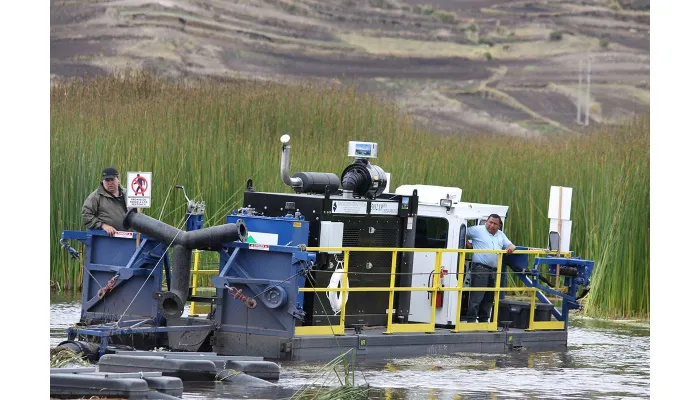
Lake dredge projects often stumble due to a variety of significant challenges. First, environmental hurdles arise from toxic sediments, which can release harmful pollutants into the water. This disturbance often leads to increased turbidity, suffocating aquatic life by blocking sunlight and reducing oxygen levels. Regulatory issues can further complicate matters; without proper permits and ongoing monitoring, projects face delays and hefty fines. Financial constraints also play a role, as high costs can force cutbacks or even cancellation of initiatives. Lastly, community opposition based on concerns about ecological impacts can halt progress altogether, highlighting the complexity of successful lake dredging efforts.
1. Toxic Sediments and Their Impact
Toxic sediments pose a significant challenge in lake dredge projects, often leading to their failure. Many lakes have a history of being dumping grounds for industrial waste, agricultural runoff, and urban debris, creating a legacy of contamination that is hard to remediate. Heavy metals like lead and mercury can bioaccumulate in fish, posing serious health risks to consumers who may unknowingly ingest contaminated seafood. Moreover, chemical pollutants can disrupt aquatic life, affecting reproduction and growth rates, which ultimately jeopardizes the entire ecosystem. The presence of hazardous substances like PCBs not only complicates the dredging process but can also lead to legal liabilities and increased cleanup costs. Remediation efforts can quickly exceed initial project budgets, making financial viability a major concern. Additionally, the testing and analysis of sediments add time and expense, while a lack of public awareness can result in misinformation, stirring community opposition. Public fears surrounding contamination can influence both community support and regulatory scrutiny, making effective communication about the risks associated with toxic sediments crucial for stakeholder engagement. The complexities of managing these toxic sediments can limit the types of dredging methods that are safely applicable, further complicating project planning and execution.
- Heavy metals like lead and mercury can bioaccumulate in fish, posing health risks to consumers.
- Chemical pollutants may affect aquatic life, disrupting reproduction and growth.
- The presence of PCBs and other hazardous substances can lead to legal liabilities and cleanup costs.
- Remediation of toxic sediments can exceed initial project budgets, impacting financial viability.
- Lack of public awareness about toxic sediments can lead to misinformation and community pushback.
- Testing and analysis of sediments is often required, adding time and expense to the project.
- The historical use of lakes for dumping waste can leave a legacy of contamination that is difficult to address.
- Public fears of contamination can influence community support and regulatory scrutiny.

2. Regulatory and Compliance Issues
Navigating the maze of federal, state, and local regulations can feel overwhelming for lake dredge project managers. The process of acquiring permits is often slow and can lead to frustrating delays, as regulatory agencies take their time to review applications. Environmental impact assessments, a necessary step in the process, can reveal unforeseen challenges that complicate timelines and budgets. Non-compliance with regulations can have serious consequences, including hefty fines, project shutdowns, and lasting damage to a company’s reputation.
Engaging stakeholders early in the process can be a game-changer, allowing project teams to identify potential regulatory hurdles before they escalate into major issues. Additionally, regular audits and inspections are often mandated during dredging operations, which can increase operational costs and add to the complexity of compliance. The regulatory landscape is also not static; changes can occur that may require costly and time-consuming adaptations to project plans. For instance, failing to comply with the National Environmental Policy Act can be a project-ending misstep.
Understanding the nuances of the Clean Water Act is essential for navigating these challenges successfully. Effective documentation and reporting are not just bureaucratic requirements; they are crucial for maintaining compliance and ensuring transparency throughout the project. When regulatory issues arise, the impacts can ripple through every aspect of a dredging project, making it essential to prioritize compliance from the very beginning.
3. Importance of Permit Acquisition
Permit acquisition is a critical step in the success of lake dredge projects. These permits not only define the scope of acceptable activities but also set the standards for environmental protection that must be adhered to throughout the project. The process of obtaining permits can be lengthy, often taking months or even years, which can significantly impact project timelines. Comprehensive project plans are typically required, including detailed environmental impact studies that assess potential risks and consequences.
Moreover, the permitting process often includes public comment periods. This can lead to increased scrutiny and potential opposition from local communities and environmental advocacy groups. If all necessary permits are not secured, projects may face legal action from regulators or environmental organizations, which can halt progress and lead to costly delays.
It’s important to note that permitting processes vary widely by location, making localized knowledge and expertise essential for successful acquisition. Changes in project timelines may also necessitate permit renewals or modifications, which can complicate matters further.
Understanding the local political landscape can significantly influence the success of permit acquisition. Engaging consultants who specialize in permitting can expedite the process and help reduce risks associated with compliance. A well-prepared permit application not only enhances the likelihood of approval but can also foster community support, making it a vital step in ensuring a dredging project’s success.
4. Technical and Operational Challenges
Selecting the right dredging technology is vital for project success. The wrong choice can lead to inefficiencies and even environmental damage. Regular maintenance of equipment is essential, as any breakdown can cause costly delays. Training personnel on specialized machinery might take time, but it is necessary to ensure safety and operational efficiency. Additionally, the logistics of transporting equipment to and from the site can complicate operations; delays in delivery can set back project timelines. Weather conditions present another layer of complexity, as storms or adverse weather can halt operations and pose safety risks.
Moreover, unexpected geological conditions can dramatically alter project plans. If a crew encounters unforeseen obstacles like rocky sediment or contaminated layers, costs can skyrocket. Coordination among engineering, environmental, and operational teams is crucial; miscommunication can lead to mistakes that derail progress. The availability of spare parts is another critical factor; delays in repairs due to parts shortages can stall the entire operation. As technology advances, new solutions may emerge, but they often come with their own training requirements, which can prolong project timelines. Ultimately, effective project management is the glue that holds all these elements together, ensuring that everything stays on track.
5. Equipment Failures and Consequences
Equipment failures can be a major setback in lake dredge projects, leading to costly delays that can throw budgets and timelines off track. When machinery breaks down during critical operations, the whole project can stall, increasing expenses and frustrating stakeholders. To combat this, regular maintenance schedules are crucial; they help prevent unexpected failures that could halt progress at the worst possible moment. Additionally, using outdated equipment raises compliance concerns, as it may not meet modern safety or environmental standards, putting the entire project at risk of legal issues.
Training operators on the correct use of equipment is another vital step, as it minimizes the risk of operator error, which can lead to further failures. Moreover, having backup systems and redundancies in place ensures operational continuity, even when equipment issues arise. Access to reliable technical support or repair services can also significantly reduce downtime, keeping projects moving forward.
Investing in high-quality equipment tends to pay off over time, as it can reduce the likelihood of failures. Monitoring equipment performance using technology allows teams to spot potential issues before they escalate, leading to smoother operations. However, it’s essential to recognize that weathering and corrosion can shorten equipment lifespan; proactive replacements are key to maintaining functionality. Finally, proper storage and handling of equipment are crucial to mitigate risks of damage before use, ensuring that everything is ready to go when needed.
6. Financial Constraints in Dredging Projects
Financial constraints often pose significant challenges in dredging projects, leading to their potential failure. Budget overruns are common due to unexpected costs, such as compliance with regulations and environmental standards. Securing funding can be a lengthy process, requiring detailed proposals and often the support of the community. Partnerships with local governments or organizations can be beneficial, providing additional financial resources that might ease the burden. Public-private partnerships can also help spread financial risk, making projects more feasible.
When estimating costs, it is crucial to account for possible delays and unforeseen challenges, such as equipment failures or regulatory changes, to prevent budget shortfalls. Thorough financial planning must include contingencies to manage these risks effectively. While grants and loans may be available for environmentally focused projects, the application process can be rigorous and competitive. Raising awareness about the benefits of dredging can help rally public and financial support, making it easier to secure necessary funds. Transparent budgeting practices not only build trust with stakeholders but also enhance accountability, which is vital for long-term project viability. Comprehensive financial assessments are essential to ensure that projects are not only launched but also sustained successfully.
7. High Costs and Budgeting Issues
High costs and budgeting issues are often at the forefront of why lake dredge projects stumble. Initial cost estimates can be misleading, which may create financial strain later on. As the project progresses, rising costs of labor and materials can significantly impact the overall budget, leaving project managers scrambling for funds. Additionally, budgeting for environmental compliance can add substantial costs that must be carefully planned for from the outset.
For smaller communities, cost-sharing arrangements can help alleviate financial burdens, but unexpected delays may still lead to increased labor costs, especially if overtime is required. Comprehensive risk assessments can identify potential financial pitfalls before they arise, allowing for better preparedness. While investing in advanced technology might be costly upfront, it can lead to long-term savings, making it a worthy consideration for project planners.
Regular budget reviews and adjustments are crucial to keeping projects on financial track. Engaging the community can provide valuable insights on cost concerns and potential funding opportunities. Furthermore, securing diverse funding sources can help mitigate risks associated with financial constraints, ensuring that projects have the resources they need to succeed.
8. Community Opposition to Dredging
Local communities often harbor fears about the potential negative environmental impacts of dredging, which can lead to organized opposition. Public meetings serve as a crucial platform where community concerns are voiced, but these gatherings can sometimes become contentious, reflecting deep-seated emotions tied to their local lakes. Education and outreach efforts are essential in addressing misconceptions about dredging’s impacts, helping to clarify the environmental benefits that can result from such projects. Building relationships with community leaders fosters trust, which is vital in reducing opposition. Engaging the community early on is crucial; failure to do so can lead to backlash and significant project delays. Understanding local priorities and concerns through active community engagement can pave the way for smoother project implementation. The emotional attachment that residents have to their lakes can spark strong opposition against any perceived threats. Providing clear, transparent information about the environmental benefits of dredging can sway public opinion positively. Furthermore, involving local stakeholders in the planning process promotes collaboration and can significantly reduce conflicts.
9. Public Perception and Its Effects
Public perception plays a crucial role in the success or failure of dredging projects. When communities are skeptical about dredging, often fueled by negative media coverage or local environmental groups, opposition can quickly escalate. This can lead to significant project delays or even cancellations. To combat this, effective communication strategies are essential. By promoting positive narratives about the benefits of dredging, project leaders can help shift public sentiment. Transparency regarding project goals and potential environmental impacts fosters trust, while community involvement in decision-making processes can cultivate support. Educational campaigns can also be invaluable, as they inform the public about the safety measures and benefits associated with dredging. In today’s digital age, social media can amplify both support and opposition, making proactive engagement necessary. Addressing misinformation swiftly is vital to maintaining a positive public image. Furthermore, ongoing monitoring and reporting of project outcomes can demonstrate the positive impacts of dredging, gradually shifting public perception over time.
10. Long-Term Ecological Impact of Dredging
Dredging projects can have profound long-term ecological effects that are often overlooked. When sediment layers are disturbed, trapped contaminants can be released back into the water, posing serious risks to aquatic life. For example, bottom-dwelling species, which play a crucial role in maintaining the ecosystem’s balance, may be displaced or destroyed during the process, leading to diminished biodiversity. The physical structure of the lakebed can also change, impacting how various organisms interact with their environment.
Increased turbidity from dredging can block sunlight, hindering aquatic plant growth, which is vital for oxygen production and habitat creation. Moreover, the disruption of migratory patterns for species like fish can result in population declines over time, altering the ecosystem’s dynamics. Noise and vibrations from dredging activities can stress aquatic life, causing behavioral and reproductive changes that can affect generations.
Another concern is the long-term alteration of sediment composition, which can disrupt nutrient cycling within the ecosystem. This disruption can lead to fewer food resources, making it harder for aquatic life to thrive. Additionally, disturbed areas may become hotspots for invasive species, which can outcompete native species and further upset the ecological balance.
Unfortunately, restoration efforts after dredging often fall short, failing to restore the original complexity and diversity of habitats. Continuous monitoring is critical to understand and mitigate these long-term impacts, yet such efforts are frequently neglected. This lack of attention can lead to irreversible damage, making it essential for project planners to prioritize ecological considerations in dredging projects.