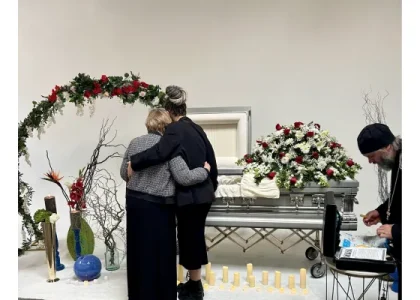

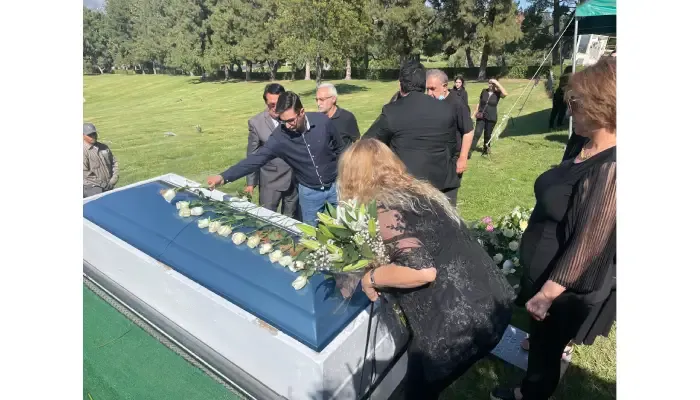
Iranian burials follow Islamic teachings mixed with cultural customs that have developed over centuries. After death, the body is washed by same-gender family members or professionals to ensure ritual purity, then wrapped in a plain white cloth called kafan, showing humility and simplicity in death. The burial happens quickly, usually within 24 hours, and the body is laid on its right side facing Mecca, reflecting religious respect. Family and friends join in prayer during the procession while mourning practices like wearing black clothes and sharing special foods create a sense of community support. These traditions help people cope with loss while honoring spiritual beliefs and cultural identity.
Religious Roots of Iranian Burial Traditions
Iranian burial in Southern California are deeply rooted in Shia Islamic teachings, which shape almost every aspect of the funeral process. After death, the body is ritually washed, or ghusl, by family members or trained washers of the same gender to ensure purity before burial. The deceased is then wrapped in a plain white cloth called a kafan, symbolizing humility and equality, as everyone returns to the earth with nothing but a simple shroud. Islamic law calls for burial to occur quickly, usually within 24 hours, reflecting respect for the soul’s journey. The body is placed directly in the ground without ornate coffins, following Quranic guidance that humans return to the soil from which they came. Positioning the body on its right side facing the qibla, or direction of Mecca, connects the deceased to their faith even in death. A mullah leads the janazah prayer, asking for God’s mercy and forgiveness, while Quranic verses are recited throughout washing, shrouding, and burial. Graves remain modest and unadorned to emphasize the transient nature of life and the equality of all people in death. These practices reflect core Islamic values of purity, humility, and spiritual preparation for the afterlife, forming the foundation of why Iranian burials are carried out as they are.

The Role of Islamic Rituals in Funeral Practices
Islamic rituals form the foundation of Iranian burial customs, guiding every step from washing the body to the final prayers at the grave. The process begins with ghusl, a careful washing of the deceased performed by family members or trained washers of the same gender, accompanied by specific prayers to cleanse the body with respect and maintain ritual purity. Afterward, the body is wrapped in a simple white shroud called a kafan, which consists of three pieces for men and five for women, reflecting Islamic jurisprudence and symbolizing humility and equality in death. The janazah prayer is a communal act where mourners stand in prescribed positions, offering supplications for forgiveness and mercy on behalf of the deceased. Burial takes place quickly, often within 24 hours, emphasizing the belief that the soul transitions immediately after death. The body is laid on its right side facing Mecca, linking the deceased to the wider Muslim community and fulfilling a sacred orientation. Throughout mourning, recitations of Surah Al-Fatiha and other Quranic verses serve to benefit the soul, while ritual cleanliness is strictly observed by avoiding embalming, cosmetic preparations, or direct contact like touching the body or placing soil. Men and women often mourn separately in some rites, respecting religious and cultural norms. The prayers continue at the grave for several days, especially on significant days such as the third, seventh, and fortieth, reinforcing spiritual support for the departed. These rituals emphasize respect, spiritual connection, and adherence to Islamic teachings, shaping the distinct character of Iranian funerals.
- Ghusl (washing) is performed with specific prayers and procedures to cleanse the body respectfully.
- Shrouding in kafan consists of three pieces for men, five for women, following Islamic jurisprudence.
- Janazah prayer is communal and includes specific standing and supplication positions.
- Burial must be done facing Mecca, emphasizing connection to the Muslim community worldwide.
- Mourners often recite Surah Al-Fatiha and other Quranic verses to benefit the deceased’s soul.
- The concept of quick burial reflects the belief in the soul’s immediate transition after death.
- No embalming or cosmetic preparations are done, preserving the natural state of the body.
- Touching or placing soil on the deceased is avoided to maintain ritual cleanliness.
- Men and women mourn separately during some rituals, respecting religious and cultural norms.
- Prayers at the grave continue for days, especially on the 3rd, 7th, and 40th days after death.
Cultural Symbols Unique to Iranian Funerals
Iranian funerals are marked by several cultural symbols that reflect respect, faith, and community support. During the funeral procession, mourners chant the Shahada, affirming belief in God as a sign of spiritual solidarity. Black clothing is traditionally worn to visibly show grief and respect. The night after burial, known as shab-e gharib, represents the deceased’s first night alone in the grave, a moment deeply felt by family and friends. Memorial days such as the 3rd, 7th, 40th, and the first anniversary bring people together for prayers and special meals, strengthening communal ties. Halvâ and dates are commonly served to guests, providing nourishment during these long, emotional gatherings. Visitors often touch or tap gravestones while reciting prayers, a gesture that symbolizes ongoing remembrance. Large condolence banners displayed outside homes publicly announce the loss and invite community support. The care for the deceased continues with regular washing of gravestones, showing lasting respect. Mourning is also expressed through lowered gazes, avoiding smiles, and refraining from celebrations, reflecting sincere sorrow. Phrases like “Inna lillahi wa inna ilayhi raji’un” acknowledge divine will and offer comfort. These symbols collectively serve to honor the dead, comfort the living, and maintain a deep connection between faith, culture, and family.
Traditional Mourning Customs and Their Meanings
In Iranian culture, mourning customs carry deep symbolic meaning and help guide families through the difficult transition following a loss. Mourning traditionally lasts for 40 days, a period believed to mark a spiritual journey for the deceased’s soul. During this time, family members openly express their grief through public lamentation and wailing, which serves as a collective emotional release and a way for the community to share in the sorrow. To show respect and personal sacrifice, mourners avoid grooming activities such as shaving or dyeing their hair, symbolizing their focus on the loss rather than personal appearance. The practice of hosting guests with food and tea during memorial gatherings strengthens social bonds among the bereaved, offering comfort through shared hospitality. Visits from friends and relatives, known as condolence visits, fulfill both social and religious functions, providing emotional support and reaffirming communal ties. Sometimes, soil is placed on the heads of mourners, a gesture that symbolizes empathy and the shared reality of mortality. Prayer gatherings, or majlis, play a central role in mourning, where family and friends recount the virtues of the deceased and recite Quranic verses to pray for their soul. The end of the mourning period is marked by a family or community event, signaling a return to everyday life while honoring the memory of the departed. Food offerings during these memorials, such as halvâ and dates, symbolize prayers for the soul’s peace and reward, reinforcing the hope for spiritual comfort. Overall, these customs emphasize community support and a shared understanding of loss, helping mourners navigate grief while honoring cultural and spiritual values.
Historical Influences on Modern Burial Practices
Iranian burial customs today reflect a blend of ancient traditions and Islamic rites, shaped over centuries by history and culture. Long before Islam, Iranians honored natural elements like earth and water, a respect still echoed in burying the body directly in soil without a coffin. Graveyards often use stacked graves or flat stones to save space, especially in crowded cities, showing a practical adaptation rooted in historical urban planning. The tradition of placing soil on the mourner’s head, for example, has pre-Islamic symbolic meaning, expressing empathy by reminding participants that death could touch anyone. Using tents or gazebos during ceremonies helps protect mourners from harsh weather, connecting modern needs to longstanding communal rituals. Personalized touches such as etching portraits or names on gravestones are relatively recent but highlight evolving ways families remember their loved ones. Regularly cleaning graves remains a common practice, emphasizing ongoing respect and connection across generations. Many rituals have transformed to balance Islamic religious laws with Iran’s rich cultural identity, ensuring that burial practices honor both faith and heritage.
How Iranian Cemeteries Reflect Cultural Values?
Iranian cemeteries are designed to reflect deep cultural and religious values that shape how communities honor the dead. Graves are oriented toward Mecca, a clear sign of Islamic devotion that connects the deceased to a sacred direction even in rest. The use of simple grave markers highlights the cultural emphasis on humility and equality in death, reminding visitors that worldly status fades away. Family plots are common, emphasizing lasting kinship ties and the importance of family bonds beyond life. Cemeteries are not just resting places but active communal spaces where people gather during memorial days and religious events for prayers and remembrance. Visitors often wash graves as a sign of respect and to maintain a living connection with their loved ones. The layout of cemeteries often includes practical space-saving measures like layered burials, reflecting a balance between tradition and the realities of limited land. Gravestones sometimes bear Quranic verses or poetic inscriptions, combining religious faith with a personal tribute. Symbolism on gravestones expresses both religious beliefs and individual identity, while the ongoing care of gravesites shows a family’s enduring responsibility and the continuity of cultural values across generations. These features make Iranian cemeteries places where sacred traditions meet social life, supporting both spiritual and communal needs.
Distinctive Funeral Foods and Their Significance
In Iranian funeral traditions, food plays a key role in supporting mourners both physically and emotionally during long and often intense ceremonies. One of the most common offerings is halvâ, a sweet paste made from flour, oil, and saffron. This dish is served to guests to provide energy and warmth, helping them endure the hours of prayer and remembrance. Alongside halvâ, dates, sometimes stuffed with walnuts, are shared, symbolizing sweetness and endurance in the face of loss. These foods are not just nourishment but also expressions of hospitality and communal care, reinforcing social bonds among family, friends, and neighbors during difficult times. The preparation and distribution of these traditional dishes are considered acts of charity and respect for the deceased, passed down through generations as part of the funeral customs. On specific memorial days, certain foods are served to link the act of eating with remembrance rituals, blending spiritual intention with cultural practice. It is also common for guests to bring food to the grieving family, showing solidarity and helping to ease their burden. Sharing a meal during memorials creates a space where grief is balanced with comfort, allowing mourners to connect and find support in community while honoring the memory of their loved one.
Social Functions of Mourning and Memorial Days
In Iranian culture, memorial days such as the 3rd, 7th, 40th, and the first anniversary of a person’s death serve important social functions beyond individual grief. These gatherings bring family members and the wider community together to share collective prayers, tell stories about the deceased, and offer emotional support. Through these rituals, mourning becomes a shared experience that strengthens social bonds and reinforces a common cultural identity. The structured timing of these memorial days provides a gradual process for expressing and managing grief over time, helping the bereaved avoid isolation. Community participation ensures that the deceased maintains a social presence long after burial, as public remembrance and religious sermons reflect on life, death, and the soul’s journey. Hosting these events allows families to uphold traditions and social roles, offering a sense of continuity and connection despite loss. For example, sermons during the 40th day memorial often focus on spiritual milestones believed to ease the soul’s passage, while communal prayers and storytelling keep the memory of the deceased alive within the group.
Common Expressions and Gestures of Condolence
In Iranian culture, expressions of condolence carry deep religious and emotional significance. Saying “Inna lillahi wa inna ilayhi raji’un” acknowledges death as part of God’s will, offering comfort by placing loss within a spiritual framework. Phrases like “gham-e akharet bashe,” which wish that the mourner’s grief be the last, express empathy and hope for a peaceful future. Condolences often include prayers asking for God’s mercy on the deceased and ease for those left behind, reinforcing the community’s shared faith and support.
Physical gestures also play an important role in showing sympathy. Placing a hand over the heart signals sincerity and compassion, while gently touching or tapping the mourner’s shoulder conveys shared sorrow without words. Avoiding direct eye contact during these moments is common, reflecting respect and solemnity rather than avoidance. Visitors typically speak softly or remain silent to maintain a peaceful atmosphere, understanding the weight of the moment.
Offering food or drinks during condolence visits is a customary act of kindness and hospitality, helping comfort the grieving family. Traditional foods like halvâ or dates may be served, connecting visitors through shared cultural practices. Public displays of mourning, such as condolence banners outside the home or workplace, express communal grief and respect, showing that loss is acknowledged beyond the immediate family. Additionally, written notes or sympathy cards are sometimes given to formally express condolences, providing a personal touch when words may fall short.
Differences Between Iranian and Western Funerals
Iranian funerals differ notably from Western ones in both form and spirit. They tend to be louder and more vocal, with wailing and public expressions of grief serving as a way for mourners to release emotions and support each other. Mourning is not a brief affair but a formally observed period lasting up to 40 days, marked by specific rituals and repeated prayers. Unlike many Western funerals, food plays a significant role; offerings like halvâ and dates are shared to sustain mourners during these intense times. The layout of Iranian cemeteries often means people walk directly over graves, a practice generally avoided in Western cultures where gravesites are treated with more physical distance. Condolences in Iran blend religious hope with heartfelt cultural expressions, often invoking God’s mercy and wishing comfort to the bereaved. Burial customs emphasize simplicity: no embalming is done, and coffins, if used, are plain or temporary, reflecting the belief in returning to the earth naturally. Memorial days, such as the 3rd, 7th, and especially the 40th day after death, are formally structured and communal, contrasting with more individual or less ritualized Western remembrances. Public mourning is visible through black clothing and abstaining from beauty practices, signaling respect and shared sorrow. Community involvement is intense and ritualized, with neighbors and friends actively participating in prayers, food preparation, and visits to graves. At the core of these practices is a spiritual focus on the soul’s journey after death, shaping customs that differ from the often secular tone of Western funerals.
Impact of Other Religions on Iranian Burial Customs
Iran’s burial customs are mainly shaped by Islamic traditions, but the presence of other religious communities has introduced some variation and influence. For example, Zoroastrian practices differ greatly from Muslim customs, as Zoroastrians avoid burying the dead in soil to prevent contaminating earth, water, and fire. Instead, they expose bodies in “Towers of Silence” where scavenger birds play a key role, contrasting sharply with the Islamic focus on burial directly in the ground facing Mecca. Christian and Jewish minorities in Iran also maintain their own burial rites, usually involving burial in separate cemeteries and prayers specific to their faiths. Despite these differences, some customs such as memorial gatherings and prayers for the deceased show parallels across religions, reflecting shared cultural values around honoring and remembering loved ones. While Islamic burial laws are dominant and supported by the legal system, recognized minorities have limited autonomy to follow their traditional rituals. In some interfaith families, elements from different religions blend, creating hybrid mourning and burial practices. Overall, though diverse religious traditions exist, Islamic customs remain the primary force shaping the way most Iranians conduct funerals and burials.
Psychological Effects of Communal Mourning
Communal mourning in Iranian funerals offers a vital space for individuals to openly express their grief through shared wailing and lamentation, which helps release intense emotions that might otherwise remain bottled up. The collective prayers and rituals performed during these gatherings foster a strong sense of unity among mourners, alleviating feelings of loneliness that often follow the loss of a loved one. Structured mourning periods on the 3rd, 7th, and 40th days provide a gradual process for coping with grief, allowing people to confront their sorrow in stages rather than all at once. Simple acts like serving halvâ and dates not only nourish the body but also comfort the spirit during these emotionally demanding moments. Physical rituals such as touching graves or performing cleansing rites give mourners a tangible connection to the deceased, helping to ground their feelings and find solace. The symbolic practice of placing soil on participants’ heads encourages empathy and acceptance by reminding everyone of life’s fragility. Public displays of grief validate personal sorrow, making it socially acceptable to mourn deeply and reducing any shame or stigma around emotional expression. The straightforward burial rites, including the use of plain white shrouds and direct earth burial, reinforce humility and the shared human experience of mortality, which can ease acceptance of death’s reality. Repeated communal gatherings after burial ensure ongoing emotional support, preventing sudden isolation and fostering a continuous bond within the community. Overall, these rituals work together as a coping mechanism, using shared experience and religious meaning to help individuals manage their grief more healthfully.
Frequently Asked Questions
1. What cultural beliefs influence the way Iranian burials are performed?
Iranian burials are deeply rooted in cultural and religious beliefs, mainly influenced by Islamic traditions, which emphasize respect for the deceased, simplicity in burial, and rituals that connect the living and the dead spiritually.
2. Why are most Iranian burials simple instead of elaborate ceremonies?
Simplicity in Iranian burials reflects the religious idea of humility before God and avoids excess, focusing more on prayer and reflection rather than extravagant displays, which is seen as more respectful to the deceased.
3. How does the burial process in Iran reflect Islamic teachings?
The burial process follows Islamic teachings by quickly preparing the body, washing it ritually, wrapping it in a plain shroud, and positioning the body to face Mecca, all symbolizing purity, equality, and devotion.
4. What is the significance of the burial location in Iranian tradition?
The burial location is important because it is often chosen based on religious grounds, close to family members or in sacred cemeteries, reflecting respect for ancestors and the wish for the deceased to rest among their community.
5. How do Iranian burial customs vary across different regions or communities?
While the core Islamic principles are consistent, some regions or ethnic groups in Iran add local customs or specific prayers, reflecting Iran’s cultural diversity but still maintaining respect for the spiritual and religious framework.
TL;DR Iranian burial practices are shaped mainly by Islamic teachings combined with unique cultural traditions. The body is ritually washed, shrouded simply, and buried quickly facing Mecca, symbolizing humility and faith. Mourning involves specific rituals like wearing black, communal prayers, and memorial days, often accompanied by traditional foods like halvâ and dates. Public expressions of grief and visiting graves strengthen community bonds and provide emotional support. These customs reflect Iran’s rich history, religious values, and social cohesion, distinguishing them from Western funeral traditions while honoring the deceased and comforting the living.