

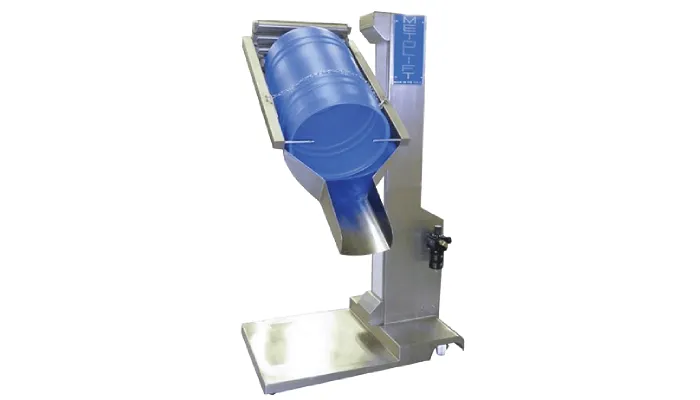
When selecting drum handling equipment, there are several key factors to keep in mind. First, consider the weight capacity: can it handle your heaviest drums? Next, look at the ease of use; equipment that simplifies lifting and moving is essential for safety. Durability also matters; materials should withstand harsh conditions while being resistant to corrosion. Additionally, mobility features like wheels or casters can make a big difference in efficiency. Don’t forget about ergonomic design, which promotes user comfort, and ensure any safety features are up to standard. Overall, a well-researched decision will lead you toward effective and safe drum handling solutions.
1. Types of Drum Handling Equipment
When selecting drum handling equipment, it’s essential to understand the various types available to meet your specific needs. Drum lifters are fantastic for easily lifting and moving drums, reducing the physical strain on workers. If you’re looking to move drums smoothly across flat surfaces, drum dollies are your go-to solution, especially in warehouse settings. For short distances, drum trucks, equipped with wheels, make transporting heavy drums a breeze.
For dispensing materials, drum rollers are ideal, allowing you to rotate drums effortlessly to access contents. If you need to store or dispense drums safely, drum cradles provide secure support in a horizontal position. Forklift attachments are specialized tools that enable forklifts to lift and transport drums with ease, enhancing efficiency.
Electric drum handlers take it a step further by reducing manual labor with powered lifting capabilities, while pneumatic drum handlers use air pressure to manage heavier loads effectively. If you’re dealing with liquids, gravity-fed drum dispensers make pouring easy without the heavy lifting. Lastly, combination units offer versatility, integrating multiple functions to handle various tasks, making them an excellent choice for dynamic work environments.

2. Load Capacity and Weight Considerations
When selecting drum handling equipment, the load capacity is a critical factor. You need to check the maximum load capacity of the equipment to ensure it meets your needs effectively. Think about the weight of the drums you will be handling; this significantly influences your equipment choice. Understanding how the weight is distributed in the drum is essential, as it helps prevent tipping and potential accidents during operation.
If you’re moving multiple drums at once or stacking them, make sure the equipment can safely handle the total weight. Look for options that can manage both full and empty drums efficiently, as this versatility can save you time and effort. Don’t forget to consider the weight of any additional materials that may be transported along with the drum, as this can add to the overall load.
It’s also important to evaluate the equipment’s stability under heavy loads to ensure safe operation. Always review the manufacturer’s specifications for load limits and guidelines before making a purchase. Additionally, keep in mind the weight of the equipment itself, as this can affect maneuverability and ease of use. Using equipment with a higher load capacity than what you think you need can enhance safety and prolong the life of the equipment, providing peace of mind in your drum handling operations.
3. Safety Features to Look For
When choosing drum handling equipment, safety features are paramount. Look for anti-slip grips on handles to prevent slippage during operation, which can enhance safety significantly. Load indicators are another crucial element, helping you monitor weight and avoid overload situations that could lead to accidents. Emergency stop buttons are essential for quick shutdowns in emergencies, providing peace of mind while you work. Safety guards can protect operators from moving parts and potential hazards, which is especially important in busy environments.
If the equipment is mobile, sturdy brakes ensure that it remains stable when parked or loaded, reducing the risk of unintentional movement. Visibility features, such as bright colors or reflective materials, increase awareness of the equipment in use, making it easier for others to see and avoid potential hazards. Ergonomic designs can minimize strain on the operator, helping to reduce the risk of injury during prolonged use.
Quick-release mechanisms are also beneficial, enabling fast and safe drum loading and unloading without unnecessary delays. Lastly, ensure that the equipment has safety certifications from recognized organizations, confirming it meets industry standards. Regular safety inspections and maintenance schedules are vital in keeping the equipment in top condition, further enhancing safety for all users.
- Anti-slip grips on handles prevent slippage during operation, enhancing safety.
- Load indicators can help monitor weight, preventing overload situations.
- Emergency stop buttons allow for quick shutdown in case of an emergency.
- Safety guards protect operators from moving parts and potential hazards.
- Sturdy brakes on mobile equipment ensure stability when parked or loaded.
- Visibility features, like bright colors or reflective materials, increase awareness of equipment in use.
- Ergonomic designs minimize strain on the operator, reducing the risk of injury.
- Quick-release mechanisms enable fast and safe drum loading and unloading.
- Safety certifications from recognized organizations ensure the equipment meets industry standards.
- Regular safety inspections and maintenance schedules keep equipment in top condition.
4. Material and Durability Factors
When selecting drum handling equipment, the materials used play a pivotal role in determining its strength and durability. Steel and aluminum are top choices for their robust qualities, ensuring that your equipment can withstand the rigors of daily use. Corrosion-resistant coatings are essential, especially if the equipment will be exposed to harsh environments, as they significantly extend its lifespan. Additionally, consider the wheels: rubber wheels not only provide better traction but also minimize wear on floors, making movement smoother and safer.
It’s crucial to assess the equipment’s ability to endure extreme temperatures or moisture, depending on your specific needs. Look for reinforced joints and welds, which enhance durability and prevent frustrating breakages during operation. While lightweight materials can improve maneuverability, they shouldn’t compromise strength. Modular designs can also be beneficial, allowing for easy repairs or part replacements when needed.
Moreover, ensure that the equipment is compatible with the specific chemicals or contents of the drums you’re handling. Regular maintenance is key to preserving the material integrity and performance of your equipment over time. Finally, keep an eye on wear and tear; if you notice significant degradation, it may be time to invest in more durable options to ensure continued safety and efficiency.
5. Ease of Use and Maneuverability
When selecting drum handling equipment, ease of use and maneuverability are essential features that can significantly enhance efficiency and safety. Ergonomically designed handles allow operators to lift and maneuver drums more comfortably, reducing strain during operation. If you choose wheeled equipment, look for models equipped with swivel casters; this feature is particularly valuable in tight spaces where smooth movement is crucial. Lightweight construction is another factor to consider, as it makes handling easier without sacrificing safety.
Simple controls and mechanisms enable quick operation, allowing operators to get the job done swiftly and with minimal training. Additionally, equipment that is easy to load and unload helps reduce excessive effort, streamlining workflow. Adjustable features can cater to different operator heights and preferences, ensuring that everyone can work comfortably and efficiently.
Many modern drum handling solutions are designed for one-person operation, which boosts productivity by eliminating the need for additional help. Smooth-rolling wheels minimize friction, making it easier to move drums around your workspace. Consider options made from durable yet lightweight materials, as they facilitate easier lifting and positioning. Lastly, clear visibility features can help operators navigate their environment safely, making the handling process not only easier but also safer.
6. Maintenance Requirements and Costs
Maintenance is a key factor when considering drum handling equipment, and understanding its requirements can save you time and money. Regular inspections are essential to catch any wear and tear early, ensuring the equipment remains reliable. Lubricating moving parts reduces friction, which not only extends the lifespan of the equipment but also improves its performance. Promptly replacing worn-out components is crucial to avoid expensive repairs down the line and to maintain a safe working environment. Keep an eye out for rust or corrosion, especially if the equipment is used outdoors or in humid conditions, as these can significantly impact functionality.
Budgeting for routine maintenance costs is wise, as it helps keep the equipment in optimal working condition. Additionally, consider the availability of spare parts, which can make repair and maintenance processes much easier. Training your staff on the proper usage of the equipment can also minimize damage and reduce maintenance needs, creating a more efficient operation. Look for equipment designed to require minimal maintenance without sacrificing performance, as this can lead to significant savings over time. Keeping a maintenance log to track repairs and service schedules can help you stay organized and proactive. Finally, evaluate the cost-effectiveness of the equipment based on its maintenance needs over the years, ensuring that you make a smart investment for your operations.
7. Ergonomic Design for Operator Comfort
When it comes to drum handling equipment, ergonomic design is crucial for operator comfort and efficiency. Padded handles are a game changer, reducing strain on hands and arms during operation. Imagine moving heavy drums without the soreness that usually follows; this feature alone can make a big difference. Adjustable heights ensure that operators of different sizes can use the equipment comfortably, which is essential for maintaining productivity throughout the day.
Lightweight designs are another factor to consider, as they help minimize fatigue during prolonged use. Nobody wants to feel worn out after just a few hours of work. Additionally, tilt or swivel features enable easier access to drums, allowing operators to reach them without awkward body movements, which can lead to injuries over time.
Look for equipment with anti-vibration technology, as it significantly reduces discomfort during operation. Clear labeling and intuitive designs enhance usability, making it less likely for operators to make errors while handling drums. A well-balanced design is vital as well, helping to prevent accidents and improve control, especially when maneuvering heavy loads.
Foot pedals or levers can enhance control without requiring excessive manual effort, making tasks smoother and more efficient. Furthermore, equipment should promote good posture to reduce the risk of injury, ensuring that operators can work safely and comfortably. Lastly, regular feedback from operators can drive improvements in ergonomic features in future designs, ensuring that equipment evolves to meet their needs.
8. Compliance with Industry Standards
When selecting drum handling equipment, compliance with industry standards is crucial for ensuring safety and reliability. First and foremost, make sure that the equipment meets OSHA regulations, which are designed to protect workers in various environments. Additionally, look for compliance with ANSI standards, as these provide guidelines for safety and performance. Certifications from recognized safety organizations can also be a strong indicator of quality and adherence to necessary regulations.
It is essential to review local regulations regarding drum handling, as these can vary and may impose additional requirements. Staying informed about changes in industry standards is vital, as non-compliance can lead to significant risks and liabilities. Operator training programs should incorporate these safety regulations to ensure everyone is aware of best practices.
Equipment that comes with user manuals detailing compliance standards can provide peace of mind, as it indicates that the manufacturer is committed to maintaining safety protocols. Evaluating the equipment’s performance against industry benchmarks can also help you determine if it meets the necessary standards. Working with suppliers who understand and adhere to compliance requirements is equally important, as they can guide you in making informed decisions. Lastly, documenting compliance checks is critical for audits and safety inspections, ensuring that your operations remain up to code.
9. Versatility for Different Applications
When selecting drum handling equipment, versatility is key. Choose equipment that can handle various drum sizes and types, ensuring maximum flexibility for your operations. Look for multifunctional designs that can perform multiple tasks, such as lifting and moving, which can save time and resources. Consider attachments that enable different handling methods, like lifting or rolling, to adapt to the specific needs of your tasks.
Additionally, equipment that can operate in diverse environments, from warehouses to outdoor sites, enhances its usability. Evaluate whether the equipment can manage different materials, such as liquids or solids, which is crucial for managing varied inventory. Modular designs can offer customization based on specific application needs, allowing you to tailor the equipment to fit your workflow.
Another important factor is the ability to handle both heavy and light-duty tasks, making the equipment more useful across different projects. Adaptability to various load types increases the overall utility, allowing for a seamless transition between tasks. Investing in equipment that can be easily upgraded for new applications ensures long-term value. Finally, regularly assessing the range of tasks your equipment can perform helps you maximize its potential and keep your operations running smoothly.
10. Cost vs. Value Assessment
When investing in drum handling equipment, it’s essential to perform a thorough cost versus value assessment. Start by analyzing the initial purchase costs alongside the expected lifespan of the equipment. While a lower upfront price may seem attractive, consider the total cost of ownership, which includes maintenance and repair expenses over time. High-quality equipment often leads to productivity gains, making the higher initial investment worthwhile. Additionally, seek out warranties or service agreements that can enhance the value of your purchase, providing peace of mind and protection against unexpected costs.
Researching the resale value of equipment can also offer insights into its long-term worth. If you ever decide to upgrade, knowing that your equipment holds its value can significantly impact your bottom line. To make informed choices, compare similar products based on features and performance, ensuring you select the best fit for your needs. Don’t forget to factor in the potential cost of downtime caused by equipment failure, which can be substantial. Striking a balance between budget limitations and equipment capabilities is crucial to achieving the best results. Investing in quality equipment can lead to lower costs in the long run, thanks to improved efficiency. Finally, look for user reviews and testimonials to gauge real-world performance and value, helping you make a confident decision.
Frequently Asked Questions
What safety features should I look for in drum handling equipment?
When choosing drum handling equipment, it’s important to look for safety features like automatic shut-off systems, safety locks, and sturdy construction. These features help prevent accidents and ensure the equipment can handle heavy loads safely.
How do I determine the right load capacity for drum handling equipment?
To find the right load capacity, first assess the weight of the drums you’ll be handling. It’s recommended to choose equipment that can handle more than the total weight of the heaviest drum to allow for safe operation without strain.
What materials are best for drum handling equipment?
The best materials for drum handling equipment are typically steel or heavy-duty plastic. Steel is durable and can withstand heavy use, while heavy-duty plastic can offer lightweight maneuverability without sacrificing strength.
How important is the size and design of drum handling equipment?
The size and design are very important because they affect maneuverability and storage. Make sure the equipment can fit through your workspaces, and consider designs that allow for easy access and safe handling of the drums.
What maintenance should I perform on drum handling equipment?
Regular maintenance is key! This includes inspecting for wear and tear, lubricating moving parts, checking safety features, and cleaning the equipment regularly to ensure it remains in good working condition.