


When you first visit a funeral home, you’ll be greeted warmly by the staff, who will direct you to the funeral director’s office. Expect to discuss your needs and receive essential price lists in line with Federal Trade Commission regulations. Don’t forget to bring necessary documentation about the deceased for easier processing. The planning stage will involve personalizing details such as service type and meaningful tributes like music or readings. During the actual service, emotions can run high as family dynamics unfold, making it essential for attendees to arrive early. Finally, many funeral homes offer grief support services afterward to help families cope with their loss effectively.
1. First Visit to the Funeral Home
When you arrive at the funeral services near me home, you’ll be welcomed into a serene atmosphere that aims to provide comfort during this challenging time. A compassionate staff member will guide you to the funeral director’s office, where they will assist you in navigating the planning process. Expect a conversation that feels supportive and understanding, as the director helps you through the necessary steps. You may be shown various caskets and urns, with options available for different budgets and personal preferences. It’s also a time to discuss the deceased’s wishes, along with any cultural or religious considerations that should be honored.
You’ll need to think about where you want the service to take place, whether at the funeral home, a church, or another venue that holds significance. Additionally, the staff can assist you with writing an obituary, ensuring it gets shared in local newspapers or online platforms. To streamline communication, it’s helpful to have a list of important contacts ready, including relatives and friends who should be notified about the arrangements.
Don’t hesitate to ask the funeral director any specific questions you may have regarding the process or available services. This is also a good opportunity to inquire about pre-planning options if you want to prepare for future arrangements. Keep in mind that the visit may take some time, so allow yourself space to process the information and emotions that arise as you navigate this journey.
2. Planning the Funeral Service
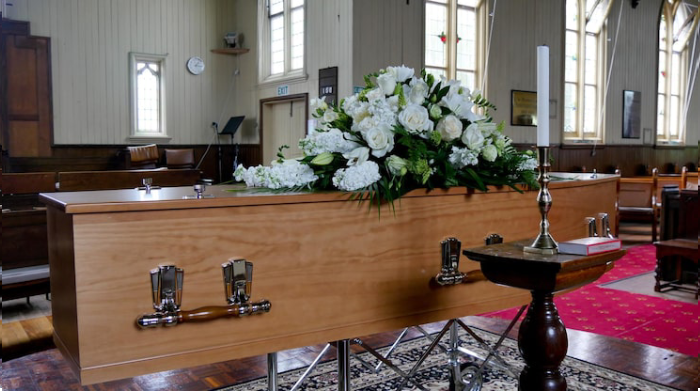
Planning a funeral service is a deeply personal journey, and you will work closely with the funeral director to create a meaningful tribute that reflects the deceased’s personality and values. Start by discussing the type of service you envision: do you prefer a formal ceremony, a casual gathering, or perhaps a themed celebration? This is your opportunity to incorporate unique elements that capture the essence of your loved one.
Music plays a vital role in setting the tone of the service. Think about songs that were significant to the deceased or those that resonate with family and friends. Including personal touches, such as favorite quotes, poems, or heartfelt stories, can create a warm atmosphere that honors their memory.
If cultural traditions are important to your family or community, be sure to incorporate those practices into the service. This could mean specific rituals, readings, or even attire that honors your heritage. Additionally, consider the logistics: choose a date and time that accommodates as many family and friends as possible.
Floral arrangements are another way to personalize the service. Whether you have a favorite type of flower or a color scheme in mind, these details can enhance the ambiance. If children will be attending, think about engaging them in the service, perhaps by explaining the significance of the event in a gentle way.
Creating a memory table or display can also be a beautiful addition. This could showcase photos, mementos, or anything that celebrates the life of the deceased. Finally, don’t hesitate to seek suggestions from the funeral director; they often have valuable ideas that can enhance the service experience.
3. Structure of the Funeral Service
Funeral services are structured to provide a meaningful experience that honors the life of the deceased. Typically, the service starts with a warm welcome from the officiant, creating a respectful atmosphere for everyone in attendance. Family members or close friends often deliver eulogies, sharing heartfelt tributes that celebrate the unique life lived. Expect moments of silence or prayer, allowing attendees to reflect on their personal memories, fostering a deep connection to the moment.
The order of service may include readings from religious texts or literature that held significance to the deceased, enhancing the personal nature of the ceremony. Visual elements such as slideshows or video tributes often add a special touch, showcasing cherished moments and milestones that can evoke both smiles and tears. Throughout the service, a variety of music, from traditional hymns to the favorite songs of the departed, plays a crucial role in setting the emotional tone.
The committal service is a significant part of the funeral, marking the final farewell as the body is laid to rest or cremated with dignity. Attendees may be invited to participate in rituals, such as placing flowers on the casket or sharing memories aloud, making each service as unique as the individual being honored. The structure allows for flexibility, encouraging spontaneous expressions of love and remembrance, ensuring that the experience resonates deeply with all who gather.
4. What Happens During the Funeral?
During the funeral, guests are encouraged to arrive early. This allows time to find seating and greet family and friends before the service begins. Typically, the funeral director or staff members will assist in guiding attendees to their seats, ensuring that immediate family members are seated first. As the service unfolds, the atmosphere can shift dramatically; attendees may share stories and memories, fostering a sense of community support. You might hear laughter as fond memories are recalled, but also tears during the more poignant moments.
Some services include interactive elements, inviting guests to participate in rituals or share their thoughts. A guest book may be available for visitors to sign, allowing them to leave messages of support for the family. If a reception follows the service, it provides an informal setting for connection and sharing among attendees. The service may be personalized, incorporating elements of the deceased’s hobbies or interests, making the experience even more relatable. After the service, friends and family often gather to offer condolences, creating a comforting sense of community. This time is dedicated to honoring the deceased while also allowing space for healing and reflection among those left behind.
- Arriving early helps ensure you find seating and have time to greet family and friends before the service begins.
- The funeral director or staff members will often guide guests to their seats, making sure family members are seated first.
- During the service, attendees may be encouraged to share their own stories and memories, creating a communal atmosphere of support.
- The emotions in the room may vary greatly, from laughter when recalling fond memories to tears during poignant moments.
- Some services may include interactive elements, inviting guests to participate in rituals or share their thoughts.
- You might find a guest book available for visitors to sign, leaving messages of support for the family.
- If a reception follows, this provides an opportunity for informal sharing and connection among attendees.
- The service may incorporate elements of the deceased’s hobbies or interests, making it even more personal and relatable.
- After the service, friends and family often gather to offer their condolences and support, creating a sense of community.
- It is a time to honor the deceased while also allowing space for healing and reflection among those left behind.
5. After the Funeral
After the funeral, many families find comfort in gathering together for a reception. This space allows friends and family to share food and memories, creating a comforting atmosphere during a difficult time. Grieving is unique to each person, so it is essential to allow yourself to feel your emotions without any self-judgment. Remember, reaching out to friends and family can be incredibly helpful, as they are likely navigating similar feelings of loss. The funeral director will assist with any final arrangements, ensuring that everything from burial to cremation logistics is handled smoothly. During this time, you might receive sympathy cards and letters, which can bring solace; take your time reading them, as there’s no rush. It’s crucial to prioritize self-care, including eating well and resting when needed. If you feel overwhelmed, consider looking for local support groups or counseling services, as they can provide additional help. Many people find it beneficial to keep a journal, expressing their thoughts and feelings as a way to process their grief. Additionally, planning a memorial activity, like planting a tree or holding a remembrance ceremony, can be a beautiful way to honor the memory of your loved one. Staying connected with those close to you, sharing memories, and celebrating the spirit of the deceased can help keep their memory alive in your heart.
6. Additional Support Services
Many funeral homes go beyond their traditional roles by providing essential resources for those grappling with grief. Grief counseling and support groups can be invaluable for anyone struggling with loss, offering a safe space to share feelings and experiences. Be sure to ask your funeral director about available community resources or online support networks that can provide ongoing help. Additionally, many organizations host workshops or seminars focused on coping with grief and loss, equipping participants with valuable tools and insights to navigate their emotions.
If feelings of grief become overwhelming or prolonged, it may be beneficial to talk to a mental health professional. They can offer tailored strategies to help manage intense emotions. Exploring literature on grief and loss is another great option; many books delve into this topic, offering helpful perspectives and coping strategies.
Some funeral homes even provide follow-up services, checking in with families to see how they are managing after the funeral. This thoughtful gesture can remind you that you are not alone in your journey. You might also consider memorial funds or scholarship programs that honor the deceased, creating a lasting legacy that keeps their memory alive.
Connecting with others who have faced similar losses can foster understanding and support, reminding you that your feelings are shared by many. Leaning on family and friends during tough moments is crucial; they can play a pivotal role in your healing process. Remember, seeking help is a sign of strength and can lead to healthier coping strategies.
Frequently Asked Questions
What services do funeral homes typically offer?
Funeral homes usually provide services such as arranging the details of the ceremony, preparing the body, and helping with paperwork. They can also facilitate transportation and offer grief support.
How can I personalize a funeral service?
You can personalize a funeral service by including music, pictures, or memories that reflect the person’s life. Many funeral homes can help you add special touches like themed decorations or unique tributes.
What should I expect during the visitation?
During the visitation, you can expect a time for friends and family to gather, share stories, and offer condolences. It’s usually a quieter, more informal setting where you can honor the deceased.
Are there different types of burial options available?
Yes, there are various burial options available, including traditional ground burial, above-ground mausoleums, and cremation. You can choose based on your preferences or the wishes of your loved one.
How can I support someone who is grieving?
Supporting someone who is grieving can include listening to them, sharing memories, or simply being there for them. Offering to help with daily tasks or inviting them out for a distraction can also be beneficial.