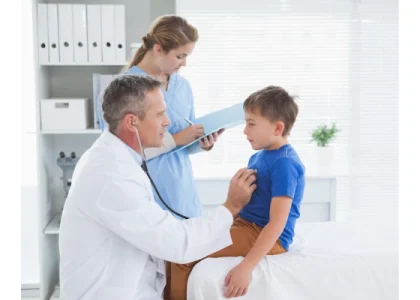

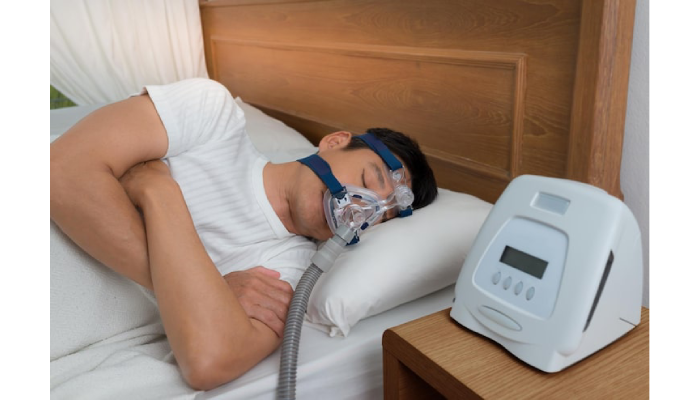
Sleep is not just about resting your body—it’s essential for overall health, brain function, and daily energy levels. But for millions of people, sleep is not restful due to conditions like sleep apnea. Traditionally, diagnosing sleep apnea meant spending a night in a sleep clinic hooked up to wires and machines. While accurate, many patients found it uncomfortable and intimidating.
Today, thanks to technology, you can undergo an at home sleep apnea test in the comfort of your own bed. If you’ve recently been advised to take one, you might be wondering what it involves, how accurate it is, and what you can expect during the process. This article breaks it down step by step so you feel prepared and confident.
Understanding Sleep Apnea
Before diving into the at home sleep apnea test, it’s important to understand sleep apnea itself. Sleep apnea is a sleep disorder where breathing repeatedly stops and starts during sleep. The most common type is Obstructive Sleep Apnea (OSA), caused by a blocked airway, usually due to throat muscles relaxing excessively.
Common Symptoms of Sleep Apnea:
- Loud, chronic snoring
- Sudden choking or gasping during sleep
- Morning headaches
- Daytime fatigue and irritability
- Poor concentration and memory issues
If left untreated, sleep apnea can increase risks of high blood pressure, heart disease, diabetes, and even stroke. That’s why testing and early diagnosis are critical.
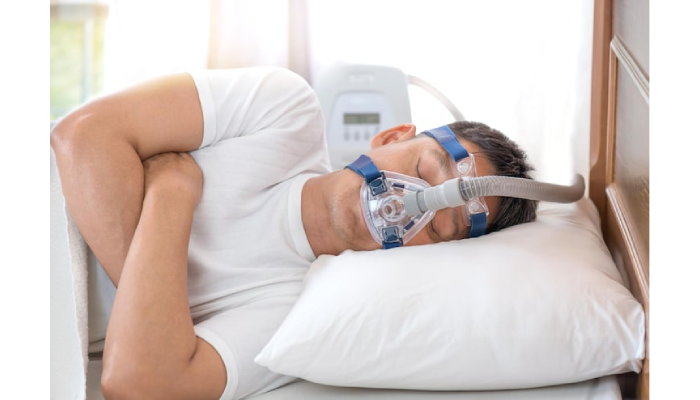
What Is an At Home Sleep Apnea Test?
An at home sleep apnea test (HSAT – Home Sleep Apnea Testing) is a simplified sleep study that measures breathing, oxygen levels, and heart rate while you sleep in your own bed. Unlike traditional sleep studies, it doesn’t track brain activity (EEG), but it provides enough information for doctors to confirm or rule out sleep apnea.
Key Benefits of At Home Sleep Apnea Testing:
- Comfort – You sleep in your own bed.
- Convenience – No overnight hospital stay.
- Cost-effective – Cheaper than a lab sleep study.
- Faster results – Reports are usually available within days.
Who Should Consider an At Home Sleep Apnea Test?
Doctors usually recommend an at home sleep apnea test if you show moderate to high risk of sleep apnea based on symptoms and screening. It is ideal for:
- People with loud snoring and breathing pauses during sleep
- Those with daytime sleepiness or fatigue
- Patients with high blood pressure, obesity, or diabetes
- Individuals who want a convenient first step before a full lab study
However, if your doctor suspects complex sleep disorders (like central sleep apnea or narcolepsy), a full in-lab test may still be required.
What Does the Test Measure?
During an at home sleep apnea test, small monitoring devices are placed on your body. These typically measure:
- Breathing effort – Sensors on your chest track how your lungs move during sleep.
- Airflow – A small tube near your nose records how much air passes in and out.
- Oxygen levels – A pulse oximeter (clip on your finger) checks blood oxygen.
- Heart rate – Measures how your heart responds to low oxygen.
- Snoring sounds – Some devices also record snoring volume.
Step-by-Step: What to Expect During the Test
1. Receiving the Test Kit
Your doctor or sleep clinic will provide an at home sleep apnea test kit. Some clinics even mail it to your home with detailed instructions.
2. Setting Up the Device
Don’t worry—it’s user-friendly. Most kits come with:
- A chest belt or strap to measure breathing effort
- A nasal cannula (soft tubing for airflow measurement)
- A finger probe to track oxygen saturation
- A small recorder (device that stores the data)
3. Sleeping Normally
Once the device is connected, you sleep as usual. The sensors work quietly and are designed not to disturb your rest.
4. Returning the Equipment
The next morning, you remove the equipment and return it (either to the clinic or by courier).
5. Getting Results
A sleep specialist reviews the data and prepares a detailed report. They analyze patterns like breathing pauses, drops in oxygen levels, and severity of apnea.
Is an At Home Sleep Apnea Test Accurate?
While an at home sleep apnea test may not track every detail like a full sleep lab (such as brain waves or limb movements), research shows it’s highly reliable for detecting moderate to severe obstructive sleep apnea.
However, it might not catch:
- Mild sleep apnea
- Other sleep disorders like insomnia or restless leg syndrome
If results are unclear, your doctor may still recommend a full in-lab polysomnography.
After the Test: Next Steps
Once your test results are ready, your doctor will:
- Explain your sleep apnea severity (mild, moderate, or severe).
- Discuss treatment options, which may include:
- CPAP therapy (Continuous Positive Airway Pressure machine)
- Oral appliances (mouthpieces to keep airways open)
- Lifestyle changes (weight loss, avoiding alcohol, better sleep hygiene)
- Surgery (in rare, severe cases)
- CPAP therapy (Continuous Positive Airway Pressure machine)
Common Concerns About At Home Sleep Apnea Tests
1. Will it disturb my sleep?
Most patients adjust quickly; the devices are lightweight and non-invasive.
2. Is it safe?
Yes, the devices only monitor and record—they don’t send electricity into your body.
3. Do I need someone to assist me?
No, instructions are simple, and many devices include video tutorials.
4. Will insurance cover it?
Many insurance providers cover at home sleep apnea tests, but check with your provider in advance.
Conclusion
An at home sleep apnea test is a convenient, affordable, and reliable way to detect obstructive sleep apnea without leaving your bedroom. If you’ve been struggling with snoring, fatigue, or poor sleep quality, don’t ignore the signs—getting tested could be the first step toward improving your health and energy.
The process is simple: wear the device, sleep normally, return the kit, and get your results. With early diagnosis, you can take control of your sleep, health, and quality of life.