

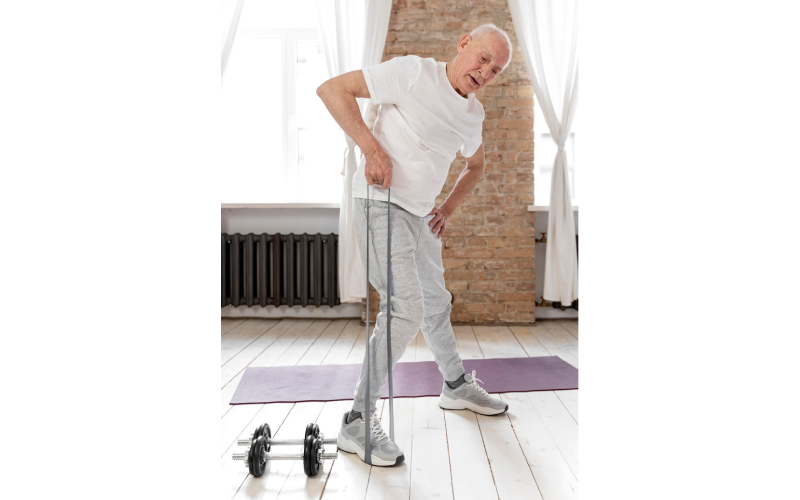
Recovering from hip replacement surgery typically involves several stages, starting with pain management and wound healing in the first week. Most patients go home within a few days if there are no complications, using walkers or crutches to aid movement. Physical therapy begins early to help regain basic mobility and strengthen muscles. Swelling and discomfort usually decrease over weeks, while patients are advised to avoid certain movements like crossing legs or bending too far at the hip. Light activities can resume around two weeks, with driving often possible after a few weeks depending on recovery progress. Full activity usually returns within three months, but remaining cautious helps prevent complications.
Overview of Hip Replacement Recovery
Hip Replacement Recovery surgery removes damaged parts of the hip joint and replaces them with artificial components made from metal, plastic, or ceramic. This procedure aims to reduce pain and improve mobility, helping patients regain better hip function after joint damage. Recovery time varies depending on factors like age, overall health, and the type of surgery performed. The process involves managing pain, healing the surgical wound, participating in physical therapy, and gradually increasing daily activity. Most patients begin to notice less pain and improved movement within a few weeks, though feeling tired and needing help with everyday tasks is common early on. Swelling and stiffness around the hip are usual during the first few weeks, while the wound typically takes about six weeks to heal fully. Alongside the physical healing, patients often face emotional and lifestyle adjustments as they adapt to changes in their mobility. Regular follow-up visits with the surgeon or care team are important to monitor progress and address any concerns that arise during recovery.

What Happens Immediately After Surgery?
After hip replacement surgery, patients usually stay in the hospital anywhere from a few hours to three days, depending on how quickly they recover and the support they have at home. The surgical incision is small and closed with absorbable stitches or covered with waterproof dressings to protect the area. It is normal to experience pain and swelling in the operated leg, which is managed with prescribed pain medication and ice packs. Nurses and physiotherapists play a crucial role right away, helping patients sit up, stand, and start walking with the aid of walkers or crutches, often within the first 24 hours. Early movement is important because it reduces the risk of blood clots forming in the legs or lungs. Patients are also encouraged to do deep breathing exercises to prevent lung complications. Sometimes, a drainage tube is placed temporarily to remove excess fluid from the surgery site. From the start, medical staff monitor the wound closely for signs of infection or other problems and provide clear instructions on how to care for the wound and manage pain. Along with physical care, emotional support and reassurance are offered to help patients feel more comfortable and confident during this initial recovery phase.
Managing Pain and Caring for the Wound
Pain after hip replacement surgery is normal and usually starts at a moderate level, gradually lessening over about 12 weeks. To manage discomfort, doctors typically prescribe painkillers and anti-inflammatory medications. Applying ice packs regularly and keeping your leg elevated above heart level while resting can help reduce swelling and ease pain. During early recovery, it’s important to avoid crossing your legs or bending your hip more than 90 degrees, as well as steering clear of low chairs, low toilets, and sudden twisting motions to protect the new joint. Showering is allowed as soon as the day after surgery, but baths and swimming should wait until the wound is fully healed. Keep the surgical site clean and dry, using waterproof dressings if provided, and follow your surgeon’s wound care instructions closely. Be alert for signs of infection such as redness, increased pain, drainage, or fever, and report these immediately to your healthcare provider to ensure proper healing.
Starting Physical Therapy and Rehab
Physical therapy usually starts within 24 hours after hip replacement surgery to encourage early movement and reduce risks like blood clots. At first, exercises are simple, focusing on sitting up, standing, and taking short walks with walking aids such as walkers or crutches. Over time, you’ll progress from these aids to using a cane, and eventually to walking independently. Rehab sessions work on strengthening the hip and leg muscles, which helps improve stability and overall function. Many patients receive home physical therapy visits during the first two weeks after leaving the hospital, followed by outpatient sessions to continue progress. Therapists also teach safe movement techniques and joint precautions to avoid injury, like avoiding bending the hip beyond 90 degrees or twisting suddenly. A gradual increase in activity helps regain range of motion and balance. Consistency with exercises at home is key to steady improvement. Additionally, patients who did prehabilitation exercises before surgery often experience smoother recovery and better outcomes.
Timeline for Returning to Daily Activities
After hip replacement surgery, many patients can expect to resume light activities and desk work within about two weeks. Driving is usually safe to restart between one and six weeks, depending on which hip was operated on and whether pain medications are still in use. Low-impact exercises like stationary biking often begin just days after surgery, helping to improve mobility without putting too much stress on the new joint. More demanding activities, such as swimming and higher-impact sports, are generally postponed for six to eight weeks to allow proper healing. Sexual activity can typically be resumed when it feels comfortable, usually after six to eight weeks as well. Most patients reach a full recovery and can return to most normal daily activities between six and twelve weeks, though strength and mobility tend to improve gradually for up to a year. It’s important to avoid heavy lifting and strenuous tasks early on and always follow your doctor’s advice about activity limits and gradual progression. Patience is key, as healing and adjusting to the new hip joint takes time and steady effort.
Precautions and Possible Complications
After hip replacement surgery, it is important to take precautions to protect your new joint and avoid complications. Avoid falls and sudden sharp movements, as these can increase the risk of hip dislocation. Keeping your hip movements within the recommended limits, such as not bending beyond 90 degrees or twisting abruptly, helps safeguard the joint during the critical healing period. Watch closely for signs of infection like redness around the incision, increasing pain, swelling, drainage, or fever. If you notice any of these symptoms, contact your doctor promptly. Blood clots are another concern; to reduce this risk, engage in early movement as advised, wear compression stockings, and take blood thinners exactly as prescribed. Though rare, other complications may include nerve injury, fractures during surgery, differences in leg length, or loosening of the implant over time. If you need both hips replaced, your surgeon might suggest either simultaneous surgery or spacing the procedures at least six weeks apart for safer recovery. Always report unusual pain, numbness, or weakness right away to your healthcare provider. Following instructions carefully about wound care and medication is essential to minimize risks. Use assistive devices like walkers or canes as recommended to maintain stability and prevent falls. Regular follow-up visits allow your medical team to monitor healing and catch any problems early. Paying close attention to these precautions helps support a smoother, safer recovery.
Long-Term Results and Implant Lifespan
Modern hip implants are designed to last between 20 and 30 years, thanks to strong materials like metal alloys, ceramics, and advanced plastics. Most patients see a notable improvement in mobility and a significant reduction in pain after recovery, which leads to a better quality of life. However, to protect the implant and ensure it lasts, high-impact activities such as running or playing basketball are generally discouraged. Regular follow-up appointments are important: typically at three to six weeks after surgery and again around one year to monitor the implant’s condition. While revision surgery is rare, it may become necessary if the implant shows signs of wear or complications arise. Patients can help extend the life of their hip replacement by maintaining a healthy weight and avoiding excessive strain on the joint. Staying active within recommended limits supports joint health, and as implant technology continues to improve, outcomes are expected to get even better over time.
Practical Tips for a Smooth Recovery
Keeping a positive mindset can make a real difference during hip replacement recovery. Staying involved in your rehabilitation exercises helps build strength and improve mobility. It’s important to follow your physical therapy routine exactly as prescribed and avoid skipping sessions, as consistency supports steady progress. Preparing your home before surgery is key: install safety aids like raised toilet seats and shower chairs, and arrange frequently used items within easy reach to avoid unnecessary bending or stretching. Try not to sit or lie down for long stretches; short walks, as tolerated, can help prevent stiffness and promote circulation. Use assistive devices properly to maintain balance and reduce the risk of falls. Don’t hesitate to communicate openly with your healthcare team about any pain or challenges you face, they can adjust your care plan as needed. Planning rest periods between activities prevents fatigue and helps your body heal. Eating a balanced diet rich in nutrients supports tissue repair and overall health. Lastly, stay informed about your recovery by asking questions when unsure, which can boost confidence and encourage active participation in your healing journey.
- Keep a positive mindset and stay involved in your rehabilitation exercises.
- Follow physical therapy routines as prescribed without skipping sessions.
- Prepare your home with safety aids like raised toilet seats and shower chairs before surgery.
- Arrange frequently used items within easy reach to avoid unnecessary bending or stretching.
- Avoid sitting or lying down for long periods; take short walks as tolerated.
- Communicate clearly with your healthcare team about pain or difficulties.
- Use assistive devices properly to maintain balance and prevent falls.
- Plan for rest periods between activities to prevent fatigue.
- Eat a balanced diet to support healing and overall health.
- Stay informed about your recovery progress and ask questions when unsure.
Frequently Asked Questions
1. How long does the full recovery from hip replacement usually take?
Most people take about 3 to 6 months to recover enough to return to normal activities, though some improvements can continue up to a year after surgery.
2. What kinds of pain or discomfort should I expect after hip replacement surgery?
It’s normal to experience soreness, swelling, and occasional sharp pains during recovery. These symptoms usually lessen over the first few weeks as your body heals.
3. When can I start walking and putting weight on my new hip?
Many patients begin walking with assistance like a walker or crutches within a day or two after surgery. Your surgeon will guide you on when and how to increase weight bearing safely.
4. What physical activities should I avoid during hip replacement recovery?
High-impact activities like running, jumping, or heavy lifting should be avoided until your doctor says it’s safe. It’s best to stick with low-impact exercises and follow your physical therapist’s recommendations.
5. How can I prevent complications such as blood clots or infections after hip replacement?
Following your doctor’s instructions carefully helps reduce risks. This includes taking prescribed medications, keeping the surgical site clean, moving around gently to improve circulation, and watching for any signs of infection or swelling.
TL;DR Hip replacement recovery generally includes managing pain, caring for your wound, and starting physical therapy soon after surgery. Patients often go home within a few days, begin walking with support, and gradually return to daily activities over 6 to 12 weeks. It’s important to follow precautions to avoid complications like infection or dislocation, and to keep up with rehab exercises for the best outcome. Modern implants last decades, helping most people regain mobility and reduce pain. Setting up a safe home environment and staying active while communicating with your care team can make recovery smoother.
Resource Url:
https://simple.wikipedia.org/wiki/Hip_replacement
https://drrichardmeyer.com/orthopedic-conditions/hip-replacement/