
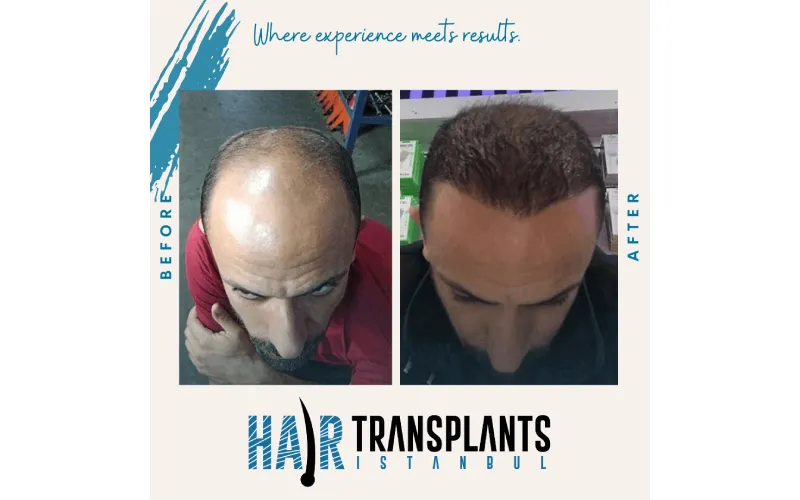
Visiting a hair transplant clinic in Istanbul means expecting a well-organized but fast-paced experience. After arriving, you undergo initial blood tests and 3D imaging to assess your hair loss and donor areas. The consultation with the surgeon is brief, often around 15 minutes, where they design your new hairline for quick approval. The procedure itself can take up to eight hours, done under local anesthesia with a team carefully extracting and implanting grafts mostly from the back of your head. After surgery, there’s detailed aftercare involving bandages, restricted activities, and special shampoos. While some discomfort is normal, many patients feel their confidence improves significantly over time.
Why Istanbul Is the Leading Destination for Hair Transplants?
Istanbul has earned the nickname “Hairstanbul” because it is the global capital for Hair Transplant Clinics in Istanbul, attracting roughly one million patients in 2022 alone. This massive volume of procedures has helped Turkey’s hair transplant industry contribute around $2 billion to the economy that year. One of the main reasons Istanbul leads the market is its competitive pricing, often costing about one-third of what similar procedures would in the US or Europe. This affordability is supported by government incentives like tax breaks and subsidies, allowing clinics to offer all-inclusive packages that cover surgery, accommodation, and transportation. High-volume clinics perform 20 to 22 transplants per day, which helps keep costs low while maintaining efficiency. Istanbul’s clinics also invest in advanced technology, including 3D hair imaging and modern extraction tools, ensuring quality that can rival more expensive destinations. In addition to affordability and technology, the city’s international reputation is backed by thousands of positive patient reviews, encouraging more people worldwide to choose Istanbul. This unique mix of cost savings, experienced medical teams, and cutting-edge technology makes Istanbul the top choice for hair transplants globally.

Cost Benefits and Package Deals at Istanbul Clinics
Hair transplant clinics in Istanbul offer significant cost advantages compared to those in the US, with average prices around $3,500, roughly one-third of typical American costs. This affordability is partly due to government subsidies and tax incentives that allow clinics to provide attractive all-inclusive packages. These packages often cover the initial consultation, the surgical procedure itself, three nights of hotel accommodation in comfortable 4-star hotels, and transportation including airport pickups and transfers between the hotel and clinic. This seamless arrangement helps ease travel and logistics for patients coming from abroad. Some clinics also include extras such as post-operative medications, follow-up visits, and low-level laser therapy to support healing and enhance results. While flight costs from the US to Istanbul average around $2,000, the overall expense remains lower than pursuing the procedure domestically. Clinics benefit from a high volume of procedures, which helps keep prices competitive without sacrificing quality. However, patients should carefully review what each package includes to avoid unexpected fees or separate charges for services often bundled elsewhere. Transparent pricing and comprehensive packages make Istanbul clinics a practical and budget-friendly choice for many medical tourists seeking hair restoration.
What Happens During Your Initial Consultation?
The initial consultation at a hair transplant clinic in Istanbul starts with basic blood tests to screen for HIV, hepatitis B, and C, ensuring patient safety. Afterward, advanced 3D imaging technology is used to accurately assess the extent of hair loss and the quality of donor hair. This imaging helps doctors visually identify which hair follicles are healthy and which are dead, allowing precise planning for graft extraction. Typically, the lead surgeon meets with the patient for a brief session, usually around 15 minutes, during which they draw the proposed new hairline directly onto the scalp using a crayon. Patients are expected to make a quick decision about the hairline design so the process can move forward efficiently. The surgeon then estimates how many grafts will be needed, which usually falls between 3,500 and 4,400 per session. Most donor hair is taken from the back of the head, but sometimes beard hair is used to supplement if necessary. During the consultation, patients receive an overview of the entire procedure, including the timeline and aftercare instructions. Language support might be available, but it’s important for patients to confirm in advance whether translators will be provided to avoid communication issues.
Step-by-Step Guide to the Hair Transplant Procedure
The hair transplant procedure in Istanbul typically lasts up to 8 hours and is performed while the patient is awake. Before anything begins, local anesthesia is administered through multiple injections to numb the scalp; general anesthesia is not used. To help with comfort, mild sedation and painkillers like fentanyl may be given, so patients usually feel relaxed throughout. The process starts with extracting healthy hair follicles, mainly from the back of the head, which is known as the donor area. If beard hair is needed, extraction can be more painful because the skin is thinner there, so extra anesthesia is applied to manage discomfort. Once the follicles are extracted, skilled technicians prepare the grafts using specialized tools such as Choi Implanter pens. These devices allow for precise, controlled implantation of each follicle. The insertion phase is highly detailed and often described as artistic work, requiring steady hands and focus to ensure the grafts are placed at the correct angle and density. During the surgery, a team including the anesthesiologist, lead surgeon, and several technicians work together closely. Patients might feel tired or experience a mild ‘drunken stupor’ sensation due to sedation and the length of the operation, but most tolerate it well. The entire procedure is carefully timed and monitored to maximize graft survival and keep the patient safe throughout the day.
Managing Pain and Anesthesia During Surgery
During hair transplant surgery in Istanbul, local anesthesia is carefully administered through multiple injections targeting both the donor and recipient areas. Patients remain awake but numb, which means they usually feel minimal pain throughout the follicle extraction and implantation process. Because the skin in areas like the beard is thinner and more sensitive, additional anesthesia is often required there to ensure comfort. Mild sedation may also be given to help patients relax and reduce any anxiety during the lengthy procedure, which can last up to eight hours. Painkillers such as fentanyl are available to manage discomfort but are tightly controlled by the anesthesiologist, who continuously monitors the patient’s vital signs and comfort level. While sharp pain is rarely experienced, patients might feel tingling or pressure sensations during the surgery. Some report a vague sense of fatigue or light-headedness, sometimes described as a “drunken stupor.” Throughout the process, communication with the medical team is maintained to adjust anesthesia if needed. After the procedure, any pain is generally mild and well managed with prescribed medications, making the experience tolerable despite the length and complexity of the surgery.
What to Expect Immediately After the Procedure?
Right after the hair transplant procedure, expect your scalp and donor areas to be bloody and covered with a sticky, gooey texture. This is completely normal and part of the healing process. Bandages will be applied to protect the grafts and donor sites, and these must be kept on overnight. Most patients either rest at the clinic or go back to their hotel to recover. Swelling and mild discomfort are common during the first 24 to 48 hours, so some downtime is necessary. It’s important to avoid touching or scratching the scalp to prevent dislodging the newly implanted grafts. When going outdoors, wearing a loose-fitting hat is recommended for the first two months to shield the scalp from sun and dust. For the first five days, patients should avoid alcohol, sex, and any strenuous cardio exercises. Weight lifting and heavy workouts should be postponed for 2 to 3 weeks to support proper healing. To reduce pressure on the treated areas, sleeping on your back with a special pillow is advised for the first week. Clinics provide detailed instructions on shampooing and lotion use to follow during the first month, ensuring the scalp remains clean and the grafts stay healthy. Following these guidelines closely helps promote healing and increases the chances of a successful transplant.
Care Instructions and Restrictions After Surgery
After your hair transplant surgery in Istanbul, following care instructions closely is crucial for the best results. Patients must stick to a strict shampooing routine designed to keep the scalp clean without disturbing the delicate grafts. Using prescribed lotions and medications supports healing and helps prevent infections. For at least two months, avoid saunas, steam rooms, and any exposure to excessive heat, as these can damage the sensitive scalp areas. Physical activities, including cardio exercises and weight lifting, should be paused to prevent sweating and avoid putting pressure on the grafts. Sexual activity is also restricted for five days to reduce infection risk and physical strain. When outdoors, wearing hats is mandatory for two months to shield the scalp from sun damage. During the first week, sleeping only on your back is advised to avoid dislodging the new grafts. Some clinics may recommend low-level laser therapy shortly after surgery to speed up healing. It’s important not to scratch or pick at any scabs, as this can harm graft survival. Follow-up visits are scheduled to monitor your healing progress and address any issues promptly.
- Patients must follow a strict shampooing regimen to keep the scalp clean without damaging grafts.
- Use of prescribed lotions and medications supports healing and prevents infection.
- Avoiding saunas, steam rooms, and excessive heat exposure is important for at least two months.
- Physical activities like cardio and weight lifting should be paused to prevent sweating and pressure.
- Sexual activity should be avoided for five days to minimize risk of infection and strain.
- Patients should wear hats outdoors for two months to protect sensitive scalp areas from sun damage.
- Sleeping position is restricted to the back for the first week to avoid graft disruption.
- Low-level laser therapy may be recommended shortly after surgery to accelerate healing.
- Patients should avoid scratching or picking at scabs to ensure graft survival.
- Follow-up visits are scheduled to monitor healing progress and address any complications.
Timeline for Hair Growth and Follow-Up Visits
After your hair transplant in Istanbul, new hair growth usually starts to become noticeable between three and six months post-surgery. During the first few weeks, it’s common to experience some shedding of the transplanted hairs, which can be alarming but is completely normal. Significant, visible improvement generally takes about 12 to 18 months to fully develop, as the transplanted follicles settle and mature. Follow-up visits at the clinic are crucial during this period; doctors use these appointments to assess graft survival, monitor healing, and track hair growth progress through regular photographic documentation. These visits also allow your physician to adjust medication plans if needed. While medications like minoxidil and finasteride do not affect transplanted follicles directly, they support the health of your native hair and help maintain overall density. Patients are typically advised to continue these hair retention medications indefinitely to preserve their results. In some cases, multiple procedures might be necessary to achieve the desired coverage or density, especially if hair loss is extensive. Adhering carefully to aftercare instructions throughout the timeline, such as protecting the scalp and following shampoo guidelines, greatly improves final outcomes and helps ensure your investment in the procedure pays off.
Inside the Clinic: Staff and Patient Experience
Hair transplant clinics in Istanbul typically operate with large, well-organized teams that include lead surgeons, anesthesiologists, and several skilled technicians. Throughout the process, patients encounter different staff members at various stages: consultation, surgery, and recovery. While the environment is professional and designed to handle a high volume of patients daily, the atmosphere can feel clinical. Technicians who extract and implant grafts are trained, but their experience levels can vary, which makes the choice of clinic important. Many clinics serve a broad international clientele, particularly from the US and Europe, yet some do not offer translators, so patients should plan language support in advance if needed. Patients often arrive with a mix of anxiety and excitement, and clinics sometimes ease this by providing comfortable waiting areas, refreshments, and hotel-like accommodations as part of their package. Staff generally aim to offer clear communication and reassurance despite the fast pace and technical nature of the work. Ultimately, the patient experience depends a lot on the clinic’s size, professionalism of the team, and how well patients are prepared before surgery.
Emotional Effects of Hair Transplants in Istanbul
Hair loss can deeply impact a person’s self-esteem and emotional well-being, which is why many patients seek hair transplants to regain confidence. After the procedure, patients often report a noticeable boost in how they feel about themselves. This change is sometimes described as life-changing, helping them feel more positive socially and personally. Traveling abroad for surgery can cause some initial anxiety due to being in a new environment and the uncertainty of the procedure, but most find the experience rewarding once they see the results. During the early healing phase, especially when transplanted hair sheds temporarily, some patients experience a dip in mood or emotional low. However, support from clinic staff and fellow patients helps many manage these ups and downs effectively. Positive reactions from friends and family after the new hair grows contribute to a strong emotional uplift. Patients frequently mention feeling like they’ve regained a sense of youthfulness or normalcy, with some describing the transformation as being “lifted out of a dark place.” Preparing with realistic expectations and thorough counseling before surgery plays a key role in minimizing disappointment and improving overall satisfaction with the results.
Potential Risks and How to Choose the Right Clinic
While Istanbul offers many reputable hair transplant clinics, there are some risks patients should be aware of before committing. Some clinics focus more on volume than quality, often delegating critical tasks to less-experienced technicians. This can lead to poor graft survival or unnatural-looking hairlines. Inexperienced surgeons or staff may not properly manage the delicate extraction process, especially when grafts are taken from sensitive areas like the beard, which tends to be more painful and prone to complications. Local anesthesia and sedation, if not carefully administered, can cause allergic reactions or excessive pain during the procedure. Hygiene is another crucial factor: inadequate sterilization or poor clinic cleanliness increases the risk of infections or scarring after surgery. Communication can also be a challenge due to language barriers, which sometimes result in misunderstandings about the procedure or aftercare instructions. Patients who do not strictly follow post-op care risk poor healing, graft loss, or infection. To avoid these issues, it’s important to thoroughly research clinics by verifying credentials and reading verified patient reviews. Be cautious of clinics that overpromise results or set unrealistic expectations, as this can cause disappointment even if the surgery is successful. Finally, choose a clinic that offers comprehensive follow-up care and post-operative support, as this can make a big difference in recovery and final results.
Breaking Down the Total Cost of Getting a Hair Transplant in Istanbul
When planning a hair transplant in Istanbul, understanding the total cost is crucial. The base procedure typically costs around $3,500, which often includes the consultation, surgery, accommodation in a 4-star hotel for about three nights, and transportation between the airport, hotel, and clinic. This all-in-one package helps simplify budgeting but does not cover every expense. Flights from the US to Istanbul average about $2,000 roundtrip, though prices can fluctuate based on season and airline. After the procedure, patients should also consider ongoing medication costs like minoxidil and finasteride, which usually run about $60 per month to maintain existing hair. Some clinics offer optional low-level laser therapy sessions to speed healing and enhance growth, which adds to the overall expense. Additional costs might arise if multiple sessions are needed, especially for extensive hair loss, or if complications require extended stays. Don’t forget to factor in travel visa fees and travel insurance, which can vary depending on your nationality and coverage. Patients also need to budget for post-procedure care items such as special shampoos, lotions, and hats to protect the scalp during recovery. Compared to US prices that range between $10,000 and $20,000, Istanbul offers a significant saving while maintaining quality, but it’s important to plan for all these components to avoid surprises.
Frequently Asked Questions
1. What kind of hair transplant techniques are commonly used in Istanbul clinics?
Most clinics in Istanbul offer advanced hair transplant techniques like Follicular Unit Extraction (FUE) and Direct Hair Implantation (DHI). These methods are minimally invasive and focus on natural-looking results with minimal scarring.
2. How experienced are the surgeons performing hair transplants in Istanbul?
Surgeons at Istanbul hair transplant clinics often have extensive experience and specialized training in hair restoration. Many clinics highlight the credentials and track record of their medical teams to ensure high-quality care and successful outcomes.
3. What should I expect during the initial consultation at a hair transplant clinic in Istanbul?
During the consultation, doctors typically assess your hair condition, discuss your goals, and recommend the best treatment plan. They may also explain the procedure steps, recovery process, and answer any questions to help set realistic expectations.
4. What is the usual recovery process after a hair transplant in Istanbul clinics?
Recovery generally involves mild discomfort, some redness, and scabbing around the transplant area, which improves within days. Clinics usually provide post-op instructions and follow-up care to support healing and optimal hair growth over the following months.
5. Can I expect personalized care and follow-up after my hair transplant procedure in Istanbul?
Yes, many clinics emphasize personalized attention, including tailored treatment plans and ongoing follow-up appointments. This ensures progress is monitored and any concerns are addressed promptly for the best long-term results.
TL;DR Istanbul is a top destination for affordable, high-quality hair transplants, offering all-inclusive packages that include surgery, accommodation, and transport. The process starts with blood tests and 3D imaging, followed by a quick consultation to design your new hairline. The procedure itself can last up to 8 hours with local anesthesia and sedation while skilled teams extract and implant thousands of grafts. After surgery, you’ll need to follow strict care instructions to ensure good healing and growth, which usually takes 12-18 months for full results. Clinics are professional but can vary, so picking a reputable one is key. Many patients find the experience not just physically transformative but also emotionally rewarding, despite the pain and recovery challenges. Overall, the cost savings compared to the US make Istanbul an attractive option for many.