
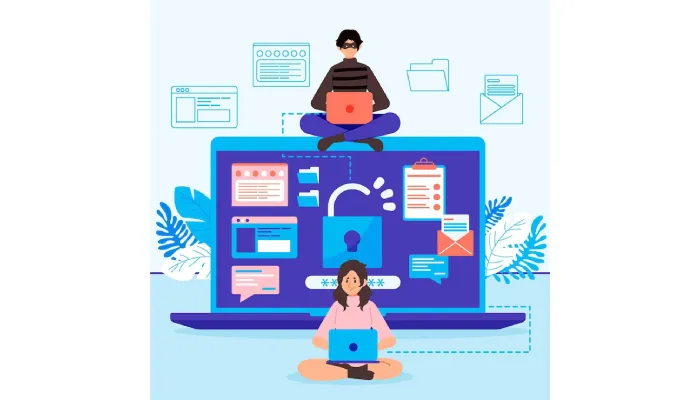
Secure remote proctoring is a game-changer for online assessments, focusing on integrity and credibility. By preventing cheating and ensuring that the right candidate is taking the exam, these systems maintain trust in results. Employing advanced monitoring technologies like video surveillance and biometric verification, they can spot unauthorized behaviors effectively. With various options such as live or automated proctoring, institutions find flexible solutions to fit their needs. Additionally, remote proctoring offers a secure environment by blocking unauthorized sites and enhancing accessibility for all test-takers. As technology evolves with innovations like AI, user experience remains a priority, paving the way for the future of online testing!
1. Integrity and Credibility of Assessments
Software secure remote proctor plays a vital role in ensuring the integrity and credibility of online assessments. By employing identity verification methods such as facial recognition and ID checks, these systems confirm that the individual taking the exam is indeed the registered test-taker, significantly reducing the chances of impersonation. Advanced algorithms further enhance this security by analyzing test-taking behavior, identifying patterns that may indicate cheating or inconsistencies. For instance, if a student’s eye movement or keystrokes deviate from the norm, the system can flag these anomalies for review.
An essential feature of secure remote proctoring is the comprehensive recording of all actions during the exam, which creates a transparent audit trail. This means that if any concerns arise regarding the legitimacy of the results, institutions can refer back to the recorded data for clarity. Institutions also have the flexibility to customize their proctoring protocols to align with their academic integrity policies, reinforcing the credibility of their assessments.
Furthermore, feedback from students after exams can help refine these proctoring processes, ensuring that maintaining integrity remains at the forefront of the examination experience. High-stakes exams, such as those required for professional qualifications, heavily rely on the credibility that secure remote proctoring provides. The trust that this system fosters not only boosts student confidence but also leads to a more authentic and fair testing environment.

2. Advanced Monitoring Technologies
Advanced monitoring technologies are revolutionizing the way online exams are conducted, making them more secure and reliable than ever. AI-driven analytics play a crucial role by detecting suspicious behavior in real time, allowing for immediate intervention if needed. For instance, if a test-taker’s eye movement suggests they are looking away from the screen too often, the system can flag this for review. Additionally, facial recognition technology ensures that the person registered for the exam is indeed the one taking it, adding a vital layer of identity verification.
Moreover, comprehensive activity logging captures every action taken during the exam, creating an invaluable record for post-exam analysis. This means any unusual behavior can be scrutinized later, ensuring accountability. Audio monitoring is another critical feature, as it can pick up unauthorized conversations or background noises that might indicate cheating, further enhancing the security of the testing environment.
The integration of machine learning continuously improves these monitoring systems. They adapt to new cheating methods, staying one step ahead of potential dishonest tactics. Remote proctoring also utilizes mobile device cameras, broadening the surveillance capabilities beyond traditional setups. This flexibility allows proctors to monitor students in various environments, ensuring that even those taking exams at home are closely observed.
Biometric verification, such as fingerprint scanning, adds another dimension of security, making it even harder for someone to impersonate another test-taker. In cases where suspicious activity is detected, live proctors can communicate with candidates in real-time, addressing concerns immediately and maintaining the integrity of the testing process. Finally, recorded video feeds can be reviewed after the exam, ensuring that all rules were followed and providing further assurance of the exam’s credibility. With advanced monitoring technologies constantly evolving, the future of online testing looks more secure and efficient.
- The use of AI-driven analytics allows for real-time detection of suspicious behavior, providing immediate responses during exams (SkillQ).
- Facial recognition technology helps ensure that the individual taking the exam matches the identity provided at registration (Think Exam).
- Activity logging captures every action taken during the exam, creating a comprehensive record for review (PSI Exams).
- Audio monitoring can detect unauthorized conversations or noises that may indicate cheating, enhancing security (OctoProctor).
- Integration of machine learning continuously improves the accuracy of monitoring technologies, adapting to new cheating methods (Shift iQ).
- Remote proctoring can utilize mobile device cameras, expanding monitoring capabilities beyond traditional setups (Honorlock).
- Biometric verification options, such as fingerprint scanning, add an extra layer of security and authenticity (SkillQ).
- Live proctors can intervene and communicate with test-takers in real-time if suspicious activity is detected (Think Exam).
- Video feeds can be recorded and reviewed post-exam to ensure compliance with testing rules (PSI Exams).
- Advanced monitoring technologies are constantly evolving, paving the way for more secure and efficient assessment environments (OctoProctor).
3. Multiple Proctoring Options
The variety of proctoring options available today is a game-changer for online assessments. Live proctoring, featuring real-time oversight by human supervisors, offers immediate support and intervention when needed, ensuring that test-takers are closely monitored (Honorlock). On the other hand, automated proctoring leverages advanced AI to track test-taker behavior, making it easy to scale during busy exam periods (Think Exam). For those who prefer post-exam reviews, recorded proctoring captures video and audio that can be analyzed later, providing flexibility for institutions to address any disputes (SkillQ).
Hybrid models that integrate both live and automated methods strike a perfect balance, allowing for quick responses to any suspicious activities flagged during the test (PSI Exams). This flexibility means that test-takers can select the proctoring method that best aligns with their personal preferences, enhancing overall satisfaction and compliance (OctoProctor). Furthermore, different proctoring approaches can be customized for various exam types, whether open-book or high-stakes assessments, accommodating the diverse needs of institutions and learners alike (Shift iQ).
The ability to easily switch between methods as circumstances change adds a layer of adaptability for educational institutions in a rapidly evolving tech landscape (SkillQ). This flexibility also extends to different student demographics, making online assessments more accessible and inclusive (Think Exam). Ultimately, the diverse proctoring options available today not only cater to various learning environments but also pave the way for innovative solutions to uphold exam integrity (PSI Exams).
4. Secure Exam Environment
Creating a secure exam environment is crucial for maintaining the integrity of online tests. Secure browsers play a key role by preventing access to unauthorized websites and applications, ensuring that students are focused solely on their exams (PSI Exams). Additionally, lockdown features are implemented to stop screen sharing and the use of secondary devices, which helps to safeguard the exam process (Shift iQ). Clipboard monitoring acts as another line of defense, discouraging candidates from copying and pasting answers, thus keeping the testing ground fair and honest (Think Exam).
Randomized question pools can also be a game-changer, as they provide each test-taker with a unique set of questions, reducing the chances of cheating (SkillQ). Moreover, proctoring solutions can recreate a virtual exam room that simulates the physical testing experience, helping students feel more at ease while still being monitored (OctoProctor). Automated alerts are in place to enforce strict adherence to exam protocols, instantly flagging any suspicious behavior for further investigation (Honorlock).
To further protect test materials, digital watermarking can be applied, preventing unauthorized distribution and ensuring that exam questions remain confidential (PSI Exams). Regular updates to security protocols are vital for staying ahead of potential threats, reinforcing the secure environment that online testing demands (Shift iQ). All these measures not only enhance security but also foster a sense of fairness among students, which can positively impact their overall performance (Think Exam). Additionally, proctoring solutions often include emergency protocols to swiftly address any technical issues that arise during the exam (SkillQ).
5. Cost-Effectiveness and Scalability
Remote proctoring opens the door to significant cost savings for educational institutions. By eliminating the need for physical testing centers, colleges and universities can reduce overhead costs substantially. For instance, expenses related to venue rentals and staffing become nearly obsolete, allowing institutions to allocate resources more effectively. Beyond cost reduction, scalability is a game changer. With the capability to accommodate thousands of students taking exams simultaneously, remote proctoring maximizes resource efficiency, making it an ideal solution for high-stakes assessments like state-wide testing or professional certifications.
Moreover, automated proctoring requires fewer human resources, which translates to further savings on staffing costs. Institutions can reinvest these savings into improving educational resources and technologies, enhancing the overall learning experience. The flexibility in pricing models offered by many remote proctoring services also makes budgeting easier for schools, allowing for tailored solutions that fit various financial plans.
Additionally, the reduced logistical challenges and travel expenses for students make online testing more appealing. Students can take exams from their homes, saving time and money while also easing stress associated with traditional testing environments. This approach not only broadens access to education but also creates a sustainable model for future assessments, ensuring institutions can adapt to changing student populations and exam demands.
6. Flexibility and Accessibility for Test-Takers
Remote proctoring is a game-changer for students, allowing them to take exams from the comfort of their own homes. This innovative approach reduces the anxiety often tied to traditional testing environments, making the whole experience more manageable. For students with disabilities or those living in remote areas, the accessibility features of online proctoring ensure that everyone has a chance to participate in assessments. The flexibility of online exams means that students can choose times that best fit their schedules, whether they are balancing work, family, or other commitments. This aspect is particularly valuable for non-traditional students who may face travel barriers that prevent them from attending in-person testing. Additionally, the ease of accessing exams online keeps students engaged and motivated, and can even lead to higher completion rates. Remote proctoring accommodates a wide range of assessment types, from quick quizzes to comprehensive final exams, adapting to the diverse needs of learners, which is crucial in today’s educational landscape.
7. Addressing Privacy Concerns
Privacy is a significant concern in the realm of remote proctoring, but reputable companies are stepping up to the challenge. They prioritize data protection by implementing strict policies that comply with regulations like GDPR, which safeguards individuals’ privacy rights. By clearly informing test-takers about how their data will be used, these companies build trust in the proctoring process, ensuring that candidates feel secure about their personal information. Anonymization techniques also play a crucial role, allowing institutions to protect sensitive data while still maintaining effective security measures. Furthermore, robust data encryption during transmission and storage ensures that sensitive information remains safe from unauthorized access.
Regular audits and assessments of security protocols help maintain high standards for data privacy. Test-takers have the right to request access to their data and can even delete it after their exams, which reinforces the accountability of proctoring services. Transparency is key; when companies openly communicate their data handling practices, it cultivates confidence among users. Privacy policies are continually updated to reflect changes in regulations and technological advancements, ensuring that users are always well-informed. Partnerships between educational institutions and proctoring services also ensure that privacy concerns are addressed collectively, which is vital for maintaining a secure testing environment.
Moreover, educating test-takers about the privacy measures in place can ease their concerns, making the testing experience smoother and more enjoyable. As remote proctoring technology evolves, so too does the commitment to protecting the privacy of individuals, paving the way for a more secure and trustworthy assessment landscape.
8. Continuous Improvement and Security Measures
Continuous improvement in remote proctoring is essential for maintaining security and effectiveness. Proctoring companies actively evaluate their systems to identify potential vulnerabilities, ensuring that they stay a step ahead of emerging threats. Regular software updates bolster security features, adapting to new challenges that arise in the digital landscape. By collaborating with educational institutions, these companies refine their solutions, making them more effective for diverse learning environments. User feedback plays a crucial role as well, offering insights that help enhance the overall proctoring experience. Investment in research and development drives innovation, leading to the introduction of advanced technologies like AI and blockchain, which can revolutionize remote proctoring. Training for proctors is also a priority, keeping them informed about the latest security protocols. Conducting stress tests and simulations prepares systems for high-demand scenarios, ensuring they can handle large volumes of test-takers efficiently. Partnerships with cybersecurity experts further strengthen security frameworks, fostering confidence in the integrity of online assessments. This commitment to continuous improvement guarantees that proctoring solutions remain reliable and effective over time.
9. User Experience
A positive user experience is vital for the success of secure remote proctoring. When test-takers encounter a user-friendly interface, they can easily navigate the proctoring platform, which reduces stress and enhances confidence. Clear instructions and guidelines play a significant role in minimizing confusion before exams, allowing students to focus on their performance rather than the logistics of the platform. Providing robust technical support ensures that students can quickly resolve any issues, making the testing process smoother.
Furthermore, maintaining security without being overly intrusive is crucial; when students feel comfortable, they are more likely to perform well. Compatibility across various devices and operating systems ensures that all users can participate without technical barriers. Offering practice exams can also familiarize students with the proctoring process, helping them feel more prepared on test day.
Collecting user feedback to improve the testing experience continuously is essential, as it allows companies to adapt to the needs of their users. Quick resolutions for common technical issues can prevent frustration and ensure exams run smoothly. Lastly, incorporating engaging elements, such as gamification, can make the proctoring experience more enjoyable, creating a more positive and memorable testing environment.
10. Future of Remote Proctoring
The future of remote proctoring is on the brink of exciting transformations, fueled by emerging technologies that promise to redefine the testing experience. Innovations like virtual reality could create immersive environments where test-takers feel as if they are in a physical exam room, enhancing focus and reducing anxiety. Adaptive proctoring is also set to revolutionize the landscape, enabling systems to monitor test-taker behavior uniquely, tailoring security measures based on real-time analyses. This means that the approach to proctoring will be more personalized, responding to individual needs and behaviors.
Moreover, we can expect deeper collaboration between educational institutions and proctoring services, driving innovations that will bolster assessment security. As remote learning gains acceptance, advancements in online assessment will continue to accelerate, paving the way for more sophisticated proctoring solutions. User-friendly interfaces will likely emerge, simplifying the testing process and making it more accessible for everyone.
Technologies such as blockchain could also play a pivotal role, offering secure and tamper-proof records of assessments, which is crucial for maintaining trust in online credentials. Investment in artificial intelligence will enhance real-time monitoring capabilities, leading to smarter systems that can detect and address cheating instantly. The seamless integration of proctoring solutions into learning management systems will enhance efficiency, ensuring that the proctoring experience is smooth and cohesive.
Overall, the global shift towards remote education will continue to push the boundaries of what remote proctoring can achieve, ensuring that it remains a reliable and innovative solution for educational assessments.
Frequently Asked Questions
What does secure remote proctoring mean for online tests?
Secure remote proctoring ensures that online tests are monitored to prevent cheating. It uses various tools like cameras and software to track the test-taker’s behaviors and actions during the exam.
How does secure remote proctoring help prevent cheating?
It helps prevent cheating by monitoring the test environment. The software alerts proctors if any suspicious activities occur, such as accessing unauthorized materials or using electronic devices.
What technology does secure remote proctoring use?
Secure remote proctoring uses video monitoring, artificial intelligence, and browser lockdown features to maintain the integrity of online tests. This combination ensures that the test-taking process is secure and fair.
Can students trust secure remote proctoring systems?
Yes, students can trust these systems when they are implemented properly with privacy protections in place. Most secure remote proctoring solutions follow strict security protocols to keep test-takers’ information safe.
What should students prepare for when taking a remotely proctored test?
Students should ensure they have a quiet, well-lit space to take their test. They should also check that their devices meet the technology requirements and are ready for the proctoring software.