

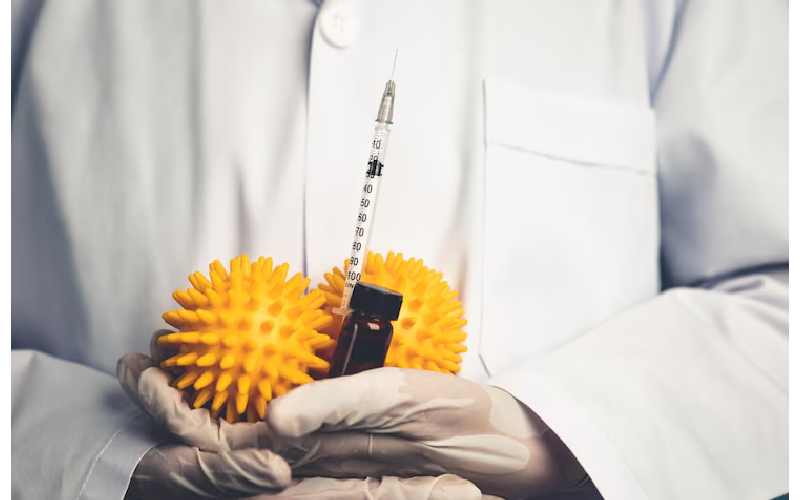
The cost of stem cell preservation covers several important steps beyond just storage. First, there are initial collection and processing fees which include medical-grade kits, sample transport, advanced cell processing, and thorough testing to ensure viability and safety. These fees usually range from about $895 to over $3,000 depending on the service level. Shipping fees for secure transport may be included or added separately based on location. Then there’s the first year of storage in cryogenic freezers, costing around $100 to $250 annually. Long-term storage involves ongoing monitoring and secure facilities with yearly fees or prepaid plans available for discounts. Additional costs might include retrieval services and optional cord tissue storage.
Initial Collection and Processing Fees Explained
The initial cost of stem cell preservation cost covers several key steps to ensure the safe collection and high-quality processing of the cells. Medical-grade collection kits and materials are used to gather stem cells from sources like cord blood or cord tissue, maintaining sterile conditions to protect the sample. Once collected, specialized transport services quickly deliver the sample to the laboratory, preserving its integrity during transit. Processing involves advanced methods such as cell isolation and proprietary culture expansion to increase the number of viable stem cells available for storage. Before banking, the samples undergo thorough quality and viability testing to confirm their health and potency, along with rigorous pathogen screening to prevent contamination. Processing fees typically range from around $895 to over $3,000, depending on the provider and whether you select standard or premium services. Some companies offer optional add-ons like cord tissue storage, which can add about $845 or more to the initial costs. These fees often include the shipment of the collection kit and receipt of the sample at the lab, though some providers charge separately for these. It’s important to note that the initial fee usually covers basic handling, while specialized processing services such as enhanced cell expansion may come at an extra cost. Additionally, pricing can vary based on geographic region, service speed, or extra testing requested, so it’s wise to check the details with your chosen provider.
- Medical-grade collection kits and materials are used to safely collect stem cells from sources like cord blood or cord tissue.
- Specialized transport services ensure the collected sample reaches the laboratory quickly and in good condition to preserve sample integrity.
- Processing includes advanced techniques such as cell isolation and proprietary culture expansion to maximize viable stem cell counts.
- Samples undergo thorough quality and viability testing to confirm the health and potency of the cells before storage.
- Pathogen screening is performed to avoid contamination and ensure sample safety.
- Processing fees typically vary between $895 and over $3,000 depending on the provider and service level, including standard and premium options.
- Some providers offer optional add-on services like cord tissue storage, which can add approximately $845 or more to the initial cost.
- Fees may cover both collection kit shipment and sample receipt at the lab, but some providers separate these charges.
- The initial fee often includes basic handling but may exclude specialized processing like enhanced cell expansion.
- Providers may have different pricing based on geographic region, service speed, or additional testing requested.

Shipping and Courier Charges for Stem Cell Samples
Medical courier services play a crucial role in stem cell preservation by ensuring that collection kits reach clients promptly and that samples are safely transported back to the laboratory. For most customers in the mainland U.S., shipping costs are typically included in the initial fee, but those in Alaska, Hawaii, Puerto Rico, or international locations often face additional charges. These fees cover specialized packaging designed to maintain proper temperatures during transit, which is essential to keep the stem cells viable and compliant with regulatory standards. Some companies include shipping in their processing fees, while others list it separately, making it important to review the fine print. Expedited or urgent shipping options are usually available for an extra cost when faster delivery is needed. Returning unused collection kits to the provider may be required to avoid cancellation fees or extra charges. International shipments add complexity with customs clearance, which can lead to additional fees or delays. Most providers offer tracking services so clients can monitor their shipments and confirm delivery. It’s also worth noting that shipping costs can fluctuate seasonally or due to factors like fuel surcharges and courier availability, which may affect the total price unexpectedly.
Cost of First Year Stem Cell Storage
The cost of first-year stem cell storage primarily covers keeping your stem cells frozen in cryogenic freezers right after processing. This fee generally falls between $100 and $250 annually, depending on the provider and whether you’re storing just cord blood or both cord blood and cord tissue. For example, Cryo-Cell charges about $199 for first-year cord blood storage, with an additional $199 if you choose to store cord tissue as well. This price includes 24/7 monitoring and maintenance of the storage equipment, ensuring the samples remain safe and viable. Storage fees are usually billed after the processing phase is complete and the sample is successfully placed in the freezer. Some companies offer bundled packages where the first-year storage cost is included in the initial collection and processing fees, which can simplify the payment process. Choosing a plan that covers only cord blood or both cord blood and tissue will affect the total storage cost. First-year storage fees also cover expenses like tank upkeep, liquid nitrogen refills, and facility security. Additionally, some providers may offer discounts or promotions on first-year storage if you opt for prepaid long-term storage plans. Regardless of the provider, first-year storage is required to ensure the stem cells are preserved immediately after processing.
Long-Term Cryopreservation and Storage Expenses
Stem cells are stored indefinitely at ultra-low temperatures around -190°C in liquid nitrogen freezers to maintain their viability over time. Storage facilities operate around the clock with continuous monitoring systems and backup power sources to prevent any risk of sample loss during power outages or equipment failure. These facilities are typically accredited by organizations like FACT or AABB, ensuring they meet strict industry standards for safety and quality control. Annual storage fees are charged each year on the anniversary of the storage start date or the child’s birthday, covering the ongoing costs of tank cooling, security, insurance, and administrative support. Many providers offer prepaid long-term storage plans, often spanning 18 years or even lifetime options, which come at discounted rates compared to paying annual fees separately. These prepaid plans provide financial predictability and can reduce the overall cost of storage. Storage fees may vary depending on whether only cord blood, cord tissue, or both are stored. It’s important to note that cancellation or transfer policies differ by provider and may include fees, so reviewing contract terms carefully is advised before committing to long-term storage options.
Security Measures and Documentation Costs
Stem cell preservation includes essential security and documentation measures to ensure the integrity and traceability of each sample. Providers use secure identity verification systems to track samples accurately, preventing mix-ups or loss throughout the process. Comprehensive records are maintained for every step, from collection details and processing logs to storage status, supporting future clinical use or research. Clients often have access to online portals where they can view their sample’s information and billing details, adding transparency and convenience. Security infrastructure covers both physical and digital protections, such as controlled access, surveillance, backup data systems, and disaster preparedness plans, all designed to safeguard the samples and associated data. These security costs also include managing the chain of custody to ensure samples are handled properly at all times. Many providers offer options for expedited sample retrieval and shipment, typically involving additional or pre-paid fees for faster delivery when a sample is urgently needed. Notifications and alerts about storage anniversaries, payment reminders, or shipping updates are sometimes included, enhancing communication. While these security and documentation expenses are usually folded into the annual storage fees, some companies itemize them separately to clarify the comprehensive care involved in preserving valuable stem cell samples.
Fees for Retrieval and Future Use Services
When stem cells are needed for treatment, retrieval fees cover expert thawing and preparation to ensure the cells are ready for clinical use. Before release, providers perform quality testing to confirm the viability and safety of the stem cells. Specialized temperature-controlled shipping containers are used to transport the samples securely to medical facilities, maintaining the necessary conditions throughout transit. Retrieval services often include coordination with physicians or regenerative medicine specialists to streamline the process. Some companies also offer consultations or guidance to help clients explore treatment options using their preserved cells. These retrieval and shipping fees are usually separate from the initial processing and storage costs. Turnaround times for releasing samples can vary depending on the provider, with expedited options available for an additional charge. Charges may also depend on the volume or type of cells requested, as well as regulatory compliance and documentation required for clinical applications. Providers maintain strict protocols to preserve sample integrity during thawing and shipment, ensuring the stem cells arrive in optimal condition for therapy.
Additional Costs and Optional Fees to Consider
Stem cell preservation often includes extra costs beyond the basic collection, processing, and storage fees. Many stem cell banks offer seasonal discounts, referral bonuses, or best-price guarantees, which can help reduce the overall expense. Financing options are commonly available, allowing payments to be spread over 12 to 24 months, sometimes requiring a down payment upfront. Cancellation policies vary between providers; some allow fee-free cancellations if the collection kit remains unused and is returned promptly, but replacement fees apply if the kit is lost or used. Families expecting multiples, such as twins or triplets, may find special pricing or package deals tailored to multiple collections. Additional storage fees may apply for preserving other stem cell sources like cord tissue or placenta, which are increasingly popular but still undergoing clinical research with no guaranteed therapeutic results yet. Optional services can add to costs, including extra testing for genetic conditions or infectious diseases, insurance to protect against sample loss or damage during transport or storage, and fees for transferring samples between facilities or companies. Some companies also charge administrative or account maintenance fees beyond the standard yearly storage charges. Understanding these potential additional costs helps clarify the full financial commitment involved in stem cell preservation.
Typical Stem Cell Preservation Cost Breakdown
Stem cell preservation costs cover several key components that work together to ensure your sample is safely collected, processed, and stored for future use. The initial fee, often around $895 for standard cord blood banking, typically includes the collection kit, medical-grade materials, processing, and sometimes the first year of storage. If you opt for premium services like advanced cell expansion or additional testing, expect to pay about $350 more. Adding cord tissue storage usually increases the price by roughly $845 or higher, reflecting the extra handling and storage requirements. Annual storage fees maintain the sample in cryogenic freezers with constant monitoring and facility upkeep, costing about $199 per year for cord blood alone, or around $398 if both cord blood and tissue are stored. Many providers offer prepaid plans that cover storage for 18 years, ranging between $3,383 and $7,020 depending on the services included, which can provide savings compared to paying annual fees over time. Additional charges for services such as expedited retrieval, special shipping, or extra testing are typically billed separately. These costs may vary based on the provider, location, and level of service you choose, but generally include these major elements to protect and preserve valuable stem cells effectively.
Frequently Asked Questions
1. What steps are involved in the stem cell preservation process?
Stem cell preservation typically involves collecting cells from cord blood, tissue, or other sources, processing them to isolate the stem cells, testing for quality and contamination, and then freezing them in special storage containers for long-term preservation.
2. What types of tests are performed on stem cells before storage?
Before storage, stem cells undergo tests to check for cell count, viability, and absence of infections or contaminants. These tests ensure the stem cells are healthy and suitable for future medical use.
3. How is the collected stem cell material processed and stored?
The collected stem cells are carefully separated from the rest of the blood or tissue, concentrated, and placed in cryoprotectant solutions. They are then frozen using controlled-rate freezing methods and stored in liquid nitrogen tanks to maintain their integrity over time.
4. Who performs the collection and preservation procedures for stem cells?
Trained medical professionals, such as hematologists or specialized technicians, handle the collection and preservation procedures in accredited labs or hospitals. This ensures the process follows strict guidelines for safety and quality.
5. What kind of equipment is used to keep stem cells preserved long term?
Stem cells are stored using cryogenic freezers that maintain extremely low temperatures with liquid nitrogen. These specialized tanks prevent any damage to the cells over years or even decades, allowing for safe, long-term preservation.
TL;DR Stem cell preservation costs include several key components: initial collection and processing fees covering safe collection, transport, advanced cell processing, and testing; shipping and courier charges often included or extra depending on location; first-year storage fees ranging around $100 to $250; ongoing long-term cryopreservation with secure facilities and monitoring; documentation and security costs for sample tracking; fees for retrieval and preparation when needed; plus optional fees like cord tissue storage, prepaid plans, discounts, and financing. Together, these reflect the complex process to ensure high-quality, viable stem cells for future use.