

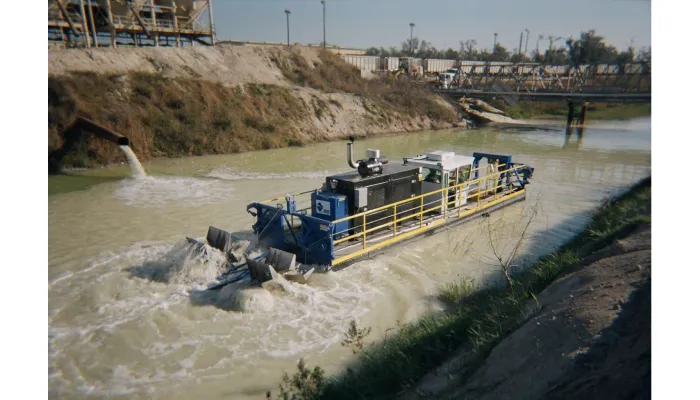
Canal dredging is an essential process that involves removing sediment, debris, and other materials from the bottom of canals to enhance navigation and boost ecological health. This critical practice ensures boats can navigate freely, facilitating commerce and recreational activities. Dredging also helps improve water quality by eliminating harmful pollutants and excess nutrients, thus supporting vibrant ecosystems. The operation uses specialized equipment like cutter-suction dredges to excavate materials efficiently. Different techniques are applied depending on the specific needs of a canal. In doing so, dredging plays a vital role in flood prevention while also aiding commercial industries necessary for economic growth.
1. Definition of Canal Dredging
Canal dredge is the exciting process of removing materials from the bottom of a canal to keep navigation smooth and safe. This crucial operation ensures that the canal maintains its intended depth and width, allowing vessels to pass freely without obstruction. When sediment builds up, it can include natural materials like mud and silt, as well as man-made debris and organic matter, such as plants and fish. Dredging also plays a vital role in removing invasive plant species that could hinder navigation. Beyond keeping waterways navigable, dredging helps preserve the engineering integrity of canals, preventing structural damage that could arise from sediment accumulation. Hydraulic methods are often utilized to make the process more efficient and minimize environmental disruption. Depending on factors like sediment buildup, dredging can occur periodically or as needed. There are different dredging methods tailored to various types of sediment and canal conditions, ensuring that each project is suited to its unique environment. Overall, canal dredging is essential for keeping historical and cultural waterways accessible and functional.

2. Importance of Canal Dredging
Canal dredging is vital for several reasons. Firstly, it ensures navigation remains safe and efficient, allowing boats to move freely without the risk of hitting underwater obstacles. This is crucial not only for commercial shipping but also for recreational boating and fishing, which are key activities that contribute to local economies. Additionally, dredging plays a significant role in preserving aquatic habitats by removing pollutants and excess nutrients that can harm fish and other wildlife. This improves the overall health of the ecosystem, helping to maintain biodiversity.
Moreover, proper dredging prevents sediment build-up, which can reduce the canal’s capacity during floods, thus minimizing flood risks for nearby communities. The aesthetic quality of waterways also benefits from regular dredging, making them more appealing for residents and tourists alike. This enhancement can lead to increased recreational opportunities, which further supports local businesses.
On a longer-term scale, routine dredging can extend the lifespan of canal infrastructure, ultimately saving costs for future maintenance. It can also create new habitats by altering the canal’s physical environment, encouraging a diverse range of aquatic life to thrive. In times of natural disasters, emergency dredging becomes essential to ensure efficient water flow, helping to minimize potential damage. Lastly, maintaining historical waterways through dredging helps preserve cultural heritage, ensuring future generations can appreciate these vital water routes.
3. Types of Dredging
Canal dredging is not a one-size-fits-all process; it comes in various forms, each tailored to specific needs. Mechanical dredging is a hands-on approach, utilizing clamshell buckets that scoop sediment directly from the canal bed. This method is particularly effective for targeted removal in smaller areas. On the other hand, hydraulic dredging employs suction to efficiently draw sediment through pipelines, making it ideal for larger volumes and extensive projects.
Dredging can also be categorized by purpose. Maintenance dredging is a routine activity that ensures canals remain navigable, while capital dredging focuses on initial construction, setting the groundwork for new waterways. Environmental dredging plays a crucial role in removing contaminated sediments, helping to restore ecological balance and improve water quality.
For more specialized needs, in-situ dredging treats sediment right at the site, reducing the need for transport and disposal. There are also techniques aimed at enhancing canal dimensions, such as deepening dredging, which increases depth for larger vessels, and widening dredging, which expands the canal’s width to ease navigation. Emergency dredging responds to immediate threats, such as flooding, while cut-and-cover dredging excavates and covers sections for construction or restoration.
Finally, sediment traps can be strategically placed to collect sediment before it accumulates in the main channel, minimizing future dredging needs. With these diverse methods and techniques, dredging is a vital activity that keeps our canals functional and safe.
4. Dredging Process
The dredging process kicks off with a thorough survey of the canal, which helps assess sediment levels and pinpoint any problematic areas. Choosing the right equipment is vital, as different dredges are tailored to handle various types of sediment and meet specific project needs. Before any dredging begins, obtaining the necessary permits is essential to comply with environmental regulations and safety standards. Once everything is in place, the fun part starts: mobilizing equipment to the site. This can involve bringing in barges, cranes, and specialized dredging machines.
The actual dredging involves lowering the dredge into the water and activating its suction or cutting tools to gather sediment from the canal bed. After collecting the sediment, it is transported to a designated spoil site or treated for reuse, depending on its composition and environmental guidelines. Throughout the process, careful monitoring is crucial to ensure that sediment removal does not negatively impact the surrounding ecosystem.
After dredging is completed, the site requires restoration, which may include planting vegetation or taking other steps to support ecological health. Post-dredging surveys are then conducted to evaluate the success of the operation and determine if any follow-up actions are necessary. Finally, documenting every step is important for regulatory compliance and to inform future dredging projects.
- The dredging process begins with surveying the canal to assess sediment levels and identify problem areas.
- Equipment selection is crucial, as different dredges are suited for various sediment types and project requirements.
- Before dredging, permits must be obtained to ensure compliance with environmental regulations and safety standards.
- Dredging operations typically start by mobilizing equipment to the site, which can include barges and cranes.
- The dredging itself involves lowering the dredge into the water and activating suction or cutting tools to collect sediment.
- After collection, the sediment is either transported to a designated spoil site or treated for reuse.
- Monitoring is essential throughout the process to ensure that sediment removal does not harm the surrounding environment.
- Once dredging is complete, the site must be restored, which may involve planting vegetation or other ecological restoration efforts.
- Post-dredging surveys are conducted to assess the effectiveness of the operation and any follow-up actions needed.
- Documentation of the process is vital for regulatory compliance and for informing future dredging projects.
5. Dredging Techniques
Dredging techniques are diverse and tailored to tackle the unique challenges presented by different sediment types and environments. One of the most effective methods is the cutter-suction dredge, which utilizes rotating blades to cut through tough sediment layers. This allows for efficient removal of materials that would otherwise be difficult to extract. On the other hand, plain-suction dredges operate by creating suction to lift loose sediment without any cutting action, making them ideal for sandy or soft substrates.
Different sediment types, such as clay and sand, require different approaches. For instance, clay often requires more robust equipment and techniques to ensure effective removal, while sand can be more easily managed with lighter machinery. Excavators can also play a role in dredging, either onshore or mounted on barges, offering flexibility in reaching various locations along the canal.
Hydraulic dredges are particularly favored for their speed and ability to move large volumes of material quickly. They can adapt to various water depths and flow conditions, optimizing efficiency during operations. In more challenging locations, cranes and other heavy machinery may be employed to support dredging efforts, ensuring that operations can proceed smoothly.
Innovative technologies are also making their way into the dredging field. For example, underwater drones are being explored for remote dredging operations, potentially minimizing the need for human intervention in hazardous environments. Additionally, environmental techniques, such as silt curtains, help contain sediment and reduce disturbances to the surrounding ecosystem during dredging operations. Ultimately, the choice of dredging technique is influenced by the project’s goals, local regulations, and environmental considerations.
6. Environmental and Economic Impact
Dredging plays a crucial role in enhancing both the environment and the economy. By removing harmful pollutants and debris from canal beds, it significantly improves water quality, which is essential for the health of aquatic life. Cleaner waterways lead to better oxygen levels, fostering vibrant ecosystems where fish and other organisms can thrive. The economic benefits are equally compelling; restoration of navigable waterways can boost local economies by facilitating trade and attracting tourism. When canals are well-maintained, property values in surrounding areas often increase, benefiting homeowners and businesses alike. Additionally, dredging projects can create jobs in construction, environmental management, and ongoing maintenance of these waterways. It’s important to note that many dredging operations incorporate eco-friendly practices, minimizing disruption to local habitats. Engaging the community is vital, as it helps address public concerns regarding environmental impacts while fostering support for such initiatives. Long-term studies are also essential to assess how effective dredging is in restoring habitats and improving biodiversity, ensuring that both economic and environmental goals are met. Collaborative efforts among stakeholders can amplify the positive effects of dredging, ensuring that local communities reap the rewards of cleaner, more navigable waterways.
7. Cost Considerations
Dredging costs can vary greatly based on several factors, such as the volume of material to be removed and the type of sediment involved. Generally, you might see estimates ranging from $100 to $200 per cubic meter. However, this is just a starting point, as environmental regulations can significantly increase costs, especially if the materials are contaminated and require specialized disposal methods. The complexity of the project, like the need for specialized equipment or techniques, also plays a crucial role in determining the final price. When budgeting for dredging, it’s essential to consider not only the immediate costs but also long-term maintenance and monitoring expenses. Funding for these projects often comes from government grants, local taxes, or partnerships with private entities, making transparent communication about costs vital for maintaining public trust and support. Additionally, conducting cost-benefit analyses can help justify the investment by highlighting the potential economic returns, such as improved navigation for commercial shipping or enhanced local recreation opportunities. Keep in mind that unexpected challenges can arise, like unstable ground or adverse weather, which may lead to cost overruns. Therefore, having a solid contingency plan in place is essential. Interestingly, the use of advanced technology can sometimes cut costs and improve efficiency, leading to savings over time.
8. Stakeholders Involved
Canal dredging is not a solo endeavor; it involves a variety of stakeholders who play crucial roles in the process. Government agencies typically oversee dredging projects, ensuring that all activities comply with regulations and safety standards. This oversight is vital for maintaining public trust and environmental safety. Environmental organizations also step in to monitor the impacts of dredging on local ecosystems and wildlife, advocating for practices that protect sensitive habitats.
Local communities are essential stakeholders as well, offering valuable input during the planning stages of dredging projects. Their insights can help identify potential impacts on the community and suggest ways to mitigate any negative effects. Private contractors bring specialized expertise and equipment to the table, often carrying out the actual dredging work with precision and efficiency.
Maritime associations may also get involved, advocating for the interests of commercial shipping and navigation to ensure that waterways remain accessible. Consultants are frequently hired to conduct environmental assessments and feasibility studies before any dredging begins, providing a scientific basis for decision-making. Additionally, academic institutions might collaborate on research projects that study the ecological impacts of dredging, contributing to a broader understanding of its effects.
Funding bodies, including municipal and state authorities, are critical for financing these projects, as dredging can be costly. Public interest groups can influence dredging practices by raising awareness about sustainable methods and advocating for responsible management of waterways. Effective engagement with all these stakeholders fosters collaboration and transparency, which are essential for the success of dredging projects.