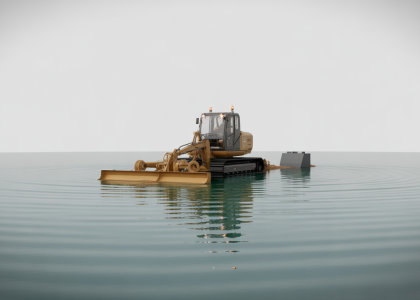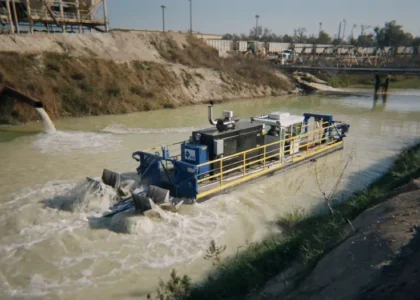

What exactly is a sand dredge, and why is this specialized piece of equipment so important around the world?
From maintaining vital waterways to helping build our cities, the demand for sand and other aggregates is ever-present. A sand dredge is a machine designed to extract sand, gravel, and other loose sediments from underwater environments. These powerful tools play a critical role in various industries and shaping our landscapes and supporting countless projects. Understanding how they work and what types are available is key to successful operations.
This guide will explore the different kinds of sand dredges, their uses, and how to select the best one for your specific needs.
Understanding the Basics: How Does a Sand Dredge Work?
At its core, a sand dredge works by removing material from the bottom of a water body. This material could be sand, silt, gravel, or other sediments. The process typically involves three main steps: excavation, transport, and discharge.
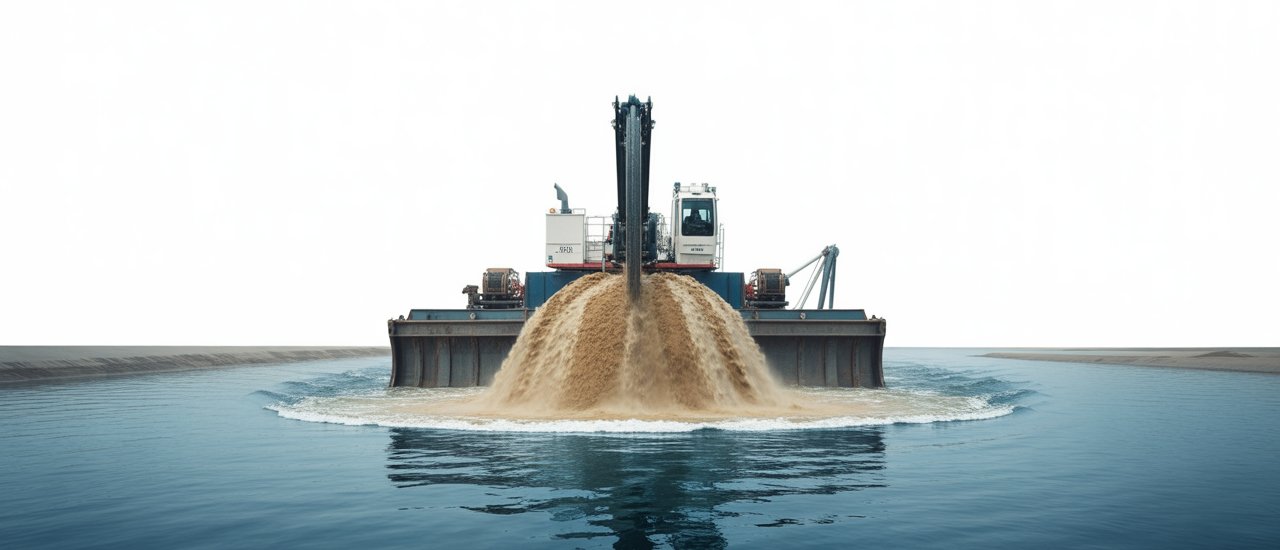
Most modern dredges use a powerful pump to create suction. This suction pulls the mixture of water and sediment through a pipeline. The extracted material is then moved to a different location. This could be a processing plant, a temporary storage area, or another section of the waterway. The efficiency of this sediment removal depends on the dredge’s design and power.
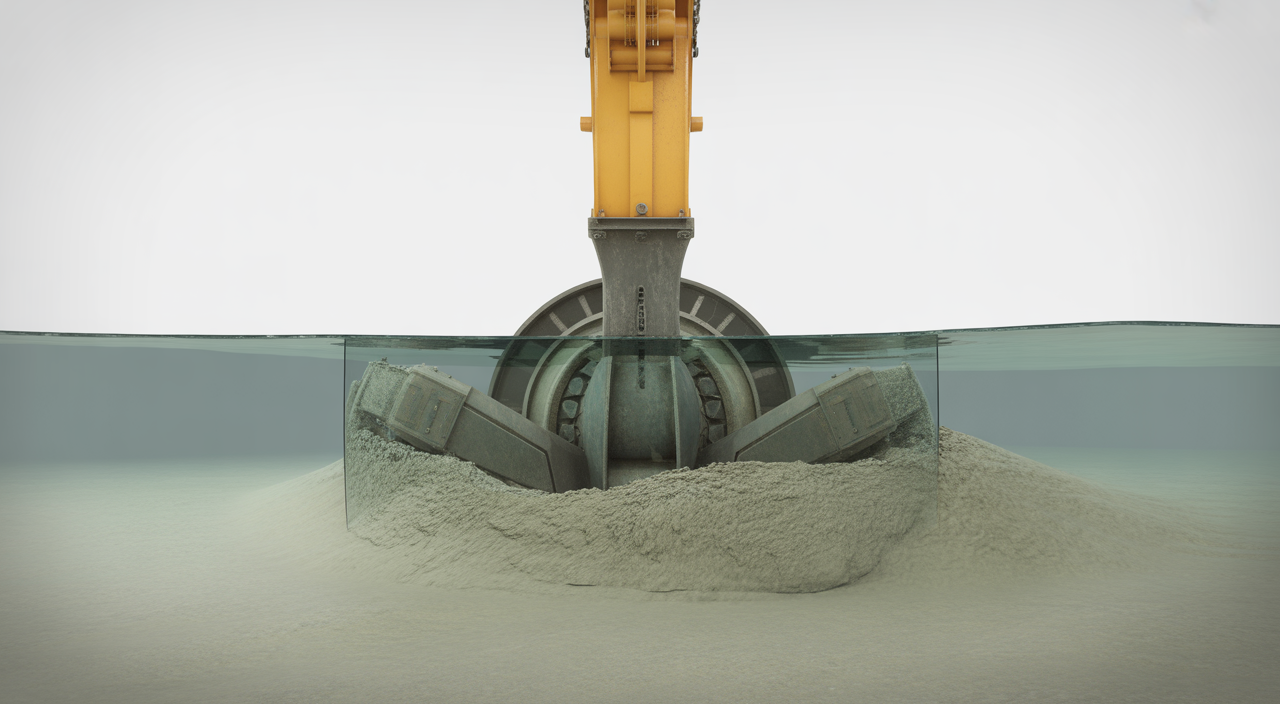
Key components of a dredge often include a robust engine for power, a pump for suction, and a discharge line to move the material. Some dredges also feature a cutterhead. This tool helps break up compacted material before it is suctioned.
Types of Sand Dredges: A Comprehensive Comparison
Not all sand dredges are the same. Different projects require different tools. Here is a look at the most common types and what makes each unique.
Hydraulic Suction Dredges
Hydraulic suction dredges are perhaps the most common type. They use a powerful pump to suck up loose materials directly from the seabed or riverbed. Think of it like a giant underwater vacuum cleaner.
These dredges are highly effective for extracting loose sand, fine silt, and other soft sediments. They work best in environments where the material is not too compact. Their main advantage is their simplicity and continuous operation. However, they may struggle with hard clay or rock. The efficiency of a suction dredge relies heavily on the material being easily flowable.
Cutter Suction Dredges
When you need to handle tougher materials, a cutter suction dredge is often the answer. These machines feature a rotating cutterhead at the end of the suction pipe.
The cutterhead breaks up compacted sand, clay, or even soft rock. Once broken, the material is then suctioned away by the dredge pump. This makes them versatile for various dredging projects. They are excellent for sand extraction where the material might be mixed with other elements or is tightly packed. The downside can be higher fuel consumption due to the cutterhead’s power needs.
Jet Suction Dredges
Jet suction dredges are a specialized type of hydraulic dredge. They use high-pressure water jets to loosen sediment around the suction inlet. This creates a slurry that is then pumped away.
These dredges are often smaller and more portable. They are ideal for projects with limited access or for smaller-scale sand removal tasks. They are effective in loose to moderately compact sands. However, they might not have the raw power or depth capability of larger cutter suction dredges.
Portable & Mini Sand Dredges
For smaller projects, remote locations, or areas with difficult access, portable and mini sand dredges offer a flexible solution. These dredges are designed for easy transport and rapid assembly.
They can be moved by truck and assembled on-site, saving time and costs. While they might not have the massive capacity of larger industrial dredges, their mobility and ease of deployment are huge advantages. Imagine needing to clear sediment from a remote, narrow canal – a portable dredge could be trucked in, quickly assembled, and get the job done where larger equipment simply couldn’t fit. They are perfect for pond cleaning, small river maintenance, or focused sand recovery operations. Their compact design also makes them more maneuverable in confined spaces.
Key Applications of Sand Dredges
Sand dredges are essential across a wide range of industries and environmental management efforts. Their versatility makes them indispensable.
Sand Mining & Aggregate Production
One of the most critical uses of sand dredges is in mining sand and gravel for construction. Sand is a fundamental component in concrete, asphalt, and various building materials. Dredges efficiently extract these vital aggregates from riverbeds, lakes, and offshore locations. This process ensures a steady supply for urban development and infrastructure projects. For in-depth solutions specifically designed for aggregate production and sand extraction, explore our dedicated page on sand dredge.
Waterway Maintenance & Navigation
Keeping rivers, canals, and harbors clear is vital for trade and transport. Over time, natural processes cause sediment to build up, making waterways shallower and less navigable. Dredges are used to remove this excess material. This ensures that ships and boats can pass safely and efficiently. River dredging and channel clearing are ongoing efforts that directly support global logistics and local economies. You can learn more about finding the right equipment by exploring our website for specialized needs.
Beach Nourishment & Coastal Restoration
Coastal erosion is a major challenge for many communities. Storms and natural currents can wash away beaches, threatening homes and ecosystems. Sand dredges play a crucial role in beach nourishment projects. They transport sand from offshore areas to replenish eroded coastlines. This helps protect coastal properties, restores natural habitats, and maintains tourist attractions. It is a key environmental application that provides significant long-term benefits.
Environmental & Industrial Slurry Removal
Dredges are also used for various environmental clean-up tasks. This includes removing contaminated sediments from ponds or industrial lagoons. They can also recover specific sands used in industrial processes that have settled in holding areas. Their ability to handle different types of slurry makes them valuable tools for remediation efforts and efficient waste management.
Choosing the Right Sand Dredge for Your Project
Selecting the best sand dredge depends on several factors:
- The size of your project
- The type of material you need to move
- The depth of the water
- The distance you need to transport the material
- Your budget and operational costs
- Local environmental regulations
Always evaluate the dredge’s power, capacity, and mobility. Matching these features to your specific requirements ensures maximum efficiency and project success.
Operational Considerations: Efficiency, Safety, and Maintenance
Operating a sand dredge effectively involves careful planning and execution. Here are key considerations:
- Efficiency: Regularly monitor pump performance and discharge rates. Ensure the pipeline is free from blockages. Proper operator training is crucial for optimal output.
- Safety: Always follow strict safety protocols, including wearing personal protective equipment and understanding emergency procedures. Regular inspections of machinery and safety systems are essential.
- Maintenance: Timely maintenance extends your dredge’s lifespan. Follow the manufacturer’s recommended service schedule to prevent breakdowns. Keeping spare parts readily available also minimizes downtime.
Sustainable Sand Dredging: Environmental Responsibility
Responsible sand dredging practices are more important than ever. Companies are focusing on minimizing ecological impact. This involves conducting thorough environmental impact assessments before starting a project. Choosing methods that reduce turbidity and protect marine life is key.
Adhering to strict regulatory compliance and obtaining all necessary permits is crucial. Innovations are leading to more eco-friendly dredging solutions. These include quieter operations and designs that disturb less of the natural habitat. Sustainability ensures that vital resources can be utilized without harming the environment for future generations.
The Future of Sand Dredging Technology
The dredging industry is continuously evolving. We are seeing exciting advancements in technology. Automation is playing a larger role. Remote operation capabilities allow dredges to work in challenging or dangerous environments. Advanced sensors provide real-time data for better efficiency and precision. Focus on energy efficiency is also growing. These innovations aim to make sand dredging safer, more productive, and environmentally conscious. Many modern solutions now feature advanced technologies for enhanced performance, which you can explore further on our main site.
Conclusion: The Indispensable Role of Sand Dredges
Sand dredges are vital machines that support our modern world. They help extract essential construction materials. They keep our waterways open for trade. They even protect our coastlines. Understanding the different types and their applications is crucial for any project manager or industry professional.
Choosing the right equipment ensures your project is efficient, safe, and successful. With ongoing advancements, the future of sand dredging promises even greater productivity and environmental care. These powerful tools will continue to play a key role in global development for years to come.
FAQs
Q1: What is the primary difference between a hydraulic suction dredge and a cutter suction dredge?
A1: A hydraulic suction dredge relies purely on suction to pull loose sediments. A cutter suction dredge, however, has a rotating cutterhead at the end of its suction pipe. This cutterhead breaks up compacted materials like dense sand or clay before they are suctioned. This makes cutter dredges more versatile for tougher ground.
Q2: How do environmental regulations impact sand dredging projects?
A2: Environmental regulations significantly impact sand dredging. They often require permits, environmental impact assessments, and adherence to guidelines. These guidelines aim to protect marine life, water quality, and coastal ecosystems. Compliance ensures sustainable practices and minimizes potential harm to the environment during dredging operations.