
Introduction
Hello readers! In today’s tech-driven world, the concept of having a personal AI assistant is no longer confined to science fiction. AI virtual assistants have emerged as game-changers, capable of multitasking, providing information, and even engaging in meaningful conversations. This blog post will take you on a journey through the diverse realm of AI virtual assistants. We’ll delve into their various types, intricate components, undeniable benefits, and the challenges they pose. Moreover, we’ll highlight real success stories where these virtual assistants have already made a mark. As we peer into the future, we’ll ponder over the potential implications and the exciting possibilities that lie ahead. So, buckle up for an illuminating exploration of the boundless capabilities of AI companions!
Definition And Importance: AI Virtual Assistant
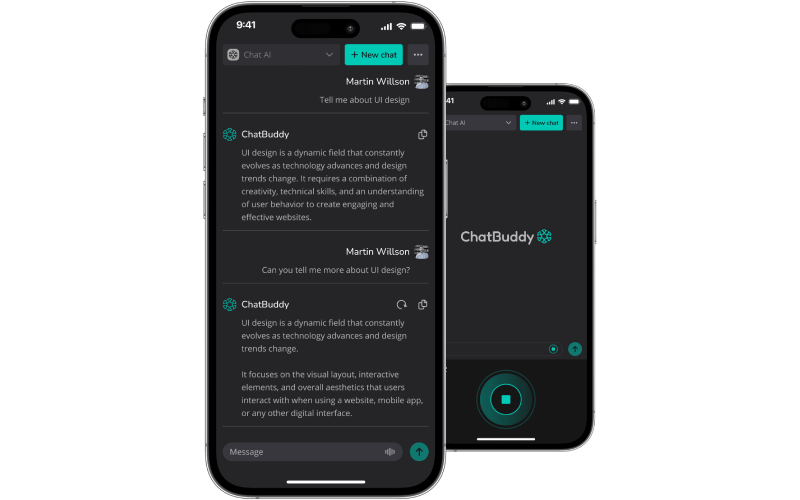
AI virtual assistant are software programs that use artificial intelligence technologies to perform tasks and provide services to users. They can understand natural language, learn from user interactions, and adapt to specific needs. These assistants play a vital role in simplifying our lives by automating routine tasks, providing personalized recommendations, and enhancing productivity. They are revolutionizing how we interact with technology and shaping the future of human-computer interaction.
Types Of AI Virtual Assistant
AI virtual assistants come in various forms, each tailored to specific needs. Personal virtual assistants, like Siri, Alexa, and Google Assistant, are designed to assist individuals with tasks like setting reminders, making calls, and searching the web. Business virtual assistants, such as chatbots, help automate customer service interactions and provide instant support. Intelligent virtual assistants are employed in specialized fields like healthcare, finance, and education, offering tAIlored assistance and expertise.
Components Of AI Virtual Assistant
The magic behind AI virtual assistants lies in their components. Natural Language Processing (NLP) enables them to understand and interpret human language, while Machine Learning algorithms allow them to learn and improve over time. Speech recognition technology enables voice-based interactions, while text-to-speech capabilities make them sound more human-like. Additionally, cloud computing infrastructure helps process vast amounts of data and deliver accurate responses in real time.
Benefits Of AI Virtual Assistant
The benefits of AI virtual assistants are manifold. Firstly, they save us time and effort by automating routine tasks, allowing us to focus on more important activities. They provide personalized recommendations based on our preferences, helping us discover new music, movies, and products. Virtual assistants also improve accessibility for individuals with disabilities, enabling them to interact with technology more easily. Moreover, they enhance productivity, boost efficiency, and streamline customer service processes.
Challenges Of AI Virtual Assistant
AI virtual assistants hold immense promise, yet they confront notable challenges. Privacy and security worries stem from the requisite data collection and processing. Maintaining precise and contextually fitting responses proves difficult, as these assistants must consistently evolve to user requirements. Also, there’s the peril of excessive dependence, potentially diminishing human interaction and vital thinking abilities. These challenges underscore the necessity for robust data protection measures, continual learning algorithms, and a balanced integration of AI to ensure a harmonious coexistence between technology and human intellect.
Examples Of Successful AI Virtual Assistants
We can find AI virtual assistants in our everyday lives. Siri, the virtual assistant on Apple devices, can send messages, schedule appointments, and provide recommendations. Amazon’s Alexa can control smart home devices, answer questions, and even order groceries. Google Assistant is capable of voice-based searches, making reservations, and providing personalized information. These virtual assistants have become essential companions for millions of users worldwide.
Future Implications Of AI Virtual Assistant
The future of AI virtual assistants is incredibly promising. As technology advances, we can expect more natural and human-like interactions. Virtual assistants will become more proactive, anticipating our needs and providing assistance before we even ask. They will integrate with various devices and platforms, creating a seamless and personalized user experience. Furthermore, AI virtual assistants will play a significant role in healthcare, education, and other sectors, revolutionizing the way we access information and services.
Conclusion
Embrace the boundless possibilities of AI virtual assistants! These remarkable creations are revolutionizing our daily lives and professional landscapes alike. Seamlessly transitioning from personal AIdes to indispensable business chatbots, they redefine how we engage with technology. With their capacity to swiftly streamline tasks, answer inquiries, and even predict needs, AI assistants pave the way for heightened efficiency and enriched interactions. This marks the onset of a thrilling era where these intelligent companions become an integral part of our routines. So, gear up for an exhilarating future, where AI virtual assistants stand ready to simplify complexities and amplify productivity in unprecedented ways.