

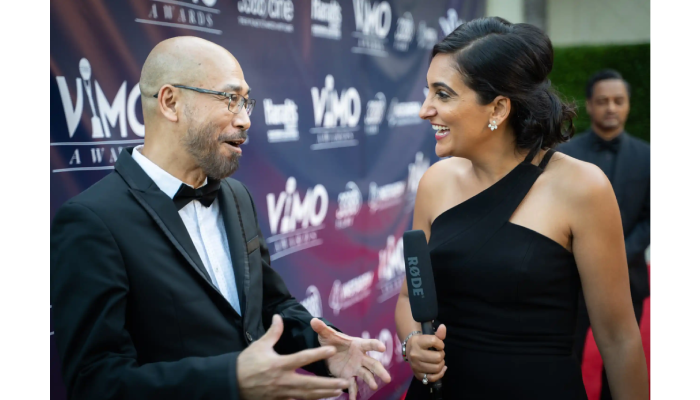
Being an MC can be a thrilling experience filled with challenges and opportunities. An effective MC guides the event, connects with the audience, and introduces speakers while keeping energy levels high. Key skills for this role include showmanship, improvisation, and a keen understanding of the audience’s mood. Preparation is vital; research the event details thoroughly and meet organizers to clarify expectations. On event day, arrive early to familiarize yourself with the venue and dress appropriately for the occasion. Maintain high energy during your presentation while engaging attendees through interaction. Finally, reflect on your performance afterward to improve for future events, this growth mindset will make you an even better MC.
1. Understanding the Role of an MC
An MC, or Master of Ceremonies, plays a crucial role in any event, setting the tone and pace right from the start. They create an inviting atmosphere that helps to put both the audience and speakers at ease. Acting as a bridge between these two groups, the MC ensures smooth transitions, making the event flow seamlessly. This requires a keen understanding of the event’s goals and objectives, allowing the MC to tailor their presentation accordingly.
In addition to managing the agenda and keeping track of time, an effective MC often shares personal anecdotes or jokes to make the event more relatable, adding a personal touch that resonates with the audience. They need to be adaptable, responding to the audience’s reactions and adjusting their approach as needed. By doing so, they create a sense of community among attendees, encouraging interaction and engagement throughout the event.
Moreover, an MC’s ability to summarize key points helps reinforce important messages for the audience, making the experience more impactful. Their presence can significantly influence how memorable the event feels, making it essential for an MC events to engage, entertain, and inform all at once. For example, introducing interactive segments like Q&A sessions not only involves the audience actively but also fosters a connection that enriches the overall experience.

2. Essential Skills for an Effective MC
To be an effective MC, you need a blend of skills that can truly elevate an event. Public speaking is at the forefront, as clear and confident communication helps engage the audience from the moment you step on stage. But it doesn’t stop there; time management is vital too. You must keep the event on track while allowing for some flexibility, ensuring everything flows smoothly.
Active listening is another key skill. By paying close attention to both speakers and the audience, you can respond in ways that resonate, making everyone feel valued. Building connections is essential, so networking with attendees and speakers ahead of time enhances engagement and creates a welcoming atmosphere.
The art of storytelling cannot be overlooked. Weaving in personal narratives or anecdotes can create a relatable bridge between you and the audience, making your message more impactful. You also need to be prepared for the unexpected; crisis management skills are crucial. Whether it’s a technical issue or a last-minute schedule change, handling these gracefully keeps the event on track.
Having charisma is essential too. A magnetic personality draws the audience in and keeps them interested throughout the event. Coupled with empathy, you can adjust your approach based on the audience’s reactions, ensuring your interactions are effective. Lastly, research skills are important for gathering insights about the event and speakers. This knowledge allows you to craft informed introductions that resonate. And above all, confidence is key. Projecting assurance helps instill trust and keeps the audience engaged. Embrace these skills, and you’ll be on your way to becoming a memorable MC.
3. Preparation Before the Event
Preparation is key to being a successful MC. Start with a thorough logistics check to confirm all event details, such as the venue, time, and setup requirements. This ensures you are fully aware of the environment you’ll be working in. Next, create a detailed script that outlines transitions, introductions, and potential audience interactions. This script will serve as your roadmap throughout the event. Practicing your script multiple times is crucial, as it helps you deliver smoothly and comfortably.
Connecting with speakers is another important step. Reach out to them for insights about their topics, ensuring you can introduce them accurately and confidently. Gather all necessary materials, like name tags, schedules, or promotional items, and keep them organized for easy access on event day.
Testing equipment is essential too. Before the event, check all tech tools such as microphones and projectors to avoid any hiccups. Always prepare for contingencies, like a speaker cancellation or sudden schedule changes, by having a backup plan ready.
Set personal goals for what you want to achieve as an MC; this will help you stay focused and motivated during the event. Visualizing your success can also boost your confidence, imagine yourself thriving in your role. Lastly, stay informed about any updates leading up to the event, as this knowledge will help you execute everything smoothly.
- Logistics Check: Confirm event details like venue, time, and setup requirements.
- Create a Detailed Script: Outline transitions, introductions, and potential audience interactions.
- Practice: Rehearse your script multiple times to ensure comfort and fluidity during delivery.
- Connect with Speakers: Reach out to speakers for insights on their topics, ensuring accurate introductions.
- Gather Materials: Collect any necessary items like name tags, schedules, or promotional items for easy access.
- Test Equipment: Check microphones, projectors, and any other tech tools needed for the event.
- Prepare for Contingencies: Have a plan for unexpected situations like a speaker cancellation or a sudden change in schedule.
- Set Personal Goals: Define what you want to achieve as an MC to keep focused during the event.
- Visualize Success: Imagine yourself succeeding in your role, enhancing your confidence and performance.
- Stay Informed: Keep up with any changes or updates leading up to the event for smooth execution.
4. Checklist for Event Day
On the day of the event, your checklist is your best friend. First, check in with the organizers to confirm your roles, schedules, and any last-minute changes. This ensures everyone is on the same page and ready to go. Next, conduct a sound check. Testing microphones and audio equipment is crucial for clear sound throughout the venue; you want your voice to reach every corner! Familiarize yourself with the venue layout. Knowing where key areas like restrooms, exits, and the stage are located will help you navigate smoothly.
Have emergency contacts ready. Keep the contact information for key organizers and technical support handy in case you need assistance. Staying hydrated is important too, but remember to strike a balance to avoid frequent trips off stage. Prepare a backup plan: having alternative activities or topics can save the day if delays occur. Review the agenda to stay on track and manage your time effectively, ensuring a smooth flow.
Engage with the technical staff. Building rapport with the AV and tech teams can facilitate smooth operations, making your job easier. Keep your notes handy; having your script and key points organized will allow for quick reference during the event. Lastly, stay positive and open-minded. Approach the day with enthusiasm and flexibility, ready to adapt to any changes that may come your way!
5. Tips During the Event
To create an unforgettable experience during the event, start by using body language to connect with your audience. Maintain an open posture and use gestures to emphasize key points. Keep an eye on the audience to gauge their engagement; if you notice signs of disinterest, adjust your approach to reignite their attention. Incorporating humor can lighten the mood, so use light-hearted jokes that fit the context naturally, enhancing the atmosphere without forcing laughter. Encourage participation by prompting the audience to ask questions or share their thoughts during interactive segments. Being authentic is crucial, show your personality and be yourself to foster a genuine connection with the audience. Utilize pauses effectively to let important points sink in, creating anticipation and allowing the audience time to reflect. Acknowledge audience members by recognizing individuals or groups, making them feel valued and included in the experience. Stay engaged with speakers by maintaining eye contact and nodding to show you are attentively listening. Monitor the time closely to ensure the event runs smoothly and on schedule. Finally, end each segment strongly, concluding with a memorable takeaway or call to action that leaves a lasting impression.
6. Handling Challenges
Handling challenges as an MC can turn a potentially stressful situation into a memorable experience for your audience. First and foremost, stay calm under pressure. Keeping a level head not only reassures your audience but also helps maintain the overall morale of the event. If you encounter an awkward moment, don’t shy away from using humor to diffuse tension. A light joke can turn an uncomfortable pause into a shared laugh, making the atmosphere much lighter.
It’s wise to have a backup host ready. In emergencies, knowing someone can step in saves the day and keeps the event on track. If something goes wrong, address it directly. Acknowledge the issue briefly, and then move on without dwelling on it, this keeps the focus on the positive aspects of the event.
During delays, engage the audience with games or thought-provoking questions. Keeping them entertained helps maintain their interest even when things are running behind schedule. Flexibility is key; be prepared to adjust the program as unexpected changes arise. If you’re feeling overwhelmed, don’t hesitate to seek help from event staff, they’re there to support you.
Another crucial point is to keep the energy up. Use music or interact with the audience to sustain enthusiasm during any lulls. When challenges arise, focus on the positive outcomes rather than the hiccups, redirecting attention to the event’s successes.
Finally, reflect and adapt after each event. Learning from the challenges you face will improve your skills for future MC opportunities. Each experience is a stepping stone to becoming an even better host.
7. Follow-Up After the Event
After the event wraps up, the journey doesn’t end there; it’s time for the follow-up, which is crucial for building lasting connections and enhancing your future MC endeavors. Start by sending thank-you notes to organizers, speakers, and participants. A simple gesture of gratitude can leave a positive impression and open doors for future opportunities. Next, gather feedback from attendees to gain insights into their experiences. This information is golden for understanding what worked and what could be improved.
Take a moment to review your performance. Reflecting on your strengths and areas for growth will make you a better MC for your next event. Additionally, update your portfolio with recordings or testimonials from this event, showcasing your skills to future clients. Don’t forget to connect on social media, especially platforms like LinkedIn. Engaging with attendees and speakers online can help foster valuable relationships.
Consider sharing insights about the event on your social media. Highlight key moments and lessons learned to not only showcase your experience but also to engage your network. A compiled report documenting the successes and challenges of the event can serve as a helpful reference for future endeavors. Keep track of strategies that worked well, as these will guide your planning for upcoming events.
Lastly, use this opportunity to network for future gigs. Identify potential collaborations and keep the lines of communication open with organizers for possible future engagements. Follow-ups are not just a formality; they are a powerful tool to solidify relationships and position yourself as a proactive professional in the MC landscape.
8. Additional Resources
To further develop your skills as an MC, there are numerous resources available that can help you refine your craft. Online courses on platforms like Coursera and Udemy can provide you with structured learning on public speaking and event management, giving you the foundational knowledge you need. Additionally, consider diving into books on emceeing, such as ‘The Art of Public Speaking’, which offers valuable insights into engaging an audience effectively.
Joining professional organizations, like the National Speakers Association, can be incredibly beneficial. These groups often provide networking opportunities and access to exclusive resources that can enhance your career. Participating in workshops is another great way to gain hands-on experience and learn from experienced professionals in a supportive environment.
Studying videos of well-known MCs can also be enlightening. By watching their techniques and styles, you can pick up tips that resonate with your own personality. Engaging with online communities through forums and social media groups focused on public speaking can provide you with ongoing support and advice from peers who share your passion.
In addition, following industry blogs that focus on event planning and emceeing can keep you updated on the latest trends. Seeking mentorship from experienced MCs can also be invaluable; their guidance can help you navigate challenges and grow your skills. Finally, practice makes perfect, so organizing mock events with friends or colleagues can help you build confidence and receive constructive feedback. Don’t forget to explore YouTube tutorials, as they are filled with practical tips and tricks for effective emceeing that can make a difference in your performance.
Frequently Asked Questions
What types of events can I organize as an MC?
You can organize a variety of events as an MC, including weddings, corporate functions, parties, and community gatherings, among others.
Do I need special skills to be a good MC?
Yes, being a good MC requires skills like public speaking, confidence, and the ability to engage with the audience, along with good organizational skills.
How do I prepare for being an MC at an event?
Preparation involves understanding the event details, knowing the audience, rehearsing your script, and making sure to connect with the venue team.
What equipment should I have as an MC?
Essential equipment includes a reliable microphone, a sound system if needed, and possibly a script or notes to help you stay on track.
How can I keep the audience engaged during the event?
You can keep the audience engaged by using humor, asking questions, involving them in activities, and being energetic and enthusiastic throughout the event.