

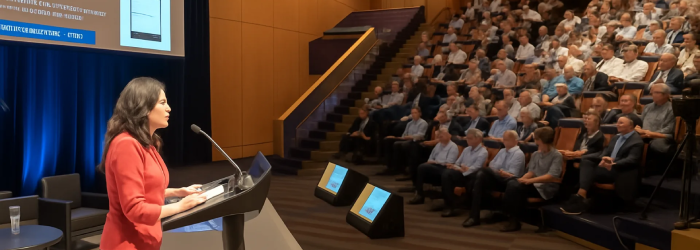
International news reporting is more than just gathering facts from around the globe—it’s the art of presenting stories that bridge cultures, inform the public, and shape global understanding. In today’s interconnected world, audiences expect timely, accurate, and balanced coverage of events happening thousands of miles away. Journalists who specialize in international reporting face the unique challenge of navigating cultural nuances, political sensitivities, and fast-paced developments while maintaining clarity and credibility.
In this article, we’ll explore what makes international news reporting effective, the essential skills required, and the ethical standards that guide reporters who bring the world to our screens.
Understanding the Importance of International News Reporting
International news reporting plays a vital role in informing people about global events that impact politics, economics, security, and culture. Without this type of reporting, communities might remain unaware of issues like humanitarian crises, environmental disasters, or breakthroughs in science and diplomacy.
It also fosters global awareness—helping people connect the dots between events in one country and their ripple effects across the world. For example, economic instability in one region can affect global markets, or political tensions can influence international security alliances.
In essence, international news reporting is not just about delivering facts—it’s about connecting people to the broader human story.
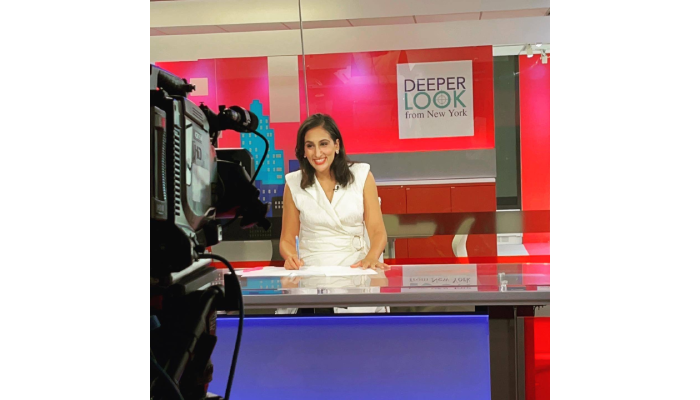
The Core Principles of Clarity in International News Reporting
When covering global stories, clarity is key. Audiences may not be familiar with a country’s political system, cultural traditions, or geographic location, so journalists must simplify complex topics without losing accuracy.
Key clarity-focused practices include:
- Explaining Context: Providing background information so readers understand why the event matters.
- Avoiding Jargon: Using language accessible to an international audience.
- Visual Aids: Incorporating maps, timelines, and infographics to illustrate complex issues.
Upholding Credibility in a Global News Environment
Credibility is the backbone of journalism—especially in the international arena where misinformation can spread rapidly. To maintain trust, reporters must adhere to:
- Verification of Sources: Cross-checking facts with multiple credible sources.
- Balanced Coverage: Presenting all sides of the story fairly.
- Transparency: Being clear about what is known, unknown, and still developing.
The Role of Cultural Sensitivity in Global Journalism
International stories often involve cultures vastly different from those of the audience. Cultural sensitivity means respecting traditions, avoiding stereotypes, and acknowledging perspectives from within the community being reported on.
For example:
- When reporting on religious events, understanding local customs helps avoid misinterpretation.
- When covering political unrest, avoiding biased labels ensures balanced representation.
Skills Every International News Reporter Must Master
To succeed in international news reporting, journalists need a blend of technical and interpersonal skills:
- Research Skills – Understanding the historical, political, and cultural background of a story.
- Multilingual Abilities – Communicating in local languages or working effectively with translators.
- Adaptability – Handling unexpected developments, from breaking news to sudden changes in travel plans.
- Digital Literacy – Using social media monitoring tools and data verification methods.
- Networking – Building reliable contacts across different countries for firsthand information.
The Impact of Technology on International News Reporting
Technology has transformed how journalists gather and deliver global stories. Satellite communications, live-streaming, drones, and instant messaging platforms make it possible to report breaking news in real time.
Key technological advancements include:
- Social Media Monitoring – Tracking global conversations and identifying emerging stories.
- Data Journalism – Using statistical analysis to explain complex trends.
- Mobile Reporting Tools – Allowing reporters to shoot, edit, and publish stories from anywhere.
Challenges Faced by International News Reporters
International correspondents often work in unpredictable and sometimes dangerous environments. Challenges include:
- Political Restrictions – Censorship or limitations on foreign press.
- Safety Risks – Conflict zones, natural disasters, or unstable regions.
- Access Limitations – Difficulty in reaching certain areas or interviewing key sources.
- Time Zone Coordination – Balancing deadlines across global regions.
The Future of International News Reporting
The future of international news reporting is shaped by two major forces: technology and audience expectations. With the rise of digital platforms, audiences can access diverse perspectives instantly. This creates opportunities for independent journalists and smaller media outlets to compete with major networks.
Trends likely to shape the future include:
- Greater Collaboration – Partnerships between journalists in different countries.
- Increased Use of AI – For translation, data analysis, and even content creation (with human oversight).
- More Solutions-Focused Reporting – Highlighting how global problems are being addressed, not just the problems themselves.
Conclusion
International news reporting is a vital bridge between nations, cultures, and communities. By prioritizing clarity, maintaining credibility, and respecting cultural contexts, journalists can ensure that their work informs and inspires audiences worldwide. The role of an international news reporter is not only to relay facts but to weave them into narratives that foster understanding, empathy, and global awareness. In a time when the world is more connected than ever—and misinformation is just a click away—trusted, well-researched, and ethically sound journalism has never been more essential. Mastering the craft of international news reporting is, ultimately, mastering the art of telling the world’s stories with truth and integrity.