

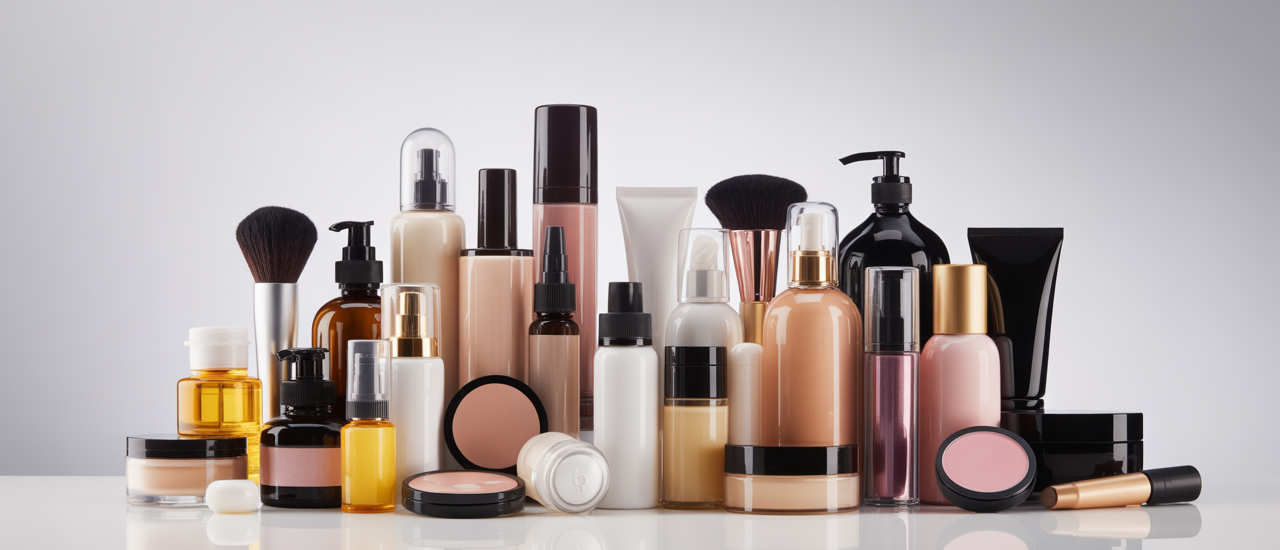
Are you dreaming of entering the vibrant beauty industry? Do you want to distribute popular products or your own unique line to retailers and salons? Starting a cosmetics wholesale business offers a fantastic opportunity. It lets you become a key link between manufacturers and consumers.This guide will walk you through everything you need to know. We will cover market trends, finding reliable suppliers, and the crucial regulatory steps. You’ll learn how to launch and grow a successful cosmetics wholesale venture.

What is Cosmetics Wholesale?
Cosmetics wholesale involves buying beauty products in large quantities directly from manufacturers or master distributors. Then, you sell these products to other businesses. These businesses might be retail stores, beauty salons, spas, or online sellers. You act as a middleman, helping products reach a wider market.
The beauty industry is always growing. This makes the wholesale model an appealing business choice. It allows you to operate with less direct customer interaction than retail, focusing on business-to-business (B2B) relationships.
Why Enter the Cosmetics Wholesale Market?
There are many good reasons to consider starting a business in this sector. The global beauty market is expanding rapidly. This creates plenty of space for new wholesale distributors.
High Profit Potential in the Beauty Sector
Wholesale businesses often benefit from economies of scale. You buy products at a lower price per unit due to large orders. This allows for healthy profit margins when you sell to retailers. The demand for beauty products remains strong, even in changing economic times.
Scalability and Market Reach
This wholesale model helps products reach many different points of sale. You can distribute to multiple retailers, expanding market presence quickly. This is often more efficient than trying to open many retail stores yourself. It reduces your direct retail overheads and staffing needs.
Meeting Growing Demand for Diverse Beauty Products
Consumers today look for a wide range of beauty products. This includes natural, organic, ethical, and niche brands. As a wholesaler, you can specialize in these areas. You can also offer a diverse portfolio to meet various customer needs. This flexibility makes your business more robust.
Required Documents & Prerequisites for Your Cosmetics Wholesale Venture
Starting any business needs proper paperwork. For cosmetics, there are extra layers of regulation. Getting these right from the start protects your business and your customers.
Essential Business Registrations and Licenses
First, you need to officially register your business. This could be as a Sole Proprietorship, Partnership, Limited Liability Company (LLC), or Corporation. You will also need a federal tax ID (like an EIN in the USA). Don’t forget local business licenses and sales tax permits. These are standard for any new business.
Navigating Cosmetics-Specific Regulatory Compliance
This is where this business becomes specialized. Beauty products are regulated to ensure consumer safety. Rules vary by region, but they are all critical.
- FDA Regulations (for USA): The U.S. Food and Drug Administration sets rules for cosmetics. Products must be safe when used as directed. They also need proper labeling. Certain ingredients might be restricted. If you manufacture or repackage, Good Manufacturing Practices (GMP) are important.
- EU Cosmetics Regulation (for Europe): The European Union has strict rules, too. Every cosmetic product needs a Product Information File (PIF). There must be a Responsible Person (RP) in the EU. Products also need to be notified to the Cosmetic Products Notification Portal (CPNP) before going on sale.
- Other Regions: Countries like Canada (Health Canada) and Australia (TGA) have their own sets of rules. It’s vital to research and comply with regulations for every market you plan to serve.
Supplier Agreements and Insurance
You will need formal agreements with your suppliers. These should cover pricing, delivery terms, quality control, and return policies. Also, investing in product liability insurance is very important. This protects your business if a product causes harm to a consumer.
Validity: Keeping Your Cosmetics Wholesale Business Compliant
Compliance is not a one-time task. It’s an ongoing commitment. You must keep your licenses and registrations up to date.
Understanding License & Permit Renewal Cycles
Most business licenses and permits have expiration dates. They might need renewal annually or every few years. Keep track of these dates to avoid any interruptions to your business. Lapsed licenses can lead to fines or even business closure.
Ongoing Regulatory Monitoring and Updates
Cosmetics regulations can change. New ingredients might be restricted. Labeling rules can be updated. You must stay informed about these changes. Regularly reviewing guidelines from the FDA, EU, or other relevant bodies is crucial. This ensures your products always meet the latest safety standards.
Process/Step-by-Step Procedure: Launching Your Cosmetics Wholesale Business
Starting a cosmetics wholesale business follows a clear path. Each step is important for building a strong foundation.
Step 1: Market Research and Niche Identification
Before you buy anything, understand your market. Who are your target customers (retailers, salons)? What kinds of products do they need? Look into trends like clean beauty or specific skincare solutions. Find a niche where you can stand out. This research helps you choose the right products for your cosmetics wholesale inventory.
Step 2: Crafting Your Business Plan & Legal Structure
A solid business plan acts as your roadmap. It should detail your goals, strategies, and financial projections. Decide on your legal structure, such as an LLC or a partnership. This choice affects your taxes and liability. Consider getting business insurance tips to protect your investment.
Step 3: Sourcing Reliable Cosmetics Wholesale Suppliers
Finding good suppliers is key. Look for manufacturers or distributors with a strong reputation for quality. Ask about their certifications, testing processes, and minimum order quantities (MOQs). Vetting suppliers carefully ensures you get safe and effective products. Ask for samples and check references.
Step 4: Ensuring Regulatory Compliance & Documentation
This step is non-negotiable. Gather all necessary documents, from business permits to product safety assessments. For international trade, understand import/export regulations. Regulatory experts can help you manage this complex part of the business. They can ensure your products meet all legal requirements.
Step 5: Logistics, Storage & Inventory Management
You need a plan for storing and shipping your products. Cosmetics often require specific storage conditions, like temperature control. Good inventory management prevents waste and ensures you always have popular items in stock. Efficient logistics mean faster deliveries and happier customers.
Step 6: Marketing and Sales Strategies for Wholesale Clients
Selling to businesses is different from selling to consumers. You need a B2B marketing strategy. Attend trade shows, build a professional website, and create strong sales pitches. Focus on how your products can help your clients’ businesses succeed. Learn how to build an effective marketing strategy for your wholesale outreach.
Step 7: Launch, Growth & Scaling Your Operation
After all the preparation, it’s time to launch. Start small, gather feedback, and adjust your strategies. As you grow, consider expanding your product lines or entering new markets. Scaling up means optimizing your processes and continually seeking new opportunities.
Common Mistakes to Avoid in Cosmetics Wholesale
Even with careful planning, mistakes can happen. Knowing what to watch out for can save you time and money.
Neglecting Regulatory Compliance from Day One
This is perhaps the biggest pitfall. Ignoring FDA, EU, or local rules can lead to serious legal issues. It can also damage your reputation and cost you a lot in fines or product recalls.
Poor Supplier Vetting and Quality Control
Choosing the wrong supplier can lead to low-quality or even unsafe products. This puts your business and customers at risk. Always verify supplier credentials and product testing.
Inadequate Inventory Management
Having too much stock can tie up your money and lead to products expiring. Not having enough stock means missed sales and unhappy customers. Find a good balance for your inventory.
Overlooking Product Liability Insurance
If a product you distribute causes harm, you could be held responsible. Product liability insurance is a critical safety net. Do not skip this important protection.
Failing to Understand Your Target Market
Selling products that your target retailers or salons don’t need or want will lead to slow sales. Continually research and adapt to market demands.
What Happens If You Ignore It: Risks & Consequences
Cutting corners in the cosmetics industry has serious repercussions. These consequences can be costly and hard to overcome.
Legal Penalties, Fines, and Business Suspension
Regulatory bodies can impose heavy fines for non-compliance. They can also force you to stop selling products. In severe cases, your business could be shut down permanently. This affects your livelihood and future business opportunities.
Product Recalls and Brand Reputation Damage
If a product is found to be unsafe, you’ll face a recall. This is expensive and destroys consumer trust. Rebuilding a damaged brand reputation takes a very long time and significant effort.
Financial Losses and Business Failure
All these issues fines, recalls, lost sales can quickly lead to financial ruin. The cost of preventing problems through proper compliance is always less than the cost of dealing with them afterward.
The Cost Involved: A Breakdown for Starting Your Cosmetics Wholesale Business
Understanding the financial outlay is crucial. Costs can vary significantly based on your scale and location.
Initial Startup Costs
These include business registration fees, legal advice, and possibly market research tools. You might also need a professional website or e-commerce platform for your B2B sales.
Inventory & Product Sourcing Costs
Your largest expense will likely be the initial purchase of products. Manufacturers often require minimum order quantities (MOQs). Factor in these bulk purchase costs.
Regulatory & Compliance Fees
This covers fees for product testing, certifications, and any facility registrations. These costs are essential for ensuring your products are legal and safe to sell.
Operational Expenses
Don’t forget ongoing costs like warehouse rent, shipping and logistics fees, and insurance premiums. Marketing and sales efforts also require a budget. Depending on your scale, initial startup costs could range from a few thousand to tens of thousands of dollars or more.
Conclusion: Your Journey to a Thriving Cosmetics Wholesale Business Starts Now
Starting a cosmetics wholesale business is an exciting venture. It offers great potential for growth and profitability. Success hinges on careful planning, strong supplier relationships, and unwavering commitment to regulatory compliance.
By following the steps in this guide, you can confidently navigate the challenges. You can build a reputable and successful business. Focus on product safety, quality, and legal adherence, and your business will thrive.
Ready to launch your cosmetics wholesale venture without the regulatory headache? Contact our experts for guidance and support. We can help you ensure every step of your journey is compliant and secure.
Frequently Asked Questions
Q1: What licenses do I need to start a cosmetics wholesale business?
A1: You will need general business licenses and sales tax permits. Crucially, you’ll also need to comply with cosmetics-specific regulations, such as FDA registration in the USA or EU CPNP notification in Europe. Requirements depend on your location and target markets.
Q2: How much does it cost to start a cosmetics wholesale business?
A2: Startup costs vary widely, typically ranging from a few thousand to tens of thousands of dollars. This covers business registration, initial inventory, regulatory fees, insurance, and operational expenses. Your scale and product choices will impact the total cost.
Q3: Is a cosmetics wholesale business profitable?
A3: Yes, the cosmetics wholesale market can be very profitable. There is consistent consumer demand for beauty products. Buying in bulk allows for higher profit margins compared to traditional retail. Careful market research and efficient operations boost profitability.
Q4: How do I find reliable cosmetics wholesale suppliers?
A4: To find reliable suppliers, research industry trade shows, B2B platforms, and direct manufacturer websites. Always conduct thorough vetting. Check for quality certifications, ethical practices, and their adherence to regulatory standards for cosmetics.