

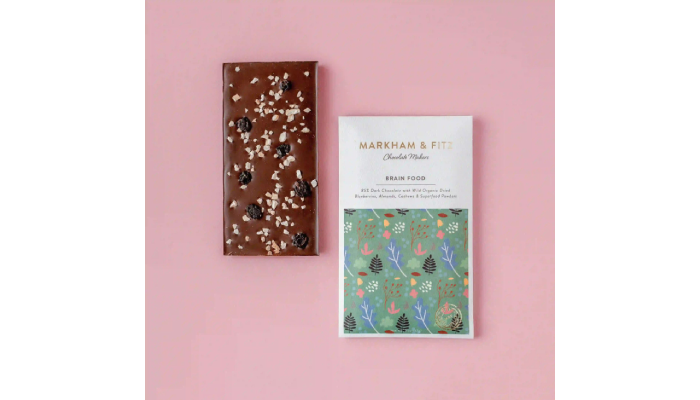
When searching for a quality chocolate bar, start by examining the ingredient list. A good bar should have only a few ingredients, ideally featuring cacao at the top. Avoid those with lots of additives, as they often indicate lower quality. Pay attention to the cacao percentage too; higher percentages can lead to bolder flavors, but personal preference plays a big role in what you’ll enjoy. Next, consider where the cacao is sourced from because different regions impart unique flavor profiles. Finally, don’t forget about texture, look for smoothness and a clean snap when breaking the bar. Happy hunting!
Understand Cacao Percentage for Flavor
Cacao percentage is a key player in your chocolate experience, influencing both flavor and quality. Bars with a cacao content of 60% to 70% often hit a sweet spot, delivering a rich depth without overwhelming bitterness. Yet, as you explore higher percentages, you may find that the chocolate becomes more intense and even bitter, a characteristic some best chocolate bars enthusiasts truly savor. Keep in mind that different brands may interpret cacao percentages differently, meaning that a 70% bar from one maker might taste entirely different from another.
To pinpoint what you enjoy, consider conducting taste tests with various cacao percentages. Jot down your thoughts to remember which bars stood out. Also, remember that cacao percentage isn’t everything; cocoa butter content plays a significant role in mouthfeel and richness. For instance, milk chocolate usually contains 10% to 50% cacao, resulting in a creamier and sweeter profile.
If you’re feeling adventurous, try pairing chocolates with different foods or drinks to see how flavors shift with varying cacao levels. Look for tasting notes on the packaging as they can give you insights into what to expect based on the cacao percentage. Plus, higher cacao content often means more antioxidants, offering additional health perks. Embracing the world of cacao percentages can lead to delightful discoveries and enhance your chocolate-shopping adventures.
Explore Cacao Origin for Distinct Taste
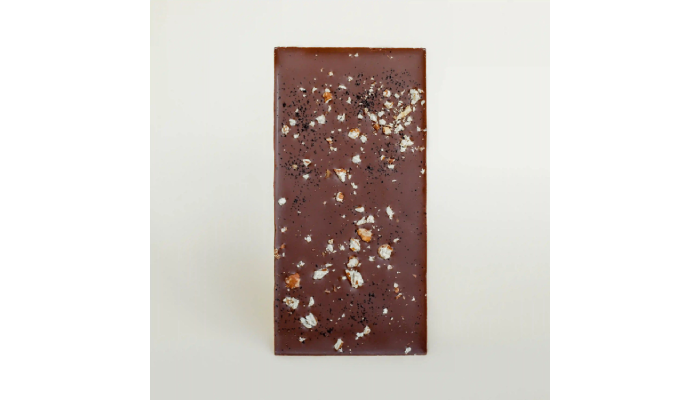
The origin of cacao beans plays a crucial role in determining the flavor of chocolate. Different climates and soil conditions, known as terroir, shape the taste profile of the beans. For example, cacao from Ecuador often has fruity notes, while Venezuelan beans tend to be more nutty. When shopping for chocolate, look for single-origin bars to truly appreciate the unique characteristics of cacao from specific regions. It’s fascinating to learn how fermentation impacts flavor; properly fermented beans can develop complex and rich flavors that elevate your chocolate experience.
Additionally, processing methods vary by country and can significantly influence the final taste. Did you know that cacao grown at higher altitudes often yields beans with more acidity? This can add an interesting dimension to the flavor. For a fun tasting experience, try sampling bars from various origins side by side. You might be surprised by the distinct differences in flavor profiles. Brands that share stories about their cacao sources can provide valuable insights into cultivation practices, making your selection even more meaningful.
To deepen your understanding, read reviews or expert opinions that highlight the flavors commonly associated with specific origins. Keep an open mind; cacao can surprise you with its diversity, revealing unexpected flavors that make each chocolate bar a delightful adventure.
- Investigate how climate and soil conditions (terroir) shape the flavor of cacao beans.
- Different regions produce unique flavors; for example, Ecuadorian beans may be fruity while Venezuelan beans can be nutty.
- Seek out single-origin chocolates to experience the distinct characteristics of cacao from specific areas.
- Learn about the impact of fermentation on flavor; properly fermented beans develop more complex flavors.
- Pay attention to the processing methods in different countries, as they can influence the final taste.
- Discover how the altitude at which cacao is grown can affect flavor; higher altitudes often produce beans with more acidity.
- Taste bars from various origins side by side to appreciate the differences in flavor profiles.
- Look for brands that share stories about their cacao sources, providing insight into the cultivation practices.
- Read reviews or expert opinions on specific origins to understand what flavors are commonly associated with them.
- Keep an open mind to unexpected flavors, as cacao can surprise you with its diversity.
Inspect Texture and Appearance Carefully
When choosing a quality chocolate bar, the texture and appearance play a significant role. Start by checking for a smooth, shiny surface; this glossy finish indicates that the chocolate has been properly tempered and crafted with care. Next, look for consistent color throughout the bar. Uneven coloring can suggest poor quality or inferior manufacturing practices.
Don’t forget to give the chocolate a gentle tap; a clean snap sound is a sign of good tempering, while a dull thud may indicate a lack of quality. As you hold the bar, feel its surface. Quality chocolate should be smooth to the touch, never waxy or greasy.
Pay attention to the size and shape of the pieces as well. Uniform pieces can hint at careful production practices. Be on the lookout for bloom, which appears as white streaks or spots on the chocolate. This often results from temperature changes during storage and can negatively impact flavor.
Mouthfeel is another vital element; quality chocolate should melt smoothly in your mouth without any gritty texture. You might want to taste the chocolate at different temperatures, as cooler chocolate feels firmer while warmer chocolate melts more readily. If you’re able, cut or break the bar to observe the interior. High-quality chocolate should have a consistent texture from edge to edge.
Remember, while appearance matters, it can also be subjective. Trust your own taste and texture experience more than just looks.
Learn About the Manufacturing Process
Understanding how chocolate is made can significantly enhance your chocolate selection skills. Start by exploring the bean-to-bar process, which highlights the journey of cacao beans from their source to the final product. Brands that control every step of this process often prioritize quality, ensuring that only the best beans are used. Another critical phase is conching, where the chocolate is aerated and unwanted flavors are removed. A longer conching time typically results in a smoother texture and richer flavor, making it a key indicator of quality.
Next, get familiar with the roasting process, as different temperatures and times can drastically alter the flavor profile of the chocolate. For instance, a light roast may preserve fruity notes, while a dark roast could enhance bitterness. Look for brands that detail their processing methods, as artisanal techniques often lead to superior taste. Proper tempering is essential too; it gives chocolate its pleasant snap and shiny appearance, both signs of quality craftsmanship.
Blending different cacao beans can also create a balanced flavor profile, so keep an eye out for brands that highlight their unique blends. Don’t overlook the importance of fermentation, as it plays a crucial role in developing the chocolate’s final taste. Additionally, consider how chocolate is stored before it hits the shelves, since improper storage can compromise quality. Some chocolatiers even use innovative techniques like aging or flavor infusions to elevate their chocolate. Lastly, be mindful of the environmental impact of the manufacturing process; brands that focus on eco-friendly practices often deliver higher quality products.
Consider Health Benefits of Dark Chocolate
Dark chocolate isn’t just a treat; it’s packed with health benefits that can boost your well-being. First off, it’s rich in antioxidants, which are great for heart health. When you’re browsing the chocolate aisle, look for bars with higher cacao content, as this means more flavonoids that support cardiovascular function. Additionally, be mindful of the sugar content, choosing chocolate with lower sugar levels allows you to enjoy the benefits without sacrificing taste.
Moreover, dark chocolate can be a mood booster! It contains compounds like phenylethylamine that may lift your spirits. Plus, research suggests that it might enhance brain function by improving blood flow. Keep in mind, though, that portion size matters; even the healthiest chocolate should be enjoyed in moderation for the best results.
When selecting a bar, check if the packaging highlights the health benefits; this indicates that the brand is quality-focused. Dark chocolate is also a good source of essential minerals like iron, magnesium, and zinc. If you’re feeling adventurous, consider bars with added ingredients like nuts or fruits, which can add even more nutritional value. Lastly, remember that not all chocolates labeled as “dark” meet health standards, so always read the labels to ensure you’re making a smart choice.
Look for Ethics and Sustainability Certifications
When shopping for chocolate bars, keep an eye out for ethics and sustainability certifications like Fair Trade, Rainforest Alliance, and organic labels. These certifications indicate a brand’s commitment to ethical sourcing and fair compensation for farmers. Research the brands you’re interested in; those that prioritize transparency often share detailed stories about their supply chains and the farmers who grow their cacao. Such stories can reveal how sustainable practices positively impact local communities and the environment.
Look for brands that actively work to improve farmers’ livelihoods through fair pay. Not only does this support the people behind your favorite treat, but it can also lead to better-quality cacao, which might enhance the flavor of the chocolate. The biodiversity in cacao farming is crucial, too; it contributes to sustainable practices that preserve ecosystems.
Additionally, check for third-party certifications, as these lend credibility to a brand’s claims about ethics and sustainability. Some brands even invest in community projects that further aid the farmers who produce their cacao. However, be cautious of marketing buzzwords that may not reflect genuine practices. A little research can go a long way in ensuring your chocolate choices are both delicious and responsible.
Engage Your Senses for a Full Experience
Take your chocolate tasting to the next level by engaging all your senses. Start by inhaling the aroma of the chocolate before you even take a bite. The scent can hint at the flavors you will soon enjoy. When you do taste it, take small bites and let the chocolate melt slowly in your mouth, this allows you to fully appreciate the range of flavors, from sweet to bitter. Notice how the sweetness balances with any bitterness; this can help you understand what you like best. Don’t forget to pay attention to the finish, the way the flavors linger after swallowing can be a sign of quality. For an even richer experience, try pairing chocolate with nuts or fruits, which can enhance the tasting notes. Consider using a flavor wheel to identify specific notes you might overlook. Additionally, experiment with tasting chocolate at different temperatures, as this can significantly affect the flavor profile. Sharing your tasting experience with friends or family can also be enlightening; comparing notes might lead you to discover new favorites. Keeping a chocolate journal to document your sensory experiences and preferences can help refine your palate over time. Finally, elevate your tasting by pairing chocolate with beverages like wine or coffee, which can create an exciting interplay of flavors.
Experiment with Different Chocolate Types
Exploring different types of chocolate can be a delightful adventure. Start by trying dark, milk, and white chocolate to discover the unique differences in taste, texture, and sweetness. You might find that dark chocolate’s rich, intense flavor appeals to you more than the creaminess of milk chocolate, or perhaps you enjoy the sweetness of white chocolate. Don’t hesitate to venture into flavored chocolates, too; combinations with spices, fruits, or nuts can create exciting surprises for your taste buds. Sampling chocolates from various brands allows you to compare quality and flavor profiles, helping you find your favorites.
Consider vegan chocolate options, which use unique ingredients like coconut or almond milk, offering a different experience altogether. Artisan chocolates often come with unconventional ingredients or techniques, giving you a taste of creativity wrapped in a bar. To truly expand your palate, attend chocolate tasting events where you can learn from industry experts and enjoy a variety of chocolates side by side.
If you love baking, experimenting with different types of baking chocolate can significantly alter the flavors of your treats, making them even more special. Additionally, chocolate bars infused with spices can enhance the overall flavor profile, adding depth to your experience. Don’t forget to keep an eye out for limited-edition or seasonal chocolates, which can provide a fun twist on your usual favorites. Finally, remain open to exploring new textures, whether you prefer crunchy or creamy chocolates, to find what truly delights you.
Seek Expert Recommendations for Guidance
Finding quality chocolate can sometimes feel overwhelming, but expert recommendations can truly guide you. Start by following chocolate blogs or social media accounts that highlight the latest trends and reviews. This way, you stay updated and discover new favorites! Joining chocolate tasting clubs or groups connects you with fellow enthusiasts who share their insights and experiences. Don’t hesitate to consult chocolate experts or sommeliers, as they can provide tailored advice based on your specific taste preferences.
Attending workshops or classes can deepen your knowledge of chocolate, allowing you to appreciate the subtleties even more. Reading reviews from trusted sources helps you avoid poor-quality bars and can point you toward hidden gems. Also, keep an eye out for chocolate awards or recognitions, which often spotlight brands committed to quality.
When visiting specialty chocolate shops, ask the staff for recommendations; they usually have valuable insights. Networking with chocolate makers at local fairs or festivals offers a unique opportunity to learn directly from the source. Finally, consider joining online forums or communities where chocolate lovers share their discoveries and insights. Engaging with experts and fellow chocolate lovers elevates your chocolate shopping experience!
Frequently Asked Questions
What should I look for on a chocolate bar’s ingredients list?
Check for high-quality ingredients, like cocoa mass or cocoa liquor, rather than just chocolate liquor or sugar. It’s better if the chocolate contains minimal additives.
How can I tell if a chocolate bar is dark or milk chocolate?
Look at the packaging: dark chocolate usually has a higher percentage of cocoa, often 70% or more, while milk chocolate is lighter and has more milk solids added.
What does it mean if a chocolate bar is labeled as ‘artisan’?
‘Artisan’ means it’s made by hand in small batches, focusing on quality and taste, rather than being mass-produced.
Why is the texture of the chocolate bar important?
A smooth and creamy texture often indicates high quality. Chocolate bars should feel silky in your mouth and break cleanly.
What role does the chocolate’s packaging play in its quality?
Quality chocolate is often wrapped in foil or sealed packaging to protect it from light and air, preserving freshness and flavor.