

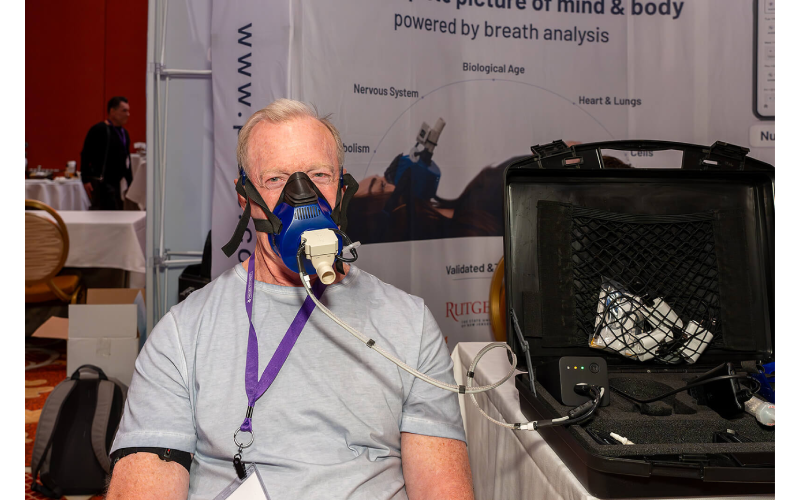
When presenting your research at a regenerative medicine conference, it’s key to understand who’s in the audience. This group might include scientists, clinicians, and industry professionals. So it helps to adjust your content based on their expertise. Start with a compelling opening—maybe an intriguing fact or story—to draw them in. Structure your presentation clearly: Introduction, Methods, Results, Discussion, and Conclusion—keep it concise! Utilize visuals like images and graphs for clarity. After rehearsing multiple times, engage the audience by inviting questions or using polls; this interaction can spark deeper discussions around your work. Always be aware of time limits and follow any specific guidelines set by the conference organizers for a smooth experience.
1. Know Who You’re Speaking To
Understanding your audience is crucial when presenting at a regenerative medicine conference. You will encounter a diverse group of attendees, including scientists, clinicians, and industry professionals, each bringing their own level of expertise and interest. For instance, if your audience consists mainly of clinicians, focus on the practical applications of your research and its impact on patient care. On the other hand, if you are addressing a group of researchers, delve deeper into the methodologies and findings. Tailoring your presentation to their background not only enhances engagement but also ensures that your message resonates. A well-informed audience can lead to more meaningful discussions and connections.

2. Create a Compelling Story
To truly captivate your audience at a regenerative medicine conference, it’s essential to weave your research into a compelling narrative. Start your presentation with an engaging hook—this could be an intriguing statistic, a thought-provoking question, or a personal anecdote that connects you to the topic. For instance, you might share a brief story about a patient whose life was changed due to advancements in regenerative therapies.
Clearly outline the problem your research tackles, emphasizing its relevance in the field. Use relatable language to ensure that everyone, from seasoned scientists to industry newcomers, can grasp the significance of your work. By framing your research as part of a broader story, you create a context that not only informs but also resonates with your audience. This approach transforms mere data into a narrative that inspires and engages, making your findings memorable and impactful.
3. Organize Your Content Logically
A well-structured presentation is key to ensuring your research is understood and appreciated. Start with a clear introduction that outlines what you will cover. This sets the stage for your audience. Follow a logical progression: explain your methods next, showing how you gathered and analyzed your data. Then move on to your results, highlighting the most significant findings. Finally, wrap up with a discussion that connects your results back to the initial problem and offers conclusions.
Keep each section concise to maintain the audience’s attention. For example, when discussing your methods, focus on the most innovative or unusual aspects that may intrigue your listeners. Avoid overwhelming them with excessive details that can detract from your main points. By organizing your content this way, you create a narrative flow that is easy to follow, making it more likely that your audience will grasp the importance of your work in the field of regenerative medicine.
4. Use Visuals to Enhance Understanding
Visual aids can make a significant difference in how your research is received at a regenerative medicine conference. High-quality images, diagrams, and graphs help clarify complex concepts and provide a visual representation of your findings. For instance, a well-designed chart can illustrate trends in your data more effectively than words alone. When choosing visuals, ensure that text is legible and that graphs are straightforward to interpret. Avoid clutter; each visual should have a clear purpose and directly support your key points. Additionally, consider using infographics to summarize important information or to depict processes in a digestible format. This not only engages the audience but also aids in their understanding, making your presentation more memorable.
5. Practice for a Smooth Delivery
Practicing your presentation is essential for a smooth delivery. Start by rehearsing multiple times, focusing on your timing and how you convey your message. You might find it helpful to practice in front of colleagues or mentors who can provide constructive feedback. This will not only boost your confidence but also help you identify areas that may need improvement.
Consider recording your practice sessions. Watching yourself can reveal aspects of your delivery that you might want to adjust, such as your pacing, body language, or tone. Aim to make your presentation feel natural and engaging.
In addition to practicing your content, work on transitions between sections to ensure they flow seamlessly. This will help keep your audience engaged and allow them to follow your narrative easily. Remember, the goal is to communicate your research clearly while connecting with your audience.
6. Foster Audience Interaction
Engaging with your audience can turn a good presentation into a memorable one. Make sure to encourage questions during or after your talk. This not only clarifies doubts but also allows for deeper discussions. Consider incorporating interactive elements like live polls to gauge audience opinions or knowledge on specific topics related to your research. For example, you might ask attendees to vote on which aspect of regenerative medicine they find most challenging. This kind of interaction fosters a sense of community and involvement, making your session more dynamic. Additionally, be open to comments and insights from the audience; their perspectives can enrich the conversation and may even lead to collaborative ideas. Remember, the goal is to create a dialogue that enhances understanding and keeps the audience invested in your research.
- Ask open-ended questions to encourage discussion
- Incorporate audience polls or surveys during your talk
- Use breakout sessions for smaller group interactions
- Foster a Q&A segment to clarify doubts
- Invite audience members to share their own experiences
- Encourage feedback and suggestions throughout the presentation
- Utilize social media tools for broader engagement
7. Prepare for Possible Questions
Thinking ahead about the questions your audience might ask is key to a successful presentation. Consider the main points of your research and the potential areas of interest or confusion. For instance, if your study involves a novel therapeutic approach, audience members may want to know about its mechanisms of action, safety profile, or comparisons to existing treatments. Prepare clear, concise answers to these anticipated questions.
It’s also wise to familiarize yourself with current trends and debates in regenerative medicine related to your topic. This knowledge will not only help you answer questions but also allow you to engage in deeper discussions if prompted. If someone asks about recent findings in related areas, being informed can demonstrate your expertise and enthusiasm for the field.
Furthermore, consider forming a small group of peers or mentors to conduct a mock Q&A session before the conference. This practice can help you gain confidence in addressing difficult questions and refine your responses. Remember, the goal is not just to answer questions but to foster a dialogue that enhances understanding and connection with your audience.
8. Manage Your Presentation Time
Managing your presentation time is crucial for a successful delivery. Start by knowing how long your allotted time is and plan your content accordingly. A good rule of thumb is to allocate a specific amount of time to each section of your presentation. For instance, if you have a 15-minute slot, you might spend 3 minutes on the introduction, 5 minutes on methods and results, and 5 minutes on discussion and conclusion, leaving 2 minutes for questions. Practicing your presentation multiple times will help you gauge how long it takes and adjust as needed. Make sure to keep an eye on the clock during your talk; you could even use a timer to help you stay on track. If you find yourself running out of time, prioritize key points and be prepared to skip less important details. This ensures that you deliver a complete and coherent message while also allowing time for audience interaction, which is often the most valuable part of the experience.
9. Follow the Conference Rules
Every conference has its own set of rules and guidelines that presenters must follow. Start by reviewing the conference materials thoroughly, as these often contain important details about presentation formats, time limits, and specific topics that may be encouraged or discouraged. For instance, some conferences may require a certain style of slides or have restrictions on content, such as avoiding proprietary data.
Adhering to these rules not only demonstrates professionalism but also helps you avoid any potential issues that could arise from non-compliance. If the conference has a code of conduct, familiarize yourself with it to ensure your interactions with attendees, fellow presenters, and organizers are respectful and appropriate.
Additionally, be prepared to submit any necessary materials, such as abstracts or presentation slides, by the deadlines set by the organizers. This shows your commitment to the conference and helps maintain its integrity. Ignoring these guidelines can lead to confusion and detract from the overall experience, both for you and your audience.
10. Network with Attendees
Networking at a regenerative medicine conference can significantly enhance your professional journey. Start by introducing yourself to fellow attendees during breaks or at social events. Engage in conversations about shared interests, whether it’s specific research topics or industry trends. For example, if someone mentions a recent breakthrough in stem cell therapy, share your thoughts or ask questions to deepen the discussion.
Don’t hesitate to exchange contact information, like business cards or LinkedIn profiles, to keep the dialogue going after the event. Following up with a brief email or message can help solidify those connections, making it easier to collaborate or seek advice in the future. Additionally, consider joining discussions on social media platforms related to the conference. This not only increases your visibility but also allows you to connect with other professionals who share your interests. Remember, building relationships can lead to valuable collaborations and insights that can greatly benefit your research and career.
11. Share Your Insights Afterward
After presenting your research, it’s essential to keep the conversation going. Consider sharing your presentation slides or notes online, whether on professional platforms like LinkedIn or research-focused forums. This allows attendees who might have missed your talk to access your insights.
Engaging in discussions on social media can also be beneficial. For example, if someone tweets about your research, respond to their comments and questions to foster deeper engagement. This not only boosts visibility but also encourages further dialogue on your findings.
Additionally, consider writing a follow-up blog post summarizing your research and any discussions sparked during the conference. This can help solidify your position as an expert in your field and keep your work in the spotlight long after the event has ended.
12. Gather Feedback for Improvement
After your presentation, it’s important to actively seek feedback from your audience, peers, and mentors. This can help you identify not only what worked well but also areas that may need improvement. You might ask specific questions like, “Was the information clear?” or “Did I engage the audience effectively?” Having a mix of perspectives can provide valuable insights. For example, a colleague might suggest that you simplify a complex graph, while a mentor could point out that your conclusions need stronger emphasis. Reflecting on this feedback allows you to enhance your skills for future presentations. Additionally, consider recording your presentation if possible; watching it later can provide an objective view of your delivery and content. This practice of gathering and reflecting on feedback can significantly contribute to your growth as a presenter.
Frequently Asked Questions
1. What should I focus on when creating my research presentation for a conference?
Focus on clearly explaining your research goals, methods, results, and implications. Make sure your slides are visually appealing and support your spoken words.
2. How can I make my presentation more engaging for the audience?
Use storytelling techniques, relatable examples, and visuals like graphs or images to keep the audience interested. Also, practice your delivery to sound natural.
3. What are common mistakes to avoid during my presentation?
Avoid overloading your slides with text, speaking too fast, or reading directly from your notes. It’s important to connect with the audience instead.
4. How can I effectively handle questions from the audience after my presentation?
Listen carefully to each question, take a moment to think before you respond, and answer confidently. If you don’t know something, it’s okay to admit it.
5. What should I do to prepare for the technical aspects of presenting?
Familiarize yourself with the presentation equipment and software beforehand. Have backups of your slides and practice using the technology to avoid glitches.
TL;DR To effectively present your research at a regenerative medicine conference, understand your audience and tailor your content to their expertise. Craft a compelling narrative that highlights your research significance, and organize your presentation logically. Use visuals to clarify your points and practice your delivery for a confident presentation. Foster audience interaction, prepare for questions, and manage your time wisely. Follow conference rules, network with attendees, share insights afterward, and seek feedback for improvement.