
Planning a corporate event in Sydney can be quite the undertaking. First, it’s essential to conduct thorough research on venues, catering options, and entertainment that resonate with your brand’s identity. Creating a detailed checklist helps streamline the process and ensures no aspect is overlooked. Also, consider specific aspects like attendee comfort and technological needs; these factors play into a successful experience. It’s wise to engage with local vendors who understand the Sydney market well. By putting together all these pieces thoughtfully, you can create an impactful event that leaves a lasting impression on guests without needing overt promotional tactics specific to companies.
Define the Purpose of Your Corporate Event
Before diving into the logistics of planning a corporate event company in Sydney, it’s vital to define its purpose clearly. Start by identifying the specific goals you want to achieve, whether it’s facilitating networking, providing training, or launching a new product. Consider how the event aligns with your company’s mission and values, ensuring that it reflects what your organization stands for. This alignment helps to create a cohesive experience for attendees.
Next, pinpoint the key messages you want to communicate during the event, as these will guide your content and activities. For instance, if you’re introducing a new service, your messaging should highlight its benefits and how it complements your existing offerings. Additionally, think about whether you want the event to foster team building and collaboration among employees, as this can enhance workplace culture.
Determining desired outcomes for attendees is also crucial. Do you want them to leave with increased knowledge or new skills? Assessing how the event can enhance your brand image in the market is equally important, as a successful event can significantly boost your visibility and reputation.
Finally, reflect on the long-term benefits for your organization and establish a clear vision that can guide all planning decisions. Consider how you will measure the success of the event’s purpose, whether through feedback surveys or tracking engagement metrics. By thoughtfully defining the purpose of your corporate event, you set the foundation for a successful and impactful gathering.

Identify Your Target Audience
Understanding your target audience is crucial for a successful corporate event. Start by defining the demographic characteristics of your ideal attendees, such as their age, profession, and even their industry. For instance, if you’re hosting an event for tech professionals, consider their interests in innovation and networking opportunities. Next, segment your audience based on their relationship with your company, whether they are clients, employees, or partners. This helps tailor your content to their specific needs and expectations.
Gather insights on what your audience values by using surveys or feedback from past events. This can reveal preferences regarding topics, formats, and even speakers that resonate with them. Analyzing industry trends also provides context for what is currently relevant to your audience.
Evaluate the size of your target audience to determine the scale of the event. Are you expecting a small group of stakeholders or a larger gathering of industry peers? Creating audience personas can be an effective tool to visualize their needs and preferences. Involve key stakeholders in discussions about the audience to gain diverse perspectives, which can enrich your planning process. Finally, ensure that your messaging and marketing strategy speaks directly to your audience, making them feel valued and engaged.
Set a Realistic Budget for the Event
Setting a realistic budget is crucial for a successful corporate event in Sydney. Start by listing all potential expenses, which typically include venue rental, catering, event staffing, marketing, and any audio-visual requirements. Research average costs for these services in Sydney to get a better understanding of what to expect. For instance, venues can range from a few hundred to several thousand dollars depending on their location and capacity. Prioritize spending on elements that align with your event’s goals and audience preferences, ensuring that every dollar spent contributes to the event’s success. Don’t forget to include a contingency fund, usually around 10% of your total budget, to cover any unexpected costs that may arise. Additionally, consider seeking sponsorship opportunities to help offset some expenses. When negotiating with vendors, evaluate their payment terms and options, as some might offer discounts for early payments or package deals. Throughout the planning phase, track your expenses closely to ensure you stay within budget. Utilize budgeting tools or software to help organize your finances efficiently. Reviewing budgets from past events can also provide insights into areas where you might save or where overspending occurred. Lastly, communicate your budget constraints with your team to align everyone’s expectations and foster a collaborative planning process.
Choose the Right Venue in Sydney
Selecting the right venue is crucial for the success of your corporate event in Sydney. First, assess the size and capacity of potential venues to ensure they can comfortably accommodate your audience. You want your guests to feel at ease, not cramped. Accessibility is another key factor; venues should be located near public transport links and provide ample parking options for those driving in.
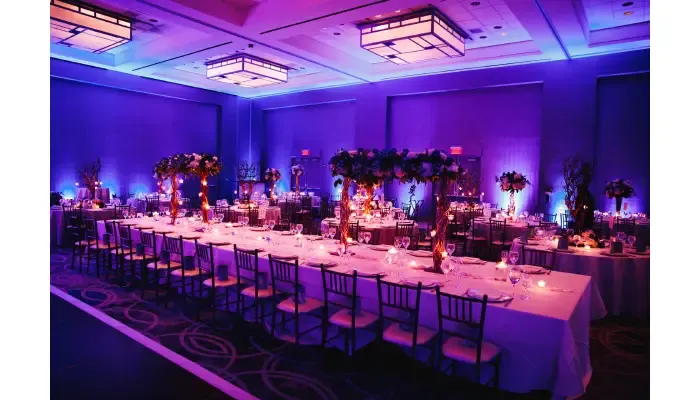
Next, check what facilities are available, such as audio-visual equipment and reliable Wi-Fi, which are essential for presentations and connectivity. The venue’s ambiance and style should align with your event’s theme, whether it’s formal, casual, or innovative. For example, a sleek, modern space may suit a tech conference, while a more traditional setting might work better for a formal gala.
Flexibility in layout and seating arrangements is also important. Some events may require theater-style seating, while others might benefit from round tables for networking. Look into past events held at the venue to understand their success and how well they were received by attendees. Additionally, inquire about catering options available through the venue to simplify your planning process.
Finally, evaluate venue costs to ensure they fit within your budget, and consider the availability of nearby accommodations for out-of-town guests. Visiting the venue in person can help you get a genuine feel for the space, allowing you to make a more informed decision.
Plan the Event Timeline Effectively
Creating a detailed schedule is essential for a successful corporate event. Start by outlining all major activities and milestones, including setup, registration, and breakdown times. Setting clear deadlines for each stage of the planning process helps keep everything on track. Coordinate with speakers and vendors to confirm their availability and schedules, ensuring everyone is aligned. It’s also wise to include buffer times for unexpected delays or changes in the program, which can happen often in event planning. Distributing the timeline to all stakeholders and staff involved ensures everyone is on the same page and knows their responsibilities. Utilizing project management tools can help track tasks and maintain accountability. As the planning progresses, be prepared to review and adjust the timeline as needed, ensuring flexibility in your approach. Conducting rehearsals before the event day is crucial to iron out any potential issues and ensure everything runs smoothly. Finally, communicate the timeline clearly to attendees to manage their expectations and enhance their experience.
Select Engaging Activities and Speakers
Choosing the right activities and speakers is essential for making your corporate event in Sydney memorable and impactful. Start by researching potential speakers who are recognized experts in their fields and can connect with your audience. Their insights can add significant value to your event. Consider incorporating interactive formats like workshops or panel discussions, as these can foster engagement and encourage participation. To keep energy levels high, evaluate the length and variety of sessions; a mix of different formats can help maintain interest.
Networking opportunities are crucial. They allow attendees to make connections, share ideas, and build relationships that extend beyond the event. Plan icebreakers or light-hearted activities to create a relaxed atmosphere, encouraging conversation and collaboration. You might also want to solicit input from your audience on topics they are interested in, ensuring that the content is relevant and appealing.
Make sure that all activities align with the overall purpose of your event. For instance, if you aim to inspire innovation, consider speakers who excel in creative thinking. Utilizing technology can enhance interaction; live polls or Q&A sessions can make participants feel more involved. Don’t forget to think about entertainment options that resonate with your audience and reflect your brand’s identity. Confirm all speakers and activities well in advance to avoid any last-minute surprises that could disrupt your carefully laid plans.
- Research potential speakers who are experts in their fields and resonate with your audience.
- Consider interactive formats, such as workshops or panel discussions, to increase engagement.
- Evaluate the length and diversity of sessions to maintain interest throughout the event.
- Incorporate networking opportunities to facilitate connections among attendees.
- Plan icebreakers or fun activities to create a relaxed atmosphere.
- Solicit input from your audience on topics they want to learn about.
- Ensure that activities align with the overall purpose of the event.
- Utilize technology, such as live polls or Q&A sessions, to enhance interaction.
- Consider entertainment options that align with your brand and audience interests.
- Confirm all speakers and activities well in advance to avoid last-minute changes.
Coordinate Catering and Refreshments
Choosing the right catering for your corporate event is crucial. Start by determining what type suits your gathering best, whether it’s a buffet, plated meal, or a more casual setup. Keep in mind the dietary restrictions and preferences of your attendees; offering vegetarian, vegan, gluten-free, and nut-free options can ensure everyone feels included. Take the time to research local caterers in Sydney, comparing their offerings and prices to find the best fit for your event.
Beverages are just as important as food. Consider including coffee, tea, and perhaps alcoholic drinks if appropriate for your audience. Timing is key, so schedule meal times carefully within your event timeline to avoid any disruptions. The quality and presentation of food reflect your brand image, so it’s wise to ask for tastings before making final decisions.
Communicate clearly with the catering team about setup and service requirements. To enhance the experience, think about incorporating local Australian cuisine, which can add a unique touch that attendees will appreciate. Finally, ensure you have adequate staff to manage the food service efficiently, making for a smooth and enjoyable event.
Manage Event Promotion Strategically
To successfully promote your corporate event, start by identifying the channels that resonate best with your target audience. This could include social media platforms, email campaigns, or industry-specific newsletters. Craft promotional materials that highlight the event’s value and purpose clearly, ensuring potential attendees understand what’s in it for them. A dedicated landing page on your website is essential for streamlined event registration and providing comprehensive information.
Collaborating with industry influencers or organizations can significantly expand your reach, making your event more visible to a wider audience. Consider offering early bird discounts or special offers to incentivize quick registrations. Build excitement by engaging your audience with countdowns, sneak peeks, and behind-the-scenes content leading up to the event.
Utilizing testimonials from past events can enhance your credibility and attract more participants. Create shareable content that encourages attendees to promote the event within their networks. Lastly, track engagement metrics to evaluate the effectiveness of your promotional strategies, and make sure to follow up with registered attendees to keep them informed and enthusiastic about the event.
Ensure Compliance with Local Regulations
Planning a corporate event in Sydney requires careful attention to local laws and regulations. Start by researching any permits and licenses that may be necessary for your event. This might include special permits for outdoor gatherings or licenses for serving alcohol. It is also crucial to understand health and safety regulations to create a safe environment for all attendees, which might involve conducting risk assessments or ensuring first aid is available.
If your event is outdoors, check for noise restrictions to avoid disturbing neighbors and adhere to any specific hours for sound. Accessibility is another important aspect, so ensure your venue meets the requirements to accommodate all attendees, including those with disabilities. If your event has a significant impact on the local community, consider consulting with local authorities to address any concerns.
When working with vendors, review contracts to ensure they comply with legal standards and protect your interests. Depending on the nature of your event, you may need to prepare for insurance requirements, such as liability coverage. Additionally, if you plan to serve food or alcohol, familiarize yourself with the relevant safety regulations and service guidelines.
Lastly, communicate with your chosen venue about their compliance obligations, as they may have specific requirements you need to follow. Keeping detailed records of all permits and agreements is also essential for future reference and to ensure a smooth planning process.
Evaluate the Event’s Success and Gather Feedback
To truly assess the impact of your corporate event, it’s essential to evaluate its success based on measurable goals you set before the event. These goals could range from attendee engagement to brand awareness. After the event, distribute surveys to attendees, asking for their feedback on various aspects such as venue, speakers, and activities. This will give you a clear picture of what worked and what didn’t.
In addition to surveys, analyze attendance data to gauge engagement levels. Were there many participants in discussions or activities? This information is valuable. Conduct a debrief session with your team to reflect on what was successful and identify areas for improvement. It’s important to review any media coverage or social media mentions as well, as they can provide external insights into the event’s reach and perception.
Compile all feedback into a comprehensive report that outlines key findings and insights. Sharing these outcomes with stakeholders not only demonstrates the event’s impact but also builds trust and accountability. Based on the feedback, consider any follow-up actions necessary, such as sending thank-you notes or addressing concerns raised by attendees.
Finally, apply the lessons learned to future events. Maintaining ongoing communication with attendees post-event helps to foster relationships and keeps your brand top of mind.
Frequently Asked Questions
What steps should I take first when planning a corporate event in Sydney?
Start by defining the purpose of your event, deciding on a date and venue, and creating a guest list. This will shape your planning process and ensure everything aligns with your goals.
How can I choose the right venue for my corporate event?
Look for a venue that fits the size and style of your event, ensures easy access for guests, and has the necessary facilities, like audio-visual equipment and catering options.
What type of activities or features should I include in my corporate event to keep guests engaged?
Consider interactive elements like workshops, networking sessions, or keynote speakers. Entertainment, such as live music or team-building activities, can also enhance guest involvement.
How do I effectively promote my corporate event in Sydney?
Use multiple channels like emails, social media, and event listing websites to spread the word. Engaging visuals and clear messaging can help attract your target audience.
How can I ensure my corporate event runs smoothly on the day of?
Create a detailed schedule, assign tasks to team members, and have a backup plan for any potential issues. It’s also helpful to have a point person for communication during the event.
TL;DR This guide offers essential steps for planning a corporate event in Sydney, covering key elements like defining the event’s purpose, identifying the target audience, setting a budget, selecting the right venue, and managing logistics. It emphasizes the importance of engaging activities, strategic promotion, and compliance with local regulations, along with evaluating event success through feedback.