
Maximizing space in walk-in wardrobes starts with choosing a custom closet system that fits your needs, including shelves, drawers, and rods that can be adjusted over time. Creating a boutique-like atmosphere by adding seating or mirrors makes it easier to keep things tidy. Using wire shelving helps keep folded clothes organized and fresh, while double-hang rods and vertical storage solutions make the most of height. Efficient shoe storage with cubbies or clear boxes keeps shoes visible yet tidy. Don’t forget to use wall hooks for accessories and good lighting for functionality. Regular decluttering ensures you only store what you love and wear regularly.
Choose a Custom Closet System for Flexibility
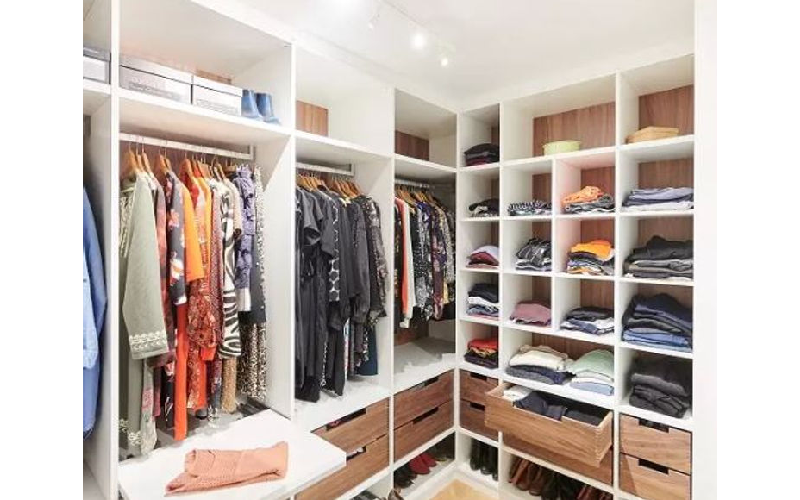
Selecting a custom closet system is one of the best ways to maximize space in your walk-in wardrobe. Modular systems that combine shelves, drawers, and hanging rods can be tailored exactly to your closet’s dimensions, ensuring no space goes unused. Before you buy, measure your area carefully so the components fit perfectly and allow for smooth movement. Look for systems with adjustable shelves that can accommodate different clothing sizes and types, along with dedicated sections for long garments and shorter items to make the most of vertical space. Customizable accessories like drawer dividers and specialized shoe storage help keep everything organized and easy to access. Incorporating pull-out racks or trays increases accessibility, especially for smaller or folded items. Choose materials and finishes that blend well with your room’s style to create a cohesive look, and opt for sturdy hardware and handles that hold up to daily use. The ability to expand or reconfigure the system later means your closet can evolve as your storage needs change, providing lasting flexibility and efficiency.
- Use modular closet systems combining shelves, drawers, and hanging rods to fit your space exactly
- Select customizable accessories like drawer dividers and dedicated shoe storage components
- Opt for systems that can be expanded or reconfigured as your needs evolve
- Measure your closet space carefully before choosing to ensure a perfect fit
- Consider materials and finishes that match your room’s style for cohesiveness
- Incorporate pull-out racks or trays to increase access to stored items
- Integrate adjustable shelves to accommodate different clothing sizes and types
- Include dedicated sections for long garments and shorter items to maximize vertical space
- Choose hardware and handles that are sturdy and easy to use
- Plan your system layout to allow smooth movement and easy reach to all areas

Create a Boutique Feel to Encourage Organization
Transforming your walk-in wardrobe into a boutique-style space can make organization feel less like a chore and more like a pleasure. Start by adding wallpaper or painting the walls in soft, calming tones to elevate the overall look without overwhelming the space. Including a small, comfortable seat or ottoman adds a touch of luxury and provides a practical spot for dressing or putting on shoes. Full-length mirrors are essential, not only do they let you check your outfit, but they also reflect light to brighten the room and make it feel larger. Display your shoes, hats, and bags like a retail store by alternating heights and spacing, which keeps things visually interesting and encourages you to keep everything neat. Using coordinated hangers in the same color and style further unifies the look and simplifies browsing. Decorative storage boxes or baskets can hold folded clothes or accessories, keeping them organized yet stylishly tucked away. To maintain a tidy space, limit visible clutter by using closed storage for less attractive items. Thoughtful lighting highlights key areas and adds ambiance, while metallic or glass accents provide a polished, refined finish. Finally, placing a small rug softens the floor and adds warmth, making your closet feel inviting and well put together.
Separate Folded Clothes Using Wire Shelving
Installing wire shelves in your walk-in wardrobe is a smart way to keep folded clothes organized while promoting airflow, which helps prevent mold and odors. Group your clothes by type, t-shirts, sweaters, jeans, and keep each stack no taller than 12 inches to avoid toppling. To maintain order, use snap-on or clip-in dividers between piles, which makes it easier to grab what you need without disturbing other stacks. For smaller folded items like socks or underwear, baskets or bins placed on wire shelves add extra containment and keep things tidy. Labeling the edges of shelves or containers further speeds up finding specific items, reducing clutter. Position your wire shelves at comfortable heights to minimize bending or reaching, making everyday access easier. Combining wire shelving with solid shelves balances airflow with a polished look, and opting for vinyl-coated wire shelves can reduce snagging on delicate fabrics. Placing wire shelves near ventilation sources also ensures your folded clothes stay fresh longer. For example, situating a wire shelf close to a closet vent keeps sweaters crisp and ready to wear.
Utilize Every Inch of Available Closet Space
To make the most of your walk-in wardrobe, use every inch of space thoughtfully. Installing double-hang rods can instantly double your hanging capacity by allowing shorter items like shirts and pants to be stacked one above the other. Add pull-out shelves or cubbies specifically for shoes to keep them organized and easy to see, which prevents clutter on the floor. Use the highest shelves to store seasonal or rarely worn items in clearly labeled bins; this keeps them accessible but out of the way. Hooks or pegboards on the inside of doors or unused wall spaces work well for belts, scarves, and bags, freeing up drawer and shelf space. A small step stool or ladder is useful to safely reach those top shelves without hassle. Slim hangers help maximize hanging space by reducing bulk and preventing overcrowding. Don’t overlook narrow gaps between shelves or walls, vertical storage solutions like slim racks or narrow shelves fit well here and add valuable storage. If possible, consider swapping swinging doors for sliding or pocket doors to save space and improve flow. The floor can hold baskets or bins for bulky items like handbags or sweaters, making use of often ignored space. Finally, keep your closet layout flexible so you can rearrange storage components as your needs change over time, ensuring your space always works for you.
Efficient Shoe Storage Solutions
Start by taking inventory of your shoe collection to determine the best storage types and quantities you need. Flats and casual shoes work well in cubbies or small shelves, which keep them accessible and organized. For boots, use tall shelves or pull-out trays to help maintain their shape and prevent creasing. Clear acrylic boxes are a smart choice to protect your shoes from dust while still keeping them visible, making it easier to find the pair you want. If you have expensive shoes worth displaying, consider glass-front cabinets that offer both visibility and protection. Hanging shoe organizers over doors are great for freeing up floor space without sacrificing storage capacity. Position shoe racks near the entrance of the closet for quick grab-and-go access. Organize shoes by type, season, or how often you wear them to simplify your selection process. Adjustable shelves add flexibility to accommodate varying shoe heights, while angled shelves improve visibility and save space by displaying shoes more effectively. These strategies combine to keep your shoe collection neat, accessible, and well-preserved within your walk-in wardrobe.
Plan Dedicated Storage for Accessories
To keep accessories organized and prevent clutter, dedicate specific storage solutions tailored to each type. Use jewelry boxes, trees, or drawer organizers with velvet or felt-lined compartments to separate and protect necklaces, rings, and bracelets from tangling or damage. Hang purses and handbags on sturdy hooks or specialized hangers to maintain their shape and easy access. Smaller accessories like clutches fit well in shoe cubbies or small bins, which helps keep them visible and contained. Store scarves, gloves, and hats in lidded containers to keep dust out while labeling each container for quick identification. Installing small shelves or trays is ideal for sunglasses and watches, placing frequently used items at eye level for convenience. Drawer inserts work well to keep tiny accessories from mixing, making it easier to find what you need. Rotate seasonal accessories regularly to free up space and keep your selection fresh and manageable.
Use Blank Wall Space with Hooks and Consoles
Blank wall space in walk-in wardrobes is often overlooked but offers valuable storage potential. Installing decorative hooks on these walls provides easy access to frequently used items like belts, necklaces, or scarves, keeping them visible and tangle-free. Below these hooks, narrow console tables or shelves serve as perfect spots for small essentials such as sunglasses, wallets, or jewelry boxes. Adding baskets or hampers under consoles helps store laundry or larger accessories without cluttering the floor. Pegboards are another flexible option, allowing you to customize and change hook placement as your needs evolve. For metal items like pins or clips, magnetic strips or bars mounted on the wall keep them organized and within reach. Floating shelves installed above hooks create extra space to display decorative items or hold storage boxes for less-used belongings. To maintain a cohesive look, choose hooks and consoles that match your closet’s overall style. Utilize the wall behind the door for additional hanging storage, making sure all wall-mounted solutions stay at reachable heights for convenience. Mixing open hooks with closed storage on walls balances easy access with a tidy appearance, maximizing every inch of your walk-in wardrobe.
Add Proper Lighting for Better Visibility
Proper lighting is essential for making the most of your walk-in wardrobe. Start with bright ceiling-mounted lights to ensure even illumination throughout the space, eliminating dark corners where items can get lost. To highlight clothing and accessories, install LED strip lights along shelves and hanging rods, these not only brighten the area but also add a modern touch. Task lighting near mirrors or dressing stations helps when selecting outfits or applying makeup, improving functionality. If your closet has windows, consider using natural light carefully; install window treatments to protect fabrics from fading while still letting in daylight. Choose warm white bulbs for a flattering, soft color temperature that shows clothing colors accurately and makes the space feel welcoming. To save energy and add convenience, motion sensors or timers can automatically control lights when you enter or leave. Avoid harsh shadows by using multiple light sources placed at different angles, including under-shelf lighting to brighten lower storage areas often overlooked. Dimmable lights allow you to adjust brightness based on the time of day or mood, creating a comfortable atmosphere. Regularly clean and maintain your fixtures to keep the lighting consistent and effective. Together, these lighting strategies improve visibility, enhance the look of your wardrobe, and make your daily routine smoother.
Store Large or Bulky Items Strategically
To keep your walk-in wardrobe organized and spacious, reserve the top shelves or high corners for storing large or bulky items like suitcases, weekend bags, and storage boxes. Using lightweight plastic bins makes it easier to handle and stack these items, while labeling containers helps maintain a tidy and efficient space. Keep bulky items away from frequently accessed areas to avoid clutter and make daily use smoother. For seasonal clothing that takes up a lot of room, vacuum-sealed bags are a great way to save space and protect garments. Consider storing rarely used bulky items, such as extra bedding or large scarves, either under the bed or off-site to free up closet space. Ensure airflow around these items to prevent mustiness and avoid loose piles by using dedicated bins for hats or scarves. Finally, store heavy items securely to prevent accidents, especially when placing them on high shelves or in hard-to-reach corners.
Create a Clothes Care Drawer for Essentials
Designate a specific drawer or basket in your walk-in wardrobe just for fabric care essentials to keep things neat and accessible. Stock it with items like lint rollers, fabric shavers, and stain removers to handle everyday clothing touch-ups. Include a small steamer or travel iron for quick wrinkle fixes without needing to leave the closet. Keep a sewing kit nearby with needles, thread, buttons, and scissors for on-the-spot repairs. Don’t forget shoe care products such as polish, brushes, and heel caps to maintain footwear quality. Adding eyeglass repair kits or small multipurpose tools can also be handy. Use small containers or dividers within the drawer to prevent clutter and keep everything organized. Place frequently used items near the front so you can grab them quickly. Regularly check and replenish supplies to avoid running low. Keeping this drawer clean and separate from your general clothing will help preserve the condition of your care tools and make your wardrobe more functional.
Plan Outfits in Advance to Save Time
Planning outfits ahead can make your mornings smoother and keep your walk-in wardrobe more organized. Group clothes by day or by type using dividers or labeled sections, so you can quickly find what you need without digging through everything. Selecting complete outfits, including accessories and shoes, in advance saves time and prevents last-minute clutter. Keep frequently worn looks within easy reach, while storing seasonal or special occasion outfits separately in clear bins or garment bags to reduce overcrowding. Rotating outfits weekly helps maintain freshness and order, and noting special event outfits in a calendar or app ensures you won’t forget them. Setting aside shoes and accessories with each planned outfit keeps everything together and ready to go. Reviewing and adjusting your pre-planned wardrobe monthly allows you to adapt to changing needs and keep your closet efficient and tidy.
Hang a Double-Rod Organizer to Maximize Height
Installing a double-rod organizer is one of the simplest ways to double your hanging capacity by using vertical space effectively. Place two rods one above the other: hang shorter items like shirts and blouses on the top rod, while the lower rod can hold pants, skirts, or folded hangers. This setup frees up shelf space above for folded or bulkier items that don’t need to hang. Choose sturdy rods that can support heavier clothing, and consider adjustable rods to customize the height based on your wardrobe needs. Adding pull-down mechanisms to the upper rods can make reaching high clothes easier without wasting space. Using slim hangers helps save horizontal room, allowing more garments per rod. To keep things organized, rod dividers or labels separate clothing categories clearly. Don’t forget the floor space below the lower rod: it’s perfect for shoes or storage bins, making sure every inch of your walk-in wardrobe is put to good use.
Use Uniform Storage Containers and Hangers
Using uniform storage containers and hangers creates a clean, organized look that makes your walk-in wardrobe feel more spacious. Choose hangers in the same color and style to maintain visual consistency, which helps reduce cluttered impressions. Slim hangers work best to maximize hanging space, while matching hanger sizes to your clothing type prevents stretching and damage. Before buying, measure your closet dimensions carefully to ensure storage containers fit well and stack evenly. Opt for clear containers so you can easily see what’s inside, and label each bin for quick identification and faster access. Smaller items can be stored neatly in uniform bins on shelves, and using stackable containers takes full advantage of vertical space. Coordinating the colors of your containers and hangers with your closet decor adds to a boutique-style atmosphere, encouraging you to keep the space tidy and efficient.
Incorporate Vertical Storage Solutions
Maximizing vertical space is key to making the most of any walk-in wardrobe. Installing floor-to-ceiling shelving takes advantage of the full wall height, providing ample room for folded clothes, bins, or boxes. Narrow shelves or cubbies work well for smaller items like hats or handbags, keeping them organized without wasting space. Hooks and pegboards mounted vertically offer an easy way to hang accessories such as belts, scarves, and jewelry, freeing up drawer or shelf space. To save floor area, consider sliding or pocket doors instead of traditional swinging doors. On hanging rods, using slim, space-saving hangers helps fit more clothing without bulk. Vertical bins or tall drawers can hold folded items neatly stacked upward rather than spread out. Seasonal pieces fit nicely on high shelves, out of daily reach but still accessible. Tall shoe racks allow footwear to be stacked vertically, making it easier to see and grab pairs. For clothes stored higher up, pull-down rods bring them within reach without losing vertical space. Wall-mounted organizers specifically designed for belts, scarves, or ties keep these smaller accessories tidy and visible. Employing these vertical solutions transforms every inch of your wardrobe into practical storage, keeping it efficient and uncluttered.
Use Multipurpose Hangers and Pull-Down Rods
Multipurpose hangers are key to squeezing more out of your walk-in wardrobe. Tiered hangers, for example, let you hang several pairs of pants or skirts vertically, saving horizontal space. Hangers with clips are great for skirts and accessories, keeping them secure and easy to find. Cascading hangers allow you to group complete outfits together, which not only saves space but also speeds up your morning routine. For delicate or bulky items, foldable hangers offer flexibility without crowding your closet. Choosing hangers with non-slip features prevents clothes from sliding off, maintaining a neat look. Pull-down rods are especially helpful for accessing clothes stored high up, making use of vertical space that’s often wasted. They work well in narrow or deep closets where reaching the back can be tricky. Combining multipurpose hangers with double rods further maximizes hanging capacity by creating two layers of storage. Labeling hangers or rods by clothing type adds a simple organizational touch that saves time. To keep your system efficient year-round, try rotating hanging methods seasonally, storing off-season clothes higher or deeper and keeping current items within easy reach.
Declutter Regularly to Free Up Space
Regularly decluttering your walk-in wardrobe is key to keeping it spacious and manageable. Start by sorting clothes into three piles: keep, donate, and discard. Be honest about what you wear, limit keepers to items worn in the last year and promptly remove anything damaged or ill-fitting. To ease the process, organize donation boxes so you can drop them off without delay. For sentimental pieces or clothes rarely worn, use storage bins to keep them out of daily reach but still preserved. Scheduling quarterly decluttering sessions helps prevent clutter build-up and keeps the wardrobe functional. Avoid impulse buys that add unnecessary bulk, and store rarely worn items separately to clear out your main space. Taking digital photos of items before donating can help preserve memories without keeping the physical piece. Lastly, recycle or repurpose old clothes whenever possible to minimize waste and keep your closet lean.
Maximize Small Walk-In Closets with Clear Zones
To make the most of a small walk-in closet, start by dividing the space into clear zones for tops, bottoms, shoes, and accessories. Assign consistent shelving and hanging heights within each zone to keep things uniform and easy to find. Label each zone visibly to help maintain order and reduce clutter. Use slim organizers designed for tight spaces, like narrow shelves or compact drawers, to maximize storage without crowding. Installing dedicated lighting focused on each zone improves visibility, making it easier to pick items quickly. Store seasonal or rarely used items in less accessible zones, like higher shelves, while keeping frequently used zones at eye level for convenience. Color coding zones with matching bins or hangers can speed up identification and add a subtle visual cue. To keep the floor clear and enhance space, opt for wall-mounted storage solutions such as hooks or narrow shelves. Modular closet units tailored to small dimensions allow flexibility and efficient use of every inch, helping transform even limited walk-in closets into well-organized, functional spaces.
Add Seating or an Island if Space Allows
If your walk-in wardrobe has enough room, adding seating or a central island can enhance both function and style. Compact benches or ottomans with built-in storage drawers or compartments provide a place to sit while dressing and extra space for folded clothes or accessories. Position seating near the center or by the door for easy access without disrupting flow. Lightweight furniture is ideal, allowing you to move pieces as needed. Islands with drawers serve as perfect surfaces for outfit planning and keep items organized within reach. Installing padded seats adds comfort, making your wardrobe feel more like a boutique. Choose upholstery in neutral tones to blend seamlessly with the rest of the closet and maintain versatility. Surrounding seating areas with mirrors not only aids in dressing but also visually expands the space. Thoughtfully placed seating or an island can turn your walk-in closet from a simple storage area into a more luxurious, practical, and inviting space.
Use Labeled Storage Boxes and Bins
Using labeled storage boxes and bins is a smart way to keep your walk-in wardrobe organized and make the most of your space. Clearly labeling each box with its contents or category helps you find items quickly without rummaging through everything. For example, store seasonal clothes, accessories, or shoes in these containers to free up everyday storage areas. Opt for stackable bins to take advantage of vertical space, and choose clear or translucent boxes so you can identify what’s inside at a glance. Using uniform box sizes keeps stacks stable and neat, while adding labels on multiple sides ensures visibility no matter how boxes are arranged. Color-coded labels can further simplify locating different item types, like scarves, hats, or workout gear. Keep these labeled bins on high shelves or under seating areas to maximize unused spots. Rotating box contents seasonally keeps frequently used items accessible and off-season ones stored away. Including an inventory list inside each bin can be a helpful reference, saving time and keeping your wardrobe orderly.
Maximize Door Space with Over-the-Door Organizers
Over-the-door organizers are an excellent way to make use of often overlooked space in walk-in wardrobes. Pocketed organizers can neatly store scarves, belts, and other small accessories, keeping them visible and easy to grab without cluttering shelves or drawers. Hanging shoe racks on the back of doors frees up valuable floor space, especially in smaller wardrobes, and choosing slim designs ensures they don’t interfere with door clearance. Hooks or racks mounted on the door can hold bags, hats, or even jewelry, while towel bars or rods add versatile hanging options for clothes or accessories. Opt for organizers with adjustable compartments to customize storage based on your changing needs. Magnetic or adhesive hooks provide additional flexibility, allowing you to rearrange or add storage without damaging surfaces. Placing frequently used items at eye level or within easy reach on the door helps speed up your daily routine. For a dual-purpose approach, combine door organizers with a mounted mirror, saving wall space while enhancing functionality. To maintain efficiency, regularly tidy these door organizers to prevent accumulation of unused items or clutter, ensuring your wardrobe stays organized and accessible.
Frequently Asked Questions
1. What are the best ways to organize different clothing types within a walk-in wardrobe?
To efficiently organize various clothing types, group similar items together, such as hanging shirts, stacking sweaters, and using drawers for smaller items. Incorporate adjustable shelves and dividers to customize storage space based on your wardrobe’s needs.
2. How can I use vertical space effectively in a walk-in wardrobe?
Maximize vertical space by installing tall shelving units, double hanging rods, and hooks for accessories. Using the upper walls for less frequently used items keeps your everyday clothes accessible while freeing up floor space.
3. What storage solutions work well for accessories in a walk-in wardrobe?
Use clear containers, dedicated drawers with compartments, and wall-mounted racks or trays to keep accessories visible and organized. This prevents clutter and helps you find items quickly while saving space for larger clothing items.
4. How do lighting and mirrors contribute to better space use in a walk-in wardrobe?
Proper lighting brightens dark corners, making the entire space usable and easier to navigate. Mirrors create an illusion of more space and help you try on clothes, reducing the need for extra furniture or space-consuming features.
5. What role do custom closet systems play in maximizing walk-in wardrobe space?
Custom closet systems are designed to fit your specific space and storage needs, utilizing every inch efficiently. They offer tailored solutions like built-in drawers, shoe racks, and adjustable shelves, which help keep everything organized and reduce wasted space.
TL;DR Maximize your walk-in wardrobe space by choosing custom, modular closet systems that fit your needs and evolve over time. Use vertical storage like double rods, pull-down mechanisms, and floor-to-ceiling shelves to fully utilize height. Organize shoes and accessories efficiently with cubbies, hooks, labeled bins, and over-the-door organizers. Create a pleasant, boutique-style environment with good lighting and cohesive storage containers to encourage upkeep. Plan outfits in advance and designate areas for bulky items and clothes care essentials. Regular decluttering and clear zones help keep the space functional and stylish without wasting any inch.