

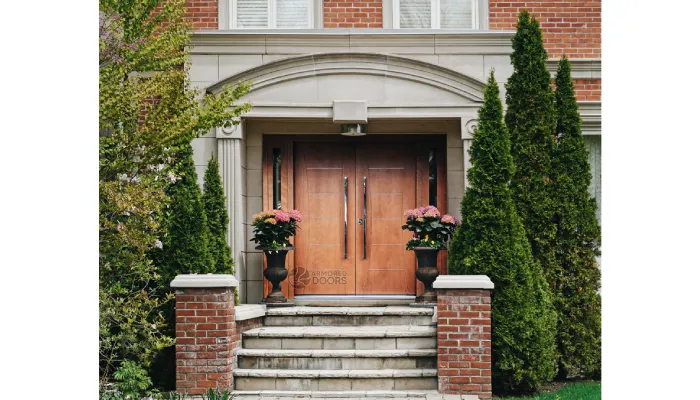
Maintaining your safe room door is vital for ensuring safety and peace of mind during emergencies. Regular inspections are crucial; check for any damage, like cracks or rust, that could compromise its structural integrity. Rotate emergency supplies like water and food to keep them fresh. Ensure all essential equipment functions correctly, this means testing ventilation systems, lights, and communication devices regularly. Don’t forget to lubricate hinges and locks to maintain smooth operation. Keeping a clean environment helps too! By following this maintenance checklist, you not only strengthen your shelter but also enhance your confidence in facing unpredictable situations.
1. Create a Maintenance Schedule for Inspections
Setting up a maintenance schedule for your safe room doors is crucial for ensuring its reliability. Start by choosing specific dates for inspections, whether quarterly or biannually, to give you a consistent timeline to work with. During each inspection, document your findings in a log, recording any issues or repairs that may be needed. This will help you track the door’s condition over time.
Incorporate seasonal checks into your schedule, especially before severe weather seasons, to guarantee that your safe room is ready for any emergency. Utilize checklists to ensure that no aspect of the door or room is overlooked during your inspections. For added convenience, set reminders on your digital calendars or alarms so you never miss an inspection date.
Engage family members in the inspection process; their participation not only raises awareness but also prepares everyone for potential emergencies. If your safe room is used, make it a point to inspect it immediately afterward to catch any wear or issues that may have arisen.
Be flexible with your schedule: if you begin to notice recurring issues, consider increasing the frequency of your inspections. Additionally, consulting professionals for periodic inspections can help catch problems you might overlook. Finally, make sure all responsible parties are aware of your inspection schedule, ensuring that everyone is on the same page when it comes to maintaining your safe room.
- Set Regular Inspection Dates: Choose specific dates, such as quarterly or biannually, for thorough checks.
- Document Findings: Keep a log of each inspection, noting any issues or repairs needed.
- Include Seasonal Checks: Schedule inspections before severe weather seasons to ensure readiness.
- Use Checklists: Create a checklist to ensure no aspect of the door or room is overlooked during inspections.
- Set Reminders: Use digital calendars or alarms to remind you of upcoming inspections.
- Include Family Participation: Engage family members in inspections for awareness and preparedness.
- Review After Use: If the safe room is used, inspect immediately afterward to check for any wear or issues.
- Adjust Schedule as Needed: If you notice recurring issues, increase the frequency of inspections.
- Consult Experts: Consider hiring professionals for inspections to catch issues you might miss.
- Share Schedule with Others: Ensure all responsible parties are aware of the inspection schedule.

2. Check and Rotate Emergency Supplies Regularly
Keeping your emergency supplies fresh and ready is crucial for any safe room. Start by making an inventory list of all items in your emergency kit. This way, you can easily track what you have and what needs to be replaced. Schedule specific rotation dates to check your supplies; this ensures that you’re not caught off guard with expired food or medications. When you find any expired items, promptly remove and replace them to maintain the effectiveness of your supplies.
Consider stocking seasonal items to adapt to changing needs; for example, add blankets during winter months and sunscreen during summer. Use clear containers for storage, allowing for easy visibility and access to your supplies. Keeping a master list of all items, including their expiration dates, can be a lifesaver in an emergency. Label all containers clearly so that, in a rush, you can grab what you need at a glance.
Make sure your supplies are stored in accessible locations, so you can reach them quickly when it matters most. Involve your family in the rotation process to educate them on the importance of preparedness. Finally, occasionally taste-test your water purification methods to ensure they work effectively, keeping you safe and hydrated when it counts.
3. Ensure Ventilation Systems Are Functional
A well-functioning ventilation system is crucial for your safe room, especially during emergencies. Start by inspecting all vents to ensure they are clear of any obstructions, allowing for proper airflow. Next, test any fans in the system to confirm they are operational; if not, replacing them promptly can make a significant difference. Regularly clean or replace air filters to maintain good air quality, as dirty filters can lead to harmful pollutants circulating in your safe space. Additionally, check around vents for any gaps that might let in contaminants, sealing them as necessary. Monitoring air quality with dedicated devices can help detect harmful gases, keeping you and your family safe. It’s also wise to have backup ventilation options in case of a power failure, like manual fans or windows that can be opened. If there are vents you don’t plan to use, consider sealing them to enhance the internal air quality. Educate family members on how to operate the ventilation systems in emergencies, ensuring everyone is prepared. Finally, scheduling annual checks by HVAC professionals can help keep the system in top shape. Keeping manuals handy for operation and troubleshooting can also empower you to handle unexpected situations confidently.
4. Test Lighting and Battery Backup
Testing the lighting and battery backup in your safe room is crucial for ensuring safety during emergencies. Start by inspecting all light fixtures regularly to make sure they are functioning. Replace any burnt-out bulbs promptly. Don’t forget to check your emergency lights, too; they should always be operational, so replace batteries as needed. Using energy-efficient LED bulbs not only helps the environment but also means you will replace them less frequently, giving you peace of mind.
It’s wise to keep a supply of extra batteries in your safe room for all devices, ensuring that you are always prepared. To guarantee your backup systems are ready, simulate a power outage occasionally, this will let you know how well your battery backups hold up. Make sure your flashlights are not only charged but functional as well; regularly replace old batteries to avoid any surprises.
Consider incorporating solar-powered lights as a sustainable backup option. Ensure all lighting equipment is easily accessible in the dark, so you won’t be fumbling around in an emergency. If your lighting systems are outdated, think about upgrading to newer, more efficient options. Finally, document each check and maintenance task in a log. This way, you’ll have a clear record of when everything was last inspected, providing an added layer of reassurance.
5. Maintain Communication Equipment Effectively
In an emergency, having reliable communication is crucial. Start by regularly testing all your communication devices, like radios and phones, to ensure they work correctly. Don’t forget to keep backup options on hand, such as extra radios or satellite phones, so you’re prepared for any device failures. It’s also smart to store spare batteries for your equipment, as dead batteries can leave you in a bind when you need help the most.
Make sure to test the reception quality of your devices regularly, checking that you can hear clearly and that your messages are getting through. Investing in multi-channel radios can be a game changer, allowing you to reach help even if certain channels are jammed or unavailable. Keep user manuals for all devices easily accessible, so everyone knows how to operate them in a pinch.
Educate your family on how to use the communication devices effectively. This knowledge can be invaluable during a crisis, ensuring everyone can reach out for help when needed. Regularly test for emergency broadcasts to stay informed about local emergencies or weather alerts. Finally, ensure that all communication equipment is stored in safe locations for quick access, and consider upgrading to newer technology for better reliability and features.
6. Conduct Door and Lock Maintenance
Maintaining your safe room door and its locks is crucial for ensuring your safety and peace of mind during emergencies. Start by inspecting all locks regularly for any signs of wear. A simple test can reveal if they still function properly. Make sure to test deadbolts too, ensuring they engage and disengage smoothly, without any sticking. When you notice any issues, don’t hesitate to lubricate them with a graphite or silicone-based lubricant; this will keep everything operating smoothly.
Next, check for rust on metal components. Rust can weaken the structure of your door and locks, so treat any affected areas immediately to prevent further degradation. If the door starts to sag or misalign, realigning the hinges is essential to maintain proper functionality. Regularly open and close the door to confirm it operates smoothly, identifying any potential problems early on.
It’s also important to tighten any loose screws on the locks and hinges, as even minor looseness can lead to larger issues. If you notice any locks or components showing significant wear, consider replacing them for added security. Also, keep spare keys in secure yet easily accessible locations, so they’re ready when you need them.
Lastly, if your locking mechanisms are complex or if you’re unsure about the maintenance process, consulting a professional locksmith can provide peace of mind that everything is functioning as it should. Taking these steps will help ensure that your safe room door remains a reliable barrier against threats.
7. Keep Sanitation Supplies Ready
Keeping sanitation supplies handy in your safe room is not just about comfort, it’s about safety and hygiene. First, stock up on essential items like wipes, toilet paper, and biodegradable bags. This ensures that you have what you need when you need it. Consider adding a portable toilet, which can make a big difference in convenience during an emergency. Regularly check these supplies to keep them fresh and in good condition, and don’t forget to include hand sanitizer for quick cleaning when soap and water are unavailable.
Store all supplies in accessible locations, so everyone knows where to find them in a hurry. It’s also wise to rotate supplies by checking expiration dates and replacing any expired items promptly. Teaching your family how to use these sanitation supplies correctly can enhance safety during emergencies. Lastly, have a solid plan for waste disposal to maintain hygiene. You might even want to assemble hygiene kits for easy access, ensuring that everyone can stay clean and safe when it matters most.
8. Maintain Cleanliness in the Safe Room
Keeping your safe room clean is essential for both safety and comfort. Start by creating a cleaning schedule to ensure the room remains tidy and organized. Regular cleaning helps identify any issues early, like mold or mildew, which can pose health risks. Use non-toxic cleaners that are environmentally friendly to ensure safety for everyone in your family. Involve family members in this process; it not only lightens the load but also promotes shared responsibility for the space. Decluttering is key, remove unnecessary items to keep the room functional. Additionally, maintaining good air quality is crucial; consider using air purifiers to enhance freshness. Store cleaning supplies in an easily accessible location so you can quickly attend to messes. A vacuum can make cleaning floors and surfaces much easier, while disinfecting frequently touched surfaces helps maintain hygiene. Lastly, keep an eye out for any signs of pest infestations; regular inspections can help you address problems before they escalate. By following these steps, you’ll ensure your safe room remains a clean, safe haven.
9. Perform Regular Security Checks
Keeping your safe room secure is crucial, and regular security checks are your best defense. Start by testing your alarm systems. Make sure they are functioning properly and can alert you to any breaches. Next, inspect your surveillance equipment; ensure all cameras and recording devices are operational, offering a clear view of your surroundings.
Don’t forget to review all access points. Check that they are secure and monitored to prevent unauthorized entry. Updating security codes regularly is another key step; changing passwords for access systems keeps potential intruders guessing. Consider hiring security professionals to assess your safe room and identify vulnerabilities that you may overlook.
Lighting plays a vital role in security as well. Maintain adequate lighting around all entry points to deter intruders. Conducting emergency drills with your family is essential too, ensuring that everyone knows the security protocols and reacts appropriately during a crisis.
Keeping a log of all security checks performed adds accountability to your maintenance routine. Educate your family members on potential threats and how to respond, empowering them to act decisively if needed. Finally, stay informed by keeping up-to-date with local crime reports and security advice, allowing you to adjust your security measures as necessary. Engaging in these practices not only enhances the protection of your safe room but also gives you peace of mind.
10. Specific Tips for Safe Room Doors
Check the alignment of your safe room door regularly. It should fit snugly in its frame, as this blocks wind and water, keeping your safe room secure. Don’t forget to lubricate the hinges and locks with a suitable lubricant to avoid rust and ensure they operate smoothly. Test the locks and latches often to make sure they engage properly every time you use them. If you notice any rust spots on a metal door, treat them immediately to prevent further damage. If your door seems lightweight, consider reinforcing it with a steel plate for added protection against impacts. Installing a peephole is a smart move, as it allows you to see outside without opening the door, enhancing your security. Check the weather stripping to ensure it’s effective at maintaining temperature and blocking outside elements. Inspect for any air gaps where the door meets the frame, as these can let in air or water. In case of emergencies, having a secondary exit is crucial, so plan one that is easily accessible. Lastly, make sure your family members are educated about how to operate the door and locks, and practice emergency drills regularly.
11. Explore Additional Resources for Guidance
Maintaining your safe room door is not just about personal diligence, it also involves tapping into a wealth of resources available to you. Websites like Oklahoma Shelters provide detailed guidelines tailored to various climates, ensuring your safe room’s construction and maintenance are well-suited to your environment. For those in Texas, the Texas Storm Shelter Guy offers specialized insights with practical maintenance checklists and strategies that are invaluable. Don’t overlook the comprehensive resources provided by FEMA, which include safe room planning tips and emergency preparedness advice. It’s also essential to familiarize yourself with local building codes to guarantee compliance and safety. Look into community workshops, often led by experts, which can offer hands-on learning about safe room construction and upkeep. Online forums are a great way to connect with others who share your interest in emergency preparedness, as they provide a platform for sharing experiences and advice. YouTube is another fantastic resource, with many tutorials available that visually demonstrate safe room door maintenance. For those looking to delve deeper, consider reading emergency preparedness books that cover in-depth strategies. Your insurance provider can also be a valuable resource, providing guidelines on safe room standards and maintenance practices to ensure you’re adequately covered. Lastly, don’t hesitate to reach out to local emergency services, like fire or police departments, for advice tailored to your area’s specific risks.