

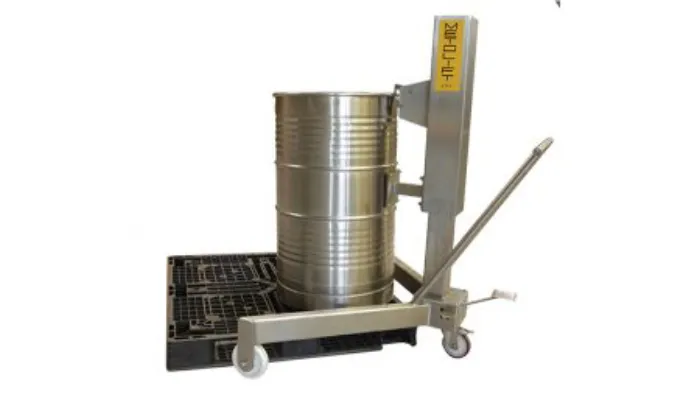
Maintaining your drum handling equipment is essential for ensuring safety and efficiency in the workplace. Regular checks help prevent accidents, extending the life of your tools and boosting productivity. Start with daily visual inspections, look for cracks or loose components. Don’t forget to lubricate moving parts using manufacturer-approved products; this keeps everything running smoothly! Pay attention to the hydraulic system too; check for leaks and replace fluids as needed. Cleaning is crucial, so keep equipment free of debris. By establishing a routine maintenance schedule and training employees, you set the stage for a safer working environment while avoiding costly repairs down the line.
1. Why You Should Maintain Your Drum Handling Equipment?
Maintaining your drum handling equipment is not just a good practice, it’s essential for a safe and effective workplace. Regular upkeep significantly minimizes the risk of accidents and injuries, creating a safer environment for everyone involved. When equipment is well-maintained, it prevents premature wear and tear, which can extend its lifespan and save you from costly repairs or replacements down the road. Think of it this way: a small investment in maintenance today can lead to substantial savings tomorrow. Furthermore, well-maintained equipment operates smoothly, minimizing downtime and optimizing productivity. This means your operations remain reliable, boosting worker confidence and morale. It’s also crucial for compliance with safety regulations, ensuring that your workplace meets the necessary standards. Plus, regular maintenance provides better control over your inventory and materials, making it easier to troubleshoot issues when they arise. In short, taking the time to care for your drum handling equipment enhances its overall performance and reliability, making your operations run like a well-oiled machine.
- Minimizes accidents and injuries in the workplace
- Prevents premature wear and extends equipment life
- Promotes smooth operation and reduces downtime
- Saves money on repairs and replacements
- Enhances the overall performance of your equipment
- Increases the reliability of your operations
- Improves compliance with safety regulations
- Boosts worker confidence and morale
- Ensures better control over inventory and materials
- Facilitates easier troubleshooting and repairs

2. Routine Inspection Steps for Equipment
Routine inspections are essential to ensure your drum handling equipment operates safely and efficiently. Start with a visual check: look for any visible damage like cracks, dents, or bent components that could compromise the equipment’s integrity. Next, examine all bolts and fasteners, making sure none are loose or missing, as these can lead to equipment failure during operation.
Don’t forget to inspect hydraulic hoses for signs of leaks or wear, which can lead to serious issues if left unchecked. Check the lubrication levels of moving parts, as proper lubrication is key to smooth operation and prevents premature wear. It’s also important to test the wheels and casters for any signs of wear; ensure they rotate freely and don’t show cracks or flat spots.
Take a moment to examine the structural integrity of the equipment as well; any signs of rust or corrosion should be addressed immediately. Additionally, ensure that all safety features are functional, this is non-negotiable when it comes to workplace safety. Document your inspection findings for future reference, and maintain a consistent checklist to keep your inspections thorough and effective. This routine not only keeps your equipment in top shape but also enhances safety and efficiency in your operations.
3. How to Properly Lubricate Your Equipment?
Proper lubrication is vital for keeping your drum handling equipment in top shape. Start by using the right type of lubricant as recommended by the manufacturer. This ensures compatibility and effectiveness. Regularly apply grease to all moving parts, such as hinges, joints, and rollers, to keep them functioning smoothly. Before you apply new grease, make sure to clean the lubrication points. This prevents dirt and debris from mixing with the lubricant, which could cause damage.
It’s important to avoid over-lubricating, as this can lead to a buildup that hinders performance. Instead, schedule lubrication tasks during routine inspections to make it a part of your regular maintenance routine. A grease gun is an excellent tool for precise application, allowing you to control the amount of lubricant used.
Keep a close eye on lubricant levels to ensure they remain adequate. Regularly check for leaks, as they can indicate underlying lubrication problems that need immediate attention. Training operators on proper lubrication techniques can also enhance the efficiency and effectiveness of your maintenance efforts. Lastly, maintaining a lubrication log provides accountability and helps track when and how much lubricant has been applied, creating a clear maintenance history.
4. Important Hydraulic System Checks
Maintaining the hydraulic system is critical for the safe and effective operation of your drum handling equipment. Start by inspecting hoses for any signs of cracks, bulges, or leaks, as these can compromise the entire system. Check the condition of hydraulic fittings and connections to ensure they’re secure and free from wear. It’s also essential to verify that the hydraulic fluid is at the recommended level; low fluid can lead to system failure.
Hydraulic fluid should be replaced as needed to prevent contamination, which can degrade performance. During your inspections, test the hydraulic pressure to confirm that everything is working correctly, and keep an eye out for any signs of fluid discoloration or debris, as these can indicate deeper issues. Don’t overlook the seals, examine them for wear or damage, as faulty seals can lead to leaks. Additionally, ensure that your hydraulic system is free from air bubbles, which can disrupt operation.
Document any issues you find during inspections; keeping a record will help you track maintenance needs over time. Lastly, always follow the manufacturer’s guidelines for hydraulic maintenance to keep your equipment in top shape.
5. Load Testing: Ensuring Stability
Load testing is a vital part of maintaining your drum handling equipment. Start by conducting tests with certified weights to ensure your equipment can handle the expected loads. Verify the stability of the equipment under load by carefully monitoring its performance. During testing, listen for any unusual noises; these can be early indicators of potential issues. It’s crucial to ensure that all safety features, like emergency stops or overload alerts, activate correctly when the equipment is under load.
Always perform load tests in a controlled environment to minimize risks. Regularly calibrate lifting mechanisms to maintain accuracy and document the results of each load test for compliance and future reference. After testing, inspect the equipment for any signs of stress or wear that may have occurred.
Training operators on load testing protocols is also essential, as they need to know how to perform these tests safely and effectively. Finally, schedule load tests periodically as part of your maintenance routine to ensure ongoing safety and reliability.
6. Effective Cleaning and Debris Removal
To keep your drum handling equipment in top shape, effective cleaning and debris removal are essential. Start by using appropriate cleaning agents for the surfaces of your equipment, ensuring you avoid harsh chemicals that could cause damage. Make it a habit to wipe down surfaces regularly to remove dust and spills, which can lead to wear over time. Pay special attention to wheels and moving parts, as debris can hinder their function. Clear out any dirt or obstructions to maintain smooth operation.
Don’t overlook hydraulic reservoirs and filters, regular inspection and cleaning are vital to prevent contamination and ensure optimal performance. Organizing and cleaning all storage areas where equipment is kept not only promotes a tidy workplace but also helps you easily locate tools when needed. If you notice any rust or corrosion, address these issues promptly to avoid further damage.
For those hard-to-reach areas, a vacuum or blower can be invaluable, effectively removing dust and debris. To maintain consistency, implement a cleaning schedule, making cleaning a part of your routine. Train your personnel on proper cleaning procedures, so everyone is equipped to contribute to equipment upkeep. Lastly, document all cleaning activities for maintenance records, which can help identify patterns and areas needing special attention.
7. Wheel and Caster Maintenance Tips
Regular wheel and caster maintenance is essential for the safety and efficiency of your drum handling equipment. Start by inspecting wheels for wear, cracks, and flat spots. This should be a routine check, as damaged wheels can lead to unsafe conditions while moving heavy drums. Ensure that casters rotate smoothly and without resistance. If you notice any sticking or dragging, it could indicate a need for lubrication or replacement. Speaking of lubrication, don’t forget to lubricate wheel bearings to minimize friction and extend the life of your wheels. If you spot any damage, replace those wheels immediately to maintain safety.
It’s also important to check the alignment of wheels and casters. Misalignment can lead to uneven wear or instability, making drum handling difficult. Verify the weight capacity ratings of your wheels and casters to ensure they can handle the loads you’re working with. Keeping wheels clean is another crucial step, remove any debris that may affect performance, such as dirt or grime that can lead to wear.
Test the locking mechanisms on casters regularly to ensure they function properly, preventing accidental movement while loading or unloading. Look out for signs of uneven wear on your wheels, as this can indicate that something is off with your equipment setup. Lastly, document any replacements or repairs that you make. This record will help you track maintenance and ensure your drum handling equipment stays in top shape.
8. Troubleshooting Common Equipment Issues
When it comes to drum handling equipment, being able to troubleshoot common issues can save time and prevent accidents. If you notice any signs of difficulty in lifting drums, it could indicate low hydraulic fluid levels or a faulty pump. Always check those fluid levels first if lifting seems compromised. If your equipment feels unstable while in use, look for loose bolts, which can affect its overall stability. Tightening those bolts can make a significant difference in safety and efficiency.
Dirt accumulation can also cause jams, so regular cleaning is essential. If you find that your equipment is jammed, inspect for any debris and clean it thoroughly, applying proper lubrication afterward. Additionally, if you see any leaks, it’s crucial to replace damaged hoses immediately to prevent further issues.
For powered models, electrical failures can occur. Regularly test the electrical components, and if you suspect a malfunction, check the battery and wiring. Documenting any issues and the actions taken is a smart practice for future reference, helping you track recurring problems. Training operators on common troubleshooting techniques empowers them to handle minor issues themselves, reducing downtime.
Finally, routine checks are essential for catching problems early. If you encounter persistent issues, don’t hesitate to seek professional help. Your drum handling equipment deserves the best care, and being proactive can enhance its performance and lifespan.
9. Best Practices for Long-Term Care
Maintaining your drum handling equipment is all about creating a reliable routine. Start by keeping a maintenance log to track all activities, from inspections to repairs. This log not only helps in monitoring performance but also serves as a record of compliance. Next, schedule regular preventive maintenance sessions, ensuring that your equipment receives attention before issues arise. A climate-controlled storage environment is essential, as it protects the equipment from humidity and temperature fluctuations that can lead to damage.
Training your staff on proper handling and care procedures is crucial too. When operators understand how to treat the equipment well, it significantly reduces the risk of mishandling and accidents. Always follow the manufacturer’s maintenance guidelines for best results. Encourage open communication about any equipment issues; an informed team is a proactive one. Implementing a buddy system for inspections can also be beneficial, as it allows for double-checking and sharing of responsibilities.
Regularly review and update your maintenance practices to adapt to new technologies or operational changes. Engaging with professionals for expert advice can provide insights that keep your equipment in peak condition. Lastly, create a culture of safety and responsibility among operators, ensuring that everyone understands their role in maintaining the equipment’s integrity. By fostering this environment, you not only enhance performance but also build confidence in your team.
10. Essential Safety Measures for Operators
To ensure a safe working environment when operating drum handling equipment, it’s crucial to implement a strict Personal Protective Equipment (PPE) policy. Operators should always wear appropriate gear, including gloves, safety goggles, and protective clothing tailored to the substances being handled. Regular safety training sessions are vital, providing operators with the knowledge and skills needed to handle equipment safely. Establishing clear emergency protocols for accidents or spills ensures that everyone knows how to react swiftly and effectively in a crisis. Safety signage around equipment areas serves as a constant reminder of hazards and safe practices. It’s essential to ensure easy access to first aid kits and emergency exits, as quick response can make a significant difference in emergencies. Regularly reviewing safety procedures and updating them as necessary helps adapt to any new challenges or equipment changes. Encouraging operators to report unsafe conditions immediately fosters a culture of safety. Practicing equipment use under supervision until operators are confident helps prevent accidents due to inexperience. Setting up a safety review committee to assess risks allows for ongoing evaluation and improvement of safety measures. Finally, designating safety officers among operators promotes accountability and ensures that safety remains a priority every day.
Frequently Asked Questions
What should I regularly check on my drum handling equipment?
It’s important to regularly inspect parts like the drums, straps, and handles for any signs of wear or damage, ensuring everything is in good working condition.
How can I clean my drum handling equipment properly?
To clean your equipment, use mild soap and water, and avoid harsh chemicals that could damage the materials. Rinse it thoroughly and dry it completely before storing or using.
Why is lubrication important for drum handling equipment?
Lubricating moving parts helps reduce friction, prevents rust, and extends the lifespan of your equipment, ensuring it operates smoothly.
What are some signs that my drum handling equipment needs repair?
Look out for unusual noises, difficulty moving parts, or visible damage. If anything seems off, it’s likely time for a repair.
How can I store drum handling equipment to keep it in good shape?
Store your equipment in a dry, clean area, away from direct sunlight and moisture. Proper storage helps prevent rust and keeps everything ready for use.