

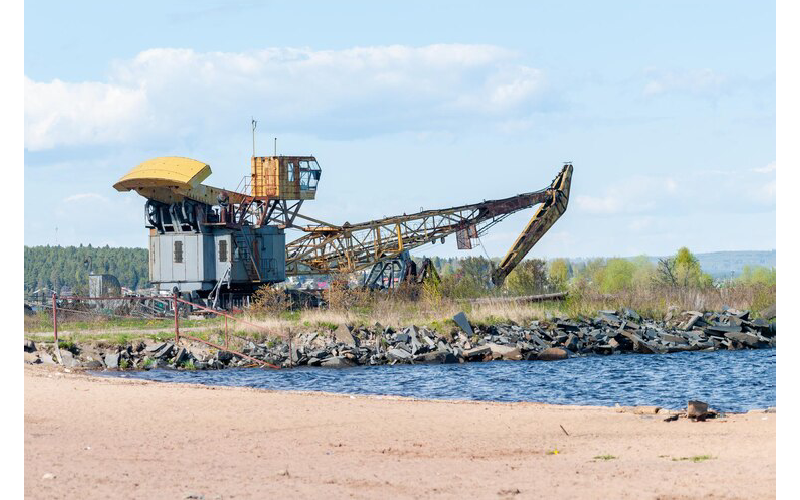
Regular maintenance is key to keeping your auger dredge working well and lasting longer. Start with daily checks, looking over the equipment for cracks or unusual wear, testing the engine for odd noises, and making sure oil and coolant levels are good to avoid overheating or damage. Don’t forget to grease moving parts daily using recommended lubricants since friction can cause early wear. Weekly tasks like draining water separators and inspecting fan belts help prevent bigger problems later. Also, follow periodic schedules for oil changes and component inspections based on operational hours. Proper cleaning after use and storing the dredge in a dry place protect it from rust and corrosion. Overall, sticking to these routines helps reduce downtime, saves repair costs, and keeps your dredge running smoothly longer than you’d expect.
Daily Inspection and Engine Checks
Before starting your auger dredge each day, perform a thorough visual inspection for any cracks, dents, or missing parts. Paying close attention to the overall condition helps catch problems early. When you start the engine, listen carefully for unusual noises, vibrations, or any delay in ignition, as these can indicate underlying issues. Check all gauges, including oil pressure, engine temperature, and battery voltage, to ensure they display normal levels. Testing controls and safety switches is essential to confirm they respond quickly and properly, which keeps operations safe. Inspect the air filters for dirt or clogging; dirty filters reduce airflow and strain the engine, so clean or replace them when needed. Look under the machine for fresh leaks of oil, coolant, or fuel, and verify that all fluid reservoirs are filled to the correct levels and securely capped. Examine engine belts for signs of fraying, cracks, or looseness, since worn belts can cause breakdowns. Also, inspect electrical connections for corrosion, loose wires, or damaged insulation to prevent electrical failures. Make sure to document any irregularities or concerns during these checks so they can be addressed promptly, avoiding bigger problems down the line.
- Visually examine the entire auger dredge for cracks, dents, or missing components before starting work.
- Listen closely during engine startup for unusual noises, vibrations, or delayed ignition.
- Check gauges for oil pressure, engine temperature, and battery voltage to confirm normal readings.
- Test controls and safety switches to ensure they respond correctly and immediately.
- Inspect air filters for dirt or clogging and clean or replace if necessary to maintain airflow.
- Look under the machine for any fresh leaks of oil, coolant, or fuel.
- Verify that all fluid reservoirs are at proper levels and capped securely.
- Check engine belts for signs of fraying, cracks, or looseness.
- Examine electrical connections for corrosion, loose wires, or damaged insulation.
- Document any observations or irregularities for follow-up maintenance or repairs.

Monitoring Oil and Coolant Levels
Before each operation session, always check the engine oil level using the dipstick to ensure it stays within the safe marks. Pay attention not only to the quantity but also the color and consistency of the oil, as changes can indicate contamination or breakdown. Any oil leaks around seals, gaskets, or fittings require immediate attention to prevent further damage. Similarly, keep an eye on the coolant level in both the reservoir and radiator, topping off with the recommended coolant mixture as needed. Inspect coolant hoses and clamps regularly for signs of cracks, bulges, or leaks that could lead to overheating. Make sure the coolant recovery tank is working properly to avoid airlocks and maintain system pressure. Watch for coolant contamination in the oil or engine block, which could signal internal problems. Keep radiator fins clean and free of debris to ensure effective heat dissipation. During operation, monitor engine temperature closely to catch early signs of overheating. Keeping a daily log of oil and coolant levels helps track trends and spot potential issues before they become serious. For example, a steady drop in oil level paired with rising engine temperature might indicate a hidden leak or coolant system failure that needs prompt repair.
Proper Lubrication of Moving Parts
Proper lubrication is vital for keeping your auger dredge’s moving parts functioning smoothly and extending their lifespan. Always apply grease to bearing blocks, pivot points, and cutterhead shafts according to the intervals specified by the manufacturer. Using the correct type and grade of lubricant is critical; using the wrong one can lead to premature wear or damage. Avoid over-greasing, as excess grease can cause seals to fail or attract dirt and debris, which accelerates wear. Regularly inspect grease fittings, also known as zerks, to ensure they are not clogged or damaged, and replace them if necessary. Lubricate couplings and drive shafts to reduce friction and heat buildup, helping prevent operational issues. Keep an eye on gearbox oil levels, topping off or changing the oil as recommended to maintain proper gear function. Before applying fresh grease, clean off old grease and any contaminants to ensure effective lubrication. Plan lubrication tasks during downtime for thorough coverage without interrupting operations. Maintaining detailed lubrication records helps track maintenance consistency and the condition of components over time. Finally, training operators on proper lubrication procedures can prevent missed spots or incorrect application, supporting the overall health and efficiency of your dredge.
Weekly Checks on Belts and Hydraulic Hoses
Each week, take time to inspect all fan belts carefully for proper tension and signs of wear such as cracks, glazing, or fraying. A loose or damaged belt can slip or break, causing downtime and further damage. Adjust tension or replace belts as needed, and check that belts and pulleys are properly aligned to avoid uneven wear. Hydraulic hoses also require close attention; look for abrasions, swelling, leaks, or any hardening caused by heat or age. Ensure all hose fittings and connectors are tight and free from corrosion or damage to prevent leaks. Pay special attention to any spots where hoses may rub against the frame or moving parts, as chafing can lead to failure. If you find any hose showing signs of deterioration, replace it immediately to avoid unexpected breakdowns. If your dredge’s maintenance schedule recommends it, flush hydraulic filters during these weekly checks, especially if operating in dirty or abrasive environments. Testing hydraulic system pressure and response can also reveal early issues with pumps or valves, helping you catch problems before they worsen. Keep belt and hose areas clean by removing dirt and debris, since buildup can speed up wear. Finally, record your findings and any replacements made to maintain a solid maintenance history, making it easier to track patterns and plan future upkeep.
Scheduled Oil and Filter Changes
Regularly changing the engine oil and oil filter is vital for your auger dredge’s health. Follow the manufacturer’s recommendation to replace both after every 100 hours of operation. Using the correct oil grade and filter type ensures compatibility and protects engine components from wear. At 250 and 500 hours, replace the fuel filters to keep the fuel system clean and free from contaminants that can cause performance issues. Hydraulic oil filters should also be replaced at 250 hours or according to the schedule to safeguard sensitive hydraulic components. Always drain the old oil completely to remove sludge and contaminants before adding fresh oil. Inspect drain plugs and seals during oil changes, replace any that show signs of damage or wear to avoid leaks. Checking filters for metal particles or unusual debris can reveal early signs of internal wear, allowing you to address problems before they worsen. Keep detailed logs of all oil and filter changes to track maintenance history and predict upcoming needs. Avoid pushing oil change intervals beyond recommended limits, as this can lead to engine damage and costly repairs. Finally, dispose of used oil and filters responsibly, following local environmental regulations to minimize environmental impact.
Thorough Inspections After Set Operating Hours
Regular inspections at set operating hour intervals are crucial for maintaining your auger dredge’s reliability and extending its service life. At 100 hours, start by changing the engine oil and filter, then carefully inspect the main dredge pump for signs of wear or leaks that could affect performance. When the machine reaches 250 hours, replace both the fuel and hydraulic oil filters, and check bearing blocks, impellers, and pulleys for any damage or abnormal wear. At 500 hours, swap the fuel filters again and conduct a detailed inspection of all moving parts, looking closely for cracks, corrosion, or other signs of fatigue that could lead to failure. Once 1,000 hours have passed, test the hydraulic oil for contamination and replace it if necessary to keep the hydraulic system running smoothly. During these major service intervals, don’t overlook checking cables and safety decals to ensure they remain visible and intact, which is vital for safe operation. Tighten all bolts, nuts, and fasteners to the manufacturer’s torque specifications to avoid loosening that can cause damage or accidents. Pay special attention to metal fatigue or wear patterns on the auger flighting and cutterhead edges, as these components endure heavy stress and can degrade over time. Electrical systems also require inspection, including battery terminals and wiring insulation, to prevent unexpected failures. Whenever possible, conduct non-destructive testing or detailed visual inspections on critical parts to detect issues before they worsen. Document every finding meticulously and schedule repairs or part replacements promptly to avoid downtime and costly breakdowns. This disciplined approach to timed inspections helps catch problems early, ensuring your dredge remains efficient and safe throughout its operational life.
Cleaning and Sharpening Auger Components
After every use, it’s essential to remove mud, clay, and debris from the auger flighting and cutterhead using high-pressure water or air. This prevents buildup that can lead to corrosion or imbalance. For hard-to-reach spots, use brushes or scrapers to ensure no residue remains. Once cleaned, dry the components thoroughly to avoid rust formation. Regularly inspect the cutting edges and teeth for dullness, chips, or bending. Dull or damaged edges reduce efficiency and increase motor strain. Sharpen cutting edges with proper grinding tools or consider professional sharpening for precise results. If teeth are severely worn or damaged, replace them instead of attempting repairs that could compromise performance. After sharpening, balance the auger carefully to prevent vibration and undue stress on the motor and bearings. Before storing, apply a light coat of protective oil or rust inhibitor to preserve metal surfaces. Keeping a sharpening and cleaning log helps maintain consistent maintenance intervals and track component condition over time. Train operators to recognize signs like reduced cutting efficiency or unusual vibrations, so they can address maintenance needs promptly and avoid underperformance.
Safe Storage Practices for Augers
Storing your auger properly is key to preventing damage and extending its life. Always keep augers in a clean, dry, and covered area away from moisture and direct sunlight to avoid rust and UV damage. Elevate them off the ground using racks or hangers to prevent bending or warping of the flighting and shafts. Before putting the auger into long-term storage, apply rust-preventive coatings or oils on all metal surfaces to protect against corrosion. Make sure to disconnect the auger from power sources and secure it to avoid accidental movement or injury. Cover any exposed teeth and sharp edges with protective guards to reduce the risk of injury and damage. Regularly inspect stored augers for signs of corrosion, pest infestation, or physical damage, and avoid stacking heavy items on or against them to prevent warping. Ensure the storage area is well-ventilated to minimize humidity buildup. Label augers and their components clearly for easy identification and to keep maintenance schedules on track. Finally, always follow the manufacturer’s instructions regarding storage duration and procedures to keep your warranty intact and maintain optimal equipment condition.
Replacing Worn Parts Without Delay
Keeping a close eye on the wear of cutting teeth, belts, hoses, and filters is essential to prevent downtime and costly repairs. When you spot worn components, replace them immediately rather than waiting, as delays can cause damage to nearby parts or lead to sudden failures. Always use original equipment manufacturer (OEM) parts to guarantee proper fit and durability, which helps maintain overall machine reliability. Maintaining an inventory of critical spare parts allows quick replacements and minimizes operational interruptions. Follow the correct removal and installation procedures carefully to avoid damage to new parts or other machine components. Dispose of replaced parts responsibly, recycling them when possible and following local regulations. Documenting each replacement with dates helps track the lifespan of components and plan future maintenance. Train your operators and maintenance team to report any signs of wear or malfunction early on. Avoid temporary fixes or makeshift parts, as these can reduce safety and efficiency. Whenever possible, schedule replacements during planned maintenance windows to keep operational disruptions to a minimum.
Adjusting Maintenance for Harsh Conditions
Operating an auger dredge in harsh environments like sandy or saline waters demands a more rigorous maintenance approach. Inspections should be more frequent to catch early signs of wear caused by abrasive particles or corrosion. For example, seals and bearings are more prone to damage in such conditions and need closer monitoring. Lubrication schedules must be increased to combat dirt, dust, and moisture that accelerate wear on moving parts. Filters and fluids, especially hydraulic oils and fuel filters, should be replaced more often to avoid clogging and contamination that can reduce equipment performance. Using corrosion-resistant coatings or materials where possible helps extend the life of exposed components. In hot climates, closely monitoring engine and hydraulic temperatures is critical to prevent overheating and premature failures. Additional cleaning routines are necessary to remove mud, salt deposits, and other contaminants that build up quickly in tough environments. Hoses and belts should be checked more frequently for cracks or brittleness caused by environmental stress. Storage practices must also adapt by protecting equipment from extreme temperature swings and high humidity, which can cause rust and material fatigue. Training operators on careful handling and prompt reporting of any issues is essential, as even minor problems can escalate rapidly under harsh conditions. Finally, maintenance logs should be updated to reflect the increased service intervals and track how these tougher environments affect the dredge’s performance and longevity.
Regular Safety and Equipment Compliance Checks
Maintaining safety and compliance on your auger dredge is critical for both operator well-being and equipment longevity. Start by inspecting all safety decals and labels to ensure they are clear and properly placed; replace any that are faded or missing to maintain visibility of important warnings. Test emergency stop buttons and safety interlocks daily to confirm they respond immediately and reliably. Check cables and wiring harnesses for signs of wear or damage, securing or replacing them as needed to prevent electrical hazards. Make sure guards and protective shields around moving parts are securely in place and free from cracks or deformation to avoid accidents. Operator controls and indicators must operate smoothly and respond accurately to inputs; sluggish or erratic controls can indicate underlying issues that risk safety. Hydraulic hose fittings and connections should be reviewed for leaks, cracks, or looseness, as these can lead to sudden failures or spills. Also, verify that fire extinguishers are present, fully charged, and easily accessible as part of daily routines. Proper lighting and signaling devices need to function correctly to ensure safe operation in low visibility conditions or during night work. Keep detailed records of each safety inspection and any corrective actions taken to maintain compliance and track recurring issues. Regular training for operators on safety protocols, emergency procedures, and the correct use of personal protective equipment reinforces a culture of safety and reduces the chance of accidents or equipment misuse.
Following Manufacturer’s Maintenance Guidelines
Consulting the manufacturer’s manual is essential for maintaining your auger dredge properly. The manual provides detailed schedules for oil changes, filter replacements, and lubrication points that are critical to follow to avoid premature wear. Always use the recommended brands and grades of lubricants, oils, and fuels since this helps maintain warranty coverage and ensures optimal performance. When tightening bolts and fittings, adhere strictly to the prescribed torque settings and assembly procedures to prevent damage or loosening during operation. Replace key components like belts, bearings, and seals at the intervals specified by the manufacturer to avoid unexpected breakdowns. Keep detailed records of all maintenance activities to track service history and anticipate future repairs or replacements. Use only manufacturer-approved cleaning methods and solvents to protect sensitive parts and coatings from damage. Performing diagnostic tests such as pressure checks and fluid sampling at specified operating hours helps detect early issues before they escalate. When parts need replacement, always choose authorized components to ensure compatibility and preserve the machine’s integrity. Be mindful of any manufacturer warnings about operating limits, including maximum load, speed, and environmental conditions, as exceeding these can lead to rapid wear or failure. If you are unsure about any maintenance step or preparing for major repairs, contacting manufacturer support for clarifications or updated procedures is a smart way to avoid costly mistakes.
Frequently Asked Questions
1. What regular checks should I perform on my auger dredge to keep it running well?
Regularly inspect the cutting teeth, hydraulic lines, and moving parts for wear or damage. Check for leaks, ensure all bolts are tight, and clean debris from the auger and surrounding areas to prevent clogging.
2. How often should I change the oil and filters on my auger dredge?
It’s best to follow the manufacturer’s recommended intervals, but generally, oil and filters should be changed after about every 100 operating hours or at least once a season to maintain proper engine and hydraulic system function.
3. What are the best practices for storing an auger dredge when it’s not in use?
Store your dredge in a dry, covered area to protect it from the elements. Drain any water from the system, lubricate moving parts, and disconnect the battery to prevent corrosion and power loss during extended downtime.
4. How can I prevent corrosion and rust on my auger dredge components?
Regularly clean your dredge, especially after use in saltwater or muddy conditions. Apply anti-corrosive sprays or coatings on metal parts and keep them dry when possible. Inspect for chips or scratches in the paint and touch them up promptly.
5. What signs indicate that parts of my auger dredge need replacement to avoid bigger problems?
Look for unusual noises, reduced digging efficiency, visible cracks or breaks in the auger flights, excessive vibration, or leaks in hydraulic hoses. Addressing these early helps avoid more serious damage and costly repairs.
TL;DR To extend your auger dredge’s life, perform daily inspections and engine checks, keep oil and coolant levels on point, and properly lubricate moving parts. Weekly look over belts and hydraulic hoses, and follow a strict schedule for oil and filter changes based on hours used. Clean and sharpen auger components regularly, store them safely in dry spots, and replace worn parts quickly. Adjust maintenance frequency for tough conditions and always follow manufacturer guidelines. Regular safety checks and thorough inspections help avoid costly repairs and downtime.