


When choosing a hydration IV therapy clinic, it’s important to start by verifying their medical credentials and licensing to make sure they meet required health standards. Look for clinics where licensed doctors or registered nurses give the treatments and check if staff have certifications from recognized organizations. Experience matters too; pick providers who’ve treated many patients and can tailor therapies based on your needs. Also, consider clinics offering a variety of infusion options with thorough assessments for personalized plans. Safety is key, ensure they use sterile equipment and follow strict hygiene protocols. Finally, read patient reviews, check pricing transparency, and trust clinics that communicate clearly and provide good support throughout your care journey.
Verify Medical Credentials and Licensing
Before choosing an IV hydration therapy in Atlanta GA, it’s essential to confirm that the facility holds a valid medical license issued by the relevant state or national health authority. This ensures the clinic meets legal standards and operates under proper regulations. IV therapy should be administered by qualified medical professionals such as licensed doctors, nurse practitioners, or registered nurses, who have the training to handle the procedure safely. Look for certifications from recognized organizations like the Infusion Nurses Society (INS) or the National Infusion Center Association (NICA), which indicate specialized knowledge and commitment to best practices. It’s also important to verify if the providers have board certifications in related fields such as internal medicine or emergency medicine, as these specialties often involve expertise in intravenous treatments. Ask the clinic whether staff participate in ongoing education to stay current with the latest IV therapy techniques and safety protocols. Additionally, check if the clinic complies with local health regulations and undergoes regular audits or inspections by medical boards or health departments. A reputable clinic will have a medical director overseeing treatment protocols and ensuring staff competency. Confirm that accurate patient records and informed consent forms are maintained properly. Finally, make sure the clinic and its practitioners carry adequate liability insurance and malpractice coverage, which protects patients and staff in case of any complications.
- Confirm the clinic holds a valid medical license from the appropriate state or national health authority.
- Verify that IV therapy is administered by qualified medical professionals such as licensed doctors, nurse practitioners, or registered nurses.
- Look for certifications from recognized organizations like the Infusion Nurses Society (INS) or the National Infusion Center Association (NICA).
- Check if providers have board certifications in relevant specialties such as internal medicine or emergency medicine.
- Ensure staff participate in ongoing education to stay current with IV therapy best practices and safety standards.
- Review the clinic’s compliance with local health regulations and standards.
- Ask if the clinic undergoes regular audits or inspections by medical boards or health departments.
- Confirm the presence of a medical director overseeing treatment protocols and staff competency.
- Verify that the clinic maintains accurate patient records and informed consent documentation.
- Ensure that liability insurance and malpractice coverage are in place for the clinic and its practitioners.
Assess Experience and Expertise of the Clinic
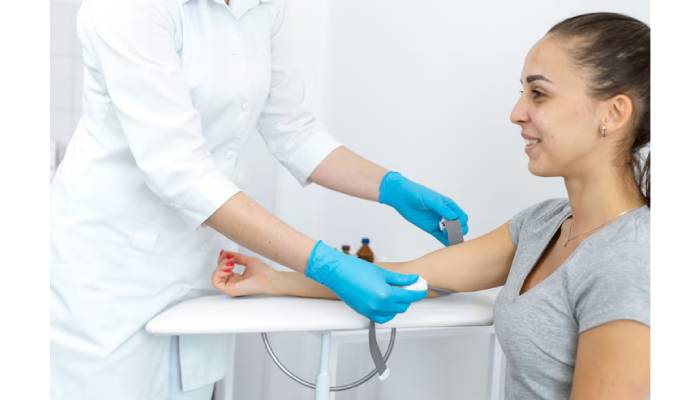
When choosing a hydration IV therapy clinic, it’s important to consider how long the clinic has been offering these services and the breadth of their experience. A clinic with several years of practice and a large number of treated patients is more likely to have developed effective protocols and handle different situations confidently. Ask about the types of conditions they commonly treat, such as fatigue, immune support, athletic recovery, or chronic illnesses, to ensure they align with your needs. Experienced providers tailor treatments based on your individual medical history and health goals, rather than using one-size-fits-all approaches. It’s also crucial that the clinic has staff trained in proper IV insertion techniques and can manage any complications or adverse reactions promptly and safely. Clinics should offer consultations to assess your suitability for IV therapy and discuss potential risks before starting treatment. Additionally, look for clinics that document treatment outcomes and track patient progress to ensure they provide ongoing, evidence-based care. A well-rounded clinic often integrates IV therapy with other health services or wellness plans, showing a deeper understanding of holistic patient care.
Evaluate Range and Customization of IV Therapy Services
When choosing a hydration IV therapy clinic, it’s important to pick one that offers a wide variety of treatments. This should include basic hydration for dehydration, vitamin infusions like Vitamin C drips or the Myers’ Cocktail, as well as therapies aimed at immune support, detoxification, and specific conditions such as migraines, fatigue, or athletic recovery. A good clinic will start with a thorough health assessment to understand your individual needs before recommending any treatment. Personalized plans should reflect your health status, lifestyle, and goals, rather than a one-size-fits-all approach. Additionally, look for clinics that provide complementary services like nutritional counseling or lab tests to enhance your therapy results. Flexibility is key, so ask if they offer adjustable infusion rates and the ability to safely combine ingredients tailored to your needs. Some clinics use standardized blends, while others create custom mixes, knowing this can help you find a provider that suits your preferences. Also, check if the clinic regularly updates their protocols based on the latest research and patient feedback. Lastly, a responsible clinic will take time to educate you on what each therapy can realistically achieve, helping you make informed decisions about your care.
Check Safety and Hygiene Standards
When choosing a hydration IV therapy clinic, it’s important to confirm that they use sterile, single-use IV equipment and disposables for every patient to prevent infections. Make sure the clinic follows strict infection control protocols, including proper hand hygiene and regular surface sterilization. The treatment area should be clean, organized, and comply with local health regulations. If the clinic uses any reusable equipment, ask about their sterilization methods to ensure safety. Staff should be trained in aseptic techniques and know how to respond to emergencies. Check that emergency equipment like oxygen, epinephrine, and defibrillators are available on site. Continuous monitoring of patients during the infusion is crucial to catch any adverse reactions early. A reliable clinic will also provide clear post-treatment care instructions and schedule follow-ups. Additionally, verify that the clinic disposes of medical waste according to hazardous waste guidelines. It’s worth asking if the clinic has documented any safety incidents and how they improved their protocols, as this shows a commitment to patient safety and quality care.
Confirm Quality of Ingredients and Products Used
When choosing a hydration IV therapy clinic, it’s important to confirm that all fluids and additives are pharmaceutical-grade and come from reputable manufacturers. Ask the clinic to be transparent about their suppliers and where the ingredients originate to ensure purity and safety. Proper storage is also key; products should be kept according to manufacturer guidelines to maintain their potency and effectiveness. Check that the clinic monitors expiration dates carefully and never uses products past their shelf life. It’s essential that additives do not contain harmful contaminants or allergens that could cause adverse reactions. Inquire if the clinic performs quality checks on ingredients before use and avoids any unapproved or experimental substances. The formulations used should be approved by recognized medical regulatory bodies and updated regularly based on the latest safety data. Additionally, understanding how the clinic handles and prepares these products can give you confidence that ingredient integrity is maintained throughout the process. For example, a clinic that uses sealed, sterile vials and prepares IV mixes in a clean environment reduces the risk of contamination and ensures you receive safe, effective hydration therapy.
Review Clinic Reputation and Patient Feedback
When choosing a hydration IV therapy clinic, researching patient reviews across platforms like Google, Yelp, and health forums can provide a broad perspective on the clinic’s reputation. Look for consistent positive feedback highlighting treatment effectiveness and staff professionalism. Pay attention to testimonials that mention comfort during sessions, staff responsiveness, and how clearly information about the treatment was communicated. It’s important to consider the clinic’s history regarding patient safety and how they handle complaints, multiple unresolved negative reviews or reports of adverse events are red flags. Endorsements or referrals from healthcare providers or local medical communities add credibility. Also, check the clinic’s transparency in sharing patient outcomes and potential risks, as well as their activity on social media where responsiveness to patient inquiries can indicate good customer care. Awards, recognitions, or certifications reflecting quality care can further confirm the clinic’s reliability. Finally, patient stories that discuss follow-up care and long-term results help gauge the clinic’s commitment to ongoing support and treatment success.
Consider Convenience and Accessibility
Selecting a hydration IV therapy clinic that is easy to reach can make a big difference in your overall experience. Look for a location close to your home or workplace to cut down on travel time, especially if you plan on regular visits. A clinic with flexible hours, including evenings and weekends, helps fit treatments into a busy schedule without hassle. Easy appointment booking via online platforms or phone can save you time and reduce stress. Check if the clinic offers parking or is near public transportation, as this affects how smoothly you can get there. Also, consider the wait times for both appointments and treatments to avoid long delays. Some clinics provide mobile or at-home IV therapy services, which can be a convenient option if getting to the clinic is difficult. Accessibility features for patients with disabilities should be evaluated to ensure comfortable access. It’s worth confirming the clinic’s cancellation and rescheduling policies to avoid penalties if your plans change. Finally, ask if walk-in visits or emergency appointments are available, and see how clear and easy it is to communicate with staff or find directions to the clinic. These factors together can help you pick a clinic that fits seamlessly into your lifestyle.
Evaluate Customer Service and Support
When choosing a hydration IV therapy clinic, pay close attention to the quality of customer service and support. Staff should be polite and willing to answer all your questions fully, whether before, during, or after your treatment. A good clinic clearly explains the process, potential risks, and what results you can expect, helping you feel informed and comfortable. Check if they offer easy access to support for scheduling appointments, billing, and insurance inquiries, and see how quickly and effectively they respond to phone calls, emails, or in-person questions. Many clinics provide written or digital materials to help patients better understand their therapy, which can be a sign of thorough care. Also, ask if the staff follow up after your treatment to monitor your progress or address any concerns. The environment should feel welcoming, prioritizing patient comfort and confidentiality while respecting your preferences and accommodating special requests. Clear instructions for pre- and post-treatment care are essential to ensure you get the most benefit from your therapy. Finally, verify that billing and payment processes are transparent and straightforward, avoiding surprises or confusion. All these factors contribute to a smoother, more reassuring experience at the clinic.
Understand Pricing, Insurance, and Payment Options
Before choosing a hydration IV therapy clinic, ask for a detailed breakdown of all costs including consultation, infusion, and any follow-up fees to avoid unexpected charges. Compare prices from multiple clinics to get a sense of fair market rates in relation to the quality of service offered. Check if your insurance covers IV therapy and which plans the clinic accepts, as coverage varies widely. It’s important to understand your out-of-pocket expenses and the clinic’s reimbursement process if applicable. Some clinics offer payment plans, financing options, or discounts for purchasing multiple sessions, so inquire about those possibilities. Confirm that quoted prices include all supplies and professional fees, and ask about cancellation policies or fees that might affect your overall cost. Look into package deals or membership programs if you plan on regular treatments, which can provide better value. Also, check if additional services like lab tests or nutritional counseling come with extra charges. Make sure all pricing information is shared upfront to help you make an informed decision without surprises.
Watch for Red Flags When Choosing a Clinic?
When selecting a hydration IV therapy clinic, it’s important to watch for warning signs that could indicate poor quality or unsafe practices. Avoid clinics that lack proper medical licenses or are staffed by personnel without valid credentials. Cleanliness is crucial, if the clinic looks unkempt or you don’t see clear hygiene protocols, it’s best to steer clear. Be cautious of providers who are unwilling to share their qualifications or details about the treatment process. Clinics that promise instant cures or guaranteed results should raise suspicion, as no legitimate medical treatment can make such claims. Extremely low prices may sound appealing but often reflect substandard care or unsafe materials. Pay attention to communication: if calls go unanswered or answers are vague and evasive, it’s a red flag. Also, make sure the clinic has emergency procedures and trained staff ready to handle any adverse reactions during therapy. Avoid clinics that pressure you into treatments without a thorough health assessment or those that ignore established medical guidelines. Providers who refuse to disclose information about the products they use or the treatment protocols should be approached with skepticism. Finally, consider patient feedback seriously, consistent negative reviews or unresolved complaints are strong warnings to look elsewhere.
Know What to Expect During Your IV Therapy Session
When you arrive for your IV therapy session, expect it to last anywhere from 30 to 60 minutes depending on the treatment you receive. Before the infusion begins, a medical consultation is conducted to determine the best IV formula tailored to your specific health needs. During this time, you’ll be asked about your medical history and current health status to ensure safety and effectiveness. The IV insertion may cause a slight pinch or mild discomfort, but the infusion itself is usually painless. Qualified healthcare professionals such as doctors or registered nurses will administer the therapy and monitor you throughout the session. You’ll be seated or reclined comfortably in a quiet, clean environment that follows strict hygiene protocols to reduce any risk of infection. Some clinics also offer additional services like nutritional advice or lab tests alongside your treatment. After the infusion, follow-up care or monitoring may be recommended to track your progress and make any necessary adjustments to future sessions.
Frequently Asked Questions
1. What should I look for in the qualifications of the staff at a hydration IV therapy clinic?
It’s important to ensure the clinic has licensed medical professionals like doctors or nurses administering the therapy. This helps guarantee the procedures follow safety standards and are tailored to your health needs.
2. How can I verify the sanitation and safety protocols of a hydration IV therapy clinic?
Ask about their sterilization methods, how they handle equipment, and their infection control practices. A reputable clinic will be transparent about these measures and comply with healthcare guidelines to protect clients.
3. Why is it important for a clinic to customize IV treatments rather than using a one-size-fits-all approach?
Personalized treatments consider your specific health conditions and hydration needs, making therapy more effective and safe. Avoid clinics that offer the same IV mix to everyone without proper assessment.
4. How can I assess the clinic’s experience and reputation in providing hydration IV therapy?
Look for clinics with positive reviews and testimonials from real clients. You can also check how long they have been in business and whether they have credentials or affiliations with recognized medical organizations.
5. What role does a thorough health screening play before receiving IV hydration therapy?
Health screening helps identify any conditions or allergies that could affect treatment safety. A good clinic will conduct a detailed assessment to avoid complications and tailor the therapy appropriately.
TL;DR When choosing a hydration IV therapy clinic, make sure the clinic is medically licensed and staffed by experienced professionals. Look for customizable treatment options using high-quality ingredients, and confirm strict safety and hygiene standards are followed. Check the clinic’s reputation through reviews, ensure convenient location and scheduling, and evaluate their customer service and pricing transparency. Avoid providers with poor credentials, unclear information, or unrealistic claims. Knowing what to expect during your session helps you feel more comfortable. Taking these steps will help you find a safe and effective clinic tailored to your needs.