

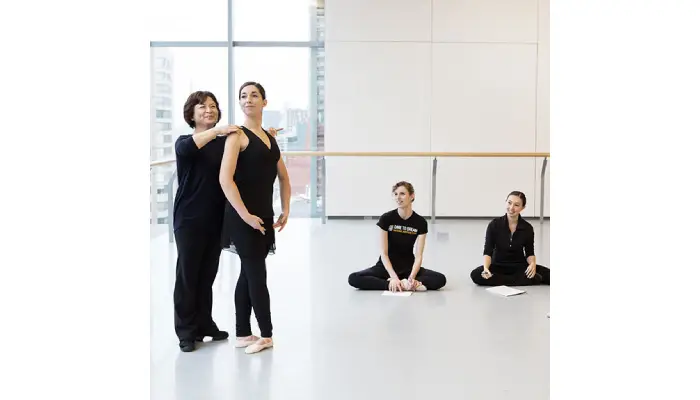
Choosing a ballet dance teacher training course in Toronto can feel overwhelming, but breaking down your decision helps. Start by defining your goals, like whether you aim to teach recreational classes or focus on professional students. Make sure to pick recognized programs with strong accreditation. Look for comprehensive curricula covering pedagogy and anatomy, plus hands-on teaching experiences. It’s crucial to know the qualifications of instructors; experienced teachers offer invaluable insights. Also, consider the program’s support services and networking opportunities which are vital for career growth. Lastly, keep financial aspects and location in mind to ensure it fits comfortably into your life plans.
1. Understand Your Goals as a Dance Educator
Before diving into ballet teacher training courses, it’s essential to clarify your goals as a dance educator. Start by identifying your teaching philosophy, as this will guide your approach in the classroom. Ask yourself what age group you feel most passionate about teaching, whether it’s young children discovering dance for the first time or teens preparing for professional careers. Reflecting on your personal dance journey can also provide insight into your teaching style; consider how your experiences and challenges shape the way you want to guide your students.
Setting both short-term and long-term career objectives is crucial. Do you aim to foster a love for dance in your students, or are you more focused on refining their technique and preparing them for performances? It’s important to determine whether you want to concentrate on competitive dancers or those who prefer recreational classes. Your aspirations will influence the type of training you seek.
Additionally, consider how you envision contributing to the local dance community. Are you interested in creating inclusive spaces that welcome dancers of all levels, or do you prefer a more traditional approach? Visualizing your ideal classroom environment can help you choose a program that aligns with your vision. Lastly, think about your willingness to engage in ongoing education. Dance is an ever-evolving art form, and being open to continuous learning will enhance your effectiveness as an educator.
- Identify your teaching philosophy to guide your approach.
- Consider the age group you feel most passionate about teaching.
- Reflect on your personal dance journey and how it shapes your teaching style.
- Set short-term and long-term career objectives in dance education.
- Think about how you can foster a love for dance in your students.
- Determine if you want to focus on technique, performance, or both.
- Assess how you can contribute to the local dance community through your teaching.
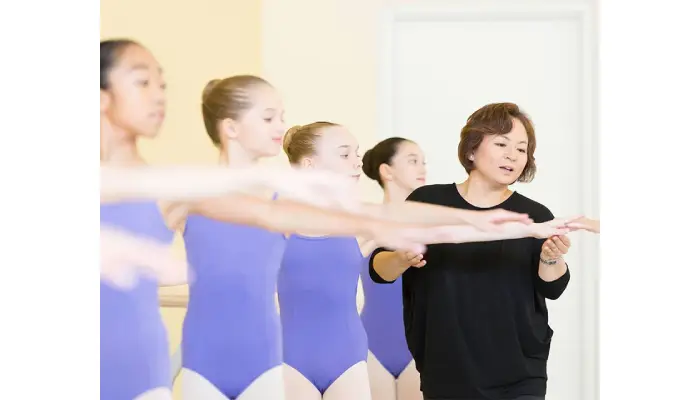
2. Importance of Accreditation and Recognition
When selecting a ballet dance teacher training course, the importance of accreditation and recognition cannot be overstated. Start by checking if the program is acknowledged by local and national dance organizations, as this ensures the training meets industry standards. Look for affiliations with professional teaching bodies or associations, which can indicate credibility and quality. Accredited programs often have better resources and expert faculty, providing students with a more comprehensive education.
Consider whether the program has partnerships with reputable dance institutions, as such connections can enhance your training experience and expand your professional network. Research the history and success of the program within the community; established programs often have a track record of successful graduates who are now working in the field.
Accreditation can significantly influence job prospects after graduation, making it essential to understand the difference between regional and national accreditation. Investigate if the program has received any awards or recognition, as this can reflect its commitment to excellence. Additionally, seek out graduate success stories related to the program’s accreditation; knowing that others have successfully launched their careers can provide reassurance and motivation. Ultimately, accreditation impacts not only the program’s curriculum and quality but also your future as a dance educator.
3. Evaluating Curriculum and Course Content
When evaluating ballet dance teacher training courses, it’s essential to look closely at the curriculum and course content. A well-rounded program should strike a balance between practical experience and theoretical knowledge. For instance, while you want to master ballet techniques, understanding anatomy and child development is equally important. This foundation can help you tailor your teaching to different age groups and learning styles.
Additionally, consider whether the curriculum offers a variety of dance styles beyond ballet. Exposure to different genres can enhance your versatility as an educator. Courses that cover dance psychology and classroom management are also valuable, as they prepare you to create supportive learning environments.
Hands-on learning should be a key component of the training. Look for programs that include teaching practicums or opportunities to engage with real students. Guest lectures or workshops from industry professionals can further enrich your learning experience, providing insights that go beyond textbooks.
Moreover, assess how the program adapts to current trends in dance education. Are there opportunities for student performances? Regular assessments can also help measure your progress, ensuring that you are meeting your learning goals. Finally, a curriculum that encourages creativity and innovation in teaching will prepare you to inspire your future students.
4. Exploring Teaching Methodologies in Ballet Training
When selecting a ballet teacher training course, it’s vital to explore the teaching methodologies employed within the program. Researching various teaching approaches can reveal their effectiveness in fostering student engagement and understanding. Look for programs that prioritize critical thinking and adaptability, as these skills are crucial for addressing the diverse needs of students. A good training program should cater to different learning styles, ensuring that all students can thrive.
Injury prevention and healthy practices should also be a focus within the curriculum. Programs that incorporate these elements not only prepare educators to teach safely but also promote overall well-being in their students. Additionally, consider how cultural diversity is integrated into the teaching methods; embracing multiple perspectives can enrich the learning experience for everyone involved.
It is important to see if the program emphasizes student-centered learning. By prioritizing the needs and interests of students, educators can create more effective and supportive learning environments. The use of technology and multimedia in teaching can enhance the learning process, making it more engaging and accessible.
Mentorship from experienced educators is another key component to look for. Having seasoned professionals guide you can provide invaluable insights into teaching practices and classroom management. Furthermore, methodologies that promote emotional intelligence in teaching can greatly impact student relationships and classroom dynamics.
Lastly, check if the program includes mechanisms for feedback and continuous improvement. This aspect is crucial in developing reflective practices, allowing educators to grow and adapt their teaching strategies as needed.
5. Duration and Structure of Teacher Training Programs
When choosing a ballet dance teacher training program, the duration and structure can significantly impact your learning experience. Programs typically range from one year for certificates to three years for diplomas, so it’s essential to review the total credit hours required for completion. Consider whether you prefer an intensive format that immerses you in training or a more spread-out schedule that allows you to balance other commitments. Look for options that offer a combination of online and in-person learning, which can provide flexibility and convenience.
Additionally, check if the program provides summer sessions or workshops to enhance your training. Some programs may also offer accelerated paths to certification, allowing you to complete your training in a shorter time frame. It’s crucial to assess how the program’s structure supports a work-life balance, especially if you have other responsibilities.
Flexibility in class schedules is another key factor. Programs that offer part-time study options can be beneficial for those who need to accommodate work or personal commitments. Finally, evaluate any capstone or thesis requirements, as these can shape your final learning experience. Also, ensure the program includes comprehensive exam preparation to set you up for success in your teaching career.
6. Researching Instructor Qualifications
Choosing the right ballet dance teacher training course involves understanding the qualifications of the instructors. Start by looking for faculty members who hold advanced degrees in dance education or related fields, as this often indicates a strong foundation in both theory and practice. Investigate their professional dance experience and teaching history to gauge their practical knowledge and ability to convey that to students. It’s also beneficial to assess whether instructors are actively involved in the dance community, as this can provide valuable networking opportunities and insights into current trends in the field.
Additionally, check if any faculty have published research or contributed to dance literature, as this showcases their commitment to advancing the field. The size of the faculty-to-student ratio is another important factor; smaller classes often allow for more personalized attention and mentorship. Look for instructors who have a passion for mentoring new educators, as their guidance can be invaluable during your training.
Evaluate whether instructors prioritize ongoing professional development for themselves, as this reflects their dedication to staying updated in the ever-evolving world of dance. Consider the diverse teaching settings in which instructors have experience, whether in studios, schools, or community programs, as this can enrich your learning experience. A faculty with expertise in various dance styles can also broaden your understanding and teaching capabilities. Lastly, seek opportunities to interact with instructors outside of classes, as building relationships can enhance your educational journey.
7. Importance of Networking Opportunities for Students
Networking is a crucial aspect of any dance education program. Look for courses that help you connect with local dance companies, as these relationships can open doors for teaching gigs or collaborations. Programs that host events, workshops, or guest speakers give students a chance to learn from industry leaders and establish valuable connections. Alumni networks can be a goldmine, too; active alumni often mentor current students or share job opportunities.
Internships or shadowing programs provide real-world experience while allowing you to build your professional network. Student showcases or performances not only enhance your teaching skills but also allow you to meet fellow dancers and instructors, creating a supportive community. Mentorship programs that pair students with experienced professionals can offer insights that are hard to find in textbooks.
Workshops that encourage collaboration among students foster teamwork and creativity, essential traits in dance education. It’s also beneficial if the program participates in dance conferences or festivals, as these events are perfect for meeting others in the field. Remember, networking can significantly impact your job prospects after graduation, so consider programs that facilitate social events encouraging interaction among peers and faculty.
8. Assessing Student Support Services Available
When selecting a ballet dance teacher training course in Toronto, it is crucial to assess the student support services available. Start by evaluating academic advising services, as they can help you navigate your education and make informed decisions about your coursework. Look for career services that offer job placement assistance and internship opportunities, which can be invaluable as you prepare to enter the workforce. Mental health resources and counseling services on campus are also important, as they provide support during stressful times.
Additionally, consider the availability of tutoring or extra help in challenging subjects, which can enhance your learning experience. Programs that offer workshops on resume building and interviewing skills can give you a competitive edge in the job market. It is also beneficial to investigate if there are support groups for students facing challenges, as these can foster a sense of community.
Financial planning and budgeting resources are essential, especially if you are managing tuition and living expenses. Facilities for dance practice and rehearsals should be assessed as well, as access to suitable spaces can greatly impact your training. Finally, evaluate the responsiveness of faculty and staff to student needs; supportive instructors can make a significant difference in your educational journey.
9. Financial Considerations for Dance Teacher Training
When selecting a ballet dance teacher training course in Toronto, financial considerations play a crucial role. Start by thoroughly reviewing tuition costs, making sure to account for any hidden fees, such as materials or equipment needed for your classes. These costs can add up quickly, so it’s essential to have a clear picture of the total financial commitment.
Investigate potential scholarships specifically for students pursuing dance education. Many institutions offer financial aid tailored to the arts, which can significantly reduce your expenses. If you need to balance work and study, consider part-time employment opportunities that align with your schedule. Some programs may also provide flexible work options that allow you to gain experience while earning money.
Look for programs that offer payment plans to spread out costs over time, making tuition more manageable. Additionally, assess the availability of grants for students in teacher training. This can provide further financial relief and support your educational journey.
Consider the long-term return on investment of your chosen program. Research the job placement rates and potential earnings of graduates to ensure that the financial investment will pay off in the future. Financial literacy resources can also be invaluable, helping you manage your budget and plan for repayment of student loans.
If relocating for your studies, evaluate housing costs in Toronto, as these can vary significantly by neighborhood. Finally, check if there are opportunities for teaching assistantships, which can help offset costs while providing practical experience. With careful planning and exploration of these financial aspects, you can make informed choices that support your ambitions in dance education.
10. Location and Facilities for Optimal Learning
When selecting a ballet teacher training program, the location and facilities play a crucial role in your overall learning experience. Consider how close the program is to major dance hubs or cultural centers in Toronto, as being near these areas can provide additional opportunities for networking and exposure to the dance community. Evaluate the quality and accessibility of the dance studios and performance spaces offered, ensuring they are well-equipped and conducive to both practice and performance.
Resources such as libraries and technology can enhance your studies, so check what is available on campus. Partnerships with local theaters or dance companies can also enrich your training, providing real-world insights and opportunities for collaboration. For commuting students, investigate transportation options to ensure you can easily access the program, especially during busy rehearsal periods.
Look for programs situated in vibrant neighborhoods with active arts communities, as this can foster inspiration and creativity. Safety and security of the location should not be overlooked, as a secure environment is vital for peace of mind while pursuing your education. Additionally, assess the overall environment of the campus; a welcoming and supportive atmosphere can significantly contribute to your personal growth.
Facilities that promote health and wellness for dancers, such as fitness centers, studios with proper flooring, and even spaces for relaxation, can greatly enhance your training. Lastly, consider the availability of recreational spaces for student use, which can foster community and balance during your intensive training.
11. Investigating Program Reputation and Reviews
When choosing a ballet dance teacher training course in Toronto, investigating the program’s reputation and reviews is crucial. Start by looking for online reviews on independent platforms, as these can provide insights into overall student satisfaction. Pay attention to program ratings on educational websites, where both positive and negative feedback can guide your decision. Researching alumni success stories is also beneficial; it allows you to see how the program has influenced their careers. Speaking with current students can give you firsthand accounts of their experiences and the quality of instruction.
Consider how long the program has been operating and its track record within the dance community, as established programs often have a stronger reputation. Check if the program has received any awards or recognitions in the dance education field, which can indicate excellence. Additionally, examining the program’s social media presence can offer insights into its culture and community engagement.
Professional forums or groups where dance educators share experiences can be valuable resources. Look into whether the program has partnerships with local dance companies or organizations, as this can enhance its reputation. Finally, don’t ignore any complaints or concerns raised by former students; identifying potential red flags can help you avoid programs that may not meet your expectations.
12. Opportunities for Continued Professional Development
When selecting a ballet teacher training program, it’s crucial to consider what opportunities for continued professional development are available. Many programs offer workshops, seminars, or guest lectures featuring industry experts, which can enhance your learning experience. Additionally, look for options that allow you to pursue advanced certifications after your initial training, as these can bolster your credentials and teaching skills.
Mentorship programs connecting students with experienced professionals can provide invaluable insights and guidance as you begin your career. It’s also beneficial to investigate whether the school offers access to online resources and courses for ongoing education, allowing you to stay updated on the latest trends and techniques in ballet education.
Networking events are another essential aspect; they enable graduates to connect with potential employers and fellow educators. Check if the program has affiliations with professional organizations, as this can open doors to additional training resources and industry connections. Collaborative learning opportunities through partnerships with other institutions can further enrich your educational experience.
Internships or teaching assistant positions during or after the program can provide practical experience and enhance your resume. Researching whether alumni have access to exclusive training sessions or resources after graduation can also help you gauge the program’s long-term value. Finally, inquire about refresher courses or specialized training in emerging dance techniques or pedagogies, ensuring you can adapt to the evolving landscape of dance education.
13. Navigating the Application Process
Navigating the application process for ballet dance teacher training courses in Toronto can be a significant step in your journey. Start by gathering all necessary documents well in advance, such as transcripts and letters of recommendation, to avoid last-minute stress. Each program may have specific requirements, so it’s important to understand these differences clearly. Prepare a strong personal statement that reflects your passion for dance education; this is your chance to showcase your dedication and unique perspective.
If auditions are required, practice thoroughly and seek feedback from mentors or peers to ensure you present your best self. Keeping track of application deadlines is crucial, as late submissions can hinder your chances. If you find any part of the application confusing, don’t hesitate to reach out to admissions advisors for clarity.
Organizing your application materials in a clear and professional manner will leave a positive impression. If interviews are part of the process, practice common questions and articulate your motivations confidently. Remember to highlight any relevant experience or training in your application, as this can significantly strengthen your profile. Lastly, stay informed about any updates or changes from the program through their website or communications, ensuring you are well-prepared every step of the way.
14. Understanding Program Outcomes and Job Placement
When selecting a ballet dance teacher training course in Toronto, it’s crucial to understand the program outcomes and job placement success of its graduates. Start by requesting data on job placement rates, focusing on how many graduates secure positions in your desired teaching environments, whether that’s local schools, community studios, or professional dance institutions. Inquire about the types of roles alumni have landed post-graduation, as this will give you insights into the program’s effectiveness in preparing teachers for the workforce.
Researching the program’s connections with local dance schools or studios can be highly beneficial; strong partnerships can facilitate job placements for graduates. Additionally, ask about career support services offered by the program, such as assistance with resume writing and job searching, as these resources can significantly enhance your chances of employment after completing your training.
Investigating the presence of an active alumni network is also important. Such networks often provide valuable connections and job leads that can help you get started in your career. Consider the geographic range of job placements, as some programs may primarily focus on local opportunities, while others might have a broader reach.
Look for testimonials from alumni regarding their job search experiences; positive feedback can indicate a program’s strength in this area. Assess whether the program has a proven track record of graduates pursuing further education, as this speaks to the quality of training and the desire for continued growth in the field.
Lastly, research the program’s reputation among employers in the dance education sector to gauge how well graduates are received. Opportunities for graduates to showcase their skills through performances or community events can also enhance your employability, making these factors vital considerations in your decision-making process.
Frequently Asked Questions
What should I look for in a ballet teacher’s qualifications?
It’s important to check their teaching experience, certification, and their own dance training. Look for teachers who have been trained in reputable ballet schools and have experience working with different age groups.
How do I assess the teaching style of a ballet instructor?
Observing a trial class can be helpful. Pay attention to how they communicate, encourage students, and structure their lessons. A good teacher should be able to explain concepts clearly and adapt to students’ needs.
What are the benefits of group versus one-on-one ballet training?
Group classes offer social interaction and teamwork, while one-on-one sessions provide personalized attention and feedback. Consider your learning style and comfort level when choosing which option fits you best.
How can I tell if a ballet training course is right for my skill level?
Look for courses that are labeled for beginners, intermediate, or advanced dancers. Many schools offer skill assessments to help place you in the right class, so don’t hesitate to ask about this.
What factors should I consider regarding the location of the training?
Consider convenience, accessibility, and the environment of the studio. A studio that is easy to get to is more likely to encourage regular attendance, but also think about the vibe of the place and if it feels comfortable for you.
TL;DR Choosing ballet dance teacher training courses in Toronto involves understanding your goals as a dance educator, ensuring the program is accredited, and evaluating the curriculum for comprehensive content. Investigate teaching methodologies, program duration, and instructor qualifications while considering networking opportunities and student support services. Factor in financial considerations, location, and facilities, as well as the program’s reputation, continued professional development options, and the application process. Lastly, assess job placement rates to ensure a successful career path after graduation.
Resource URL:
https://en.wikipedia.org/wiki/Dance_education
https://www.nbs-enb.ca/train-develop/professional-development/courses-for-dance-teachers/