

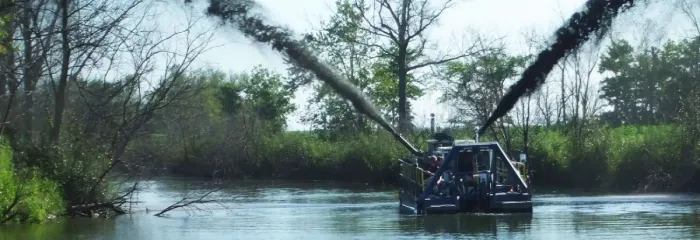
Calculating the cost of a hydraulic dredge operation can be an exciting challenge! This comprehensive research report dives deep into the factors that influence costs, making it easier to understand. Key elements include equipment, labor, fuel expenses, and even permit fees. There’s also a discussion on methodologies for calculation which can simplify budgeting for your project. Practical considerations are vital too; they can help avoid unexpected expenses during dredging operations. By following these insights and breaking down expenses step by step, you’ll have a clearer view of your total investment. Get ready to tackle those waters with confidence!
Factors Influencing Hydraulic Dredge Costs
Several factors can significantly influence the costs of a hydraulic dredge operation. The type of dredge used plays a crucial role; larger, more capable dredges typically command higher operational costs compared to smaller units. Additionally, the size of the project impacts overall expenses, with larger projects necessitating more equipment and resources, thus driving up costs.
Location is another key factor. Projects situated in remote areas can incur additional transportation and logistics costs, making it essential to factor these into your budget. Similarly, site conditions, such as difficult terrain or underwater obstacles, can complicate operations, leading to increased costs due to potential delays and the need for specialized equipment.
Environmental regulations must also be considered, as compliance can introduce extra expenses and extend project timelines. Weather conditions, particularly in seasonal projects, can affect operational efficiency and lead to unexpected costs. Labor availability is another variable; when skilled labor is in high demand, wage costs can rise, impacting the overall budget.
Market demand can fluctuate, influencing pricing for services, while equipment availability can also play a part. Limited access to necessary equipment may result in rental fees or delays that can increase project costs. Finally, the duration of the project is pivotal, as longer projects often incur more expenses for labor, equipment use, and maintenance over time.
- Type of dredge: Different dredges have varying operational costs based on size and capability.
- Project size: Larger projects generally lead to higher overall costs due to increased equipment use.
- Location: Remote locations can increase transportation and logistics expenses.
- Site conditions: Difficult terrain or underwater obstacles can complicate operations and raise costs.
- Environmental regulations: Compliance with laws can add additional expenses and time.
- Seasonal factors: Weather conditions can affect operational efficiency and project timelines.
- Labor availability: Higher demand for skilled labor can lead to increased wage costs.
- Market demand: Fluctuations in the dredging market can impact pricing for services.
- Equipment availability: Limited access to necessary equipment can lead to rental fees or delays.
- Duration of project: Longer projects incur more costs for labor, equipment, and maintenance.

Understanding Dredge Operation Methodologies
Dredging involves various methods, each tailored to specific project needs and material types. Mechanical dredging, for instance, employs buckets or claws to scoop out sediment from the bottom, making it effective for harder materials. On the other hand, hydraulic dredging uses powerful suction to remove softer soils, often providing a more efficient solution. A specialized form, cutter suction dredging, adds a rotating cutter to break up tough materials before they are suctioned away. This method is particularly useful in challenging environments where sediment is compacted or dense.
Environmental dredging focuses on removing contaminated sediments while causing minimal disruption to surrounding ecosystems. This method requires careful planning to protect the environment and often involves advanced techniques. Maintenance dredging, as the name implies, is about keeping waterways clear by regularly removing sediment to maintain their depth. This is crucial for navigation and flood prevention.
In contrast, capital dredging aims to create new navigation channels or deepen existing ones, usually requiring significant investment and planning. Seasonal dredging adapts to the changing conditions of waterways, ensuring operations are efficient throughout the year. Emergency dredging responds rapidly to urgent situations, such as blockages or natural disasters, to restore normal conditions.
Innovative techniques like eco-dredging are emerging, focusing on reducing the environmental impact of dredging operations. Each project may require a unique methodology, emphasizing the importance of understanding specific site conditions and project goals. This variety in dredging approaches highlights the need for a strategic assessment, ensuring optimal efficiency and effectiveness in every operation.
Calculating Equipment and Labor Costs
To accurately calculate the cost of a hydraulic dredge operation, begin with understanding the hourly rates for each piece of equipment involved. This includes the dredge itself, support vessels, and any auxiliary machinery. For instance, if the dredge operates at $200 per hour and the support equipment at $100 per hour, you can start to piece together the cost framework. Next, consider labor rates, which vary between skilled and unskilled workers. For example, skilled operators might earn $30 per hour, while laborers could be at $15 per hour. If your project needs 5 skilled workers and 10 laborers, these rates can add up quickly.
Overtime costs are another critical factor. If your project extends beyond the standard 40 hours per week, calculate the extra expenses accordingly, as overtime rates can typically be 1.5 times the normal hourly wage. Additionally, mobilization costs must be included. This encompasses the expenses of transporting equipment and personnel to the job site, which might range from a few thousand to tens of thousands of dollars depending on the distance and logistics involved.
Demobilization costs should also be accounted for, as returning equipment and workers after the project wraps up can incur similar expenses. Maintenance costs cannot be overlooked either; regular upkeep ensures equipment runs smoothly, preventing costly breakdowns that can derail timelines and budgets.
Insurance costs protect both your equipment and workforce, adding another layer to your financial considerations. Training costs may also arise, as investing in proper training for workers enhances operational efficiency, though it increases upfront costs. If you plan to hire third-party contractors, remember to factor in their fees and profit margins.
Finally, implementing a robust cost-tracking system is essential. This enables you to monitor expenses closely, helping to ensure your project stays within budget and on schedule.
Estimating Fuel and Maintenance Expenses
Fuel is a significant cost in hydraulic dredging operations, so understanding fuel consumption is crucial. Each piece of equipment has its fuel efficiency, which can vary widely. For instance, newer models often use less fuel than older ones. Keeping an eye on current fuel prices is equally important, as fluctuations can dramatically affect your budget. Regular maintenance is another key factor in managing costs. A well-maintained dredge is less likely to break down, which can save you from expensive repairs and downtime. It’s wise to develop a maintenance schedule that includes routine checks on vital components.
Additionally, consider keeping an inventory of essential spare parts. This proactive approach minimizes delays during repairs, ensuring your operation runs smoothly. Don’t forget about lubricants and fluids; these are necessary for optimal equipment performance and should be factored into your budget. Weather can also play a role, as adverse conditions may lead to increased fuel consumption. For example, if you’re dredging in rough waters, your equipment may work harder, using more fuel.
Operational practices can make a big difference in fuel usage. Training your crew on efficient operation techniques can lead to significant savings. Another strategy is to explore bulk purchasing options or fuel contracts to lock in better prices. Monitoring systems that track fuel usage can provide insights into consumption patterns and help optimize operations. Lastly, consider any environmental regulations that may require eco-friendly fuel options, as these can impact your overall fuel costs.
Analyzing Site Conditions and Environmental Impact
Understanding site conditions and their environmental impact is crucial when calculating the cost of a hydraulic dredge operation. Different soil types, for instance, can significantly influence both the dredging methods used and the associated costs. Clay-rich soils might require more powerful equipment, while sandy soils may allow for a quicker, less expensive process.
Water depth is another vital factor; deeper waters often necessitate specialized dredging equipment, which can substantially inflate overall costs. For example, operating a cutter suction dredge in deep water involves more complex logistics and higher equipment costs compared to shallower operations.
If the dredging site contains contaminated sediments, special handling protocols must be followed, adding layers of complexity and expense. This includes testing, transport, and possible disposal costs, all of which must be factored into the budget.
Additionally, wildlife considerations can impact costs. Protecting local species may require implementing measures like habitat monitoring or seasonal restrictions, which can prolong the project timeline and increase costs. Similarly, the permitting process is often lengthy and expensive, as obtaining necessary approvals can take significant time and resources.
Site accessibility plays a pivotal role as well. If the location is hard to reach, transportation costs for equipment and labor can spike dramatically. Conducting geotechnical surveys prior to dredging helps anticipate challenges and plan accordingly, reducing unexpected expenses.
Utilizing advanced surveying technology can also yield accurate site assessments, enhancing project efficiency and reducing delays. Furthermore, engaging the local community can require additional outreach efforts, but these relationships can ease future operations and improve public perception.
Lastly, comprehensive environmental impact assessments are essential. They not only inform best practices but also help avoid costly fines or project delays due to regulatory issues. By carefully analyzing these factors, dredging operations can be planned more effectively, keeping costs manageable while ensuring environmental compliance.
Practical Tips for Cost Management in Dredging
Managing costs in a hydraulic dredging operation can be a challenge, but with the right strategies, you can navigate this complexity with ease. Start by creating a detailed budget that includes every aspect of the operation, from equipment and labor to permits and environmental assessments. This foundational step helps keep your financial goals clear. Anticipate potential cost overruns by looking at past projects; understanding what went wrong can help you plan better. Regular audits of your expenses ensure that you’re staying on track, allowing for timely adjustments if necessary.
Negotiating contracts with suppliers and subcontractors can lead to significant savings. Don’t hesitate to discuss pricing and explore options that could be more cost-effective. Value engineering is also worth considering, as it involves finding alternative methods or materials that can lower costs while still maintaining quality.
Incorporating technology is a smart move; project management software can help you track costs in real-time, enhancing efficiency and accountability. Collaborating with experienced professionals can provide insights that optimize your planning process. Identifying potential risks early on is crucial, so develop mitigation strategies to minimize their impact on your budget.
Finally, be flexible. Regularly review and adjust your practices based on ongoing evaluations, and invest in training your staff. Well-trained employees are less likely to make costly mistakes, ultimately saving money in the long run. By implementing these tips, you can keep your dredging project financially sound and efficient.
Real-World Examples of Cost Calculations
Exploring real-world examples of hydraulic dredge operations can shed light on the complexities of cost calculations. For instance, in a coastal restoration project in Florida, a detailed analysis of labor, materials, and equipment costs revealed that the total expenditure was significantly impacted by local labor rates and equipment rental prices. Through project breakdowns, stakeholders found that using a combination of hydraulic and mechanical dredges optimized efficiency, reducing costs by nearly 15% compared to previous projects. Moreover, lessons learned were documented, highlighting the importance of planning for unexpected environmental regulations, which could add unforeseen costs if not addressed early on.
In another case study from the Pacific Northwest, dredging costs varied dramatically due to geography; projects near urban areas faced higher fees for permits and disposal compared to rural locations. This regional analysis helped future projects budget more effectively by anticipating these geographic trends. Additionally, a project focused on sediment removal from a sensitive habitat showed that integrating environmental costs into the overall budget was crucial. By employing eco-friendly methods, the team not only adhered to environmental regulations but also garnered community support, which mitigated potential delays.
Cost-sharing initiatives, such as partnerships between government bodies and private companies, have proven effective in reducing overall project expenses. Innovative solutions, like using drone technology for site surveys, led to significant time savings, further lowering costs. It’s also worth noting that during several projects, initial estimates were revised based on real-time data and team feedback, leading to more accurate budgeting and resource allocation. These insights emphasize the importance of incorporating feedback loops and ongoing assessments into the project lifecycle, promoting continuous improvement in cost calculations for future dredging endeavors.
Using Software Tools for Cost Estimation
In the world of hydraulic dredging, precision in cost estimation can make all the difference. Cost estimation software comes into play as a game-changer, providing specialized tools tailored for dredging projects. Popular options like HCSS Dredge and DredgePack offer features that cater specifically to the unique challenges of dredging operations, allowing for accurate estimates based on various input parameters.
Budgeting tools also play a crucial role in managing finances. Applications such as QuickBooks and Microsoft Excel can be adapted for detailed expense tracking, ensuring that every dollar is accounted for. This helps teams stay within budget and avoid unexpected costs.
Project management software, like Trello or Asana, enhances team communication and boosts efficiency. By streamlining tasks and responsibilities, these systems ensure everyone is on the same page, contributing to smoother operation workflows.
Leveraging data analytics tools can turn historical data into powerful insights. Programs like Tableau can help forecast future costs by analyzing past dredging projects, allowing teams to make informed financial decisions.
Mobile applications are essential for real-time updates on-site. Tools like Fieldwire enable crews to track progress and expenses as they happen, ensuring that cost estimates are adjusted promptly based on real-world conditions.
Collaboration features in software allow multiple team members to share insights and updates, fostering a collaborative environment. This can lead to more accurate cost estimates and innovative solutions to unforeseen challenges.
Customization is another key factor. Choosing tools that can be tailored to the specific needs of your dredging project ensures that the software fits seamlessly into your workflow. Integration capabilities are vital too, as they allow the software to work with existing systems, ensuring a seamless flow of data.
Investing in training resources for staff is crucial to maximize the benefits of these software tools. Proper training ensures that team members can utilize all features effectively, leading to better cost management.
Lastly, regularly seeking user feedback helps to improve software functionality. This iterative process allows teams to address challenges quickly and adapt to changing project needs.
Resource URL: