
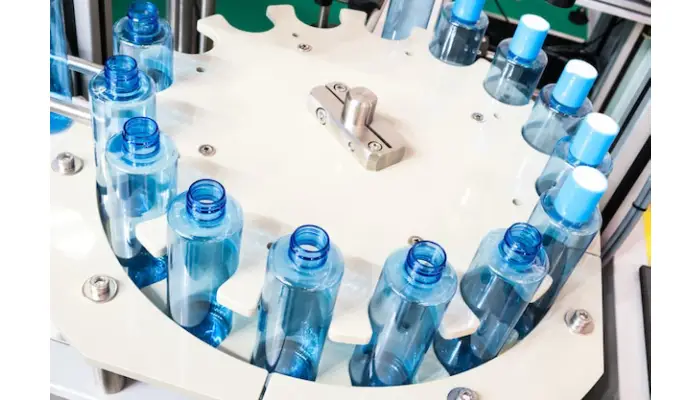
Indian PET bottle manufacturers place a strong emphasis on maintaining consistency and quality throughout their production processes. One key aspect is preform testing, where tools like thickness gauges and strain viewers help identify defects early on. These tests ensure that bottles are not only durable but also visually appealing. Continuous quality control practices play a vital role, with adjustments made based on data collected during production. Furthermore, the use of chillers for temperature control and efficient dryers to remove moisture helps prevent faults that could compromise product integrity. Ultimately, by focusing on robust testing methods and best practices, manufacturers enhance the overall reliability of their products.
1. Importance of Preform Testing in PET Bottle Production
Preform testing is a critical step in the production of PET bottles. It allows pet bottles manufacturer in India to identify defects like uneven thickness early in the process, which is essential for maintaining high product quality. For instance, if a preform has inconsistent wall thickness, it can lead to weak spots in the final bottle, compromising its integrity. Additionally, testing for internal stresses is vital. These stresses can cause preforms to fail during the blow molding process, resulting in production delays and increased costs.
Weight consistency is another crucial factor. If the preforms vary in weight, it can affect both the production process and the durability of the final product. Thorough preform testing helps manufacturers avoid costly errors and waste, thereby enhancing overall efficiency. Moreover, high-quality preforms lead to better aesthetics in the final bottles, which can significantly improve market appeal.
By implementing preform testing, pet bottles manufacturer in India can also reduce the chances of product recalls, ultimately enhancing customer satisfaction. Safety is paramount, especially in the food and beverage sector, and well-tested preforms contribute to this aspect.
Investing in preform testing not only saves time and resources in the long run but also positions manufacturers strongly in the market. The data gathered from these tests can provide insights to refine production techniques, driving continuous improvement in quality and efficiency.
2. Key Instruments for Preform Testing
Key instruments play a vital role in ensuring the quality of preforms used in PET bottle manufacturing. For instance, a Preform Thickness Gauge is essential, as it measures the wall thickness to ensure uniformity. This uniformity prevents weak spots in the final product, which is crucial for maintaining structural integrity. Similarly, the Preform Weight Tester is used to check for weight consistency. Any discrepancies in weight can signal material issues that impact the overall performance of the bottles.
Another important tool is the Polariscope Strain Viewer, which allows manufacturers to visualize internal stresses within the preforms. Detecting these stresses early helps avoid potential cracks or weak points in the finished bottles. The Transparency Tester is also significant, as it checks the clarity of the preforms, ensuring they meet visual quality standards that are crucial for consumer products.
To assess how preforms respond to heat, manufacturers use Deflection Temperature Testers. This assessment is vital, as it ensures the preforms maintain their shape during the blow molding process. Moisture analyzers are equally important, as they help detect excess moisture in preforms, which can lead to defects during molding, such as bubbles or weakened areas.
Thermal analysis tools are used to provide insights into the thermal properties of the resin, aiding in the selection of materials that will perform well under various conditions. Digital imaging systems can automate the inspection process, identifying defects that might be overlooked by the human eye. Additionally, software for data logging and analysis tracks testing results over time, facilitating continuous quality improvement. Finally, portable testing devices increase flexibility on the production floor, making quality control more efficient and responsive to immediate needs.
3. Quality Control Practices in PET Bottle Manufacturing
Quality control practices play a crucial role in the manufacturing of PET bottles, ensuring that every product meets the highest standards. By implementing a continuous quality testing protocol, manufacturers can verify that each batch meets established criteria before being released to the market. This process not only involves testing but also data analysis, which helps to identify areas for improvement and optimize production efficiency while minimizing waste.
Regular calibration of testing instruments is essential for maintaining accuracy and reliability. For example, using a preform thickness gauge ensures that the material distribution is even, while a weight tester checks for consistency, contributing to the overall durability of the bottles. Staff training on quality control procedures is equally important, as it empowers employees to understand their responsibilities in maintaining product quality.
Additionally, employing statistical process control methods enables manufacturers to detect trends and potential issues early on, preventing them from escalating into significant problems. Conducting regular audits of the production process helps to uncover areas where quality control practices can be enhanced. Incorporating customer feedback into quality assessments also allows manufacturers to adapt their products to better meet market demands.
Documentation of quality control results provides traceability, which is invaluable in resolving disputes or managing recalls. Setting clear quality benchmarks aligns the entire production team toward common goals, ensuring everyone is working toward the same standard of excellence. By investing in employee training on advanced quality control technologies, manufacturers improve their overall effectiveness in maintaining stringent product standards.
- Implementing a continuous quality testing protocol ensures every batch meets set standards before reaching the market.
- Data from quality tests can be analyzed to inform adjustments in production, enhancing efficiency and reducing waste.
- Regular calibration of testing instruments is necessary to ensure accuracy and reliability in measurements.
- Training staff on quality control procedures ensures that everyone understands their role in maintaining product quality.
- Using statistical process control methods can help identify trends and prevent issues before they escalate.
- Conducting regular audits of the production process can highlight areas for improvement in quality control practices.
- Incorporating feedback from customers into quality control assessments can help tailor products to market needs.
- Documenting quality control results provides traceability, which can be crucial for resolving disputes or recalls.
- Setting clear quality benchmarks helps align the entire production team towards common goals.
- Investing in employee training on quality control technologies can enhance overall effectiveness in maintaining product standards.
4. The Role of Chillers and Dryers in Production
Chillers and dryers play a pivotal role in the production of PET bottles, directly impacting the quality and consistency of the final product. Chillers maintain the correct temperature of preforms during the cooling phase, which is essential to prevent any deformation. If preforms cool unevenly, it can lead to inconsistencies that compromise the bottle’s integrity. On the other hand, dryers are crucial for eliminating moisture from the preforms. Any remaining moisture can create bubbles or weak spots, ultimately affecting the strength and clarity of the finished bottles.
Efficient temperature management provided by chillers not only enhances the speed of the manufacturing process but also contributes to energy efficiency, leading to cost savings for manufacturers. When chillers operate optimally, they ensure even cooling, which improves the consistency of product quality. Likewise, effective moisture control through dryers is vital for preventing contamination during production, further enhancing safety and quality.
Moreover, modern chillers can be integrated with automation systems, allowing for better control and monitoring of production conditions. This integration helps manufacturers make quick adjustments based on real-time data on temperature and humidity, ensuring that the production environment remains optimal. Regular maintenance of both chillers and dryers is essential to prevent breakdowns that could halt production, underscoring the importance of these systems in achieving consistent quality in PET bottle manufacturing. Investing in energy-efficient chilling and drying technologies not only reduces operational costs but also contributes to a lower carbon footprint, aligning with sustainability goals.
5. Top Load Testing for Bottle Strength
Top load testing is a crucial process for PET bottle manufacturers in India, as it simulates the pressures and handling conditions that bottles will endure during shipping and storage. By using top load testers, manufacturers can accurately measure the maximum load a bottle can withstand, thereby identifying any weaknesses in design early in the production process. For instance, if a bottle fails a top load test, it signals a need for design improvements, which can lead to innovations that enhance overall product performance.
The results from these tests are not only vital for meeting industry standards regarding strength and durability, but they also help reduce potential liability issues. Manufacturers can make informed decisions on material selection and design geometry based on the insights gained from the testing. Understanding the maximum load limits enables manufacturers to optimize their packaging and logistics strategies, ensuring that bottles remain intact throughout their journey to the consumer.
Regularly conducting top load tests helps maintain consistency in quality across different production batches, which is essential for building customer trust. When manufacturers incorporate feedback from testing into the design phase, they can create bottles that perform better right from the start. Moreover, tracking historical test data allows companies to identify trends and proactively address potential performance issues before they become problematic, further solidifying their commitment to quality.
6. Common Quality Control Mistakes to Avoid
Many Indian PET bottle manufacturers face common pitfalls in their quality control processes that can compromise product quality. Using inconsistent raw materials from different suppliers can lead to unpredictable performance. For instance, if one batch of resin is slightly different in density, it may affect the strength or clarity of the final product. Neglecting regular maintenance of testing equipment is another mistake; without proper calibration, measurements can become inaccurate, resulting in faulty products slipping through the cracks.
Additionally, failing to train operators adequately can lead to lapses in quality control. If operators are not well-versed in the processes and standards, they may overlook critical steps or fail to identify issues early on. Overlooking minor defects is also risky, as these can compound and lead to larger production failures later.
Another common error is not documenting quality control processes. Without clear records, confusion can arise, making it difficult to implement improvements. Also, inadequate communication among production teams can create misalignment on quality expectations, leading to inconsistent outputs.
Ignoring customer feedback can hinder necessary adjustments, preventing manufacturers from meeting market demands effectively. Relying too heavily on automated systems without human oversight can also result in unnoticed errors, as machines may not catch all nuances. Finally, underestimating the importance of compliance with industry regulations can lead to serious consequences, including legal issues or product recalls. Regular analysis of quality control data is crucial; failing to do so can cause missed opportunities for improvement and innovation.
7. Best Practices for Consistency in Manufacturing
To ensure consistent quality in PET bottle manufacturing, standardizing testing procedures across all production lines is essential. This uniformity guarantees that every product meets the same quality and performance standards. Regular compliance reviews with industry regulations help maintain safety and quality, preventing any lapses that could affect the end product. Building strong relationships with reliable suppliers is also crucial, as it ensures the raw materials used are of consistent quality, directly impacting the final bottles.
Documenting quality control processes is another best practice, as it maintains consistency and aids in training new employees. Cross-functional teams can be established to tackle quality control issues collaboratively, enhancing problem-solving and efficiency. Automation can play a significant role as well, helping to increase production efficiency while reducing human error.
Fostering a culture of quality within the organization encourages accountability and attention to detail among all employees. Regular training sessions on best practices will further enhance overall product quality. Additionally, utilizing customer feedback loops can guide product development, ensuring that the standards of quality remain high. Finally, conducting regular reviews of production processes can help identify and eliminate inconsistencies, leading to a more reliable manufacturing output.
8. Technological Advancements in Quality Control
Technological advancements are transforming quality control in the Indian PET bottle manufacturing sector. Automation in testing processes plays a crucial role, significantly reducing human error and enhancing overall product quality. Machine learning algorithms are employed to predict maintenance needs for equipment, which minimizes downtime and ensures consistent quality. Advanced imaging technologies can detect minute defects that traditional methods might miss, thus improving inspection accuracy.
Real-time data analytics provide insights that lead to swift corrections in the production process, enhancing efficiency and maintaining high standards. The integration of IoT devices in testing systems allows for better monitoring and control of production environments, ensuring that conditions remain ideal for producing quality products.
Using cloud-based systems for data storage and analysis facilitates collaboration among teams and improves data accessibility, making it easier to track quality metrics over time. Robotic systems streamline the testing process, enhancing speed and reliability in quality assurance. Additionally, implementing virtual reality training programs can improve staff understanding of complex quality control procedures, ensuring that employees are well-prepared to maintain standards.
Smart sensors are also a significant innovation, providing continuous monitoring of product quality throughout the production process. This continuous oversight ensures consistency in the products manufactured. Finally, adopting new materials and technologies in testing enhances the capabilities and reliability of quality control systems, making the manufacturing process more robust and effective.
9. Ensuring Raw Material Quality for Consistent Products
To produce high-quality PET bottles, Indian manufacturers prioritize the quality of their raw materials. Conducting thorough audits of suppliers helps ensure that the materials meet the necessary quality standards before they enter the production line. Additionally, implementing incoming material inspections allows manufacturers to catch any defects early, preventing potential issues from disrupting the production process. By establishing clear specifications for raw materials, suppliers can better understand what is expected, leading to improved consistency.
Building long-term partnerships with trusted suppliers is another effective strategy, as these relationships typically yield more reliable quality over time. Manufacturers regularly evaluate their suppliers using quality metrics, which helps maintain high standards in sourcing raw materials. Testing materials for purity and consistency is crucial in preventing downstream quality issues, as even minor variations can affect the final product’s performance.
Documenting data related to raw material quality aids in tracking supplier performance and identifying areas for improvement. Incorporating feedback from production teams can further refine raw material specifications and sourcing strategies, ensuring they align with manufacturing needs. Utilizing multiple suppliers for critical materials is another risk management approach, reducing dependency on a single source and enhancing overall supply chain resilience. Overall, creating a robust raw material quality assurance program is essential for ensuring that all incoming materials consistently meet production requirements.
Frequently Asked Questions
1. How do PET bottle manufacturers in India ensure their products meet high quality standards?
Manufacturers in India follow strict guidelines and regular testing procedures, checking the bottles at various stages of production to maintain high quality.
2. What materials do these manufacturers use to make PET bottles?
PET bottle manufacturers typically use high-quality polyethylene terephthalate, which is durable, lightweight, and safe for food and beverage storage.
3. How do these companies maintain consistency in their bottle production?
They use advanced technology and automated systems, which help ensure that each bottle produced has the same measurements and quality.
4. Are there any specific regulations that Indian PET bottle manufacturers must follow?
Yes, they must comply with local and international regulations concerning food safety and recycling standards, ensuring that products are safe for consumers.
5. What role do quality checks play in the manufacturing process of PET bottles?
Quality checks are crucial; manufacturers conduct routine inspections and tests to catch any defects early, ensuring that only top-quality bottles reach the market.
TL;DR Indian PET bottle manufacturers emphasize quality through rigorous preform testing, utilizing key instruments to measure thickness, weight, and internal stresses. Quality control practices involve continuous testing and regular calibration of equipment. Chillers and dryers play a vital role in maintaining product consistency by controlling temperature and moisture. Top load testing assesses bottle strength to prevent failures. Avoiding common mistakes, adhering to best practices, and leveraging technological advancements further ensure consistent, high-quality PET bottles.