

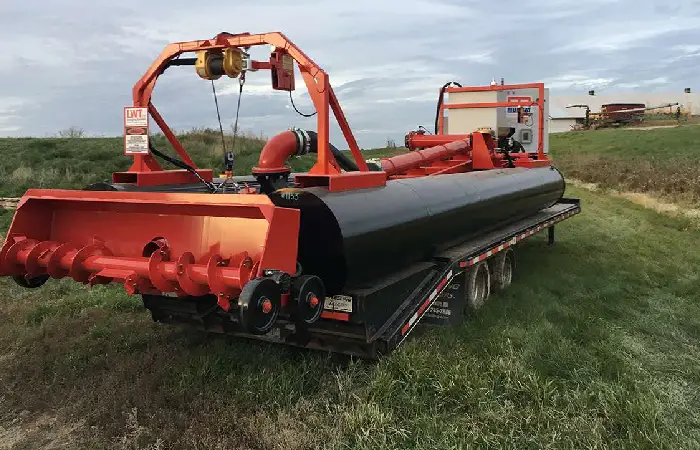
Automated dredge systems enhance efficiency by performing tasks with greater precision and speed, reducing the need for manual labor and downtime. By utilizing GPS navigation, sonar technology, and automated control systems, these dredges can operate continuously with minimal intervention. The automation also improves consistency, ensuring that dredging is done at the correct depth and location. This level of accuracy reduces the chances of over-dredging or under-dredging, which often leads to costly errors. As a result, project timelines are shortened, and operational costs are minimized, benefiting both project stakeholders and the environment.
Key Features Of Automated Dredge Solutions
Automated dredge solutions come with various key features designed to optimize their performance. Advanced positioning and navigation systems, such as GPS and sonar, allow for precise tracking and monitoring of dredging operations. Automation technology enables dredging machines to adjust their movements and depths autonomously based on real-time data. These systems are also equipped with sensors that monitor sediment levels, ensuring efficient removal. Remote control and monitoring capabilities allow operators to oversee operations from a distance, further enhancing safety and operational efficiency. Additionally, integrated data systems enable real-time reporting and analysis, improving decision-making and overall performance.
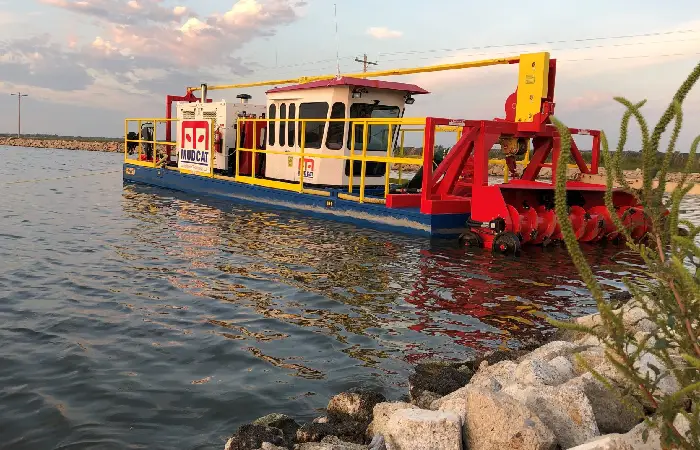
The Benefits Of Using An Automated Dredge In Marine Projects
The use of automated dredges in marine projects offers numerous benefits, particularly in terms of efficiency and safety. These systems reduce human risk by limiting the need for on-site personnel, especially in hazardous environments like deep waters or unpredictable marine conditions. The automation increases dredging precision, which minimizes the disruption to ecosystems and surrounding infrastructure. Automated dredges also help optimize material removal by adjusting their operation to the specific needs of the project, leading to less waste and more sustainable dredging practices. As a result, these dredges improve project outcomes while lowering overall operational costs.
Comparing Automated Dredge To Traditional Dredging Methods
When comparing automated dredges to traditional dredging methods, the primary differences lie in automation, precision, and operational control. Traditional dredges often require significant manual labor and rely on operators to control the dredging process, making them prone to human error and inefficiency. In contrast, automated dredge systems can operate autonomously, using sensors and advanced technology to ensure optimal performance. This reduces human involvement, resulting in faster and more consistent dredging. Moreover, automated systems are less prone to errors, enhancing accuracy and minimizing costly mistakes that can delay projects. The result is an overall improvement in both time and cost efficiency.
Environmental Impact Of Automated Dredge Systems
Automated dredge systems offer significant environmental advantages over conventional dredging techniques. Their precise control and monitoring capabilities allow for more targeted material removal, which reduces unnecessary disruption to the marine ecosystem. By minimizing over-dredging, automated systems can help preserve the integrity of the surrounding environment, protecting aquatic life and habitats. Additionally, automation helps optimize fuel usage, reducing the carbon footprint of dredging operations. The ability to monitor and adjust the dredging process in real time also ensures that only the necessary amount of material is removed, making automated dredges a more environmentally responsible choice for marine projects.
Cost-Effectiveness Of Automated Dredge For Large-Scale Operations
Automated dredge systems are highly cost-effective for large-scale operations. While the initial investment in automated dredging technology can be significant, the long-term savings far outweigh the costs. These systems require fewer personnel, reducing labor costs, and can operate continuously, minimizing downtime. Additionally, the precision offered by automated dredges ensures that resources are used efficiently, avoiding costly mistakes and rework. By improving overall productivity and reducing operational delays, automated dredges allow projects to stay on budget and within schedule. In the long run, these cost-saving benefits make automated dredging an attractive choice for large-scale projects.
Conclusion
Automated dredge systems represent a major leap forward in the dredging industry, offering a wide array of benefits, including increased efficiency, improved precision, and enhanced safety. These systems optimize dredging processes by incorporating advanced features such as GPS navigation, real-time data analysis, and autonomous operation. The advantages over traditional dredging methods are clear, particularly when it comes to minimizing human error, reducing environmental impact, and lowering operational costs. As automation continues to advance, automated dredges will play a crucial role in shaping the future of marine construction and maintenance projects, making them more sustainable and cost-effective.