

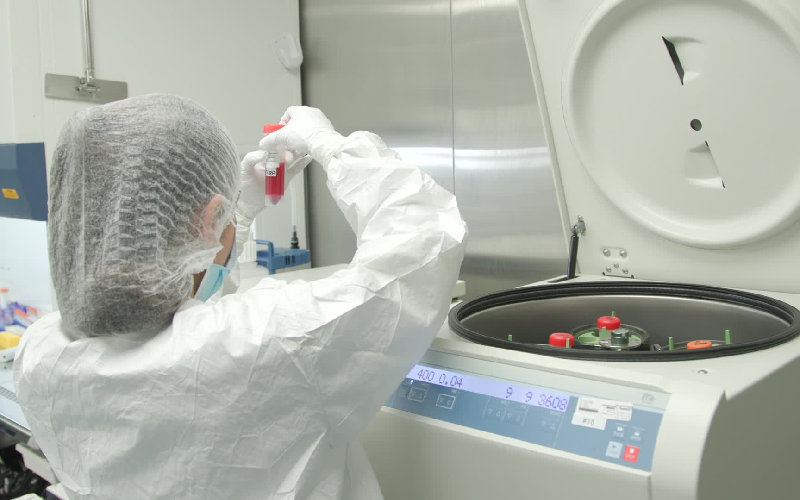
Several factors contribute to the cost of stem cell preservation, and understanding them can help prospective clients. First, the type of stem cells plays a significant role; adult stem cells from fat or bone marrow usually have different costs than cord blood, primarily due to processing needs at birth. Also, advanced processing techniques used by companies like ACT can enhance the viability but come with higher prices. Storage conditions matter too; cryogenic storage requires strict temperature controls to ensure safety, which adds expense. Annual fees after the first year—around $350—plus extraction methods and medical expertise further influence overall costs in this evolving market.
1. Type of Stem Cells and Their Costs
The type of stem cell preservation cost being preserved plays a significant role in determining the overall costs. Adult stem cells, which are typically sourced from adipose (fat) tissue or bone marrow, can have varying preservation costs. This variation arises from the different methods used for extraction and processing. For instance, while extracting stem cells from adipose tissue may involve a minimally invasive liposuction procedure, obtaining them from bone marrow requires a more complex aspiration technique.
On the other hand, cord blood and tissue stem cells are collected at birth and stored for future use. The costs associated with cord blood banking tend to be higher than those for adult stem cells. This is primarily due to the specialized processing and storage requirements that ensure the cells remain viable for potential therapeutic applications. For example, the collection process must be done within a limited time frame post-delivery, and the subsequent handling and storage practices are crucial.
In summary, the preservation costs are influenced not only by the type of stem cells but also by the unique procedures and technologies involved in their collection and maintenance.

2. Impact of Processing Techniques on Prices
The processing techniques used in stem cell preservation play a significant role in determining the overall costs. For instance, American Cell Technology (ACT) employs proprietary technology that enhances the viability and multiplication of stem cells. This advanced processing ensures that the cells remain healthy and can be effectively used for future medical treatments. Such specialized techniques require sophisticated equipment and trained personnel, which naturally elevates the price.
Moreover, the complexity of these methods can vary based on the type of stem cells being processed. For example, banking cord blood involves meticulous processing to separate and preserve the stem cells, which can be more costly than the processing of adult stem cells sourced from adipose tissue or bone marrow.
Additionally, the assurances provided by using high-quality processing methods contribute to long-term value, as clients are investing in the potential future use of these stem cells. This balance of quality and cost is crucial, as the more advanced the processing, the higher the initial investment may be, but it also increases the likelihood of successful outcomes in regenerative therapies.
3. Storage Conditions and Their Influence
Storage conditions play a crucial role in the cost of stem cell preservation. The most common method, cryogenic storage, involves keeping stem cells in liquid nitrogen at extremely low temperatures, around -190 degrees Celsius. Maintaining these specific conditions requires robust, often expensive equipment and facilities. For instance, American Cell Technology (ACT) uses FDA-registered facilities, which ensures compliance with strict safety standards but also increases operational costs. These facilities must have backup systems to prevent temperature fluctuations that could jeopardize the viability of the stored cells.
Furthermore, the quality of the storage environment can influence the longevity and health of the stem cells. Advanced monitoring systems are essential to continuously track temperature and other variables, adding to the overall preservation expenses. In addition, the need for regular maintenance and quality checks ensures that the stem cells remain viable for future use. Therefore, while the initial cost of processing may be significant, ongoing storage costs reflect the commitment to providing a secure and effective preservation solution.
- Temperature control systems
- Humidity regulation measures
- Air quality monitoring
- Backup power supply systems
- Regular maintenance protocols
- Compliance with health regulations
- Technology for real-time tracking
4. Annual Storage Fees Explained
Annual storage fees are a key component of the overall cost of stem cell preservation. After the initial processing fee, which covers the collection and banking of stem cells, clients typically face an ongoing fee. For example, American Cell Technology (ACT) charges approximately $350 per year for storage, which is crucial for maintaining optimal conditions for the stored stem cells. This fee supports the cryogenic storage process, ensuring that the cells remain viable and safe in FDA-registered facilities. The importance of this annual fee cannot be overlooked, as it guarantees that the stem cells are preserved under tightly controlled temperatures, critical for their long-term health. Clients must factor in these annual costs when considering the financial commitment of stem cell banking, as this ensures access to their stem cells when needed, providing peace of mind and a potential lifeline for future medical treatments.
5. Extraction Methods and Cost Variations
The extraction methods used for stem cell collection can significantly impact preservation costs. Minimally invasive procedures, such as liposuction for adipose tissue or bone marrow aspiration, are common techniques. These outpatient procedures often require specialized skills, which can influence the overall price. For instance, liposuction is generally more expensive than bone marrow extraction due to its complexity and the need for advanced equipment. Additionally, the experience of the medical professionals performing the extraction plays a crucial role in determining costs. Facilities with a strong track record may charge higher fees, reflecting their expertise and the quality of care provided. On top of that, the extraction method can affect the viability of the stem cells, which is a critical factor for future medical use. Therefore, while selecting an extraction method, clients should weigh the associated costs against the potential benefits of high-quality stem cell preservation.
6. Medical Partnerships and Pricing Factors
Medical partnerships play a significant role in determining the cost of stem cell preservation. Collaborating with experienced regenerative medicine physicians enhances the quality of care provided to clients. For example, American Cell Technology (ACT) partners with top experts in the field, allowing them to access cutting-edge techniques and comprehensive treatment options. Such collaborations not only ensure that clients receive the best advice but also contribute to the overall pricing structure.
These partnerships can lead to more efficient procedures and better outcomes, but they also come with added costs. The expertise and reputation of the medical professionals involved can influence pricing, as clients may be willing to pay more for services backed by renowned specialists. Furthermore, the ability to offer personalized treatment plans based on the latest research can justify higher fees, reflecting the value of the care provided.
In addition, having a network of medical professionals at their disposal allows stem cell banking companies like ACT to stay ahead of industry trends and innovations. This proactive approach can lead to improved preservation methods and new therapeutic applications, potentially increasing the perceived value of stem cell banking. As demand for these advanced services grows, so too may the associated costs, making medical partnerships a crucial factor in the overall pricing landscape.
7. Importance of Quality Assurance in Costs
Quality assurance plays a vital role in stem cell preservation, directly impacting the overall costs. At American Cell Technology (ACT), rigorous quality control measures are in place to ensure the viability and health of stored stem cells. This commitment to excellence requires a significant investment in technology, staff training, and facility maintenance, all of which contribute to the pricing structure.
For instance, ACT utilizes advanced proprietary techniques to enhance the multiplication and longevity of stem cells. These methods not only boost the effectiveness of the stored cells but also add to the operational costs, which are reflected in the fees charged to clients. Furthermore, maintaining FDA-registered facilities with strict compliance standards ensures that the stem cells are preserved under optimal conditions, adding another layer of expense.
In essence, the costs associated with quality assurance are not just an additional fee but a necessary investment in the future health and potential medical treatments for clients. By prioritizing quality, ACT provides peace of mind that the preserved stem cells will be ready for use when needed, reinforcing the value of this preservation service.
8. Market Demand and Its Effects
The market demand for stem cell preservation plays a significant role in determining the costs associated with banking these invaluable cells. As more individuals become aware of the benefits of personalized medicine and regenerative therapies, the interest in preserving stem cells has surged. This heightened awareness often leads to an increase in demand, which, in turn, can influence pricing strategies among stem cell banking companies.
For instance, as the number of families opting to bank their newborn’s cord blood increases, companies may adjust their fees to reflect the growing market. A competitive landscape can emerge, where providers might offer promotions or enhanced services to attract clients, impacting overall costs. Additionally, if a specific type of stem cell, like cord blood, becomes particularly sought after due to breakthroughs in research or clinical applications, the costs for preserving these cells could rise due to their increased perceived value.
Moreover, the demand isn’t static; it evolves with scientific advancements and public perception. For example, as new therapies utilizing stem cells gain traction, the urgency to bank these cells may grow, leading to higher fees as companies expand their capabilities to meet this demand. Thus, the interplay between market demand and preservation costs is dynamic and reflects broader trends in healthcare and consumer priorities.
9. Insurance and Accessibility Considerations
Insurance plays a crucial role in the decision to preserve stem cells. For many families, the idea of having a personal stem cell bank acts as a type of bio-insurance. This is particularly relevant for those who may need to access their own stem cells for future medical treatments. Having immediate access can provide peace of mind, especially when considering the potential costs of medical procedures that may arise in the future. Though the initial investment in stem cell preservation may seem high, families often weigh this against the possible savings in healthcare costs down the line.
Additionally, accessibility to stem cell banking varies significantly. Some families may find that their insurance plans cover a portion of the costs associated with stem cell preservation, while others may not have that option. This discrepancy can influence the decision to bank stem cells, as families assess their financial capacity and the potential return on investment. For instance, if a family learns that their insurance will reimburse them for certain procedures related to stem cell use, this could make the initial banking fee more justifiable.
Moreover, the growing awareness of regenerative medicine and its potential applications is making stem cell banking more accessible to a broader audience. This increasing interest is prompting some insurance companies to explore options for coverage, further emphasizing the importance of having personal stem cells readily available. As the healthcare landscape evolves, the interplay between insurance and the accessibility of stem cell preservation is becoming an essential consideration for families making this significant health decision.
10. Future Healthcare Trends Affecting Costs
As the landscape of healthcare continues to evolve, future trends are expected to significantly impact the costs associated with stem cell preservation. One of the most notable trends is the growing emphasis on personalized medicine, which focuses on tailoring treatments to individual patients. This shift is likely to increase the demand for preserved stem cells, as more people recognize their potential for future therapeutic use. For example, advancements in gene editing and regenerative therapies could lead to new treatments for conditions that were previously difficult to manage, thereby enhancing the perceived value of stem cell banking.
Moreover, ongoing research and clinical trials are likely to expand the range of diseases and conditions that can be treated with stem cells. As new applications emerge, families may feel a stronger urge to invest in stem cell preservation as a form of bio-insurance. The increasing awareness and education around these advancements will likely drive up demand and, consequently, preservation costs.
Additionally, regulatory changes could further shape the market. As stem cell therapies become more mainstream, companies may need to comply with stricter standards, which could lead to increased operational costs. These expenses may be passed on to consumers, affecting the overall pricing structure of stem cell preservation services.
the future of healthcare trends, including personalized medicine and evolving regulatory standards, will play a crucial role in shaping the costs of stem cell preservation.
11. American Cell Technology’s Unique Value Proposition
American Cell Technology (ACT) offers a distinctive approach to stem cell preservation that sets it apart from competitors. One of the standout features is its proprietary processing technology, which is designed to maximize the viability and growth potential of stored stem cells. This advanced method not only boosts the quality of the cells but also enhances their long-term usability in medical applications.
Moreover, ACT prioritizes maintaining the highest standards of quality assurance throughout the preservation process. By adhering to stringent protocols and utilizing FDA-registered facilities, clients can trust that their stem cells are safeguarded under optimal conditions. This commitment to quality is an essential aspect of the overall value proposition, as it ensures that the stem cells remain viable and healthy for future treatments.
The collaboration with leading regenerative medicine physicians also adds significant value. This partnership allows clients to access expert advice and treatment options, reinforcing the importance of having a personal stem cell bank. Additionally, the ongoing annual storage fee of approximately $350 after the first year is a small price to pay for the peace of mind that comes from knowing one’s own stem cells are readily available for potential medical needs.
As the market for personalized medicine continues to grow, ACT’s unique offerings position it favorably within the competitive landscape. By investing in stem cell preservation with American Cell Technology, clients not only secure a vital healthcare asset but also gain access to cutting-edge resources and expertise that can enhance their future health outcomes.
12. The Benefits of Choosing American Cell Technology
Choosing American Cell Technology (ACT) for stem cell preservation offers distinct advantages that can significantly impact your healthcare journey. One of the key benefits is their use of proprietary processing techniques, which enhance the viability of stem cells. This means that when you bank your stem cells with ACT, you are more likely to have healthy, robust cells that can be used for future treatments.
Moreover, ACT maintains strict quality assurance protocols, ensuring that the preserved stem cells meet high standards of health and viability. This level of commitment requires investment, which is reflected in their pricing, but it ultimately provides peace of mind knowing that your cells are in good hands.
ACT also collaborates with leading physicians in regenerative medicine, giving clients access to expert guidance and treatment options. This network can be invaluable when considering future medical needs. Additionally, the company operates in FDA-registered facilities, which adds another layer of security and trust to the preservation process.
Another significant advantage is the ongoing support provided by ACT, including an annual storage fee that keeps your cells safe and accessible. This structure not only makes it easier to manage costs over time but also reinforces the importance of having your stem cells readily available for any future medical treatments.
In a landscape where personalized medicine is gaining traction, the value of having your own stem cells can be seen as a form of bio-insurance, making the investment in ACT’s services a strategic decision. Overall, choosing ACT means selecting a partner committed to excellence in stem cell preservation, offering you a secure and supportive environment for one of your most valuable healthcare assets.
Frequently Asked Questions
1. What are the main factors that affect the cost of preserving stem cells?
Several factors impact stem cell preservation costs, including the type of stem cells, the technology used for storage, and the duration of storage.
2. How does the location of the preservation facility influence costs?
The location can play a role since facilities in urban areas might have different operating expenses compared to those in rural settings, often affecting overall pricing.
3. Why is the expertise of the staff important for stem cell preservation?
The skill and experience of the staff who handle stem cell preservation can greatly affect not only the quality of the care but also the associated costs.
4. What role does the method of collection play in preservation costs?
The method used to collect stem cells, whether from blood, tissue, or other sources, can influence the complexity and costs of the preservation process.
5. Are there differences in preservation costs based on the type of stem cells?
Yes, different types of stem cells, such as embryonic or adult stem cells, may have varying preservation costs due to the distinct techniques and equipment needed.
TL;DR The cost of stem cell preservation is influenced by various factors, including the type of stem cells, processing techniques, storage conditions, and extraction methods. American Cell Technology utilizes advanced technologies and maintains high-quality standards, which contribute to pricing. Additionally, ongoing annual storage fees, medical partnerships, market demand for personalized medicine, and insurance aspects play significant roles in shaping costs. As healthcare trends evolve, the demand for preserved stem cells may increase, further impacting pricing. Ultimately, ACT offers a reliable option for preserving stem cells, providing peace of mind and a valuable healthcare asset.