

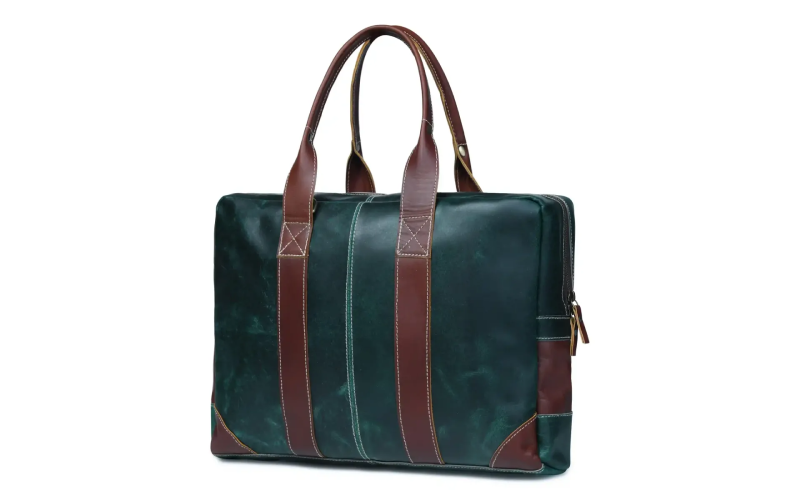
Restoring the leather of your vintage messenger bag can be a satisfying project. Start by gathering materials like cleaning supplies, a repair kit, and some household items. First, mix dish soap with warm water to clean the leather with a soft cloth. After it dries, apply a leather repair compound to any damaged spots for better results repeat this process several times. For scratches, distilled vinegar works well while gentle heating helps if needed. If there are cuts, use subpatches and craft glue to secure them. Lastly, remember regular conditioning is key for long-lasting beauty and protection of your bag.
1. Gather Necessary Materials for Restoration
To begin restoring your vintage messenger bag leather, it’s important to gather all the necessary materials. Start with cleaning supplies like dish soap or saddle soap mixed with warm water. You’ll need soft, lint-free cloths for cleaning and drying. Next, a leather repair kit is essential, which should include leather repair compound, a water-based leather colorant, and a quality leather conditioner to keep the leather supple.
You might also want some household items. Distilled white vinegar can help with scratches, while olive oil or orange oil is excellent for conditioning. A hairdryer can assist with heat treatment, and craft glue is handy for minor tears. Lastly, having some subpatch material, like an old t-shirt, will be useful for deeper cuts or tears in the leather. With these materials in hand, you’ll be well-prepared to restore your bag to its former glory.

2. Preparing the Leather for Repair
Start by cleaning the leather thoroughly. Mix one part dish soap with eight parts warm water. Dampen a soft, lint-free cloth with this solution and gently lather the leather, making sure to remove any dust and dirt. Pay special attention to seams and creases where grime tends to accumulate. After cleaning, rinse the cloth and wipe down the leather to remove any soap residue. Allow the bag to air dry completely; avoid placing it near heat sources, as this can cause the leather to crack.
Once the leather is clean and dry, inspect it closely for any damage. Look for scratches, cuts, or areas needing extra care. For minor scratches, you can use vinegar or oil treatments later, but for deeper repairs, make sure the area is ready for the next steps. Proper preparation is key, as it ensures that any repair compounds or conditioners you apply will adhere properly and provide effective results.
3. Fixing the Leather’s Surface Damage
To fix surface damage on your vintage messenger bag, start by applying a leather repair compound. Use a sponge to spread it evenly over the damaged area, and let it air dry. You may need to repeat this process 3 to 5 times until the area feels smooth. After the compound is dry, take a water-based leather colorant and apply a thin coat, especially focusing on creases and seams. Allow it to dry for about 30 minutes. For larger areas, a spray gun or airbrush can help achieve a more uniform finish. Finally, finish off with a leather conditioner to restore the leather’s natural shine and flexibility. This step not only enhances the appearance but also helps protect the leather from further damage.
4. Repairing Scratches on Leather
To tackle scratches on your vintage messenger bag, you can use a few simple methods. Start with the vinegar technique: take a Q-tip and dab some distilled white vinegar directly onto the scratch. Allow it to dry, then gently buff the area with a soft cloth. This method can help the leather regain some of its original color and luster.
For deeper nourishment, consider using an oil treatment. Apply a small amount of olive oil or orange oil to the scratched area. This not only conditions the leather but can also help reduce the visibility of the scratch. Just be careful not to use too much, as it can leave the area looking greasy.
Another effective approach is heat treatment. Use a hairdryer on a low setting, keeping it at a distance, and gently heat the scratched area while rubbing it with a cloth. The warmth can help the leather fibers relax and blend the scratch in with the surrounding material. Always remember to test these methods on a hidden area first to ensure they won’t cause any adverse effects.
5. Fixing Cuts in Leather Bags
To fix cuts in your leather bag, start by cutting a small subpatch from an old t-shirt or another piece of leather. This patch should be slightly larger than the cut itself. Using tweezers, carefully insert the subpatch into the cut. Next, apply craft glue around the edges of the tear and on the subpatch to hold it in place, making sure to wipe away any excess glue to prevent a mess. Once the glue is dry, use a leather filler to smooth over the surface of the cut. Follow the product instructions for drying times, and if necessary, sand the area gently for a seamless finish. Finally, to help the repair blend in, apply a thin coat of leather dye that matches the original color of your bag. This step is essential to restore the bag’s aesthetic appeal and ensure that the repair is practically invisible.
6. Ongoing Care for Your Leather Bag
To keep your vintage messenger bag looking its best, regular care is essential. Start by conditioning the leather every few months or when it starts to feel dry. A good leather conditioner helps maintain suppleness and prevents cracks.
Weather protection is also crucial. Consider using a leather protection spray that guards against moisture and stains. This step is particularly important if you often use your bag outdoors or in unpredictable weather.
Proper storage can extend the life of your bag significantly. Always keep it in a cool, dry place, avoiding direct sunlight and heat sources that could dry out the leather. If your bag gets wet, air dry it at room temperature rather than using heat, which can cause damage.
By incorporating these ongoing care practices into your routine, you’ll ensure that your vintage messenger bag remains a cherished accessory for years to come.
- Regularly clean with a damp cloth to remove dirt.
- Apply a leather conditioner every 6-12 months to maintain suppleness.
- Store in a cool, dry place away from direct sunlight.
- Use a dust bag or wrap in a cotton cloth when not in use.
- Avoid excessive moisture and keep away from heat sources.
- Check for wear and address small issues before they escalate.
7. Additional Tips for Leather Maintenance
When maintaining your leather messenger bag, always remember to test any cleaning or repair method on a small, hidden area first. This ensures that you won’t accidentally damage the visible parts. It’s also a good idea to wear gloves when working with chemical products like dyes or cleaners to protect your skin. Ensure you’re in a well-ventilated space to avoid inhaling any fumes. Regular maintenance is key; make it a habit to condition your leather every few months or whenever it feels dry to the touch. For weather protection, consider using a leather protection spray, especially if you live in a rainy area. Lastly, store your bag in a cool, dry place away from direct sunlight to prevent fading and cracking. By following these simple yet effective tips, you can prolong the life of your vintage messenger bag and keep it looking great.
Frequently Asked Questions
1. How do I clean my vintage leather messenger bag?
Start by using a soft cloth to wipe off any dust or dirt. Then, use a leather cleaner specifically made for vintage leather. Apply it gently with a clean cloth and follow the instructions on the product.
2. What type of leather conditioner should I use for restoring my bag?
Look for a natural leather conditioner, preferably one that contains beeswax or lanolin. These ingredients help to nourish the leather without over-saturating it.
3. Can I use water to clean my leather messenger bag?
It’s best to avoid using water directly, as too much moisture can damage the leather. If needed, dampen a cloth slightly and never soak the bag.
4. How often should I condition my vintage leather bag?
Conditioning your bag every 4 to 6 months is usually sufficient. If it’s used heavily or exposed to harsh conditions, consider conditioning it more often.
5. What can I do about cracks in the leather?
For small cracks, apply a leather conditioner to help restore the natural oils. For deeper cracks, you might need a specialized leather repair kit or consult a professional.
TL;DR Learn how to restore your vintage messenger bag leather with this DIY guide. Start by gathering materials like cleaning supplies, a repair kit, and household items. Clean the leather, then fix surface damage and scratches using vinegar and oils. For cuts, insert a subpatch and use glue and filler. Ensure regular conditioning and weather protection for ongoing care. Follow these tips to maintain your bag’s life and appearance.