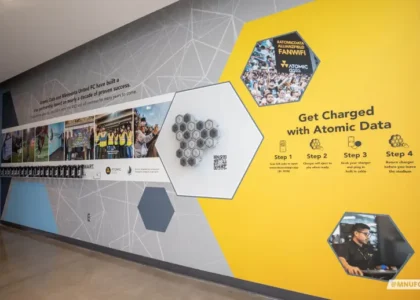


A smart cell phone charging station offers a convenient and efficient solution for charging and connecting multiple devices simultaneously. This innovative technology allows users to charge their smartphones, tablets, and other electronic devices in a centralized location, eliminating the need for multiple chargers and outlets. The charging station is equipped with smart features such as built-in cables, wireless charging capabilities, and USB ports, catering to a wide range of device types and models. Additionally, some charging stations offer connectivity options, such as Bluetooth or Wi-Fi, enabling users to sync and transfer data between their devices seamlessly. With a smart cell phone charging station, users can keep their devices powered up and connected, simplifying their charging routine and enhancing their overall digital experience.
Cell Phone Charging Station: Intelligent Device Detection And Power Optimization
A cell phone charging station with intelligent device detection and power optimization features offers an advanced solution for efficient and safe charging. Through intelligent device detection, the charging station can identify the specific charging requirements of each connected device, automatically adjusting the power output accordingly. This ensures optimal charging speed while protecting the device from overcharging or overheating. Moreover, power optimization features enable the charging station to distribute power intelligently among multiple devices, prioritizing devices that require immediate charging and allocating power efficiently to maximize charging capacity. With these intelligent features, users can have peace of mind knowing that their devices are being charged safely and efficiently, eliminating the hassle of manual power management and enhancing the overall charging experience.
Incorporating Cable Management Solutions: Minimizing Clutter And Tangling
Incorporating cable management solutions into a cell phone charging station is essential for minimizing clutter and tangling of charging cables. These solutions typically include built-in cable organizers, compartments, or holders that keep the cables neatly organized and out of sight. By providing designated spaces for each cable, users can easily connect and disconnect their devices without dealing with tangled cords. Cable management solutions also help to prolong the lifespan of charging cables by preventing excessive bending or twisting. Additionally, some charging stations offer retractable cables or wireless charging capabilities, further reducing cable clutter. By incorporating effective cable management solutions, a cell phone charging station offers a clean and organized charging experience, enhancing the overall aesthetics and functionality of the charging station.
Cell Phone Charging Station: Overload Protection And Secure Charging Interfaces
A cell phone charging station with overload protection and secure charging interfaces ensures the safety of devices and users. Overload protection mechanisms, such as surge protection and short-circuit prevention, safeguard connected devices from voltage spikes and electrical faults, reducing the risk of damage or overheating. These safety features automatically cut off power or regulate the charging process to prevent overloading. Secure charging interfaces, such as tamper-resistant USB ports or locking mechanisms, provide added security against unauthorized access or tampering. This helps protect the devices from potential data breaches or malicious activities while they are connected to the charging station. By incorporating these safety measures, a cell phone charging station prioritizes user safety and provides a secure environment for charging multiple devices simultaneously.
Integrating Smart Connectivity: Bluetooth, Wi-Fi, Or NFC For Seamless Device Interaction
Integrating smart connectivity features like Bluetooth, Wi-Fi, or NFC into a cell phone charging station enables seamless device interaction and enhanced functionality. With Bluetooth connectivity, users can easily pair their devices with the charging station, allowing for convenient wireless syncing, data transfer, or device management. Wi-Fi connectivity enables advanced features such as remote control, monitoring, or firmware updates, providing users with greater control and flexibility. NFC (Near Field Communication) allows for effortless device pairing by simply tapping the device against the charging station, facilitating quick and hassle-free connections. These smart connectivity options enhance the user experience, making it easier to manage and interact with devices while they are charging, and unlocking additional features that streamline digital workflows and optimize device usage.
Customizing Branding And Aesthetics: Personalized Design And Logo Placement
Customizing branding and aesthetics of a cell phone charging station involves personalized design and logo placement, creating a unique and cohesive visual identity. This can include incorporating brand colors, patterns, or graphics into the charging station’s exterior design. Additionally, logo placement on the charging station’s surface or display areas helps to enhance brand recognition and establish a professional and consistent image. Customization options may also extend to the charging cables, where branding elements can be added for a cohesive look. By customizing the branding and aesthetics of the charging station, businesses or organizations can showcase their identity, strengthen brand awareness, and create a visually appealing charging solution that aligns with their overall brand image.
Testing And Quality Assurance: Ensuring Reliability And Compatibility With Various Devices
Testing and quality assurance are crucial steps in ensuring the reliability and compatibility of a cell phone charging station with various devices. This process involves comprehensive testing of the charging station’s functionality, performance, and safety features. Compatibility testing is conducted with a wide range of devices, including different smartphone models, tablets, and other electronic devices, to ensure that the charging station can effectively charge and support them without issues. Quality assurance also involves testing for adherence to industry standards, such as electrical safety certifications and regulatory compliance. By conducting rigorous testing and quality assurance measures, manufacturers can identify and address any potential issues or vulnerabilities, ensuring that the cell phone charging station delivers reliable and safe charging experiences for users across different devices.
Conclusion
In conclusion, a well-designed and feature-rich cell phone charging station offers a convenient and efficient solution for charging multiple devices simultaneously. By incorporating intelligent features such as device detection, power optimization, and overload protection, users can enjoy safe and efficient charging experiences. The integration of smart connectivity options like Bluetooth, Wi-Fi, or NFC enhances device interaction and expands functionality. Customization options for branding and aesthetics allow for a personalized touch and cohesive visual identity. Additionally, thorough testing and quality assurance ensure reliability and compatibility with various devices. By considering these factors, manufacturers can create a high-quality cell phone charging station that meets the needs of users and enhances their charging experience.