

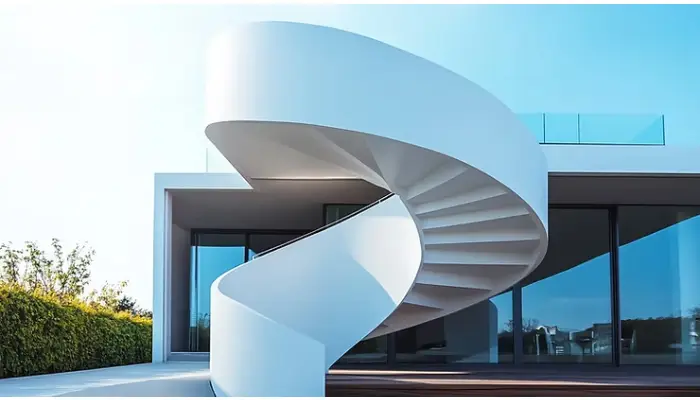
In today’s design-driven world, exterior renderings have evolved far beyond static visual previews. They are no longer just polished images to impress stakeholders — they are strategic tools of storytelling, used to communicate purpose, emotion, and intent behind a structure. Whether it’s an urban apartment complex, a public pavilion, or a commercial building, exterior renderings provide a lens into the future — one that unites architects, clients, communities, and regulators around a shared vision.
In this article, we explore how modern exterior renderings are shaping the narrative of our built environment. From fostering community engagement to informing sustainable design choices, these visualizations offer more than aesthetic appeal — they help tell the story of the city itself.
1. Exterior Renderings as Tools of Emotional Persuasion
When people think of architectural visualizations, they often picture highly polished 3D models or fly-through videos. But effective exterior renderings do more than display a structure — they evoke emotion. By capturing light at golden hour, showing people interacting with the space, or reflecting seasonal nuances, renderings help stakeholders feel the space before it exists.
This emotional connection is especially powerful during early project approvals. A well-composed rendering can move a design from concept to approval by helping city planners and local communities visualize how the space fits into the existing urban fabric.
Example Use: A mixed-use development proposed for a historic district might face resistance. But when residents see photorealistic exterior renderings that show preserved architectural styles and thriving public spaces, it shifts the narrative from disruption to revitalization.
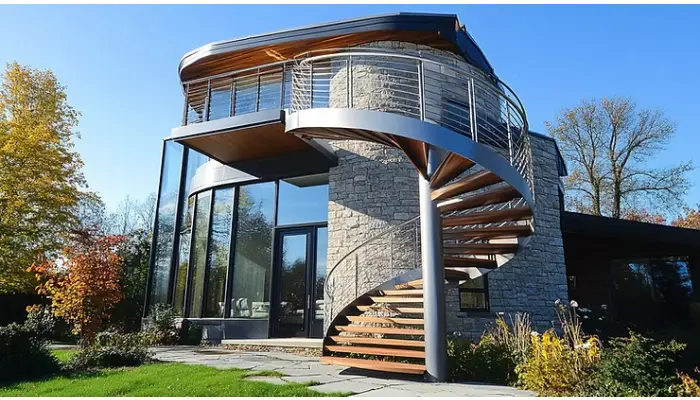
2. Aligning Stakeholders Through Visual Collaboration
A major challenge in architecture and design is aligning stakeholders with different perspectives — clients, contractors, investors, and regulatory bodies. Miscommunications can delay projects, inflate budgets, and even derail designs entirely. Exterior renderings act as a common language, reducing ambiguity and ensuring every party is on the same page.
In modern rendering workflows, interactive platforms allow real-time feedback on 3D models. This collaborative feedback loop — a hallmark of innovative design firms — empowers clients to engage deeply with the creative process. Rather than relying solely on technical blueprints or jargon-heavy explanations, clients can provide input based on what they see, enhancing alignment and reducing revision cycles.
Pro Tip: Encourage iterative reviews with clients using updated exterior renderings that reflect each stage of development. This builds trust and keeps projects agile.
3. Sustainability Starts with Visualization
Sustainable design begins long before materials are chosen or energy models are finalized. It starts with intention — and visualization plays a critical role. Exterior renderings can highlight green roofs, solar panels, passive shading, and other eco-conscious elements in ways that are easily understood by non-technical audiences.
Additionally, renderings can simulate how natural light interacts with the building throughout the day and across seasons. This helps both designers and clients make smarter decisions about orientation, materials, and energy use.
Case in Point: A client aiming for LEED certification may not fully grasp the value of passive solar design — but a sun-study rendering can clearly show how the building harnesses daylight to reduce energy consumption.
4. Exterior Renderings as Urban Branding Assets
Cities are increasingly branding themselves through architecture. From iconic skyline additions to revitalized waterfronts, the imagery used to pitch these projects to the public — and to potential investors — often starts with an exterior rendering.
In this context, renderings act as marketing collateral. They are featured in city proposals, developer websites, and social media campaigns. But to serve this function well, renderings must blend realism with aspiration — showing not just what will be, but what could be.
Design firms that understand this dual role — visualization and branding — are able to produce imagery that aligns with the city’s identity and vision, making their work a powerful tool in the public discourse around development.
5. The Role of Technology in Evolving Renderings
Technology is pushing the boundaries of what exterior renderings can achieve. Real-time rendering engines, AI-assisted modeling, and VR walkthroughs are becoming standard in progressive studios. This technological evolution not only speeds up the rendering process but also enhances its storytelling potential.
Photorealism is no longer the only benchmark of quality. Increasingly, renderings are being judged by how well they communicate mood, movement, and spatial experience. Tools like Unreal Engine or Lumion allow designers to craft atmospheric scenes that convey life and motion, not just geometry.
Forward Trend: AI is also starting to assist with concept ideation, enabling designers to explore multiple façade styles, lighting setups, or landscaping arrangements in minutes, accelerating the creative process while still delivering personalized, human-centric results.
Conclusion
Exterior renderings are much more than visual aids — they are strategic storytelling instruments that guide decisions, inspire stakeholders, and define urban identity. As technology evolves and client expectations grow, the role of renderings will only become more central to the design conversation.
For firms that value collaboration, empathy, and precision — qualities that underpin the best client-centric design processes — mastering the art of exterior rendering isn’t just a technical skill. It’s a way to shape the world before a single brick is laid.