

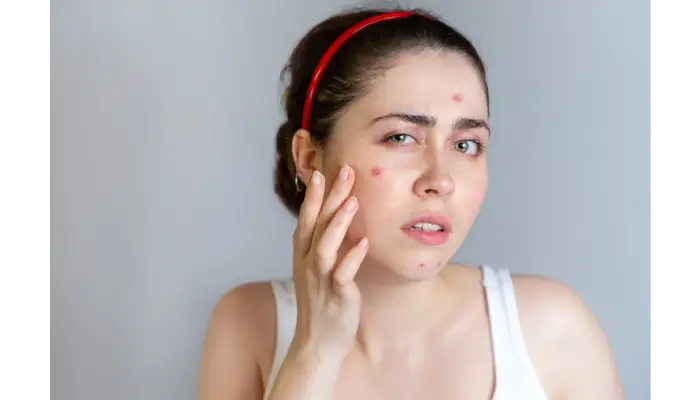
Acne scarring can really affect how someone feels about their appearance, as these marks often linger long after the breakouts clear up. It’s best to start treatments when active acne is under control, allowing for better healing without creating new scars. Most dermatologists suggest that young adults begin their scar treatment journey in their late teens or during early adulthood. Before diving into procedures like laser treatments or microneedling, a solid skincare routine with retinoids can help. Consulting a dermatologist is key for personalized advice based on skin type and scar severity to develop an effective treatment strategy without rushing into things.
1. Understanding Acne Scarring
Acne scarring is a common issue that many people face after their acne lesions heal. These scars can be classified into two main types: atrophic (depressed) scars, which create a pitted appearance, and hypertrophic (raised) scars, which can protrude above the skin’s surface. The severity of acne scarring can differ greatly among individuals, influenced by factors such as genetics and skin type. For instance, someone with oily skin might experience more pronounced scarring compared to someone with dry skin. Moreover, the type of acne plays a critical role; for example, cystic acne is known to produce more significant scars than mild forms of acne.
The healing process of acne scars is not uniform and can vary widely from person to person. Factors like age and overall health can affect how the skin repairs itself. Additionally, environmental elements, such as sun exposure and pollution, can worsen the appearance of scars over time. It’s also essential to recognize the difference between post-inflammatory erythema (redness left behind after acne) and true scarring, as this distinction is crucial for effective acne scar treatment in Sacramento.
Proper management of acne during its active phase is vital. When acne is well-controlled, the risk of developing severe scarring decreases significantly. Educating oneself about acne and its potential to leave scars can empower individuals, enabling them to take proactive steps in their treatment journey.
2. Optimal Timing for Treatment
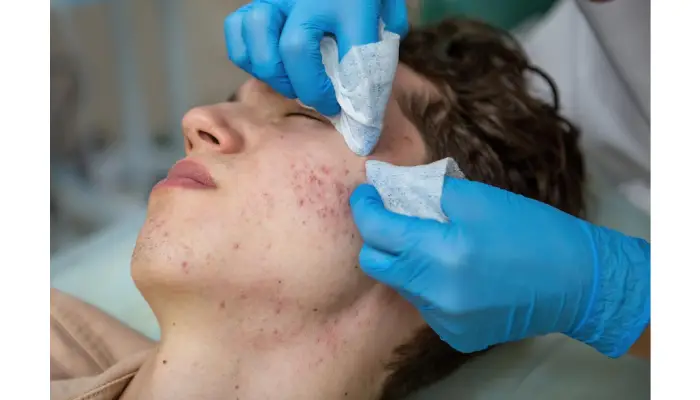
Starting acne scar treatment at the right time is crucial for achieving the best results. If you jump into treatment too soon, while active acne is still a problem, you might end up with more scars. It’s generally advised to wait at least six months after your last breakout. This waiting period allows your skin to stabilize, reducing the chances of new scarring occurring during the treatment process. Consulting with a dermatologist can provide personalized insights based on your unique skin condition and history.
Seasonal changes can play a role in how your skin heals. For instance, treatments may be more effective during cooler months when sun exposure is less intense. The sun can aggravate scars, especially for those with darker skin types, leading to post-inflammatory hyperpigmentation. Being aware that scars can evolve for up to a year after acne can help set realistic expectations for the timing of your treatment.
It’s also important to consider your emotional readiness. Psychological factors can significantly influence recovery and treatment outcomes. Patience is key; effective scar treatment often requires multiple sessions spread over time. Monitoring the progression of your scars can give you valuable information on the right moment to start treatment.
3. Pre-Treatment Considerations
Establishing a steady skin care routine is essential before starting acne scar treatments. This can create a healthier baseline for your skin, which may enhance the effectiveness of future procedures. It’s wise to avoid harsh scrubs and abrasive treatments leading up to your appointments, as these can irritate the skin and potentially worsen scarring. Sun protection should be a daily priority, as ongoing sun exposure can lead to further skin damage and hinder the healing process during treatment.
It’s also crucial to be open with your dermatologist about any medications or supplements you are taking. Some treatments can interact with certain substances, so full disclosure can help tailor your plan safely. Understanding the side effects associated with various treatments can prepare you mentally and physically, ensuring you know what to expect.
Lifestyle factors play a role too. A balanced diet and proper hydration can significantly impact skin health and healing, making it important to focus on nutrition before starting treatments. Additionally, identifying any allergies or sensitivities to topical products can guide your pre-treatment preparations.
Having realistic expectations about results and treatment duration is vital for satisfaction. Keep in mind any underlying medical conditions that might affect healing, as this can influence your treatment plan. Lastly, a thorough consultation with a dermatologist can help personalize your approach, ensuring it aligns with your unique needs and goals.
- Establishing a consistent skin care routine can create a healthier baseline for scar treatment.
- Avoiding harsh scrubs and abrasive treatments can prevent irritation before undergoing scar procedures.
- Incorporating sun protection into daily routines is essential to prevent further skin damage during treatment.
- Patients should disclose any medications or supplements they are taking to avoid potential interactions with treatment methods.
- Understanding the potential side effects of various treatments can help patients prepare mentally and physically for procedures.
- Lifestyle factors, such as diet and hydration, can play a role in skin health and healing, warranting attention before treatment.
- Identifying any allergies or sensitivities to topical products can guide pre-treatment preparations.
- Having realistic expectations about the results and the duration of treatments is crucial for patient satisfaction.
- Considering any underlying medical conditions that may affect healing is important when planning treatment.
- A thorough consultation can help tailor a treatment plan that aligns with individual needs and expectations.
4. Treatment Options Available
There are several effective treatment options for acne scars that can help improve skin texture and appearance. Chemical peels are popular for their ability to exfoliate the skin, which can significantly reduce the visibility of scars. Dermabrasion is another technique that involves sanding down the skin, promoting new skin growth and helping scars fade over time. For those seeking non-invasive solutions, radiofrequency treatments stimulate collagen production, providing a boost to skin healing without the need for surgery.
Combination therapies can also enhance results; for example, pairing microneedling with PRP (platelet-rich plasma) can accelerate healing and improve skin quality. Additionally, home care products specifically designed for scar treatment can support professional procedures and maintain results.
It is important to understand the duration of effects and the maintenance treatments required after the initial therapy to achieve long-term benefits. Emerging technologies, including advanced laser treatments, offer promising results with shorter recovery times. However, patients should be aware of the costs associated with various treatments, as some may not be covered by insurance. Researching the experience and qualifications of practitioners is crucial to ensure safe and effective treatment. Lastly, post-treatment follow-ups play a key role in monitoring progress and making any necessary adjustments to the treatment plan.
5. Recovery and Aftercare
After undergoing acne scar treatment, proper recovery and aftercare are essential for achieving the best results. Patients should take care to avoid sun exposure, as this can lead to hyperpigmentation and hinder the healing process. Using gentle, hydrating products can help soothe the skin, making the recovery phase more comfortable. It’s important to keep the skin clean and well-moisturized in the days and weeks following treatment to promote healing.
Monitoring the treated area for signs of infection, such as increased redness or swelling, is also crucial. If any complications arise, patients should not hesitate to contact their dermatologist. Gradually reintroducing makeup and other products can prevent irritation of the treated area, allowing the skin to heal properly.
Staying hydrated and maintaining a balanced diet can further support the body’s healing processes. Additionally, scheduling follow-up appointments will help track progress and address any concerns that may come up during recovery. Understanding the timeline for expected results can help manage expectations, as significant improvements may take weeks to become visible. Finally, giving the skin time to rest and heal without stress can contribute to better overall outcomes.
6. Psychological Benefits of Treatment
Acne scar treatment goes beyond just improving skin appearance; it significantly impacts mental well-being. Many patients notice a boost in self-esteem after successful treatment, which leads to more social interactions and a willingness to engage in activities they previously avoided. For instance, someone might feel confident enough to attend social gatherings or participate in events that they had shied away from due to feelings of embarrassment about their skin. Improved skin can foster a more positive body image, helping to reduce anxiety in social situations.
Moreover, treatment is often viewed as a form of self-care, encouraging individuals to prioritize their health and well-being. This investment in oneself can lead to better mental health outcomes. Patients frequently report feeling less shame about their scars, which can free them from the weight of negative self-perception. Support from friends and family during the treatment process can amplify these psychological benefits, making the journey feel less isolating.
In addition to physical treatments, therapeutic approaches like counseling can aid in addressing emotional distress tied to acne scarring. Understanding the psychological impact of acne can help dermatologists provide more holistic care, catering not just to skin health but also to mental wellness. Gaining knowledge about their skin conditions empowers patients, reducing feelings of helplessness and fostering a proactive approach to treatment. Celebrating small improvements in skin texture can reinforce positive changes, encouraging continued self-care and a healthier mindset.
Frequently Asked Questions
1. When is the best time to start treating acne scars?
The best time to start treating acne scars is as soon as your acne is under control. This helps ensure that new scars do not form while you focus on treating the existing ones.
2. Can treating acne scars be done during the summer?
Yes, you can treat acne scars in the summer, but you should protect your skin from sun exposure. Use sunscreen to prevent further skin damage during treatment.
3. How long does it usually take to see results from acne scar treatments?
Results can vary, but generally, it takes several weeks to a few months to see noticeable improvement in your acne scars, depending on the treatment you choose.
4. Are there specific treatments that work better for certain types of scars?
Yes, some treatments work better for certain types of scars. For example, laser therapy may be effective for deeper scars, while chemical peels may be better for lighter discoloration.
5. Is it safe to start acne scar treatments if I still have active acne?
It is usually recommended to wait until your acne is under control before starting scar treatments. Treating scars while active acne is present might lead to new scars forming.
TL;DR Acne scarring can impact self-esteem, making timely treatment important. Start treatments once active acne is under control, typically in late teenage years. Key pre-treatment steps include refining your skincare routine and consulting a dermatologist. Effective treatments range from laser therapies and microneedling to dermal fillers and subcision. Post-treatment care is crucial for optimal healing. Beyond physical improvements, treating scars can boost confidence and enhance quality of life.
Resource URL: