
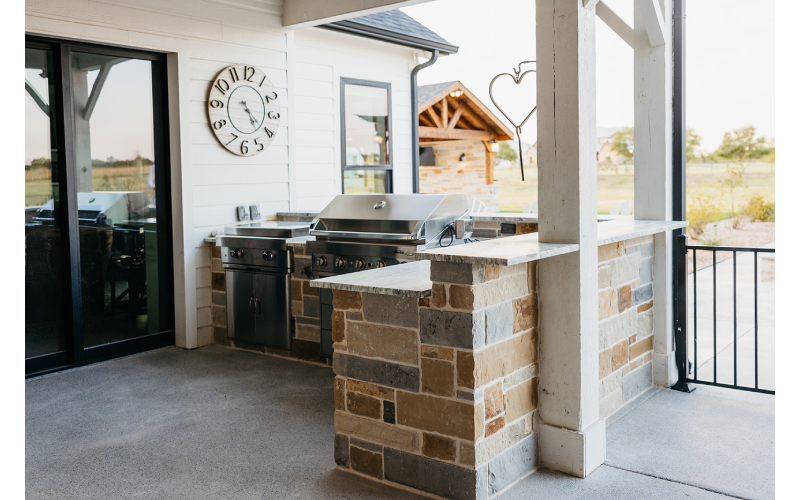
Finding the right spot for an outdoor kitchen in Fort Worth involves several key considerations. The warm climate calls for shade options like trees or pergolas, ensuring comfort while cooking. Placing the kitchen close to your home simplifies utility access—think water and electricity—making it easy to move ingredients back and forth. Privacy is also a factor; taller fences or thoughtful landscaping can create a cozy cooking atmosphere with nice views. Using durable materials such as stone or stainless steel suits both aesthetics and harsh weather conditions. Lastly, don’t forget local regulations and smart lighting options to enhance evening ambiance while blending it nicely into your yard’s design for functionality.
1. Climate Considerations for Outdoor Kitchens
Fort Worth’s warm climate makes outdoor kitchens a viable option throughout the year. However, choosing the right location is crucial for comfort. Look for areas that provide natural shade, such as beneath trees or installations like pergolas and awnings, especially during the sweltering summer months. Additionally, placing your outdoor kitchen close to the house simplifies access to utilities like water and electricity. It also streamlines the process of moving food and supplies back and forth. Privacy and views matter too; opt for spots that not only showcase pleasant sights but also offer a degree of seclusion. Durable materials like stone, brick, and stainless steel are ideal, given their resilience against the local weather. A well-thought-out layout with designated spaces for cooking, prep, and serving will enhance the overall functionality of the kitchen. Keep in mind your access to utilities and ensure you comply with local building codes, as this will save you from future headaches. Lastly, remember to integrate your outdoor kitchen with the landscaping to create a harmonious vibe.

2. Choosing the Right Proximity to Your Home
When planning an outdoor kitchen in Fort Worth, consider its proximity to your home. Keeping it close to the main living areas makes cooking and entertaining more convenient. This proximity eases the movement of food, utensils, and supplies, which is especially helpful when preparing meals for family and friends. Additionally, being nearby allows for easier access to utilities like water, gas, and electricity, which are essential for many outdoor cooking appliances.
The warm climate in Fort Worth means outdoor kitchens can be enjoyed year-round, but shade is important to ensure comfort during the hotter months. Positioning your kitchen under a pergola or near trees can create a pleasant atmosphere. It’s also wise to think about views and privacy. A well-placed outdoor kitchen can offer beautiful vistas while maintaining a sense of seclusion from neighbors. Consider using landscaping or fencing to enhance privacy and aesthetics.
Finally, integrating your outdoor kitchen with the overall layout of your yard can make the space feel cohesive and inviting. This way, you can enjoy your culinary adventures in a well-designed, functional area that harmonizes with your home.
3. Ensuring Beautiful Views and Privacy
When selecting a location for your outdoor kitchen in Fort Worth, consider not just the functionality but also the aesthetics. A spot that offers beautiful views can enhance your cooking experience, making it more enjoyable to prepare meals outdoors. Look for locations that provide a backdrop of your garden, a pond, or even a skyline view. At the same time, privacy is crucial. You want to enjoy your space without feeling exposed to neighbors or passersby. Using landscaping elements like tall plants, trees, or decorative fences can create a sense of seclusion while still allowing you to soak in the scenery. For instance, a trellis with climbing vines can offer both beauty and privacy, making it an ideal addition to your outdoor kitchen setup. By thoughtfully integrating these elements, you can create a harmonious space that feels inviting and personal.
4. Selecting Durable Materials for Longevity
When designing an outdoor kitchen in Fort Worth, selecting durable materials is crucial for ensuring longevity. Given the region’s warm climate, materials need to withstand heat and potential moisture. Stone and brick are excellent choices, offering both durability and a timeless aesthetic that blends well with nature. Stainless steel appliances are also favored due to their resistance to rust and corrosion, making them ideal for outdoor settings. For example, a granite countertop not only provides a solid work surface but can also withstand the elements while adding a touch of elegance. It’s wise to avoid materials that may warp or degrade quickly, as this can lead to costly repairs. Also, consider how your chosen materials will integrate with landscaping and the overall design. A harmonious look enhances both functionality and visual appeal, creating an inviting cooking space that you’ll enjoy for years to come.
5. Planning a Functional Layout for Cooking
Creating a functional layout for your outdoor kitchen in Fort Worth involves careful thought and planning. Given the warm climate, it’s wise to incorporate shaded areas, perhaps under a pergola or large trees, to keep cooking comfortable even in the heat. Positioning the kitchen close to your home simplifies access to utilities like water and electricity, making your cooking experience smoother.
Think about the layout itself—designate areas for cooking, food prep, and serving. This will not only improve efficiency but also make it easier to entertain guests. Incorporating features such as a grill, sink, and ample counter space can transform your outdoor kitchen into a versatile cooking hub.
Moreover, consider your kitchen’s views and privacy. A well-placed outdoor kitchen can offer beautiful scenery while maintaining a sense of seclusion. Use landscaping elements like hedges or decorative fencing to achieve this balance. Lastly, ensure your choice of materials, like stone or stainless steel, withstands the local climate, creating a durable and visually appealing space.
- Consider the workflow between prep, cooking, and serving areas.
- Make space for a grill, sink, and refrigerator for efficiency.
- Include counter space for food prep and plating.
- Plan for seating areas that are both functional and comfortable.
- Think about storage solutions for utensils and ingredients.
- Create sheltered areas for cooking and dining to protect against weather.
6. Accessing Utilities for Convenience
When planning your outdoor kitchen in Fort Worth, easy access to utilities like water, gas, and electricity is crucial. Being close to these connections not only simplifies installation but also enhances the overall functionality of your kitchen. For instance, having a sink nearby makes food prep and clean-up much easier. If you’re considering appliances like a gas grill or an outdoor refrigerator, ensure that your chosen location allows for safe and efficient utility connections. Additionally, proximity to your home streamlines the movement of food and supplies, making hosting gatherings a breeze. Don’t forget to check local building codes as they can impact where and how you can connect these utilities, ensuring your outdoor kitchen is both practical and compliant.
7. Understanding Local Building Codes
Before diving into building your outdoor kitchen in Fort Worth, it’s crucial to familiarize yourself with local building codes. These regulations can dictate everything from the placement of structures to safety standards for utilities. For instance, some areas may require permits for gas lines or water hookups. Ignoring these codes can lead to fines or even the need to dismantle your kitchen. It’s wise to consult with local authorities or a professional contractor to ensure compliance. Additionally, understanding neighborhood regulations can help you design a kitchen that fits in with local aesthetics while also adhering to safety requirements, ultimately protecting your investment.
8. Observing Neighborhood Trends in Outdoor Kitchens
When planning your outdoor kitchen, it’s wise to observe what’s trending in your neighborhood. Many Fort Worth homes are enhancing their outdoor living spaces with stylish kitchens that not only serve a functional purpose but also boost property value. Features like built-in grills, cozy seating areas, and even outdoor fireplaces are becoming popular. For instance, if you notice that many homes on your street have stone countertops and modern appliances, these could be good indicators of local tastes. Keeping an eye on these trends can help ensure your outdoor kitchen aligns with both community standards and personal preference, making your home more appealing to potential buyers in the future. Plus, a well-designed outdoor kitchen can enhance your entertaining experience, allowing you to enjoy gatherings in a space that feels integrated with the neighborhood.
9. Importance of Outdoor Lighting
Proper outdoor lighting is key to maximizing the use of your outdoor kitchen in Fort Worth, especially during the evenings. With the right lighting, you can create a warm and inviting atmosphere that encourages gatherings and late-night cooking sessions. Ambient lighting, such as string lights or soft LED fixtures, sets a relaxed mood. Task lighting, like bright lights over the grill or prep areas, ensures you can see what you’re doing clearly while cooking. Additionally, accent lighting can highlight features such as beautiful plants or pathways, enhancing the overall aesthetic of your outdoor space. For instance, placing lights under counters or along walkways not only improves safety but also adds charm. Thoughtful lighting design allows you to enjoy your outdoor kitchen long after the sun goes down.
10. Integrating Landscaping with Your Outdoor Kitchen
Creating a seamless connection between your outdoor kitchen and the surrounding landscape can greatly enhance the overall experience. Begin by choosing plants that complement the design of your kitchen. Consider incorporating low-maintenance perennials or ornamental grasses that can withstand the Texas heat. Pathways made of stone or pavers can lead from your kitchen to dining areas, guiding guests naturally through the space.
Adding seating areas with comfortable furniture nestled among greenery can invite relaxation and socializing. For instance, a shaded nook with a few chairs and a small table can be a perfect spot for enjoying a post-meal drink. Additionally, using trees or tall shrubs can provide privacy, shielding your cooking area from neighbors while still allowing light to filter through.
Also, think about the colors and textures of your landscaping materials. Stone accents in your outdoor kitchen can be echoed in the surrounding patio or garden beds, creating a cohesive look. This thoughtful integration of landscaping not only beautifies the area but also enhances functionality, making your outdoor kitchen a true extension of your home.
Frequently Asked Questions
1. What are the best spots in my backyard for an outdoor kitchen?
Look at areas with enough space away from trees and structures, and try to find a spot that’s near your house for easy access. Also, think about the view and sunlight when picking a spot.
2. How can I make my outdoor kitchen comfortable in different weather?
Consider adding a roof or awning to protect from the sun and rain, and maybe even a patio heater or fans to keep it cozy whether it’s hot or cold.
3. Is it important to keep my outdoor kitchen close to the dining area?
Yes, keeping it close makes it easier to serve food and enjoy meals without having to go far. It helps keep the flow during gatherings.
4. What utilities should I think about when choosing a location?
Make sure there’s access to water, electricity, and gas lines if you plan to use appliances. Planning this ahead will save you a lot of headaches later.
5. Are there any local laws I should check for my outdoor kitchen?
Definitely check with your local regulations and HOA rules. Some areas have restrictions on what you can build and where, so it’s important to know before you start planning.
TL;DR When planning an outdoor kitchen in Fort Worth, consider the warm climate and find a shaded location for comfort. Place it close to the house for utility access, and ensure beautiful views while maintaining privacy. Use durable materials like stone and stainless steel, and design a functional layout with essential cooking features. Familiarize yourself with local building codes and neighborhood trends, while ensuring adequate outdoor lighting for evening use. Finally, integrate the kitchen with landscaping for a cohesive look.