
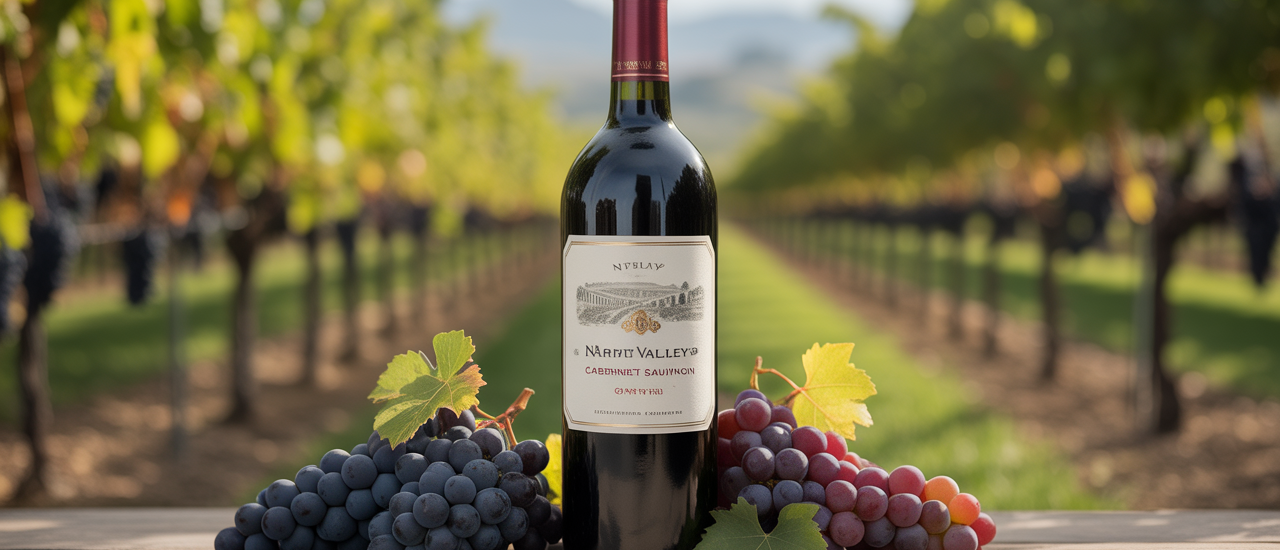
If you love good wine, you have probably heard about award-winning Napa Valley wines. These bottles often show up on “top” lists, win medals at international competitions, and quickly sell out at stores. But what actually makes them special, and how can you confidently pick the right ones for your table or your collection?
In this guide, you will learn what “award-winning” really means, how Napa’s unique land shapes flavor, and how to read tasting notes and scores without any confusion. We will also look at one respected family-run winery that produces award-winning Napa Valley wines, and how you can make the most of a visit there.
Whether you are a casual wine lover, a growing collector, or a traveler planning a trip, this simple overview will help you enjoy every sip much more.
What Makes Napa Valley Wines Award-Winning?
Napa Valley in California is one of the world’s most famous wine regions. It has a warm, sunny climate, cool nights, and varied soil types. This mix, often called “terroir,” is what gives each vineyard its own character and shapes the taste of the grapes.
When a wine is called “award-winning,” it means it has earned medals or high scores from wine competitions, critics, or trusted magazines. Judges look at aroma, flavor, balance, and how well the wine reflects its region. So, when a Napa wine wins, it usually means it stands out among many strong rivals.
Understanding Napa Valley Terroir and AVAs
Napa Valley is divided into smaller zones called AVAs (American Viticultural Areas). Each AVA has its own climate and soil. For example, some areas are cooler and perfect for white wines, while warmer spots favor rich reds like Cabernet Sauvignon.
This is important for you as a buyer. Knowing the AVA can help you guess the style of the wine. A Cabernet from a warmer AVA often has bold fruit and firm structure, while one from a slightly cooler area may show more freshness and fine spice.
How Wine Competitions and Medals Work
Many award-winning Napa Valley wines are judged in blind tastings. That means judges do not know the producer when scoring. They rate color, aroma, body, flavor, and finish. Then wines receive medals such as Gold, Silver, or Bronze.
For you, medals and scores are quick shortcuts. They cannot tell the whole story of a wine, but they can point you to bottles that many experts agree are high quality. When you see a Napa bottle with several medals on the label, you know it has impressed more than one panel of judges.
Why Some Napa Wines Stand Out Year After Year
Some wineries gain a long track record of awards and high ratings. This does not happen by chance. It usually reflects careful work in the vineyard, low yields (fewer grapes, but better concentration), and skilled winemaking.
These producers often focus on premium California wine made in smaller batches, use hand harvesting, and pay attention to every detail. When you find such a winery, it can become a trusted source for both everyday drinking and special-occasion bottles.
How to Select the Best Award-Winning Napa Wines
When you face a shelf full of Napa labels, start with three simple checks. First, look at the grape variety. Napa Valley Cabernet Sauvignon is famous for power and aging potential. Napa Chardonnay can range from fresh and citrusy to rich and creamy.
Second, check the vintage (year on the bottle). In good weather years, wines may be more generous and ready to drink sooner. In cooler years, they might be more elegant and age-worthy.
Third, look at any awards or scores. A consistent pattern of good scores across several years is more meaningful than one high rating. This shows that the winery performs well in different seasons.
Reading Tasting Notes Without Confusion
Tasting notes often sound complex, but you can keep them simple. Here is an easy way to read them:
- Aroma: What you smell when you swirl the glass (fruits, flowers, spice).
- Body: How heavy the wine feels in your mouth (light, medium, full).
- Acidity: The freshness or “zing” that makes wine feel lively.
- Tannins: The drying, firm feeling, especially in red wines.
- Finish: How long the flavors stay after you swallow.
If a Napa Cabernet note says “full-bodied, dark fruit, firm tannins, long finish,” you know it is a bold red that wants rich food and maybe a bit of time in the cellar.
Food Pairings for Award-Winning Napa Reds and Whites
Good food pairing lifts both the dish and the wine. Here are simple ideas for common Napa styles:
- Napa Valley Cabernet Sauvignon: Enjoy with grilled lamb, paneer tikka, rich biryani, or mushroom-based dishes. The structure in Cabernet suits spices and smoky flavors.
- Napa Chardonnay: Great with roasted chicken, creamy pasta, seafood, or mild Indian curries. Its balanced acidity cuts through cream and butter.
- Other reds like Merlot or Petite Sirah: Try with kebabs, slow-cooked meats, or aged cheeses. These wines handle bold, savory flavors nicely.
As a general rule, match intensity. Big, powerful wines go best with rich, flavorful food, while lighter wines work well with delicate dishes.
Planning a Visit to a Napa Winery
Visiting a working vineyard is one of the best ways to understand why Napa wines win awards. You see the vines, feel the climate, and taste wines right where they are made. Many family-owned estates offer guided tastings, tours of the cellar, and relaxed outdoor seating among the vines.
Before you travel, check opening hours and book a slot in advance, especially in busy seasons. Some wineries also offer blending classes or food-and-wine pairing experiences, which are perfect for deepening your knowledge in a fun way.
Storing Your Napa Wines at Home
If you want your special bottles to stay fresh and age well, storage matters. Keep them in a cool, dark place, away from sunlight and heat. A stable temperature is important, ideally a little below normal room temperature.
Store bottles on their sides if they have corks, so the cork does not dry out. Use them within a few years unless the label or producer notes say the wine is designed for longer cellaring. Many award-winning Napa Valley wines can age beautifully for a decade or more under good conditions.
Extra Tips for Discovering Hidden Gems
Awards are useful, but you can also find excellent wines by following reliable guides and blogs that explain complex topics in a clear way. For example, some online resources break down technical subjects, just like this helpful article on improving your website’s search rankings in simple steps. The same kind of practical, step-by-step approach works when learning about wine.
You can also explore lifestyle and travel-focused guides that show how to plan rich experiences around your interests, similar to this overview of seasonal activities that make a destination more enjoyable. For wine lovers, that might translate into visiting vineyards during harvest, joining tasting events, or attending food-and-wine festivals.
Frequently Asked Questions
Q1. What qualifies a wine as “award-winning”?
A wine is called “award-winning” when it earns medals or top scores from recognized wine competitions or critics. Judges taste the wines blind, compare them with many others, and reward those that show balance, strong character, and clear quality. When a Napa wine collects several such honors, it is usually a good sign of consistent excellence.
Q2. Do award-winning Napa wines always cost a lot?
Many highly awarded wines are premium and priced higher, but not all. Some producers keep certain labels more affordable while still entering them into regional competitions. If you focus on lesser-known AVAs, younger wineries, or second-label bottles from respected estates, you can often find strong value with plenty of quality.
Q3. How long should I age an award-winning Napa Cabernet Sauvignon?
This depends on the producer and vintage, but many Napa Cabernets are enjoyable after 3 to 5 years and can continue to improve for 8 to 15 years or more. Check the winery’s notes for guidance. If you prefer fresher fruit and softer tannins, drink earlier. If you enjoy complex, mature flavors, a few extra years in good storage can be very rewarding.