
What is a bespoke media wall and is it worth it?
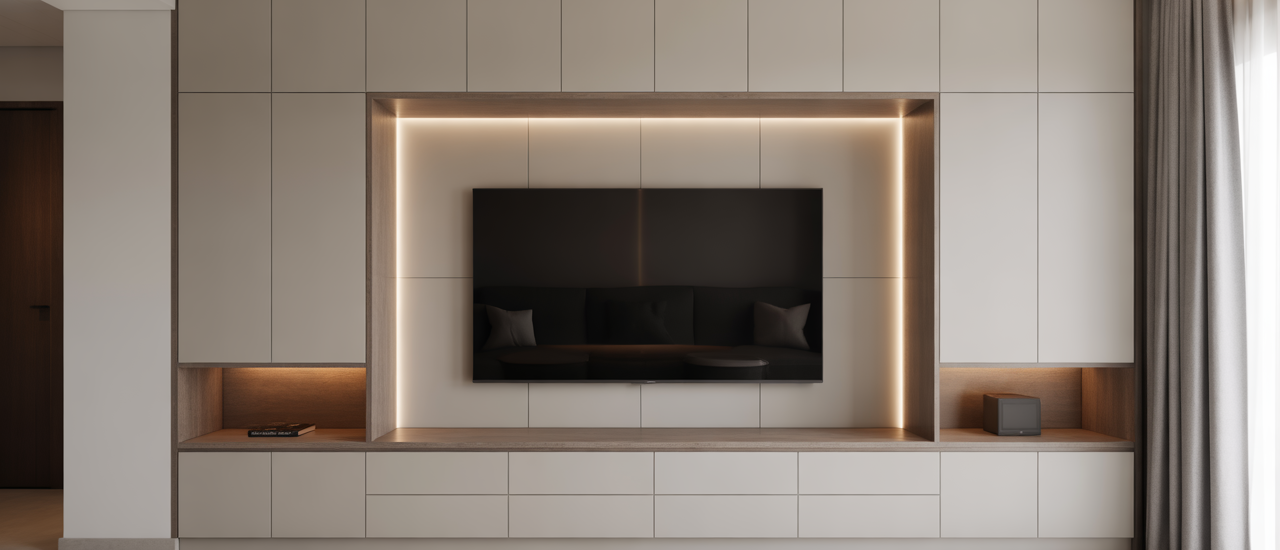
A bespoke media wall is a custom-built feature that turns your TV area into a clean, stylish focal point. Instead of a simple TV stand, you get tailored cabinetry, storage, lighting, and perfect cable hiding, all built to fit your room. If you want your living room to feel calm, organised, and modern, bespoke media walls are a very smart upgrade.
This guide walks you through what they are, how much they cost, design ideas, and how the installation process works. It is written in clear language so you can plan with confidence, whether you are refreshing a flat in Mumbai or setting up a home in Delhi, Bengaluru, or any growing Indian city.
By the end, you will know how to brief a designer, what budget to set, and how to make your investment add real value to your home.
What is a bespoke media wall?
A bespoke media wall is a built-in unit designed around your TV and media equipment. Unlike off-the-shelf furniture, it is made to measure for your exact wall width, ceiling height, and viewing distance. The goal is a sleek, clutter-free look that hides wires and devices.
Typical parts of a custom media wall include:
- TV recess at the perfect height and depth
- Closed cabinets for gadgets, game consoles, and set-top boxes
- Open shelving for books, decor, or family photos
- Smart cable channels so no wires are visible
- Optional fireplace insert, soundbar slot, or speaker panels
Think of it as a single feature that combines TV storage, a bookcase, and a design statement.
Why choose bespoke instead of ready-made?
Ready-made units are cheaper upfront but often waste space and look generic. A bespoke entertainment unit is tailored to your lifestyle and room size. This is especially useful in Indian apartments where every inch matters.
Key benefits include:
- Maximum storage: Built-in cupboards and drawers use full wall height and awkward corners.
- Perfect fit: No gaps at the sides, no odd leftover spaces, and no need to squeeze furniture in.
- Seamless style: You can match finishes to your existing decor, from glossy laminate to warm wood tones.
- Better viewing experience: Correct TV height and optional integrated speakers give a home cinema feel.
- Cleaner look: All cables, routers, and TV boxes are hidden behind panels.
How much does a bespoke media wall cost?
Costs vary by materials, size, and complexity, but it helps to think in simple budget tiers. Below is a rough guide in Indian Rupees for a standard living room wall:
- Basic: ₹80,000 – ₹1,50,000
- Mid-range: ₹1,50,000 – ₹3,00,000
- Premium: ₹3,00,000+
What affects the price?
- Materials: Engineered boards with laminate are usually more affordable than solid wood and high-gloss lacquer.
- Size and layout: Full wall units with ceiling-height cupboards cost more than a smaller floating TV panel.
- Extras: LED strip lighting, glass shelves, integrated fireplace, and custom metal details add to the total.
- Labour and installation: Skilled carpentry, electrical work, and painting are included in most quotes.
For a clear step-by-step investment mindset, many successful homeowners think of this as a small part of their full home interior budget. It delivers strong day-to-day value because you use it every evening.
Design inspiration and trending styles
Here are some popular media wall designs you can discuss with your designer or carpenter:
- Minimalist panel: Flat wall panel with a slim floating shelf and hidden cable trunking. Perfect for compact city apartments.
- Home cinema media wall: Large TV recess, soundbar slot, side cabinets, and acoustic-friendly panels for cinema-style viewing.
- Built-in shelving media wall: TV in the centre, surrounded by open shelves for books and decor. Great for large family rooms.
- Floating media wall: TV and cabinets appear to float off the floor, with LED lighting under the unit for a modern, airy feel.
- Warm wood statement: Vertical wood slats or wood veneer around the TV to add warmth and texture.
- Stone or tile backdrop: Stone-look cladding or textured tiles behind the TV for a luxury, hotel-style finish.
- Symmetrical storage: Matching tall cupboards on both sides of the TV, ideal if you need serious storage for home items.
- Family-friendly design: Rounded corners, soft-close drawers, and secure mounting for safety with children at home.
For more home upgrade ideas, you can also explore this guide on improving your property value with simple changes.
Choosing materials for your media wall
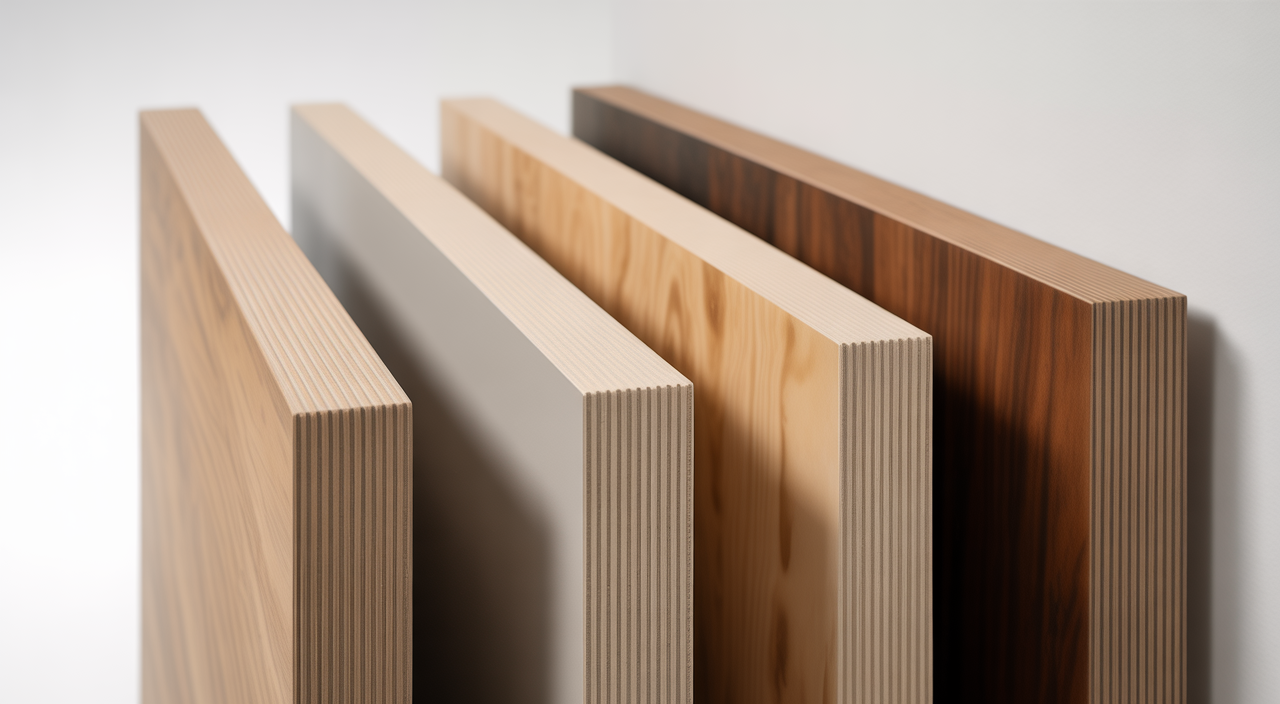
The material mix you choose affects price, durability, and style. Here is a simple comparison:
- Engineered wood with laminate: Cost-effective, wide colour range, easy to clean. Ideal for most Indian homes.
- MDF with paint or high gloss: Very smooth finish and modern look, but needs careful installation and good-quality paint.
- Plywood with veneer: Strong and stable, with the natural beauty of real wood grain. Good balance of quality and cost.
- Solid wood accents: Premium feel and long life. Best as trims or highlight panels rather than the full unit to control budget.
- Metal and glass details: Slim metal frames or glass shelves can add a contemporary touch without a big cost jump.
Ask your carpenter about moisture resistance, especially in humid regions. Also discuss cable channels and ventilation holes so equipment does not overheat.
The 5-step process to get your bespoke media wall
Most good providers follow a clear, simple workflow:
- Consultation and measurements: You share your room photos, TV size, and needs. They measure your wall and note plug points.
- Concept design: You receive layout options, sketches, or 3D views with different storage and style ideas.
- Material and finish selection: You choose laminates, colours, handles, and lighting. The final quote is locked at this stage.
- Fabrication: Units are made in a workshop for better quality control and faster on-site work.
- Installation and handover: Old unit removal, wall preparation, fitting, wiring, and final cleaning are done, usually within a few days.
This structure keeps your project organised and reduces surprises. It is similar to other well-managed home fit-out projects described in resources like this simple overview of design-build services.
Care, maintenance, and long-term value
With basic care, a quality media wall can look great for many years. Here are some easy tips:
- Dust weekly with a soft cloth to protect finishes.
- Use mild, non-abrasive cleaners and avoid harsh chemicals.
- Keep ventilation slots clear so electronic devices stay cool.
- Check wall fixings every few years, especially in high-rise buildings where vibration can occur.
Because bespoke media walls are fitted and look “built-in,” they can help your home feel more premium to future buyers or tenants. For many Indian investors, this is a smart way to upgrade the main living space without a full renovation.
FAQs about bespoke media walls
Q1. How long does it take to design and install a media wall?
For most homes, design discussions and finalisation take one to two weeks, depending on how quickly you make decisions. Once materials are confirmed, workshop fabrication may take another two to four weeks. On-site installation is usually completed in one to three days, as most cutting and finishing is done off-site.
Q2. Can I integrate speakers, gaming consoles, and mood lighting?
Yes. Modern media wall designs plan for all your devices from the start. Your designer can add shelves for consoles, recesses for soundbars, built-in speaker panels, and hidden LED strips for soft backlighting. Just share a full list of your devices, including any future upgrades you are considering, during the first consultation.
Q3. Is a bespoke media wall a good choice for rented or investment properties?
In many cases, yes. A clean, built-in TV wall gives your flat a high-end look, which can support better rent and attract quality tenants. To protect your budget, choose durable, easy-clean finishes and a simple design that appeals to a wide range of people.
Q4. Will a media wall work in a small living room?
Absolutely. In a compact room, a well-planned unit can actually make the space feel larger, because it reduces visual clutter and replaces several separate pieces of furniture. Slimline storage, floating cabinets, and light-coloured finishes work especially well in smaller Indian apartments.