
What should you know before investing in residential safe rooms?
When people think of residential safe rooms, they often picture a hidden bunker. In reality, the heart of a modern safe room is a high‑security door that blends into your home. The right door can protect you from severe weather, break‑ins, and even targeted threats. For Indian homeowners and investors, this also adds long‑term value and peace of mind.
Whether you live in a metro apartment or a large bungalow, a well‑designed safe room door can be part of your overall security plan. It works alongside CCTV, alarms, and strong main doors. The good news is you can customise protection levels based on your risk, budget, and future plans.
This guide walks you through how these doors work, what the ratings mean, and how to choose a solution that fits both safety and investment goals.
Why secure your home with a safe room door?
In many Indian cities, families are thinking more seriously about personal safety. Break‑ins, political unrest in some regions, or simply the need to store valuables can all be reasons to plan a home panic room. In coastal and cyclone‑prone areas, a safe space with a strong door also helps during extreme weather.
A high‑quality steel security door does more than just lock. It resists forced entry, heavy impact, and in advanced models, even bullets or blast pressure. For investors, adding such a feature can make a luxury flat or villa stand out in the market and justify a premium price.
Like strong window film or security grills, a safe room door is part of layered protection. It gives your family a final, secure place to gather if anything goes wrong.
Understanding door ratings and standards
When you explore residential safe rooms, you will see references to global standards. These tell you how the door performs under stress. While these standards are international, Indian buyers can still use them as a benchmark when talking to suppliers.
- FEMA safe room door rating: From US disaster guidelines, focused on protection from tornadoes and hurricanes. It tests wind pressure and flying debris.
- UL 752 ballistic levels: Bullet‑resistant ratings from Level 1 (low‑calibre) up to higher levels that stop multiple high‑energy rounds.
- ASTM impact standards: Often used for hurricane door assemblies and blast‑resistant entry systems. They look at debris impact and pressure waves.
In simple terms, storm ratings focus on wind and debris, ballistic ratings focus on bullets, and blast ratings focus on explosions. For many city homes, a blend of anti‑intrusion and ballistic resistance is ideal. In cyclone regions, debris and wind testing should be a must.
Types of safe room doors
Different homes need different types of doors. Here are the main categories you will see.
- Storm‑rated doors: Built to resist extreme wind and flying objects. Ideal for coastal or cyclone‑exposed properties.
- Ballistic‑rated doors: These act as a residential armored door, designed to stop bullets at specific UL levels. Popular with high‑net‑worth families and those with sensitive professions.
- Multi‑purpose doors: Combine storm, intrusion, and ballistic protection. Often used in premium villas where the safe room must handle several risk types at once.
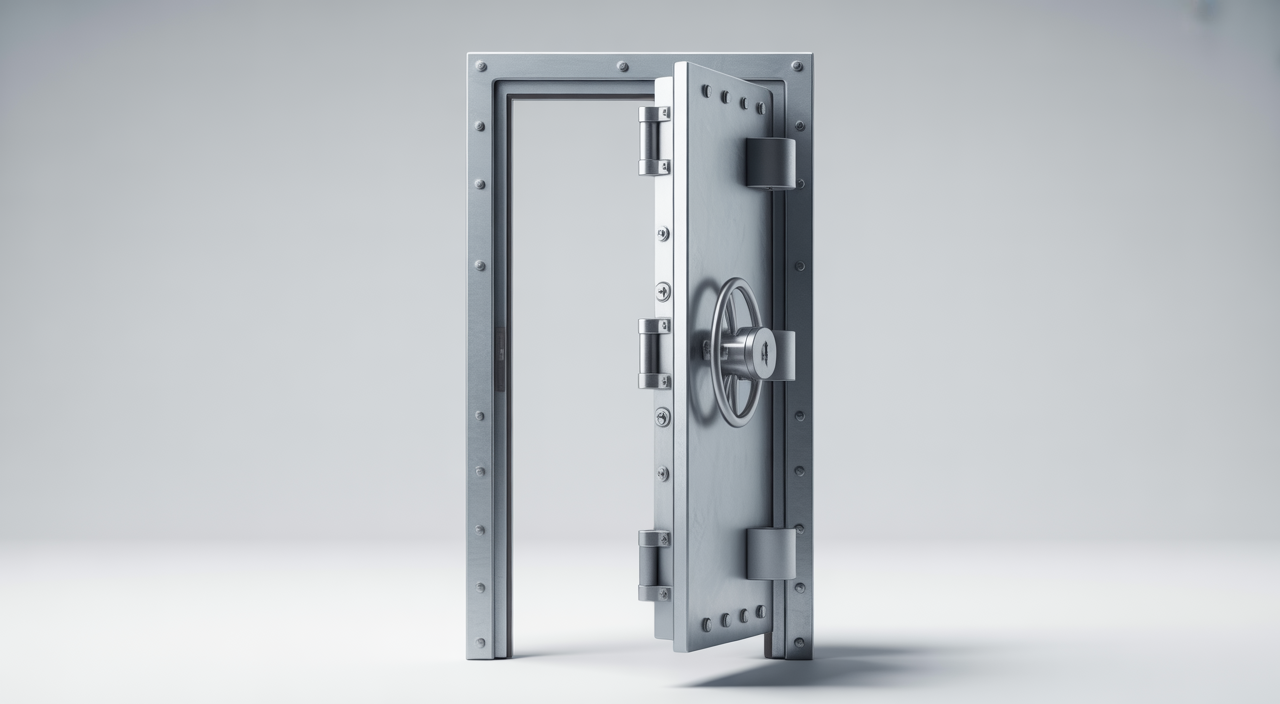
Most quality doors use thick steel skins with a reinforced core. Composite materials may be added to absorb impact and reduce weight. The frame and reinforced door jamb are as important as the leaf itself, since a strong door in a weak frame can still fail.
How to choose your safe room door
Think of your decision as balancing four points: risk level, budget, space, and future plans. A simple way is to use a small “matrix” in your mind.
- Low to medium risk: Focus on strong forced‑entry resistance and basic impact performance. Good for apartments and smaller budgets.
- Medium to high risk: Add ballistic resistance and better hardware. Ideal for public‑facing business owners and frequent travellers.
- High risk or multi‑threat: Consider multi‑purpose doors with storm, ballistic and limited blast resistance, plus electronic access control.
Also decide between custom and pre‑engineered products. Custom doors fit complex layouts and match your interior design closely, while standard models are faster to supply and usually more cost‑effective.
Installation process simplified
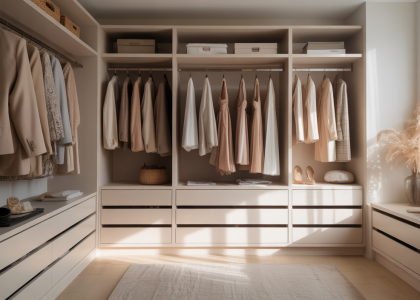
Many homeowners worry that safe room work means major demolition. In most cases, the door can be integrated into an existing room such as a dressing room, study, or inner bedroom.
Key steps include:
- Site assessment: The supplier checks wall strength, approach paths, and clear opening sizes.
- Frame and wall preparation: Walls may be thickened or lined with concrete, and door frame reinforcement plates are installed.
- Door hanging and sealing: The high‑security door installation team sets the leaf, aligns locks, and installs seals for smoke, sound, or blast control as required.
Most residential projects finish in a few days per door once materials are ready. For a smoother experience, it helps to work with specialists who understand both security and interiors, similar to how you would hire experts for upgrading heavy‑duty security doors at home.
Costs, ROI, and insurance benefits
Safe room door cost varies widely, from modest steel doors to advanced bullet‑resistant systems with electronic controls. While prices differ by supplier, Indian buyers can think in terms of a long‑term asset, not just an expense.
Benefits include:
- Better safety for family and staff
- Higher perceived value for luxury homes and rentals
- Potential for favourable insurance treatment over time as local markets mature
As with any security upgrade, keep documentation, test certificates, and warranty papers safe. These support both resale value and future claims.
Maintenance, warranty, and upgrades
A safe room door is a precision system. It needs simple but regular care to perform at its best.
- Lubricate hinges and lock mechanisms annually.
- Check seals and gaskets for cracks or gaps.
- Test electronic locks, keypads, or biometric readers every month.
Many vendors offer warranty on structure, finish, and hardware. Clarify terms in writing, and ask about upgrade options such as viewports, secondary deadbolts, and integration with alarms or automation. Over time, these upgrades can keep your safe room aligned with new security trends, similar to how ongoing maintenance packages keep digital systems up to date.
FAQs on residential safe rooms and doors
Q1: Where is the best place to build a safe room in an Indian home?
A ground‑floor room with strong surrounding walls is usually best, such as an inner bedroom, store room, or dressing room. In apartments, choose a room away from outer walls if possible. The key is easy access for all family members and the ability to install a reinforced door and frame.
Q2: Do residential safe rooms look obvious, or can they blend with my interiors?
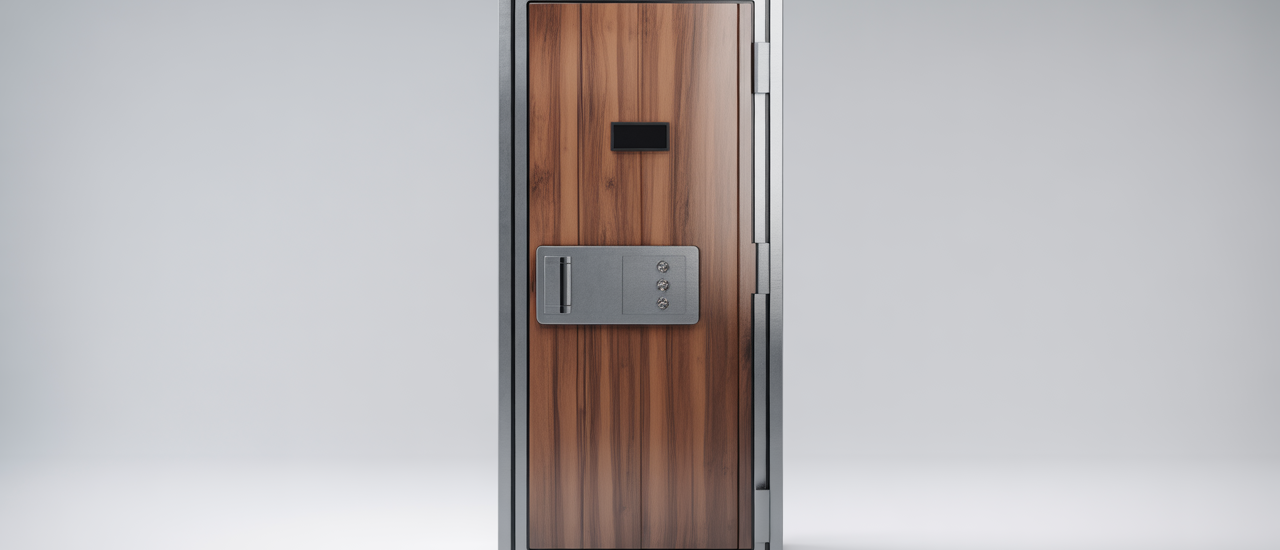
Modern safe room doors can be finished with wood veneers, paint, or panel designs that match your existing doors. From the outside, they can look like any other premium door, while inside they carry the steel structure and secure hardware. This way, your home stays stylish while gaining serious protection.
Q3: How long does a typical safe room door installation take?
Once the door is manufactured and delivered, installation often takes one to three days, depending on wall upgrades and electronic systems. Complex projects with major structural changes may take longer, but most urban homes can be upgraded with minimal disruption.