


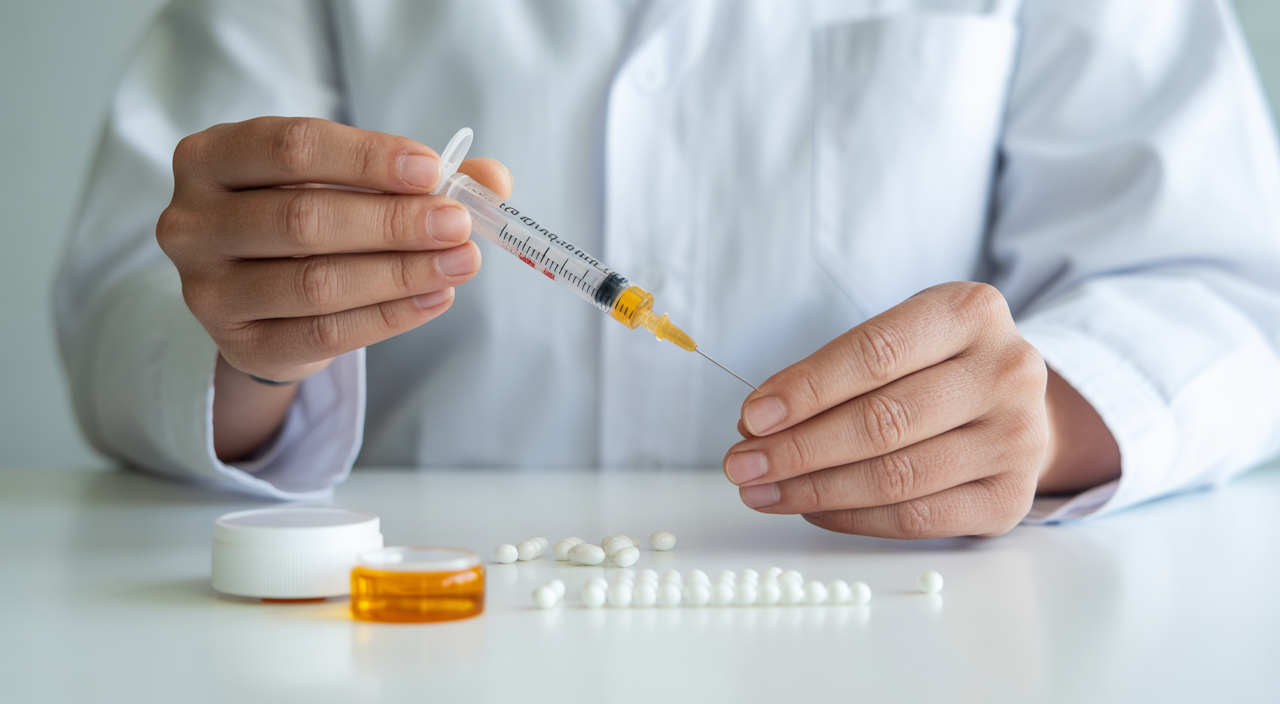
Looking into san diego egg donor programs can feel like a big step, especially when you are planning your family from India or any other country. You may be comparing different cities, clinics, and legal systems, while also thinking about costs and success rates. This guide keeps things simple so you can make confident, well-informed decisions.
San Diego has become a popular destination for in vitro fertilization (IVF) with donor eggs. Advanced medical care, strong legal protection, and experienced fertility teams make it attractive for international patients and non-resident Indians who want reliable results and clear processes.
Here, you will learn how these programs work, what they cost, key legal points in California, and how to choose the right clinic for your situation.
Why Choose San Diego for Egg Donation?
Many intended parents see San Diego as a global hub for oocyte donation. Clinics here often work with patients from Asia, the Middle East, Europe, and especially Indian families living abroad. You get a mix of advanced science and a supportive, multicultural environment.
- Access to advanced IVF technology and lab equipment
- Well-regulated legal framework for egg donation
- Experienced teams that regularly work with international patients
For Indian investors and professionals, this means your time, money, and emotional energy are used wisely, with clear expectations at every stage.
Understanding How San Diego Egg Donor Programs Work
Most san diego egg donor programs follow a similar structure. Knowing the basic steps helps you compare options easily.
Step 1: Eligibility & First Consultation
As intended parents, you will usually have a video or in-person consultation. The doctor reviews your medical history, fertility test reports, and previous IVF cycles, if any. This is also the time to ask about expected IVF success rate, timelines, and how many donor eggs or embryos are included in each package.
Typical checks for you as recipients include:
- Basic blood tests and hormone tests
- Uterus evaluation to confirm you can carry a pregnancy
- General health screening, especially if you are 35 years or older
Step 2: Donor Screening & Matching
The heart of any program is the donor. Clinics usually maintain a pool of carefully screened donors who meet egg donor eligibility requirements such as age, health, and family medical history.
Standard screening often includes:
- Age between 21 and 30 (exact range varies by clinic)
- Non-smoker and generally healthy body weight
- Genetic testing for inherited conditions
- Psychological evaluation to ensure emotional readiness
For many Indian families, matching preferences include ethnicity, education, skin tone, height, and sometimes interests or hobbies. Some clinics offer virtual donor matching platforms, where you can review profiles securely from India and shortlist donors with your coordinator’s guidance.
Step 3: Cycle Preparation & Egg Retrieval
Once you select a donor, the clinic synchronizes the donor’s cycle with the recipient or prepares to freeze embryos for future transfer. The donor will take hormone injections to stimulate multiple eggs to mature. These eggs are retrieved through a short, minimally invasive procedure under anesthesia.
In the lab, the eggs are fertilized with sperm to form embryos. Depending on your plan, embryos are then either transferred to the recipient’s uterus or frozen for later use. Many international couples prefer embryo freezing so they can plan travel dates more flexibly.
Step 4: Embryo Transfer & Follow-Up
The embryo transfer is a quick, usually painless procedure. After transfer, you may stay in San Diego for a short observation period, or return home if your doctor agrees. Blood tests soon confirm whether the cycle has resulted in pregnancy.
Cost Breakdown for Indian Investors
When you compare San Diego with other destinations, cost transparency is crucial. Total spending typically includes:
- Program fees: Donor recruitment, screening, coordination, and clinic fees
- Medical costs: IVF, lab work, embryo culture, freezing
- Medications: Hormones for donor and recipient
- Legal fees: Contracts, legal review, parental rights documents
- Travel & stay: Flights, accommodation, food, and local transport
Many clinics offer package pricing for a full donor egg cycle. Some even include a set number of embryo transfers or partial refund options if a pregnancy is not achieved within certain attempts. As an investor-minded planner, ask for a written cost sheet so you can compare clinics on a like-for-like basis.
Legal & Ethical Points in California
California is known for clear regulations that protect both donors and intended parents. Contracts usually cover rights to the embryos, confidentiality, and future contact with the child, if any.
Key topics to discuss with your clinic and lawyer include:
- Whether your donor is anonymous or open-identity
- How future contact or medical updates will be handled
- Parental rights under local law, especially if you live outside the country
For Indians, it is also wise to speak with a legal expert in your home country about birth certificates, citizenship, and travel documents for the baby.
Choosing the Right Program as an Indian Family
To select the best egg donor agencies San Diego has to offer, look beyond glossy brochures. Focus on:
- Clear communication about success rates with donor eggs
- Experience with Indian or South Asian patients
- Availability of remote consultations and smooth document support
- Empathetic counseling and emotional support for both partners
Resources that teach you how to evaluate medical and financial options can also help. For example, learning structured decision-making from business content such as practical risk-management tips for important investments can indirectly support your planning mindset for fertility treatment too.
Emotional Support & Community
Egg donation is not just a medical process. It is an emotional journey. Many San Diego clinics partner with counselors, therapists, and local or online support groups. This is especially helpful for couples who are far from home and family during treatment.
Ask your clinic whether they offer:
- One-on-one counseling for recipients
- Support groups for women going through IVF
- Resources to help you discuss donor conception with your child in future
FAQs about San Diego Egg Donor Programs
Q1: How long does the whole egg donation process take from India?
From first consultation to embryo transfer, the process often takes three to six months. Much of the preparation, such as consultations, document signing, and donor selection, can be completed online. You may only need one or two short trips to San Diego, depending on whether you opt for fresh or frozen embryo transfer.
Q2: Are San Diego egg donor programs suitable for single parents or same-sex couples?
Yes. Many programs welcome single intended parents and same-sex couples. The clinic team will outline options such as sperm donation, gestational carrier services, and legal steps, so that your parental rights are secure and recognized.
Q3: How can I check if a clinic is trustworthy?
Look for clear data on success rates, strong online reviews, and open communication. You can also study decision-making frameworks from business guides like step-by-step evaluation methods and apply the same logic: compare facts, ask for proof, and choose partners who are transparent and responsive.
When you take a structured approach, san diego egg donor programs can become a secure, well-planned path to building the family you have always wanted.