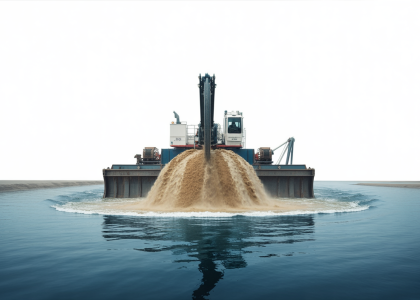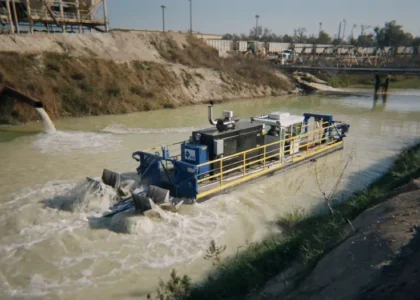

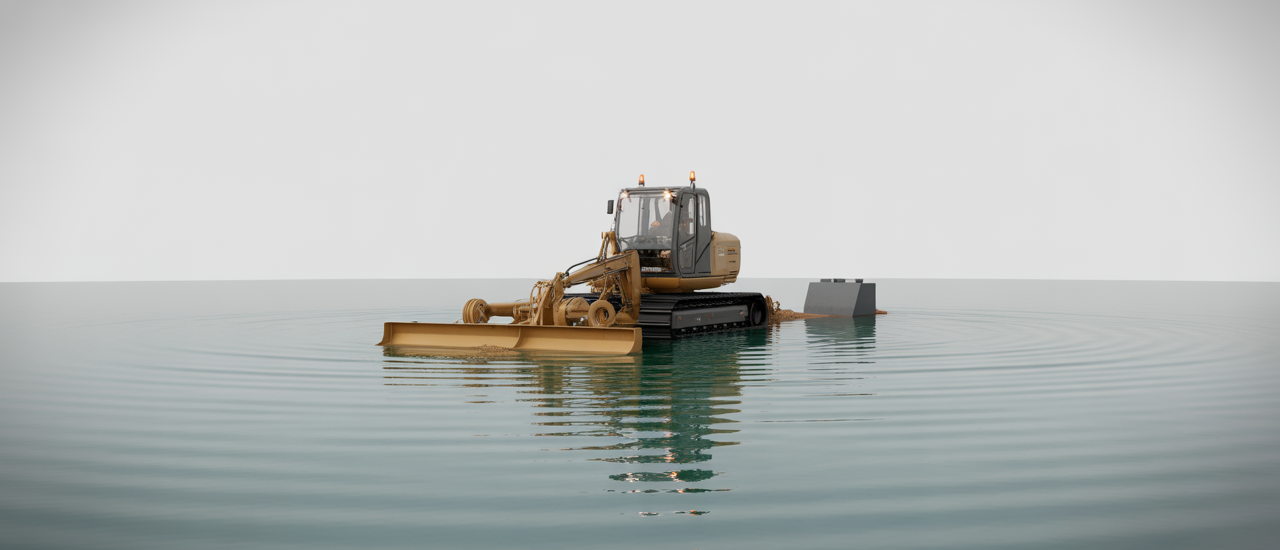
Is sediment buildup slowly taking over your pond or lake? Are you finding it harder to enjoy your waterfront property? A small dredge might be the perfect solution to reclaim your waterway and bring it back to life. These versatile machines can tackle a variety of dredging tasks, from cleaning out ponds to maintaining marinas.
But with so many options available, how do you choose the right one? This guide will walk you through the world of small dredges, explaining the different types, their applications, and the key factors to consider before making a decision. Whether you’re a homeowner, a golf course superintendent, or a marina operator, you’ll find valuable information to help you make the best choice for your needs.
We’ll cover everything from understanding what this equipment is to exploring the various types available and their ideal applications. Plus, we’ll delve into crucial factors like project size, sediment type, and budget to help you select the perfect dredge for your specific situation. By the end of this article, you’ll be well-equipped to make an informed decision and restore your waterway to its former glory. Additionally, a general understanding of flood control systems can be beneficial for broader waterway management.
What is a Small Dredge?
Let’s start with the basics. A dredge, in general terms, is a machine used to remove sediment and debris from underwater environments. A small dredge, as the name suggests, is a smaller, more portable version of these machines. They’re designed for projects that don’t require the massive scale of industrial dredging operations.
Think of it like this: a large dredge is like a bulldozer for underwater construction, while a small dredge is more like a compact excavator. They are easier to transport and operate, making them ideal for smaller, more contained projects. Typical applications include cleaning ponds, restoring small lakes, and maintaining marinas.
These machines work by using a suction or mechanical system to loosen and remove sediment from the bottom of the waterway. This material is then pumped or conveyed to a disposal site, which could be on land or in a designated area within the water body.
Types of Small Dredges
There are several types of small dredges, each with its own strengths and weaknesses. The best choice for you will depend on the specific requirements of your project. Let’s take a look at some of the most common types:
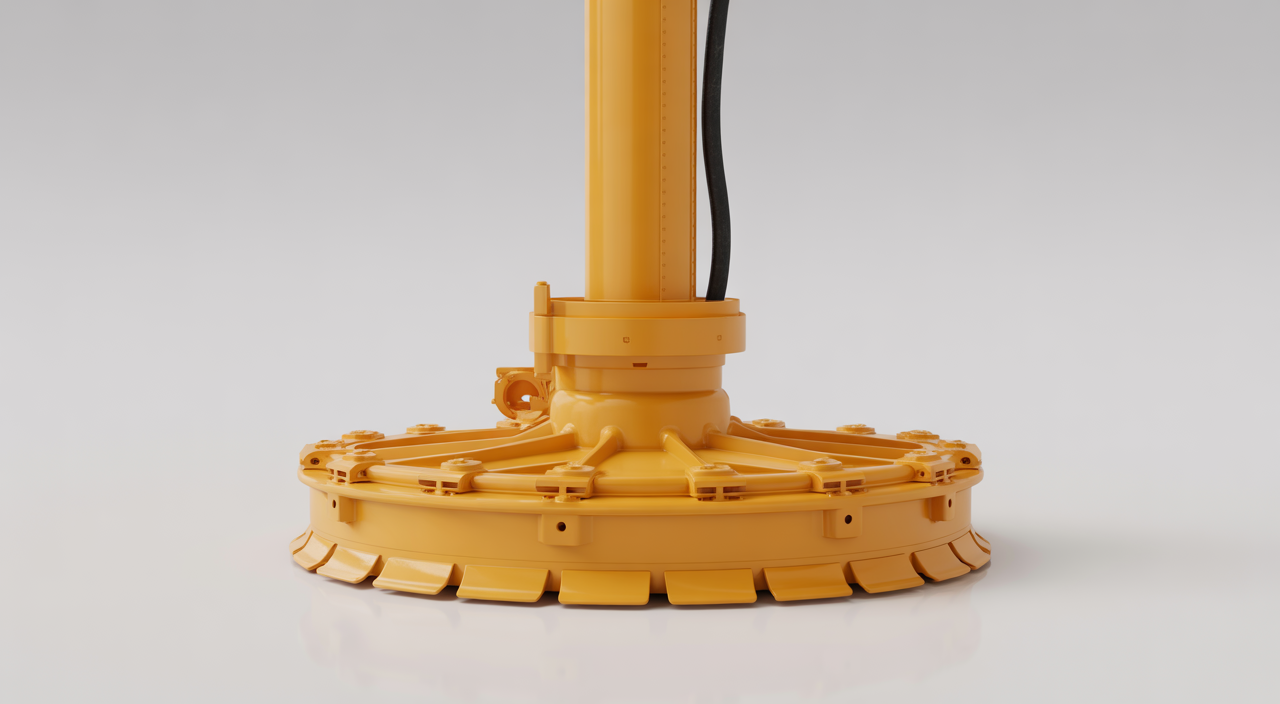
- Cutter Suction Dredges: These dredges use a rotating cutter head to loosen the sediment before it’s sucked up by a powerful pump. They are effective for a wide range of materials, from sand and silt to clay and gravel.
- Auger Dredges: Auger dredges use a rotating screw, or auger, to collect sediment and move it towards a central suction point. They are particularly well-suited for removing soft, unconsolidated materials like mud and sludge.
- Plain Suction Dredges: These are the simplest type of dredge, relying solely on suction to remove sediment. They are best used for loose, free-flowing materials like sand and fine silt.
Each of these types is designed to operate in certain conditions and should be fully researched before use. For a comprehensive approach to waterway management, consider learning more about flood control systems.
Applications of Small Dredges
The versatility of a small dredge makes it suitable for a variety of applications. Here are just a few examples:
- Pond Cleaning: Over time, ponds accumulate sediment, leaves, and other debris, leading to poor water quality and reduced depth. This equipment can remove this buildup, restoring the pond to its original condition.
- Lake Restoration: Similar to ponds, lakes can suffer from sediment buildup and nutrient pollution. Dredging can remove these contaminants, improving water clarity and supporting aquatic life.
- Marina Maintenance: Marinas often require regular dredging to maintain navigable depths for boats. This type of equipment can remove sand, silt, and other materials that accumulate in these areas.
Factors to Consider When Choosing a Small Dredge
With so many options available, choosing the right small dredge can feel overwhelming. Here are some key factors to consider:
- Project Size: How large is the area you need to dredge? This will determine the size and capacity of the dredge you need.
- Sediment Type: What kind of sediment are you dealing with? Different dredge types are better suited for different materials.
- Dredging Depth: How deep do you need to dredge? This will affect the type of pump and suction system required.
- Budget: How much can you afford to spend on a dredge? Rental and purchase costs vary significantly.
Remember to also factor in environmental regulations, ensuring you obtain any necessary permits before starting your dredging project. This is important to protect local environments from harm during the dredging process.
Maintaining Your Small Dredge
To ensure the longevity and efficiency of your dredging equipment, regular maintenance is essential. This includes:
- Regularly inspecting hoses, pumps, and cutterheads for wear and tear.
- Changing fluids and lubricants according to the manufacturer’s recommendations.
- Cleaning the dredge after each use to prevent sediment buildup.
Proper maintenance not only extends the life of your equipment but also minimizes downtime and ensures optimal performance.
When to Consider Larger Dredging Systems
While small dredges are ideal for many projects, there are times when a larger system is necessary. This might be the case for large-scale projects or when dealing with heavily compacted sediment. In these situations, consider exploring alternatives. For more demanding waterway projects, consider exploring a provider’s range of larger dredging systems.
FAQs About Small Dredges
Q: How much does it cost to rent a small dredge?
A: Rental costs vary depending on the type of dredge, its size, and the rental duration. However, you can expect to pay anywhere from $500 to $2,000 per day.
Q: Do I need a permit to operate a small dredge?
A: Permit requirements vary depending on your location and the size of your project. Contact your local environmental agency to determine the specific regulations in your area.