

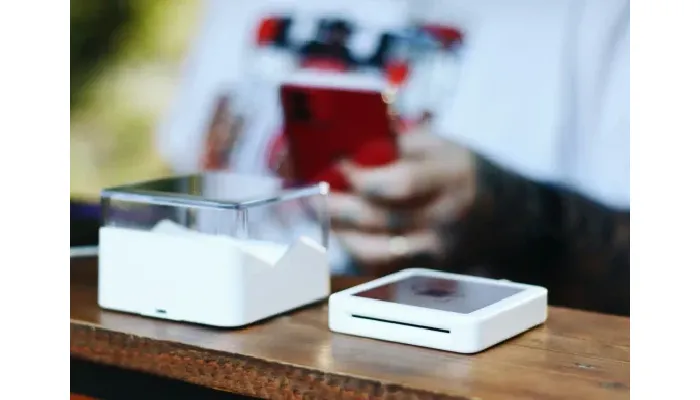
When it comes to selecting card machines for your business, doing comprehensive research can really make a difference. First, think about the ease of use; a user-friendly machine enhances customer interactions and reduces training time for staff. Also, checking for hidden fees is crucial; you want something straightforward without contracts that tie you down. Consider how well the machine fits into your existing Point of Sale (POS) system to ensure everything runs smoothly. Don’t forget about payment security, especially regarding PCI compliance. Different types are available too, like traditional terminals and mobile card readers, so evaluate what works best based on your business needs and future growth potential.
1. Key Features to Consider When Comparing Card Machines
When compare card machines for your business, it’s crucial to focus on key features that can impact your operations. A user-friendly interface is essential; it speeds up transactions and minimizes staff training, enhancing customer satisfaction. Transparency in pricing is equally important, as clear structures without hidden fees allow you to budget effectively and avoid unexpected costs. Look for integration capabilities, ensuring the machine works seamlessly with your existing software and hardware, which can streamline your operations.
Data security standards should not be overlooked. Choose machines that meet industry security requirements to protect customer information and reduce your liability risks. Additionally, ensure that the card machine can accept multiple payment methods, accommodating various customer preferences, whether it’s credit cards, mobile payments, or contactless options.
For mobile businesses, battery life is a critical factor, as long-lasting power ensures uninterrupted service during busy times. Reliable customer support is another vital feature, as quick access to assistance can minimize downtime if any issues arise. Don’t forget to research user reviews and ratings, as they can provide insights into the real-world performance of the machines you are considering.

Customization options can also be beneficial, allowing you to tailor the machine’s features to meet specific operational needs. Lastly, consider machines that receive regular software updates, as they will be better equipped to adapt to changing payment trends and technologies.
- User-Friendly Interface: A straightforward interface minimizes training and speeds up transactions, enhancing customer satisfaction.
- Transparent Pricing: Clear pricing structures without hidden costs help businesses budget effectively and avoid surprises.
- Integration Capabilities: Machines should work with existing software and hardware to streamline operations and data management.
- Data Security Standards: Machines that meet industry security standards protect customer information and reduce liability risks.
- Multi-Payment Methods: The ability to accept various payment types ensures businesses can cater to all customer preferences.
- Battery Life: For mobile readers, long battery life is essential for uninterrupted service during busy periods.
- Customer Support: Access to reliable customer service can resolve issues quickly, minimizing downtime.
- User Reviews and Ratings: Researching user feedback can provide insights into the real-world performance of machines.
- Customization Options: Machines that allow businesses to customize features can better meet specific operational needs.
- Future Updates: Machines that receive regular software updates can adapt to changing payment trends and technologies.
2. Types of Card Machines Available for Businesses
When selecting a card machine for your business, understanding the different types available is crucial. Countertop terminals are a staple for brick-and-mortar stores, handling high-volume transactions effectively. These machines typically offer reliability but require a fixed location. For businesses that need flexibility, Bluetooth card readers are a great option. They connect wirelessly to smartphones or tablets, making them suitable for various scenarios, from pop-up shops to service providers on the go.
Integrated POS systems take things a step further by combining payment processing with inventory management, making them especially beneficial for retail settings where tracking stock is essential. Self-service kiosks are another innovative solution, allowing customers to check out independently, which can enhance efficiency and reduce labor costs.
If your business operates online, e-commerce solutions are tailored for you. These tools facilitate online transactions through shopping cart integrations and secure payment gateways, allowing for smooth customer experiences. Each type of card machine has its strengths, so consider your business model and transaction needs to choose the right one.
3. Important Cost Considerations for Card Machines
When comparing card machines, understanding the costs involved is crucial for making a wise investment. Start with the initial setup costs, which can include purchasing or leasing the equipment and any installation fees. This upfront expense can vary widely, so it’s important to budget accordingly.
Next, examine transaction fees, as these will impact your bottom line each time a customer makes a purchase. Some providers charge a flat fee per transaction, while others take a percentage based on the transaction amount. Knowing this structure helps you predict costs based on your expected sales volume.
Monthly service fees are another consideration. Some providers may charge for account maintenance, customer support, or software access. These ongoing costs can add up, so factor them into your overall budget. Additionally, be mindful of chargeback fees, which can occur when a customer disputes a transaction. These fees can catch businesses off guard, adding unexpected costs that can affect profitability.
Lastly, keep potential upgrade costs in mind. As your business expands, you may need to upgrade to newer models or add features to your card machine. Being prepared for these expenses can help you avoid surprises in the future.
4. Evaluating Your Needs Based on Business Model
Understanding your customer demographics is essential when selecting a card machine. For instance, if your customers prefer mobile payments, a portable card reader might be the best choice. Businesses with both in-store and online sales need to think about different machines to handle each type of transaction effectively. If your business has peak hours, ensure your machine can process transactions quickly to keep lines moving and customers happy. Additionally, machines that automatically calculate sales tax can save you time and simplify your accounting. Finally, if you participate in events like trade shows, having a portable machine is crucial for off-site transactions. Assessing these factors based on your business model will help you choose the most suitable card machine.
5. Future-Proofing Your Payment System Choices
When choosing a card machine, think about how well it can adapt to new technology. Machines that support future payment methods, like cryptocurrencies, can keep you ahead of the curve. Regular updates are crucial too, as they help your business stay compliant with new regulations and payment standards, ensuring security for both you and your customers. Look for machines that can integrate with emerging platforms. This connection can enhance your operational capabilities and streamline processes.
Customer experience should also be a priority. Future payment systems can improve the shopping experience by offering features like loyalty programs and personalized promotions, making it easier to retain customers. Don’t forget to consider long-term support plans. Choose providers that offer comprehensive support for future upgrades or changes in your business model, so you can focus on growing your business without worrying about your payment system.
Frequently Asked Questions
What features should I look for in a card machine?
When comparing card machines, consider features like payment types supported, ease of use, mobile capability, and security options. Look for machines that offer both chip and contactless payments, as well as a user-friendly interface for smoother transactions.
How important is transaction speed for card machines?
Transaction speed can significantly impact customer experience, especially during busy times. Faster processing means less wait time for customers, leading to higher satisfaction and potentially more sales.
What kind of support services should I expect with a card machine?
Good support services can include 24/7 customer service, technical assistance, and software updates. Check if the provider offers training for your staff, so they can efficiently use the machine.
Can I use a card machine with different payment software?
Yes, many card machines are compatible with different payment software. However, it’s essential to verify compatibility and ensure the integration will work seamlessly with your existing systems.
How does the security of card machines affect my business?
Security is crucial for protecting customer information and building trust. Look for machines that comply with PCI DSS (Payment Card Industry Data Security Standard) and offer encryption to safeguard transactions.
TL;DR When choosing a card machine for your business, focus on key features like ease of use, compatibility, security, and payment options. Understand the various types available, from traditional terminals to mobile readers. Consider costs including hardware and transaction fees. Evaluate your specific business model and transaction needs to find the best fit. Lastly, ensure your choice can adapt to future payment trends and scalability as your business grows.