

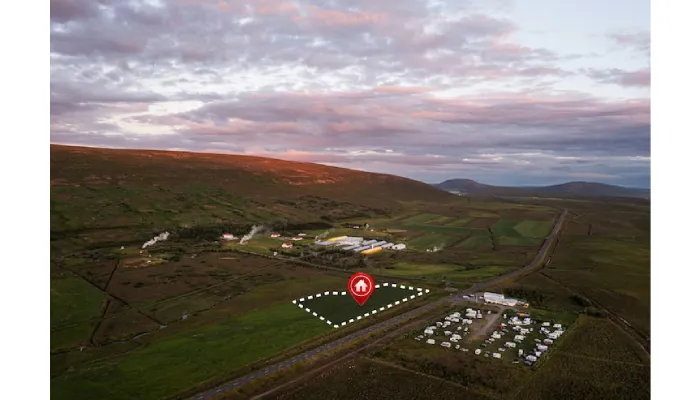
Buying land in Florida can be an exciting adventure, but it’s vital to navigate the process carefully to avoid costly mistakes. Start with comprehensive research, looking into local zoning laws and property values. Many buyers overlook common pitfalls like hidden fees or environmental regulations, these can add up quickly! Financing options abound, so consider looking into loans tailored for land purchases. It’s also wise to seek professional assistance; real estate agents and attorneys can provide invaluable guidance. By considering these essential points and consulting reliable sources, you’ll set yourself up for success in your Florida land buying journey.
1. Understand Your Needs and Goals
Before you dive into the exciting journey of buy land in Florida, it’s crucial to first understand your needs and goals. Ask yourself: what is your purpose for buying this land? Are you looking to build your dream home, start a business, or simply make an investment? Knowing the purpose will guide you in making the right choices.
Next, consider the size of the land you need. How many acres will serve your vision? For instance, if you plan to build a large family home with ample outdoor space, you’ll need more acreage than if you’re just looking for a small getaway.
Location is another vital factor. Do you envision yourself in a peaceful rural area, a bustling suburban neighborhood, or an urban setting with all the amenities? Each has its own charm and lifestyle benefits.
Think about future growth too. Research whether the area is likely to appreciate in value over time, as this can significantly impact your investment. Assess your budget realistically; how much can you comfortably spend on this purchase?
Make a list of must-have features. Do you need water access, road frontage, or proximity to schools and shopping? These details can make a huge difference in your satisfaction with the land.
Evaluate your timeline. When do you want to purchase and start using the land? Having a clear timeline helps you stay focused and organized.

2. Research the Florida Land Market
To make an informed decision when buying land in Florida, diving deep into the local land market is essential. Start by studying recent land sales in your desired area to get a grasp of what the going rates are. Websites like Zillow or Realtor.com can provide current listings, helping you understand the price range. Don’t just stop there; check out market trends to see if it’s a buyer’s market or a seller’s market. For instance, if you notice that more properties are sitting on the market, it might be a good time to negotiate a better deal.
Attending local land auctions or real estate events can offer valuable insights, as you get to hear from experienced buyers and sellers. Networking with local real estate agents who specialize in land sales can also prove beneficial; they often have the inside scoop on upcoming listings or shifts in the market.
Consider the land value appreciation across different counties, as some areas grow faster than others. For example, counties near new infrastructure projects or expanding cities typically see quicker value increases. Reviewing the land sales history is another smart move; if an area has consistently shown demand, it’s likely a solid investment.
Don’t forget to investigate economic developments in the region. Are there new shopping centers, schools, or transportation projects planned? These can significantly impact land values. Additionally, keep an eye on seasonal fluctuations, sometimes, land prices dip during certain times of the year, giving you an opportunity to snag a deal. Joining local forums or groups can also provide you with firsthand feedback from other land buyers, allowing you to learn from their experiences and avoid potential pitfalls.
3. Check Zoning Regulations and Restrictions
Before you make any decisions, it’s crucial to check the zoning regulations for the land you’re interested in. Start by visiting your local planning department, where you can gain insights into the zoning laws that apply to your area. These laws dictate what types of structures can be built, whether there are limits on height or specific types of buildings allowed. For instance, if you dream of a cozy cabin or a spacious workshop, you need to confirm that zoning permits such constructions.
Additionally, be aware of any restrictions on land use. Can you farm on the property, build a home, or run a business? Understanding these limitations will save you from potential headaches down the road. Moreover, zoning laws often include guidelines on setbacks and easements, which determine how far structures must be from property lines, so check these details to avoid costly errors.
Environmental regulations also play a significant role in land use. Investigate whether there are protected wetlands or habitats on or near your property, as this can significantly affect your plans. It’s also important to know what permits are required for your intended use; for example, building a home might need different approvals compared to starting a commercial venture.
Don’t forget to look into any planned changes to zoning that might impact your property in the future, as these can alter what you can do with your land. If you’re considering a property that falls under a homeowners’ association (HOA), be sure to review their rules as well, since they can impose additional restrictions.
Zoning laws can change over time, so it’s wise to revisit these regulations periodically and stay informed. And if you feel overwhelmed, consulting with a land use attorney can provide clarity and ensure that you’re making informed decisions.
4. Investigate Land Access and Utilities
When buying land in Florida, it’s crucial to investigate access and utilities thoroughly. Start by confirming that there is a legal road or right-of-way leading to the property; without proper access, your plans could hit a wall. Look for any existing easements that might affect your ability to reach your land or utilize it fully. Utility availability is another key factor, check if you can easily get water, electricity, and sewage services, as bringing these to your property can be quite costly. For those relying on the internet or phone service, research local providers to ensure connectivity is available in the area.
Additionally, consider the maintenance of the access roads. Who is responsible for keeping them in good condition? If the road is private, you might have to bear the costs yourself. Emergency access is also vital; make sure that fire and medical services can reach your property without difficulty. Keep in mind that weather conditions can impact access too, heavy rain or snow may make some areas impassable, so assess how the land holds up in different seasons. Confirm that access is not blocked by neighboring properties or developments, which could cause future complications. Finally, if utilities are lacking, explore options for alternative energy sources like solar or wind, as these can provide sustainable solutions to your power needs.
5. Review Environmental Considerations
Before finalizing your land purchase in Florida, it’s crucial to review environmental considerations that could impact your plans. Start by conducting a soil test to determine if the soil is suitable for building or farming. Poor soil quality can lead to costly issues down the line. Next, check if the land is located in a flood zone. Florida is prone to heavy rains, and buying property at risk of flooding can lead to significant financial losses. Investigate potential environmental hazards, such as contamination from previous use or the presence of endangered species that may restrict your development plans.
Wetlands can also be a concern, as they often come with strict regulations that can limit what you can do with the land. Assess the vegetation on the property, as you may need permits to clear certain types of plants. Additionally, consider the impact your development might have on local wildlife; protecting animal habitats is not only ethical but may also be legally required.
Research local climate patterns to understand how weather might affect your intended use of the land. This knowledge can help you make informed decisions about what you can build and how to prepare for potential challenges. Look into any conservation easements that could impose limitations on land use. Lastly, consult with environmental experts for guidance on compliance and sustainability. They can provide valuable insights that might save you from costly mistakes in the future.
6. Explore Financing Options Available
Deciding how to pay for your land is a crucial step, and you have options! You can either go the cash route or explore financing, each with its own set of pros and cons. If you’re considering financing, be aware that land loans differ from traditional home mortgages, so it’s essential to do your homework. Local banks and credit unions often have specific programs for land purchases, so check with them for tailored options.
Another avenue to consider is owner financing, where the seller allows you to make payments over time. This can be a win-win if you find a seller willing to work with you. If the land is in a rural area, USDA loans could be a fantastic choice, providing benefits for eligible buyers. FHA loans may also be available for certain properties, often requiring lower down payments, which can ease your financial burden.
When evaluating financing options, take a close look at interest rates and loan terms. How long will you be locked into payments? This will affect your budget significantly. Remember to calculate your potential monthly payments and the total interest you’ll pay over the life of the loan. Don’t forget to ask about down payment requirements, as they can vary widely between lenders.
Finally, be prepared to share your financial history. Lenders will want to assess your creditworthiness, so having your financial documents in order can streamline the process and help you secure the best financing option for your land purchase.
7. Avoid Common Pitfalls When Buying
When purchasing land in Florida, avoiding common pitfalls is crucial for a smooth experience. First, do not skip the property inspection, as it can reveal hidden issues that might cost you later. Emotional decisions can lead to regret, so stay focused on your goals and budget; think logically, not just about the beautiful scenery. Additionally, remember to account for extra costs like taxes and insurance, which can add up quickly. Be cautious of properties with unclear titles, and always hire a title company to conduct a thorough search. Not all land is buildable, so check local regulations before falling in love with a plot. Access rights are also vital; ensure you have legal access to the land to avoid future headaches. Watch out for overly enthusiastic sellers; do your own research to validate their claims. Having a clear plan for how you intend to use the land is essential; aimlessly buying without a vision can lead to disappointment. Don’t rely solely on online information; visiting the property in person can uncover details you might miss online. Finally, be wary of scams, especially when you encounter listings that seem too good to be true, if it sounds unrealistic, it probably is.
8. Seek Professional Assistance When Needed
Navigating the process of buying land in Florida can be complex, and seeking professional assistance is a smart step to avoid costly mistakes. A knowledgeable real estate agent specializing in land sales can provide valuable insights into the market, helping you find the perfect parcel that meets your needs. Additionally, consulting with a land surveyor is crucial for understanding property boundaries, ensuring that you know exactly what you are purchasing.
Engaging an attorney for legal advice, especially regarding contracts, is another essential precaution. They can help you navigate any legal complexities and ensure that all documents are in order. If you’re unsure about your budget or financing options, a financial advisor can assess your financial situation and guide you through the available choices.
Environmental considerations are also significant, so seeking advice from an environmental consultant can help you determine if the land is suitable for your intended use. Local land brokers have their fingers on the pulse of the market and can provide insights that online resources might miss.
For a thorough evaluation of the property, hiring a property inspector can uncover hidden issues that might not be immediately visible. When it comes time to close the deal, a closing agent can facilitate the transaction process, ensuring everything goes smoothly. Joining local land buyer groups can also be beneficial, as you can share experiences and advice with others who are on the same journey. Lastly, don’t underestimate the power of online resources and forums, which can offer a wealth of knowledge and support as you navigate your land purchase.
9. Understand Closing Costs and Fees
When purchasing land in Florida, understanding closing costs and fees is crucial to avoid unexpected surprises. Closing costs can vary widely, but they typically range from 2% to 5% of the purchase price. Be prepared for title insurance costs, which are essential as they protect you against any title issues that may arise after the sale. Appraisal fees are another important consideration, as lenders often require them to assess the property’s value before approving financing.
Inspection costs are also vital, as they help uncover potential problems with the land that could lead to costly repairs later. If you choose to hire an attorney for legal representation, don’t forget to factor in their fees. Additionally, recording fees for the deed transfer and survey costs, especially if the property boundaries are unclear, can add to your overall expenses. Transfer taxes may apply when the property changes hands, so be sure to check the local regulations. If the property is part of a homeowners’ association, you might face additional fees as well. Lastly, review any other costs specific to the property or location to ensure you’re fully prepared.