

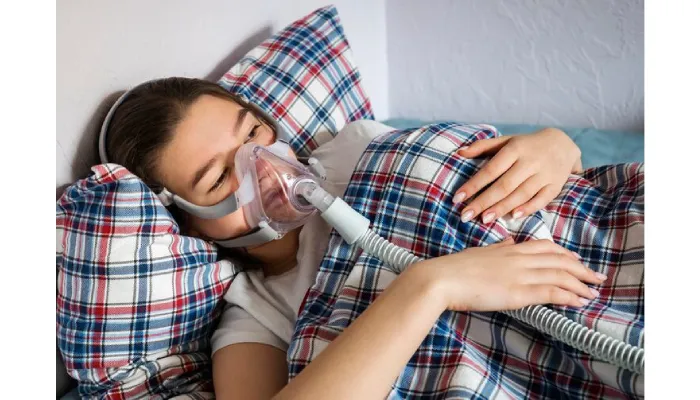
Understanding your at-home sleep apnea test results can be a game changer for your health! Start by looking at the Apnea-Hypopnea Index (AHI), which reveals how many times you stopped breathing or had reduced airflow during sleep. An AHI below 5 is normal, but higher scores indicate mild to severe apnea. Next, check your oxygen saturation levels; ideally, these should stay above 95%. Also important is your heart rate and its variations while you slumber. Examine other factors like respiratory disturbance and REM sleep duration too. Lastly, discuss your findings with a healthcare provider to explore treatment options for improved sleep quality.
1. Key Metrics to Understand
The Apnea-Hypopnea Index, or AHI, is your primary metric for understanding sleep apnea severity. It reports the number of times you experience apneas, which are pauses in breathing, and hypopneas, which are shallow breaths, per hour of sleep. A higher AHI means more severe sleep apnea, so knowing where you fall is essential. If your AHI is below 5, you’re in the normal range. However, an AHI of 5 to 15 indicates mild sleep apnea, while 15 to 30 shows moderate, and anything above 30 is considered severe. This number is vital not just for diagnosis but also for deciding on treatment options.
It’s important to note that AHI can change based on how you sleep. For example, sleeping on your back often leads to higher AHI scores, as gravity can obstruct your airway more easily. Tracking your AHI over time can help you see if treatments are effective or if your sleep patterns are shifting. Additionally, don’t overlook how lifestyle factors like weight, alcohol use, and smoking can impact your AHI results.
Reading your AHI in context with other metrics, such as oxygen saturation and heart rate, gives you a more complete view of your sleep health. For instance, low oxygen saturation levels during sleep can signal serious health risks, making it crucial to discuss your AHI results with a healthcare provider for personalized recommendations.

2. Apnea-Hypopnea Index (AHI) Explained
The Apnea-Hypopnea Index, or AHI, is a vital number in your sleep apnea test results. It tells you how many times per hour you experienced apneas (complete pauses in breathing) and hypopneas (partial reductions in breathing) during sleep. This score helps categorize the severity of sleep apnea into four levels: normal (AHI < 5), mild (AHI 5-14), moderate (AHI 15-29), and severe (AHI ≥ 30). A higher AHI score often means more significant disruptions in your sleep, leading to increased daytime sleepiness and fatigue.
To calculate your AHI, simply divide the total number of apneas and hypopneas by the total hours of sleep. For example, if you had 20 apnea and hypopnea events during 6 hours of sleep, your AHI would be about 3.3, indicating a normal range. Understanding your AHI can be empowering; it gives you insight into how lifestyle changes or treatments may improve your sleep.
Keep in mind that AHI can fluctuate due to various factors, including age, gender, and overall health. Regular follow-ups can help track these changes, allowing you to assess the success of interventions over time. Patients who monitor their AHI scores may find they can make informed decisions about their health, especially since a higher AHI can indicate an increased risk for related health problems, such as cardiovascular issues. Knowing and understanding your AHI not only helps you comprehend your sleep health, but it also encourages active participation in your treatment journey.
- AHI is a critical indicator for diagnosing sleep apnea, categorized into normal, mild, moderate, and severe.
- The calculation involves dividing the total number of apneas and hypopneas by the total sleep time in hours.
- Understanding how AHI changes can help patients recognize the effects of lifestyle changes or treatments.
- Higher AHI scores are often associated with increased daytime sleepiness and fatigue.
- AHI can be affected by factors like age, gender, and underlying health conditions.
- Tracking AHI before and after treatment helps in assessing the success of interventions.
- Patients may experience fluctuations in AHI due to variations in sleep quality or health status.
- AHI can help identify those at risk for other health issues, including cardiovascular problems.
- Regular follow-up screenings can provide updated AHI scores to monitor progress.
- Knowing your AHI can empower patients to take an active role in their sleep health.
3. Interpreting Oxygen Saturation Levels
Oxygen saturation levels play a crucial role in understanding your sleep health, especially when interpreting the results of your at-home sleep apnea test. This measurement, often taken with a pulse oximeter, indicates how much oxygen is circulating in your blood while you sleep. Normal levels typically hover above 95%. However, if your results show saturation levels dipping below 90%, this could signal serious health concerns, including the risk of organ damage.
It’s essential to recognize that patterns in oxygen levels can reveal specific breathing issues during sleep. For instance, if you notice repeated drops in your oxygen saturation, this could correlate with symptoms like daytime fatigue, headaches, or cognitive difficulties. Monitoring how often and how long these desaturation episodes occur provides valuable insight into their potential impact on your overall health.
Additionally, your sleep position can influence these levels. For example, sleeping on your back may exacerbate breathing difficulties for some individuals, leading to more frequent drops in oxygen saturation. Therefore, tracking these patterns can be incredibly beneficial.
If you observe lower saturation levels, take note of any accompanying symptoms and discuss these findings with your healthcare provider. They can help you interpret the significance of your oxygen levels and guide you toward effective treatment options aimed at improving your overall oxygen saturation and sleep quality.
4. Understanding Heart Rate Measurements
Heart rate measurements during your sleep test are crucial for understanding how your body reacts to sleep apnea events. A normal heart rate usually falls between 60 and 100 beats per minute, but fluctuations can tell a different story. For instance, if you notice consistent spikes in your heart rate, it may indicate that your body is struggling to get enough oxygen during the night, which is a warning sign that shouldn’t be ignored.
Additionally, irregular heartbeats or palpitations can be symptoms of underlying issues. These can be exacerbated by factors like stress or even certain medications, so it’s important to discuss these aspects with your healthcare provider. Monitoring heart rate alongside your Apnea-Hypopnea Index (AHI) can provide deeper insights: if your AHI is high and your heart rate is also elevated, this could suggest more severe apnea events.
Furthermore, heart rate variability is another important metric. It reflects how well your body adapts to stress, and can be an indicator of your overall health and sleep quality. If your heart rate trends show improvement after lifestyle changes or treatments, it can be a positive sign that you are making progress with your sleep apnea management.
5. Additional Indices: RDI and ODI
When diving into your sleep apnea test results, it’s essential to consider the Respiratory Disturbance Index (RDI) and the Oxygen Desaturation Index (ODI). RDI goes beyond the Apnea-Hypopnea Index (AHI) by capturing all respiratory disturbances, giving you a fuller picture of your sleep quality. For instance, if you experience frequent disruptions that don’t qualify as full apneas or hypopneas, your RDI might indicate significant sleep issues that AHI alone wouldn’t reveal.
On the other hand, the ODI measures how often your oxygen levels drop during the night. This can provide crucial insights into the severity and impact of sleep apnea on your health. For example, if your ODI is high, it suggests that your oxygen saturation dips frequently, possibly leading to health concerns that need addressing.
Both RDI and ODI are valuable tools in tracking your overall sleep health. If you notice higher scores, it may indicate a need for more comprehensive treatment options or lifestyle adjustments. Analyzing these indices alongside AHI can help pinpoint additional respiratory issues that may be affecting your sleep.
Moreover, RDI and ODI can reveal patterns related to your body position during sleep. If you find that your scores vary depending on whether you sleep on your back or side, this information can be instrumental in managing your symptoms. Regularly monitoring these indices, especially if you continue to experience sleep problems, is wise.
Lastly, discussing RDI and ODI with your healthcare provider can significantly enhance your understanding of your sleep quality and treatment needs. In some cases, ODI results can even guide decisions about supplemental oxygen therapy, making it an important metric to keep in mind.
6. How to Read Your Sleep Report?
Reading your sleep report can feel like decoding a puzzle, but it’s an essential step in understanding your sleep health. Start with sleep efficiency, which shows how much time you were actually asleep compared to the time spent in bed. If your efficiency is low, it might suggest that you’re struggling with sleep quality. Next, pay attention to the total sleep duration; adults typically need between 7 to 9 hours of sleep per night. If your report shows less than that, it could explain feelings of fatigue during the day.
REM sleep is another crucial factor to look for. This stage of sleep is vital for memory and emotional processing, so insufficient REM could indicate disruptions in your sleep cycles. Additionally, take note of your body position during sleep. If you find you spend a lot of time on your back, and your report indicates higher apnea events, it may be time to try sleeping on your side instead.
Graphs in your report can be incredibly helpful. They visually represent your sleep stages, making it easier to spot patterns and trends. By recognizing consistent disturbances at certain times during the night, you can make targeted adjustments to your sleep habits. Furthermore, your report might track other factors like snoring or leg movements, which can also impact your overall sleep quality.
Finally, don’t hesitate to review your sleep report with a healthcare provider. They can help clarify any complex data and identify key areas where you might improve. Setting specific goals based on your findings can empower you to take charge of your sleep health and embark on a journey toward better rest.
7. Sleep Efficiency and Duration Insights
Sleep efficiency is a key metric in understanding your sleep quality. It is calculated by dividing your total sleep time by the total time spent in bed, giving you a percentage that reflects how effectively you are sleeping. A high sleep efficiency, generally above 85%, indicates that you are getting quality rest, while a low efficiency suggests you may be experiencing disruptions or even insomnia.
In addition to efficiency, tracking your sleep duration is vital for recognizing if you are meeting your personal sleep needs. Most adults require between seven to nine hours of sleep per night for optimal functioning. Short sleep durations can lead to daytime fatigue and hinder cognitive performance. If you notice that you are consistently sleeping less than the recommended amount, it may be time to evaluate your sleep habits and make necessary adjustments.
Monitoring sleep efficiency and duration over time can provide valuable insights into how lifestyle changes, stress levels, or health conditions affect your sleep. For example, if you start a new exercise routine or change your diet, you might see improvements in both efficiency and duration. This information empowers you to make positive changes, such as improving your sleep hygiene, which includes maintaining a consistent sleep schedule and creating a comfortable sleep environment.
It’s also important to discuss these metrics with your healthcare provider. They can help tailor interventions or treatments based on your specific patterns. Setting realistic goals for improving sleep duration can lead to gradual enhancements in sleep quality, enabling you to feel more refreshed and alert during the day.
8. Importance of REM Sleep Time
REM sleep is a vital part of your nightly rest, accounting for about 20-25% of your total sleep time. During this stage, your brain engages in memory processing, emotional regulation, and learning, making it crucial for overall cognitive function. Disruptions to REM sleep, often caused by conditions like sleep apnea, can lead to daytime sleepiness and cognitive deficits. Monitoring the percentage of time you spend in REM sleep can provide insights into your sleep health and the effectiveness of any treatments you may be undergoing. If your test results indicate low REM sleep, it’s important to consult with your healthcare provider to explore potential causes. Improving your sleep environment and hygiene can help promote longer REM cycles, ultimately enhancing your cognitive function and emotional resilience. Setting specific goals to enhance your REM sleep can make a significant difference in your overall well-being.
9. Body Position During Sleep
Your body position during sleep plays a vital role in the severity of sleep apnea. Many people find that sleeping on their back can worsen their symptoms, leading to more frequent apnea events. In contrast, side sleeping is often recommended for those with sleep apnea, as it can help reduce airway obstruction and improve airflow. By tracking your body position throughout the night, you can identify which positions lead to better sleep quality and fewer breathing interruptions.
If you struggle to maintain a side-sleeping position, consider using positional therapy devices designed to encourage this position. Additionally, understanding how your body position correlates with your Apnea-Hypopnea Index (AHI) and oxygen saturation levels can be crucial in guiding your treatment decisions. For instance, you may notice that certain sleeping positions lead to higher AHI scores or lower oxygen saturation, indicating a need for changes in your sleep habits or further discussions with your healthcare provider.
Experimenting with different sleeping positions may yield improvements in your breathing and overall sleep quality. This can include adjusting your pillows or mattress firmness to enhance comfort and support. Remember to note any symptoms that seem linked to specific sleeping positions, as this information can be invaluable for your healthcare provider when tailoring your treatment approach, which may include adjustments to CPAP therapy settings.
Moreover, body position can impact other conditions, such as acid reflux or chronic pain, making it even more important to find a position that promotes restful sleep.
10. Next Steps After Receiving Results
Discussing your sleep apnea test results with a healthcare provider is key to understanding what they mean for you. This conversation will help you explore treatment options tailored to your needs. You might consider CPAP therapy, oral appliances, lifestyle changes, or even surgery, depending on the severity of your condition. Each option has its benefits and drawbacks, so it’s important to ask questions and gather information to make informed decisions.
After starting treatment, monitoring your symptoms and tracking any changes is essential. This can help you see how well the treatment is working and if adjustments are necessary. In some cases, follow-up tests may be required to assess your progress and refine your treatment plan.
Staying proactive about your sleep health can lead to better long-term outcomes. This includes incorporating lifestyle changes like weight loss or quitting smoking, which can significantly improve your sleep apnea symptoms. Good sleep hygiene practices will enhance the effectiveness of your treatment as well.
Regular communication with your healthcare provider is crucial for ongoing support and adjustments to your treatment plan. Additionally, consider joining support groups or educational programs. Learning from others who have similar experiences can provide valuable insights and encouragement.
Resource URL: