

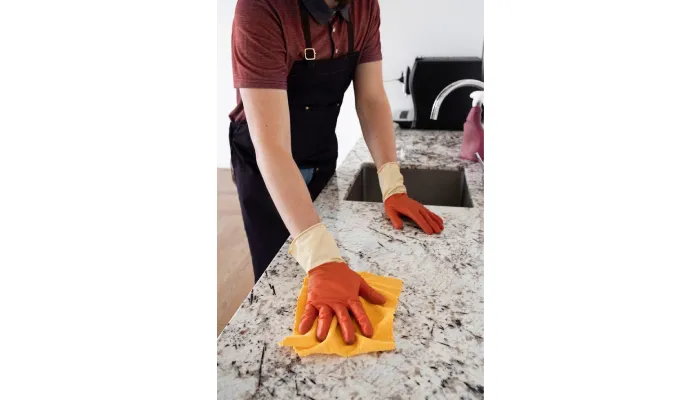
A professional kitchen deep cleaning service plays a crucial role in preventing health hazards. By effectively reducing harmful bacteria and pathogens, these services help combat foodborne illnesses caused by germs like E. coli and Salmonella. Additionally, tackling grease and residue on appliances minimizes fire risks and prevents slippery floors. Sanitization of kitchen equipment ensures hygiene and mitigates cross-contamination issues. Often overlooked areas, such as exhaust fans and drains, receive thorough attention during deep cleans to remove hidden dangers. Moreover, adhering to health regulations keeps businesses compliant, establishing a safer environment that boosts staff morale while improving air quality for all involved.
1. Reduction of Bacteria and Pathogens
Professional kitchen deep cleaning service play a crucial role in reducing harmful bacteria and pathogens that can thrive in food preparation areas. Regular deep cleaning not only minimizes the risk of cross-contamination, but it also effectively targets dangerous bacteria like E. coli and Salmonella, which can lead to serious foodborne illnesses. Expert cleaners use specialized disinfectants that are designed to eliminate these threats, ensuring a safer environment for both staff and patrons.
Key surfaces, such as countertops and door handles, receive focused attention during deep cleaning sessions. These high-touch areas are often breeding grounds for bacteria. Additionally, deep cleaning is essential for removing biofilms, which can harbor pathogens and are notoriously difficult to eliminate with standard cleaning methods. Techniques like steam cleaning offer a powerful solution, as they can kill bacteria without relying on harsh chemicals.
Implementing a monthly deep cleaning schedule can significantly lower bacterial counts in kitchens, creating a healthier cooking space. Training staff on proper hygiene practices supports these efforts, fostering a culture of cleanliness that empowers everyone to prioritize hygiene. When a kitchen maintains high standards of cleanliness, it leads to better health outcomes for employees and customers alike, making it an essential aspect of any food service operation.
- Regular deep cleaning drastically reduces the risk of cross-contamination in food preparation areas.
- Professional cleaners use specialized disinfectants that target harmful bacteria effectively.
- High-touch surfaces like door handles and countertops receive extra attention during cleaning.
- Deep cleaning helps to eliminate biofilms, which can harbor pathogens and are hard to remove with regular cleaning.
- Using steam cleaning methods can kill bacteria without the need for harsh chemicals.
- Monthly deep cleaning schedules can significantly lower bacterial counts in kitchens.
- Training staff on hygiene practices complements deep cleaning efforts, ensuring long-term results.
- Maintaining a clean kitchen can lead to better health outcomes for staff and patrons alike.
- Post-cleaning tests can confirm the effectiveness of the cleaning process in reducing pathogens.

2. Addressing Grease and Residue
Grease buildup in the kitchen can lead to serious fire hazards, making it essential to address it regularly. Professional cleaning services are equipped with tools like pressure washers that effectively remove tough grease from stovetops, ovens, and exhaust systems. Regularly cleaning exhaust hoods and filters not only prevents smoke and odors from lingering but also enhances the performance of kitchen appliances, extending their lifespan. Specialized degreasers target stubborn areas, ensuring every inch of grease is eliminated. Moreover, maintaining a clean environment reduces the risk of slip-and-fall accidents on greasy floors, creating a safer workspace for staff. By investing in proper cleaning practices, kitchens not only achieve a cleaner and more inviting atmosphere but also reflect professionalism to customers. Deep cleaning should also include hard-to-reach spots behind and underneath kitchen equipment, where hidden grease and grime often accumulate. This proactive approach to grease removal can significantly lower kitchen maintenance costs over time, making it a smart investment for any kitchen operation.
3. Compliance with Health Regulations
Regular deep cleaning is vital for kitchens to comply with local health codes and regulations. Professional cleaners are well-versed in the latest health guidelines, ensuring that every nook and cranny is properly sanitized. This adherence not only helps businesses avoid fines during inspections, but it also enhances their reputation within the community. Documenting cleaning processes can serve as proof of compliance, which is invaluable during health inspections. Furthermore, maintaining cleanliness through regular audits can prevent lapses in compliance. When health inspectors see a well-maintained kitchen, it builds their confidence in the establishment’s cleanliness. Training staff on health regulations ensures everyone understands the importance of compliance. Creating a culture that prioritizes cleanliness encourages staff to maintain high standards in their daily routines. Additionally, engaging with local health officials can provide essential insights on staying compliant, ultimately safeguarding the business and its patrons.
4. Long-term Cost Savings
Investing in kitchen deep cleaning services brings significant long-term cost savings that can greatly benefit any food service operation. Regular deep cleaning helps maintain equipment and surfaces, preventing costly repairs down the line. For instance, a well-maintained oven or fryer is less likely to break down, saving you from expensive replacements or emergency repairs. Additionally, maintaining a clean kitchen environment can help avoid failures during health inspections, which not only saves businesses from hefty fines but also protects them from potential shutdowns.
Moreover, consistent cleaning can lead to lower insurance premiums over time, as insurers often recognize the reduced risk associated with well-maintained facilities. Regular deep cleaning also enhances the energy efficiency of kitchen appliances. Clean appliances run more efficiently, leading to lower utility bills, which can add up significantly over time.
Another advantage is that a clean kitchen can translate to fewer sick days for employees. When your staff stays healthy, you save on labor costs and maintain productivity. Plus, a sparkling clean kitchen can attract more customers, boosting sales and revenue.
Furthermore, keeping a clean environment minimizes the risk of lawsuits related to foodborne illnesses, protecting your business’s reputation and finances. Building long-term relationships with cleaning services can result in negotiated rates and discounts, making it even more affordable. Finally, documenting your cleaning processes allows you to provide a cost-benefit analysis that can justify ongoing expenses, ensuring that your investment in deep cleaning services pays off.
5. Time Efficiency and Expertise
Professional kitchen deep cleaning services are a game changer when it comes to time efficiency and expertise. Trained professionals know the ins and outs of kitchen cleaning, allowing them to tackle tasks quickly and effectively. With advanced cleaning technology at their disposal, they can achieve amazing results in a fraction of the time it would take an untrained staff member. This means that while the experts do the dirty work, kitchen staff can focus on what they do best: preparing and serving delicious food.
Moreover, expert cleaners are well-versed in the best products and methods for each cleaning task. They maximize efficiency by using techniques that ensure every nook and cranny is addressed, resulting in a thorough clean that enhances overall kitchen workflow. A clean kitchen not only looks better but also improves the efficiency of food preparation, reducing the time staff spend looking for tools or ingredients buried under dirt and grime.
Regularly scheduled deep cleaning can be strategically planned around busy hours to minimize disruption. Professional cleaners can work in teams, which means they can complete tasks in a shorter time frame than an overworked kitchen staff could manage alone. Plus, routine cleaning reduces the buildup of dirt, making future cleanings easier and quicker.
Finally, while working with professionals, kitchen staff have the opportunity to learn from their techniques. This not only enhances the staff’s cleaning skills but also promotes a culture of cleanliness and efficiency in the kitchen.
6. Proactive Maintenance
Regular deep cleaning is not just about making the kitchen look good, it’s a vital component of proactive maintenance. By scheduling deep cleaning sessions, kitchens can identify small maintenance issues before they escalate into major problems. For example, a minor leak in a refrigerator can go unnoticed, leading to significant water damage if not addressed quickly. Proactive cleaning schedules help ensure that kitchen equipment runs efficiently, extending its lifespan and enhancing performance.
Addressing small issues promptly can save businesses from costly repairs down the line. Furthermore, deep cleaning helps prevent the accumulation of hazardous materials, such as grease and dirt, which can pose serious health risks. Including routine maintenance checks during these cleaning sessions ensures that everything is running smoothly and that potential problems are caught early.
This proactive approach not only reduces downtime by avoiding emergency cleaning situations but also fosters a culture of safety and hygiene among staff. When employees see the emphasis on maintenance, they are more likely to adopt safe practices themselves. Engaging with professional cleaning services can provide invaluable insights into best practices for ongoing maintenance, making the kitchen not just cleaner, but safer for everyone.
Frequently Asked Questions
How does a kitchen deep cleaning service help keep my food safe?
A kitchen deep cleaning service gets rid of grease, food particles, and germs that can cause foodborne illnesses. By ensuring surfaces and appliances are spotless, it prevents cross-contamination and keeps your food safe to eat.
What health risks can dirty kitchens pose?
Dirty kitchens can lead to a range of health problems, including food poisoning caused by bacteria, allergies from dust and mold, and even pest infestations that spread diseases. Regular deep cleaning helps avoid these issues.
Why is regular deep cleaning more effective than surface cleaning?
Regular deep cleaning goes beyond just wiping down surfaces, as it tackles hidden dirt, grime, and germs in hard-to-reach areas. This thorough approach significantly reduces the risk of health hazards and ensures a truly clean environment.
Can a clean kitchen improve my family’s health?
Absolutely! A clean kitchen reduces the risk of germs and bacteria, promotes better food hygiene, and can even help improve your family’s overall health by lowering the chances of illness from contaminated food or surfaces.
What should I expect during a kitchen deep cleaning service?
During a kitchen deep cleaning service, professionals will clean all surfaces, including countertops, cabinets, and appliances, sanitizing areas prone to germs, like handles and sinks, while also addressing corners and hidden spaces where dirt often accumulates.