

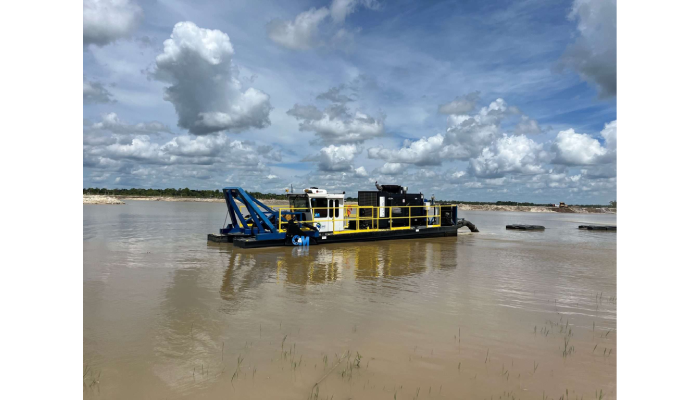
Managing wastewater is one of the most important responsibilities for municipalities, industrial plants, and treatment facilities. While daily operations often focus on chemical treatments, filtration, and compliance with environmental regulations, one process that is sometimes overlooked—but absolutely essential—is wastewater dredging.
Over time, sediment, sludge, and other debris accumulate at the bottom of treatment lagoons, clarifiers, and holding ponds. If left unmanaged, these buildups can significantly reduce plant efficiency, create safety hazards, and even result in regulatory violations. That is why investing in regular wastewater dredging is not just a maintenance task—it’s a critical strategy for operational excellence and long-term sustainability.
In this article, we will explore the role of wastewater dredging, how it supports plant performance, and why it should be a priority for every wastewater management facility.
What Is Wastewater Dredging?
Wastewater dredging is the process of removing accumulated solids, sludge, and debris from the bottom of wastewater treatment ponds, lagoons, or tanks. These solids typically include organic matter, grit, grease, and industrial byproducts that settle during treatment processes.
Specialized dredging equipment, such as hydraulic dredges, suction systems, or mechanical excavators, is used to safely extract these materials without disrupting plant operations. Depending on the application, dredging can be performed in-line with treatment processes or scheduled as a periodic maintenance activity.
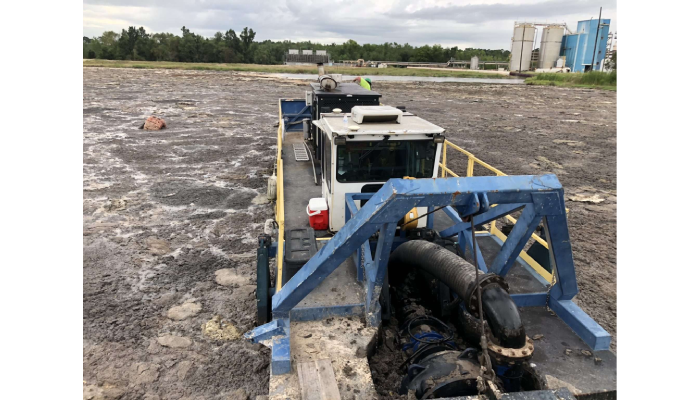
Why Solids Accumulate in Wastewater Systems?
Even the most advanced wastewater treatment systems generate residual solids. Over time, these deposits can build up for several reasons:
- Sludge Formation: During primary and secondary treatment, organic matter and biosolids naturally settle at the bottom.
- Industrial Waste Byproducts: Factories and plants discharge oils, chemicals, and particulates that accumulate in lagoons.
- Natural Sediment: Stormwater inflow and surface runoff bring grit, sand, and silt.
- Chemical Precipitation: Coagulation and flocculation treatments can lead to chemical sludge accumulation.
If these deposits aren’t removed through dredging, they can reduce system capacity and efficiency.
The Link Between Wastewater Dredging and Plant Efficiency
For a wastewater treatment plant, efficiency means more than just processing large volumes of water. It also includes cost savings, reduced downtime, energy conservation, and meeting environmental compliance standards. Here’s how wastewater dredging contributes to all these areas:
1. Maximizing Treatment Capacity
Sludge buildup reduces the available volume in lagoons or tanks, meaning less wastewater can be processed. By performing regular dredging, plants restore the original capacity of their systems, ensuring they can handle peak flow demands and avoid costly expansions.
2. Improving Treatment Quality
Excess solids can disrupt biological treatment processes by smothering beneficial bacteria and reducing oxygen transfer. Dredging restores optimal conditions for microorganisms to break down organic waste, improving water quality before discharge.
3. Reducing Odors and Safety Hazards
Sludge that remains stagnant at the bottom of a lagoon often becomes anaerobic, releasing foul odors and hazardous gases like hydrogen sulfide. Wastewater dredging prevents these conditions, improving onsite safety and community relations.
4. Lowering Energy Costs
When solids accumulate, pumps and aerators have to work harder, consuming more energy. Removing sludge through dredging allows equipment to run more efficiently, extending its lifespan and lowering power bills.
5. Ensuring Regulatory Compliance
Environmental agencies strictly regulate wastewater discharge. High solids content or poor effluent quality can result in fines and penalties. Regular dredging helps maintain compliance and protects facilities from legal risks.
Methods of Wastewater Dredging
Different facilities use different dredging approaches depending on the size of their lagoons, the type of waste, and operational requirements. Common methods include:
- Hydraulic Dredging: Uses suction pumps to remove sludge in a slurry form. Ideal for continuous operations where interruption must be minimal.
- Mechanical Dredging: Employs excavators, clamshell buckets, or draglines to scoop solids from lagoons. Effective for large-scale cleanouts.
- Portable Dredge Systems: Compact and mobile systems that can be used in small ponds or clarifiers.
- Robotic or Remote-Controlled Dredges: Increasingly popular for confined or hazardous spaces, enhancing operator safety.
Each method has advantages depending on plant layout, sludge composition, and disposal requirements.
Handling and Disposal of Dredged Materials
Dredging doesn’t end with sludge removal—proper handling and disposal are equally important. Options include:
- Dewatering: Using geotextile bags, centrifuges, or drying beds to separate water from solids.
- Land Application: If sludge meets nutrient and contaminant guidelines, it can be repurposed as agricultural fertilizer.
- Landfill Disposal: For materials with contaminants not suitable for reuse.
- Incineration or Thermal Processing: For hazardous or high-energy waste.
A responsible sludge management plan ensures compliance and maximizes resource recovery where possible.
Long-Term Benefits of Wastewater Dredging
Facilities that incorporate wastewater dredging into their maintenance schedules see measurable advantages:
- Extended Equipment Life: Pumps, aerators, and mixers experience less wear and tear.
- Lower Emergency Costs: Preventing system failures reduces unexpected repair expenses.
- Environmental Stewardship: Cleaner effluent protects ecosystems and water resources.
- Operational Flexibility: Restored capacity allows facilities to adapt to growth and regulatory changes.
Over the long term, the return on investment in dredging far outweighs the costs of neglect.
Case Example: Industrial Wastewater Lagoons
Consider an industrial food processing plant with large wastewater lagoons. Over several years, organic sludge accumulated, reducing lagoon depth by nearly 50%. This resulted in frequent odor complaints, higher aeration costs, and inconsistent discharge quality.
By implementing a scheduled wastewater dredge program, the plant restored lagoon volume, cut aeration energy costs by 30%, and eliminated odor issues. The investment paid for itself within two years through reduced operating costs and avoided penalties.
Best Practices for Wastewater Dredging
To maximize effectiveness, facilities should follow these best practices:
- Regular Monitoring – Use sludge depth measurement tools to track buildup and schedule dredging proactively.
- Customized Solutions – Choose dredging methods based on plant size, waste type, and operational goals.
- Safety First – Always assess confined space and hazardous material risks before dredging.
- Compliance Checks – Test dredged material for contaminants to determine proper disposal methods.
- Partner with Experts – Experienced dredging contractors can provide efficient, cost-effective services tailored to plant needs.
Conclusion
Wastewater treatment plants cannot operate at peak efficiency without managing the inevitable buildup of sludge and solids. Wastewater dredging is the key process that restores system capacity, reduces costs, improves effluent quality, and ensures compliance.
Facilities that neglect dredging put themselves at risk of inefficiencies, equipment failures, and regulatory fines. On the other hand, those that integrate dredging into routine maintenance enjoy smoother operations, longer equipment life, and a stronger environmental reputation.
Resource URL: