
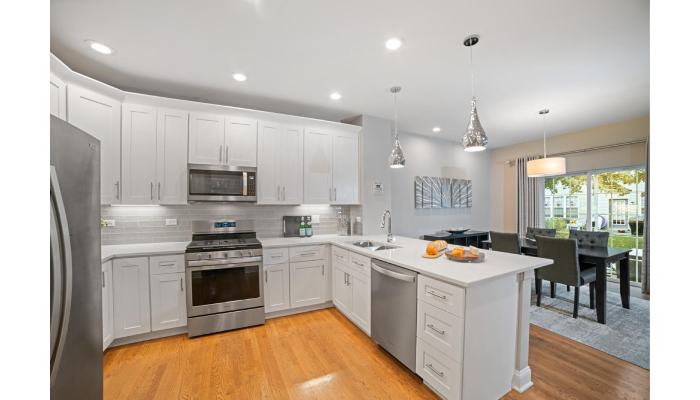
When selecting materials for a Florida kitchen, it’s essential to consider the state’s unique climate. High humidity can cause warping and mold, while intense heat may lead to fading and damage. Therefore, focus on durability, moisture resistance, and heat tolerance. Quartz countertops are an excellent choice due to their non-porous nature and stain resistance. For cabinetry, stainless steel or PVC provide modern durability against humidity. When it comes to flooring, ceramic tiles offer both elegance and practicality. Additionally, ensure good ventilation systems are in place to combat moisture buildup. Proper installation and maintenance will further enhance the longevity of your beautiful kitchen design!
1. Understanding Florida’s Climate Impact
Florida’s climate is a unique challenge for Florida kitchen design, and understanding its impact on material selection is crucial. With warm temperatures year-round, materials need to be heat-resistant to prevent warping or damage. High humidity levels also present a significant risk, as they can lead to mold growth on porous materials. To combat this, non-porous materials like quartz and stainless steel are excellent choices because they resist moisture and are easy to clean. In coastal areas, the salty air can corrode certain materials, so opting for rust-resistant options is wise. Additionally, Florida’s intense sunlight can cause colors to fade, making UV-resistant coatings or materials necessary for maintaining aesthetics. Seasonal storms can bring heavy rains, so it’s vital to choose materials that can withstand moisture without deteriorating. With temperature fluctuations common, materials that can handle expansion and contraction will last longer. Don’t forget about air conditioning, which is prevalent in Florida homes; your choices should complement this feature. Lastly, always consider local building codes, as they may dictate specific weather resilience requirements. By taking these factors into account, you can create a beautiful and durable kitchen that stands up against Florida’s climate.
- Florida experiences year-round warm temperatures, making heat resistance essential for materials.
- High humidity levels can lead to mold growth, necessitating the use of non-porous materials.
- Coastal areas may experience saltwater exposure, which can corrode certain materials.
- Seasonal storms can lead to water infiltration; materials should be able to withstand moisture.
- The sun’s intensity can cause fading, so UV-resistant coatings or materials are beneficial.
- Temperature fluctuations can cause materials to expand and contract, affecting their longevity.
- Air conditioning is common in Florida homes, which can affect material choices.
- Consider the local environment when selecting materials, as different regions may have unique challenges.
- Understanding local building codes can influence material choices due to weather resilience requirements.
- Choosing materials that are easy to clean can help maintain aesthetics in a humid climate.
2. Key Material Properties for Florida Kitchens
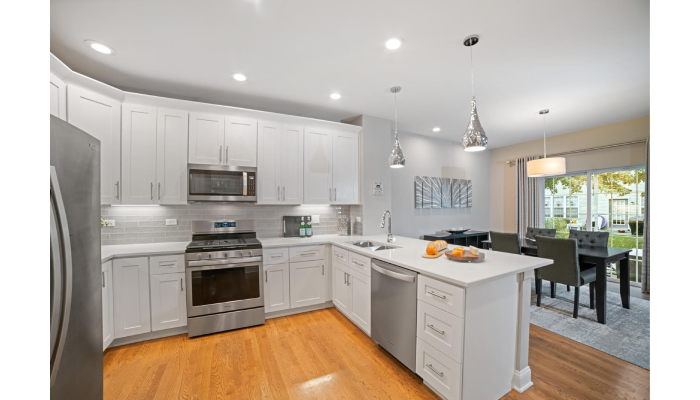
When designing a kitchen in Florida, it’s essential to consider the unique properties of materials that will thrive in this environment. Scratch resistance is a must for high-traffic areas; you want surfaces that maintain their fresh look even after years of use. Stain resistance is equally important, helping your countertops and cabinets look pristine despite spills from cooking or family gatherings. Non-porous materials are ideal, as they not only resist stains but also prevent the growth of bacteria, ensuring a safe cooking space for you and your loved ones.
Colorfastness is another crucial property, as the intense Florida sun can fade colors over time. Choosing materials that resist discoloration will keep your kitchen vibrant and inviting. Additionally, thermal shock resistance is vital for materials that may experience sudden temperature changes, such as near a hot stove or refrigerator. Ease of repair should also be a factor in your decision; some materials can be easily fixed if damaged, while others may require costly replacements.
The weight of the materials matters too, especially for installation and structural support, so be mindful of how heavy different options are. Aesthetic appeal is key; the materials you choose should complement your kitchen’s design theme, making the space feel cohesive and stylish. Low-maintenance materials can save you significant time and effort in upkeep, allowing you to enjoy your kitchen without constant worry. Finally, cost-effectiveness is essential; you want to strike a balance between quality and budget, ensuring that you make smart choices that won’t break the bank.
3. Top Countertop Materials for Florida Kitchens
When selecting countertops for your Florida kitchen, it’s essential to consider both style and practicality. Quartz is a fantastic choice, offering a vast array of colors and patterns, making it perfect for any aesthetic. Its non-porous surface resists stains and moisture, ideal for the state’s humid climate. On the other hand, granite provides a unique, natural look with beautiful variations, though it does require periodic sealing to keep it in top shape. If you’re looking for uniformity, engineered stone might be your best bet; it mimics natural stone while reducing the risk of weak points.
For a modern touch, stainless steel countertops are sleek and easy to clean, making them a favorite in high-humidity kitchens. If you’re after something customizable, consider concrete. You can shape and color it to fit your vision, but be aware that it needs regular maintenance to avoid moisture issues.
Eco-conscious homeowners may love recycled glass countertops, which are not only eco-friendly but also add a splash of color and uniqueness to the kitchen. Solid surface materials allow for seamless joints, ensuring a clean and polished look.
Butcher block can provide warmth and character in specific areas, although it does demand careful maintenance to prevent damage. Lastly, wood-look tiles offer the warmth of wood without the moisture concerns, making them a safe and stylish choice. To protect your surfaces near cooking areas, think about installing a heat-resistant mat. Choosing the right countertop can elevate your kitchen design while ensuring it stands up to Florida’s unique challenges.
4. Best Cabinetry Choices for Humid Conditions
When designing a kitchen in Florida, selecting the right cabinetry is crucial to withstand the state’s humid conditions. Plywood cabinets with moisture-resistant finishes are a top choice, offering durability without compromising style. If you’re looking for a modern feel, stainless steel cabinets are not only sleek but also resistant to humidity and pests, making them a practical option. For those who prefer a smooth finish, thermofoil cabinets provide an easy-to-clean surface and effectively resist moisture. If budget is a concern, melamine-coated particle board can be a cost-effective choice while still offering moisture resistance. Custom cabinetry is also worth considering, as it allows for personalized designs that can better endure Florida’s climate. Adjustable shelves are a smart addition, accommodating varying storage needs seamlessly. Glass-front cabinets can showcase your favorite dishware, adding a touch of elegance to your kitchen. To enhance durability, opt for soft-close hinges, which prevent wear and tear on cabinet doors in high-humidity areas. However, be cautious with solid wood cabinets; unless treated for moisture resistance, they may warp or develop mold. Lastly, incorporating ventilation features into your cabinetry can significantly reduce moisture buildup, keeping your kitchen fresh and functional.
5. Ideal Flooring Options for Florida Kitchens
When it comes to flooring for Florida kitchens, you need options that can withstand the state’s unique climate challenges. Tile flooring stands out as a top choice due to its durability and resistance to spills and moisture, making it perfect for busy kitchen environments. For those who love the look of wood, luxury vinyl plank (LVP) is an excellent alternative. It mimics the warmth of wood but is completely waterproof and super easy to clean, ensuring that your kitchen remains stylish without sacrificing practicality.
If you’re looking for eco-friendly options, bamboo flooring is a sustainable choice that thrives in humid conditions when properly treated. Cork flooring is another great pick, as it is naturally resistant to mold and mildew, making it ideal for kitchens that might see a lot of moisture. On the other hand, while carpet tiles can add comfort, they are not recommended for high-spill areas, as they can retain moisture.
For maximum durability and slip resistance, rubber flooring is a fantastic option, especially in a kitchen where spills can happen. If you desire the beauty of hardwood, engineered hardwood offers that charm with added moisture resistance, striking a wonderful balance between aesthetics and functionality. Natural stone can elevate your kitchen’s elegance, but remember that it requires regular sealing to prevent moisture damage.
Lastly, consider using easy-to-clean area rugs for added warmth and comfort, especially during those occasional cool spells when heated flooring can also provide a cozy touch. With these flooring options, you can create a kitchen that’s not only beautiful but also resilient against Florida’s unique climate.
6. Materials to Avoid in Florida Kitchen Design
When designing a kitchen in Florida, avoiding certain materials is crucial for long-lasting beauty and functionality. Marble, while undeniably stunning, is too porous for the humid conditions and can easily stain. Wood countertops may seem inviting, but they are prone to warping and can harbor mold if not meticulously maintained. Basic laminate is another no-go, as it can peel and discolor when exposed to the heat and moisture typical of Florida kitchens. Unsealed natural stone is also a risky choice, as it can absorb moisture and lead to significant damage over time. Certain plastics may warp or degrade in the heat, failing to stand the test of time. Vinyl flooring without proper moisture protection can buckle, ruining the aesthetic and comfort of your space. Additionally, untreated wood cabinetry can swell or crack due to humidity fluctuations. Natural fabrics like cotton for window treatments are beautiful but can quickly develop mold in high humidity. Finally, be cautious of heavy, solid materials that may pose challenges during installation in Florida’s unique climate.
7. Additional Considerations for Material Selection
When selecting materials for your Florida kitchen, evaluating the total cost is vital. This includes not just the purchase price, but also installation and ongoing maintenance expenses. Opting for sustainable materials can significantly reduce your environmental footprint, so look for those sourced responsibly. Colors play an important role too; lighter shades reflect light, giving your kitchen a spacious and airy feel. Choosing energy-efficient materials can also lead to savings on heating and cooling costs in the long run.
Comfort is another key factor, especially for flooring. You want materials that feel good underfoot, particularly in a kitchen where you spend a lot of time. Consider the future as well; select versatile materials that can seamlessly adapt to changes in your design or lifestyle. It’s wise to research warranties and guarantees, ensuring your investment is protected.
Consulting local experts can provide insights tailored to Florida’s unique climate challenges, helping you make informed choices. Finally, think about how you use your kitchen, whether you entertain often or enjoy cooking, so you choose materials that enhance your lifestyle. Staying current with design trends can also inspire choices that are both functional and stylish.
8. Tips for Installation and Maintenance
To ensure your kitchen materials withstand Florida’s unique climate, hiring professionals who understand the local environment is key. These experts can guarantee that materials are installed correctly, which plays a huge role in their longevity. After storms, make it a habit to inspect all materials for any signs of wear or damage. Countertops and floors should be sealed as recommended to prevent moisture absorption, keeping them in top shape. When cleaning, use gentle cleaners that won’t harm the finish of your materials, helping maintain their appearance. If you notice any damage, address it immediately to prevent further issues. In especially damp areas, keep humidity levels in check with dehumidifiers. Establish a cleaning routine to keep surfaces looking fresh and new, and consider planning for seasonal deep cleaning to maintain overall functionality. Lastly, placing mats or rugs at entry points can significantly reduce the amount of dirt and moisture tracked indoors, preserving your beautiful kitchen.
Frequently Asked Questions
What materials work best for a Florida kitchen design?
In Florida, you want to consider materials that can withstand humidity and heat. Some great options include quartz for countertops, which is durable and low-maintenance, along with natural wood or laminate for cabinets, and tile or luxury vinyl for flooring, as they are water-resistant and easy to clean.
How do I consider my kitchen’s style when choosing materials?
Think about the overall vibe you want your kitchen to have. If you’re aiming for a beachy feel, lighter colors and natural materials like wood can work wonders. For a modern look, sleek surfaces like stainless steel or monochromatic colors might be your best bet.
Are there any eco-friendly materials I should consider?
Absolutely! Eco-friendly options are becoming more popular. You might look into bamboo for cabinetry or recycled glass for countertops. These materials not only look great but also help reduce your carbon footprint.
How important is the maintenance of kitchen materials?
Maintenance is key! Some materials require more upkeep than others. For easy living in Florida’s climate, go for materials that are easy to clean and resistant to moisture, like quartz or tile, as they will save you time and hassle in the long run.
Can I mix different materials in my kitchen design?
Yes, mixing materials can create an exciting and unique look! You can combine wood for cabinets with a different countertop material like granite or quartz. Just ensure the colors and textures complement each other to create a cohesive design.