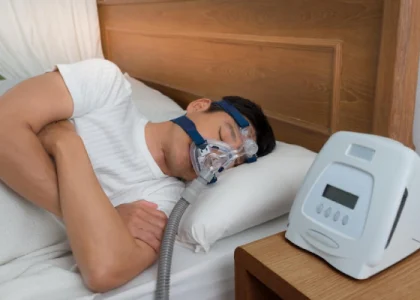

Sleep tests are vital for diagnosing sleep apnea and other disorders, with two main types: Home Sleep Apnea Tests (HSAT) and in-lab studies (polysomnography). The HSAT is a convenient, home-based option that monitors breathing patterns, oxygen levels, and heart rate using portable devices. It’s typically faster and cheaper but may miss intricate details about brain activity. On the other hand, polysomnography offers comprehensive data collected in a lab setting, making it the gold standard for diagnosis. This method captures everything from brain waves to limb movements but comes with a higher cost and some discomfort. Choosing the right test depends on individual health needs.
1. Overview of Sleep Tests
Sleep tests are vital tools for diagnosing sleep disorders, especially sleep apnea. They come in two main types: Home Sleep Apnea Tests (HSAT) and in-lab sleep studies, also known as polysomnography. HSAT is designed for convenience, allowing patients to conduct their tests in the comfort of their own homes. This can be a huge advantage for those who might struggle to sleep in a clinical setting. On the other hand, in-lab studies provide a thorough assessment of sleep patterns and various disorders. They monitor a wide range of metrics, including brain activity, oxygen levels, and heart rate. Health professionals typically recommend sleep tests based on a patient’s symptoms and medical history, as both HSAT and in-lab tests can help identify not only sleep apnea but also conditions like insomnia, restless legs syndrome, and narcolepsy. Understanding which type of test is suitable for you is crucial, as it can greatly influence your diagnosis and treatment options. The choice between home and lab tests often hinges on factors like insurance coverage and personal preferences. Therefore, it’s essential to discuss potential sleep tests with your healthcare provider for proper guidance. Ultimately, both HSAT and in-lab tests play a significant role in managing sleep health.
2. What is a Home Sleep Apnea Test?
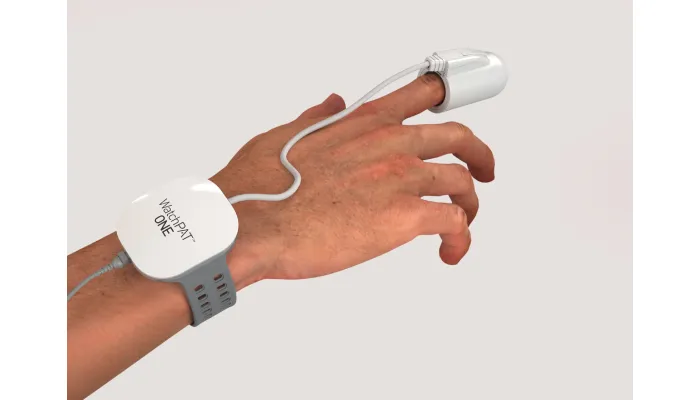
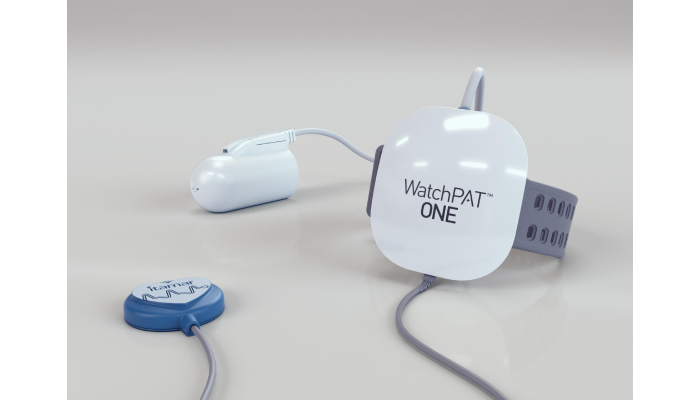
A Home Sleep Apnea Test (HSAT) is a straightforward, user-friendly way to check for obstructive sleep apnea (OSA) in the comfort of your own home. Designed for minimal setup, patients can easily wear the device without needing medical supervision, making it a convenient option for many. Conducted over just one night, HSAT captures essential data such as breathing patterns, oxygen saturation levels, and heart rate while you sleep in your own bed.
Typically, the setup takes about 2 to 3 hours, and you won’t need a sleep technician present. After completing the test, results usually come back within a few days, allowing for quicker diagnosis compared to traditional lab tests. To ensure accurate results, patients are given specific instructions, like maintaining a regular sleeping position and ensuring the device is calibrated correctly. While HSATs can provide immediate insights into potential OSA symptoms, they are not suitable for diagnosing central sleep apnea or other complex sleep disorders. Some devices even come equipped with features like video recording to enhance data analysis, adding an extra layer of depth to the results.
3. Understanding In-Lab Sleep Studies
In-lab sleep studies, or polysomnography, are the gold standard when it comes to diagnosing sleep disorders. These studies provide a comprehensive look at your sleep patterns, allowing for detailed analysis of sleep cycles and disturbances. Conducted overnight in a carefully controlled environment, in-lab studies monitor a wide range of metrics, including brain waves, heart rate, and oxygen levels. Technicians are on hand to ensure everything runs smoothly and can address any issues that may arise during the night. This level of monitoring is especially beneficial for those with underlying health issues or complex sleep disorders, as it can identify various types of sleep apnea, including central and complex forms.
The setup for an in-lab test involves multiple sensors attached to the scalp and chest, tracking brain and heart activity while you sleep. This thorough approach means that in-lab studies can offer immediate feedback, allowing for quick treatment adjustments if severe sleep apnea is detected. However, there are some things to keep in mind: patients may be advised to stay awake before the test to ensure they can sleep soundly during monitoring. While the environment can feel intimidating for some, it is designed to replicate natural sleep conditions as closely as possible. One downside is that results may take longer to analyze compared to home tests, sometimes requiring follow-up visits to discuss findings. Nevertheless, if you are struggling with sleep issues, an in-lab study could provide the clarity you need.
4. Key Differences Between Home and Lab Tests
When considering Home Sleep Apnea Tests (HSAT) versus in-lab studies, the differences are quite pronounced. HSAT primarily tracks breathing patterns and oxygen levels, making it a convenient option for diagnosing obstructive sleep apnea. However, it lacks the depth of in-lab studies, which provide a comprehensive view of sleep architecture, including brain wave activity. This brain activity is essential for diagnosing more complex sleep disorders, which HSAT may overlook.
In terms of cost, HSAT is significantly more affordable, typically ranging from $100 to $500, while lab tests can soar up to $3,500. The comfort of sleeping in one’s own bed during HSAT is appealing, yet this relaxed setting means less medical oversight. In contrast, in-lab tests offer immediate medical attention if serious issues arise during the study, adding a layer of safety for patients.
Accuracy is another key factor; in-lab studies are considered the gold standard for diagnosing sleep disorders, while HSAT may lead to misdiagnosis due to its limited data collection. Patients with comorbidities or complex symptoms should think carefully and often lean towards in-lab evaluations to ensure a thorough assessment. Ultimately, both testing methods have their place, and understanding their differences empowers patients to make informed choices about their sleep health.
5. When to Choose Home Sleep Testing?
Home Sleep Apnea Testing (HSAT) is a fantastic option for many individuals who suspect they may have moderate to severe obstructive sleep apnea (OSA) but do not have other significant health issues. If you’ve been diagnosed with OSA in the past and need a follow-up, HSAT offers a convenient way to track your progress. For those who prefer a more straightforward setup and the comfort of their own bed, HSAT is an appealing choice.
It’s also perfect for individuals who don’t show signs of other sleep disorders, as this keeps the focus on OSA. If you travel often or have a busy lifestyle, the flexibility of HSAT can fit seamlessly into your routine. However, it’s crucial to have a reliable support system, as someone may need to assist you with the device setup and monitor the test.
On the flip side, HSAT isn’t the best fit for people with significant comorbidities or complex health problems, as these situations require more comprehensive monitoring. Always discuss your symptoms and medical history with a healthcare provider before making a decision. If you’ve had a lab test with inconclusive results, HSAT can serve as an excellent supplementary option, providing a quick and relatively easy way to gather vital data about your sleep patterns.
- HSAT is ideal for individuals suspected of having moderate to severe obstructive sleep apnea without additional health concerns.
- Patients who have previously been diagnosed with OSA and require follow-up may opt for HSAT.
- Those who prefer the convenience of home testing and feel comfortable with a simpler setup should consider HSAT.
- HSAT is appropriate for patients who do not exhibit symptoms of other sleep disorders.
- Individuals who travel frequently or have busy schedules may find HSAT more accommodating.
- Patients should ensure they have a reliable support system for setup and monitoring during the test.
- HSAT is less suitable for individuals with significant comorbidities or complex health issues.
- Before choosing HSAT, patients should discuss their symptoms and history with a healthcare provider.
- Those who have had inconclusive lab tests can benefit from HSAT as a supplementary option.
- HSAT offers a quick and relatively easy way to gather important data about sleep patterns.
6. When to Opt for In-Lab Testing?
In-lab testing is the go-to choice for those experiencing symptoms of central sleep apnea or other complex sleep disorders. If you have significant health issues like heart disease or severe respiratory conditions, an in-lab study becomes even more essential. Should your Home Sleep Apnea Test (HSAT) results be inconclusive or indicate further investigation is needed, it’s time to consider an in-lab test. This is especially true for individuals with past sleep studies that hinted at unusual sleep patterns, as a more detailed assessment could make all the difference.
For patients who may need immediate intervention, such as starting CPAP therapy if severe sleep apnea is diagnosed, an in-lab test is ideal. If sleeping in an unfamiliar environment is a challenge for you, the lab setting offers additional support that can enhance your comfort and accuracy of results. A family history of sleep disorders can also warrant prioritizing in-lab testing, as it may indicate a higher risk. Furthermore, in-lab studies excel at monitoring other conditions, such as parasomnias or periodic limb movement disorder, giving a comprehensive picture of your sleep health. Ultimately, if you’re seeking a thorough evaluation of your sleep, the collaborative atmosphere of an in-lab study allows healthcare professionals to tailor the examination to your individual needs.
7. Summary of Home vs Lab Sleep Tests
Both Home Sleep Apnea Tests (HSAT) and in-lab studies are vital tools for diagnosing sleep disorders like obstructive sleep apnea. Each method has its strengths and weaknesses, and the choice largely depends on individual health needs and symptoms. HSAT is a convenient option for those who exhibit straightforward signs of sleep apnea, allowing them to test in the comfort of their own home. However, for individuals with more complex health issues or symptoms, in-lab studies provide a thorough assessment, capturing extensive data about brain activity and sleep stages. It’s essential for patients to weigh the pros and cons of each test type, considering factors like cost, convenience, and the accuracy of results required. Collaboration with healthcare providers is crucial in making an informed choice, as they can guide patients based on their specific circumstances. In some cases, a combination of both tests might be the best approach for a comprehensive evaluation. Ultimately, the objective of either test is to pave the way for effective treatment, enhancing overall sleep health and quality of life.
Frequently Asked Questions
What is a home sleep apnea test and how does it work?
A home sleep apnea test is a simple device you use at home to monitor your sleep patterns. It usually measures things like your breathing, heart rate, and oxygen levels while you sleep.
What happens during a lab sleep study?
During a lab sleep study, you spend the night in a sleep clinic. You’ll be hooked up to various monitors that track your brain waves, breathing, and heart activity, giving doctors a detailed view of your sleep.
How accurate are home tests compared to lab tests?
Home tests can be pretty accurate for diagnosing sleep apnea, but lab tests are generally more comprehensive. Lab studies can detect other sleep disorders and provide more detailed data.
Is it easy to prepare for a home sleep apnea test?
Yes, preparing for a home sleep test is usually easy. You’ll get instructions on how to set up the device and what to do the night of the test, making it a pretty straightforward process.
Can I trust the results of a home sleep apnea test?
Yes, you can trust the results of a home sleep apnea test, especially when done correctly. However, if you suspect serious sleep issues, a follow-up with a doctor or a lab test can provide additional assurance.
Resource URL: