

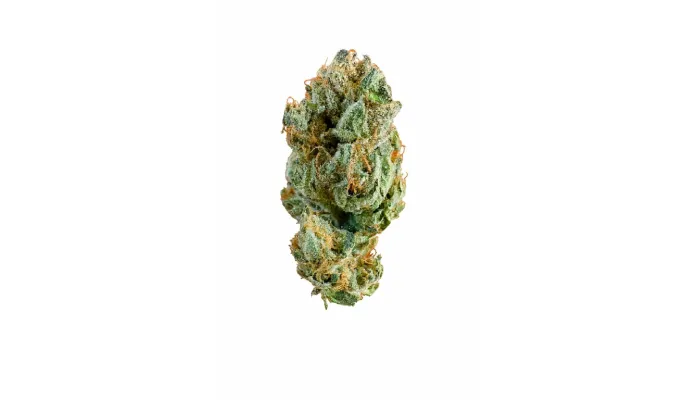
Adding THCA flower to your wellness routine can be an exciting journey toward holistic health. First, understanding what THCA is crucial; it stands for tetrahydrocannabinolic acid, a non-psychoactive compound found in raw cannabis that offers therapeutic benefits like pain relief and reduced inflammation. You can easily incorporate THCA by blending the flower into smoothies or salads for a nutritious boost without experiencing any high. Other methods include using it in teas or topical applications for localized relief. Start with small doses to see how your body reacts, and remember to consult a healthcare professional for personalized guidance on your wellness path.
1. What is THCA?
THCA flower for natural wellness, or tetrahydrocannabinolic acid, is a fascinating compound found in raw cannabis plants. Unlike its more famous counterpart THC, THCA is non-psychoactive, meaning it won’t get you high unless it’s heated. This unique characteristic makes THCA an exciting option for those interested in the potential therapeutic benefits of cannabis without the intoxicating effects. THCA is abundant in fresh cannabis flowers, yet it often doesn’t get the attention it deserves in discussions about cannabinoids. Research into THCA is ongoing, revealing promising potential benefits such as anti-inflammatory and neuroprotective properties. It interacts with the body’s endocannabinoid system differently than THC, which might explain why it can offer relief from pain and stress without the high. Some cannabis strains, particularly those bred for medicinal purposes, have higher concentrations of THCA. Common ways to incorporate THCA into your routine include consuming raw cannabis flowers in smoothies or juices, making tinctures, or using it in topical applications. As cannabis legalization spreads, interest in THCA is growing, and understanding this compound can enhance your knowledge of how cannabis works and its potential health benefits.

2. Benefits of THCA Flower
THCA flower brings a wealth of benefits to those looking to enhance their wellness routine. One of its standout features is its anti-inflammatory properties, which can be particularly helpful for individuals dealing with conditions like arthritis. Since THCA is non-psychoactive, it offers a great alternative for those who may be sensitive to THC or prefer to avoid its mind-altering effects. This makes it an excellent choice for anyone seeking relief without feeling high.
Research suggests that THCA could also have neuroprotective effects, providing potential support for those with neurodegenerative diseases. Many users have reported that THCA helps reduce stress and anxiety, allowing for a calm state of mind without the foggy feeling often associated with THC. Additionally, there are numerous accounts of improved sleep quality among those who incorporate THCA into their routine, making it a popular option for individuals grappling with insomnia or sleep disturbances.
Furthermore, THCA may stimulate appetite, which can be especially beneficial for those undergoing treatments like chemotherapy. Beyond these specific benefits, THCA supports overall wellness by delivering essential nutrients and antioxidants found in raw cannabis. Users also appreciate its potential to enhance mood and improve focus, making it a versatile addition to various dietary habits. As interest in THCA grows, a strong body of anecdotal evidence continues to highlight its promise as a natural supplement for holistic health.
3. How to Consume THCA Flower?
Consuming THCA flower can be both simple and enjoyable, allowing you to integrate its benefits into your daily routine in various ways. One of the most effective methods is raw consumption, which helps retain THCA’s properties without converting it into THC. You can easily blend THCA flower into delicious smoothies or refreshing juices, creating a nutrient-rich drink that supports wellness. Another easy approach is adding THCA flower to salads or cold dishes, giving your meals a cannabinoid boost while keeping it raw.
If you’re looking to explore culinary uses, consider cooking or baking with THCA. However, keep in mind that this requires decarboxylation, which activates THC through heat. You can infuse oils or butters with THCA, providing a versatile base for your favorite dishes. For a soothing beverage, try steeping THCA flower in warm water to create herbal teas or infused drinks that can be enjoyed any time of day.
For those who prefer immediate effects, smoking or vaping THCA flower is an option, as the heating process converts it to THC, offering quick relief. Alternatively, topical applications such as THCA-infused creams can provide localized relief without psychoactive effects, making them great for targeted areas of discomfort.
Experimenting with these various methods can help you find what works best for you. Always start with small amounts to see how your body responds before increasing your intake.
- Raw consumption is one of the best methods to retain THCA’s benefits without converting it to THC.
- Smoothies or juices made with THCA flower can offer a refreshing and nutrient-rich drink.
- Adding THCA to salads or cold dishes is a simple way to enhance meals with cannabinoids.
- Cooking with THCA requires decarboxylation, a process where heat converts THCA to THC for psychoactive effects.
- Infusing oils or butters with THCA can create base ingredients for various cooked dishes.
- Herbal teas or infused drinks can be made by steeping THCA flower in warm water, offering a soothing experience.
- Smoking or vaping THCA flower allows for immediate effects, as it converts to THC upon heating.
- For those preferring non-psychoactive options, topical applications with THCA-infused creams can provide localized relief.
- Experimenting with different methods can help you find your preferred way to incorporate THCA into your routine.
- Always start with small amounts to gauge how your body reacts before increasing consumption.
4. Cooking and Baking with THCA
Cooking and baking with THCA flower can be a fun and rewarding experience. To unlock its potential, you’ll first need to decarboxylate the flower by gently heating it in an oven. This process activates THCA, preparing it for culinary adventures. Once decarboxylated, you can infuse oils or butters with THCA, making it easy to incorporate into various recipes. Imagine adding THCA to your favorite brownies or cookies, creating a unique treat that provides all the benefits without any psychoactive effects.
For savory dishes, consider adding THCA to stir-fries or sautés just before serving to preserve its properties. It can also elevate soups and stews, especially comforting during colder months. Experimenting with different cuisines can truly showcase THCA’s versatility. You might find that a sprinkle of THCA in salad dressings or marinades not only enhances flavor but also adds health benefits.
Don’t forget about beverages! Infused coffees or herbal teas can be a delightful way to enjoy THCA’s potential. Just keep an eye on the cooking temperature, as high heat can convert THCA to THC, which you may want to avoid. The more creative you get, the more innovative recipes will emerge, allowing you to explore the exciting world of THCA in the kitchen.
5. Smoking and Vaping THCA Flower
Smoking THCA flower is a popular method for those seeking quick access to its effects, as it converts to THC right in your lungs. This means you can feel relief almost instantly, which is particularly beneficial for managing sudden discomfort. On the other hand, vaping offers a healthier alternative to smoking since it heats the flower without combustion. Using a vaporizer allows you to enjoy the rich flavor and aroma of THCA while avoiding the harshness of smoke. There are various devices available, from bongs and pipes to vape pens, making it easy to inhale THCA effectively. By adjusting the temperature settings on vaporizers, you can control how much THCA converts to THC, tailoring the experience to your preferences. Plus, experimenting with different strains can lead to discovering unique flavors and effects, enhancing your enjoyment. If you prefer more traditional methods, rolling THCA flower into joints can create a social experience while sharing with friends. However, be mindful of your dosage, as the effects can come on quickly and intensely. To maximize your experience and benefits, always choose high-quality THCA flower.
6. Using THCA in Topical Applications
Topical applications with THCA-infused creams or oils offer a fantastic way to achieve targeted relief without any psychoactive effects. When applied to the skin, THCA can be absorbed, potentially alleviating pain and inflammation in specific areas, making it a great choice for muscle soreness, joint pain, and even certain skin conditions. You can even create your own homemade lotions or balms with THCA, allowing for a personalized approach to your wellness routine. Infusing coconut oil or shea butter with THCA provides an excellent base for various skincare products. Many users have found that these topicals deliver a soothing experience, especially after workouts or physical activities. Additionally, applying THCA products before bed may help promote relaxation without inducing a high, making it perfect for winding down at the end of the day. Remember to always perform a patch test when trying new topical products to check for any skin sensitivities. Pairing natural ingredients with THCA can enhance the overall effectiveness of your topical applications, and consulting with a skincare professional can help tailor THCA use for specific skin concerns.
7. Dosage Recommendations for THCA
Starting with a low dose is crucial, especially for those new to THCA. A common recommendation is to begin with 5-10 mg, which allows newcomers to gauge their body’s response without overwhelming effects. After each dose, pay attention to how you feel, as this will help you adjust your intake for optimal results. Individual factors like body weight, tolerance, and specific health goals can influence the ideal dosage, so it’s wise to consult with a healthcare provider for personalized guidance. As you grow more comfortable, you can gradually increase your dosage, which aids in understanding your limits and the effects that work best for you. Keeping a journal to track your intake and feelings can reveal patterns and effective doses over time. For regular users, higher doses might be more beneficial, but it’s essential to proceed with caution. Always listen to your body: if you experience any adverse effects, it may be a sign to lower your dosage. Engaging with experienced users or seeking advice from dispensary staff can also provide valuable insights into finding the right dosing strategy for your needs.
8. Tips for Best Practices with THCA
Experimenting with different strains of THCA flower can be an exciting journey. You might discover unique effects and flavors that resonate with you, so don’t hesitate to try a variety of options. Proper storage is essential too, as keeping your THCA flower in airtight containers away from light and heat helps maintain its potency. Establishing a consistent routine with THCA will allow you to track its effects and benefits over time, giving you a clearer picture of what works best for you.
Consider combining THCA with other cannabinoids or terpenes, as this may enhance its effects through the entourage effect. Maintaining a balanced diet and healthy lifestyle can also support the overall benefits of THCA, making it a more effective addition to your wellness routine. Always consult professionals before starting THCA, especially if you are on medications, to ensure safe use.
Using high-quality sources for your THCA flower is crucial, as it helps you avoid contaminants and ensures effectiveness. Engaging with communities or forums can provide additional tips and insights from those who have experience with THCA, enriching your understanding. Lastly, stay informed about new research and developments in THCA to maximize its benefits, and remember to be patient. Finding the right method and dosage may take time and experimentation, but the rewards can be well worth the effort!
9. Safety and Precautions When Using THCA
When incorporating THCA into your wellness routine, it’s crucial to prioritize safety and be aware of potential side effects. New users may experience dry mouth, dry eyes, or mild anxiety as they adjust to this compound. Everyone’s body reacts differently, so it’s important to stay in tune with how you feel and adjust your usage accordingly. Familiarize yourself with local laws surrounding THCA and THC to avoid any legal complications. Consulting with a healthcare provider is highly recommended, especially if you have pre-existing conditions or are taking medications. It’s wise to avoid driving or operating heavy machinery after using THCA, particularly if you’re experimenting with dosages. Always choose THCA flower from reputable dispensaries that provide third-party testing to ensure quality. Monitoring for any adverse reactions can help you make informed choices about your consumption. Educating yourself on the differences between THCA and THC can prevent misunderstandings about their effects. Discussing your THCA experiences with friends or family can create a supportive environment as you explore this wellness addition. Always prioritize your safety and well-being as you integrate THCA into your routine.
Frequently Asked Questions
What is THCA flower and how is it different from THC?
THCA flower comes from the cannabis plant and contains tetrahydrocannabinolic acid, which is non-psychoactive. Unlike THC, which can produce a ‘high’ when heated or consumed, THCA retains its medicinal properties without altering your state of mind.
How can I incorporate THCA flower into my daily wellness routine?
You can add THCA flower to your wellness routine by using it in various forms like teas, smoothies, or even as a topical application. It’s easy to make it a part of your day by blending it into your favorite recipes or using it in a vaporizer.
Are there any benefits to using THCA flower for health purposes?
Yes, many people report that THCA flower may help with inflammation, pain relief, and reducing nausea, among other potential health benefits. However, it’s important to consult with a healthcare professional to see if it’s right for you.
Is it legal to use THCA flower wherever I live?
The legality of THCA flower varies by state and country, so it’s crucial to check your local laws before purchasing or using it. Some places may have restrictions or regulations on cannabis products.
Can I use THCA flower if I’m new to cannabis?
Absolutely! THCA flower is typically a gentle option because it won’t get you high. It can be a great starting point for newcomers looking to explore the wellness benefits of cannabis without the psychoactive effects.