
Selecting the right dredge manufacturer can be the difference between a successful project and costly delays. Dredging is a specialized operation that requires precision-engineered equipment, reliable technical support, and a manufacturer who understands the scope of your work. Whether you are working on a harbor deepening project, river maintenance, sand mining, or land reclamation, the choice of manufacturer will directly affect efficiency, operational costs, and long-term performance.
Below is a detailed guide on how to choose the ideal dredge manufacturer for your specific needs.
1. Define Your Project Requirements
Before contacting any dredge manufacturer, it is essential to outline the core requirements of your project. These factors will help narrow down which manufacturers can deliver equipment that meets your goals.
Key considerations include:
- Type of dredging – Cutter suction dredging, trailing suction hopper dredging, auger dredging, or environmental dredging.
- Material type – Sand, silt, clay, gravel, or contaminated sediment.
- Project scale – Small-scale pond clearing vs. large-scale port construction.
- Location conditions – Freshwater, saltwater, shallow waters, deep channels, or offshore sites.
- Production rate – The volume of material to be dredged per hour/day.
When you can provide this information, a dredge manufacturer will be able to recommend or design a machine tailored to your operations.
2. Evaluate Experience And Reputation
A dredge manufacturer with proven experience brings more than just machinery — they offer insight into industry best practices, potential challenges, and optimal solutions. Look for:
- Years in operation – Long-standing manufacturers often have a track record of success in multiple environments.
- Portfolio of completed projects – Examples that match your dredging type.
- Industry recognition – Certifications, awards, or memberships in professional dredging associations.
- Client references and testimonials – Direct feedback from customers on reliability and performance.
Reputation is built on consistent delivery of quality and service. A manufacturer with strong references is more likely to meet or exceed expectations.
3. Assess Engineering And Customization Capabilities
Not all projects can rely on off-the-shelf equipment. A top-tier dredge manufacturer should have in-house engineering expertise to customize dredgers for unique conditions.
Questions to ask:
- Can they modify dredge size, power, or depth capabilities?
- Do they offer modular components for flexibility?
- Can they integrate modern automation and monitoring systems?
- How do they approach hull design for stability and fuel efficiency?
A manufacturer who can adapt designs to your exact project parameters can help you achieve higher efficiency and lower operating costs.
4. Consider The Range Of Dredging Equipment Offered
A reliable dredge manufacturer should offer a variety of equipment types to match different applications. Common types include:
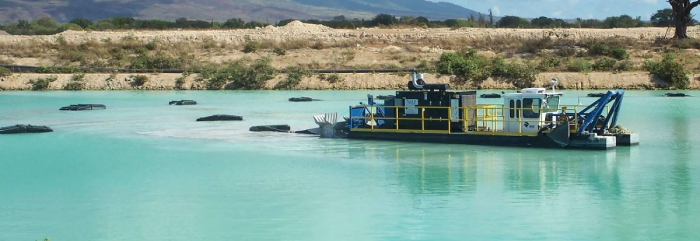
- Cutter Suction Dredgers (CSD) – Suitable for compacted material and high production rates.
- Trailing Suction Hopper Dredgers (TSHD) – Ideal for large-scale offshore dredging and transport.
- Bucket Ladder Dredgers – Effective for hard material removal.
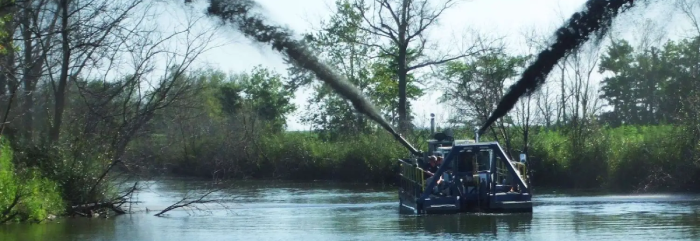
- Amphibious Dredgers – Flexible for shallow or marshy areas.
- Environmental Dredgers – Designed to minimize sediment disturbance.
The more diverse the equipment range, the more likely the manufacturer can provide a machine that is a perfect fit for your project.
5. Verify Compliance And Safety Standards
Marine construction and dredging are regulated by stringent environmental and safety guidelines. The dredge manufacturer should:
- Meet ISO and CE certifications for quality and safety.
- Design equipment compliant with IMO and local maritime authority rules.
- Provide operator safety features, such as enclosed cabins and emergency shutdown systems.
- Offer environmental features like low-emission engines and precision dredging controls.
Compliance ensures not only safety but also smooth approval processes with local authorities.
6. Examine After-Sales Support And Training
A dredger is a long-term investment, and ongoing support from the manufacturer is crucial for productivity. A strong after-sales program should include:
- Operator training – On-site or factory-based sessions.
- Maintenance and service contracts – Scheduled inspections and part replacements.
- 24/7 technical assistance – Phone or online troubleshooting.
- Availability of spare parts – Quick dispatch to reduce downtime.
A dredge manufacturer who invests in after-sales service ensures your equipment operates at peak efficiency throughout its lifespan.
7. Review Manufacturing Facilities And Quality Control
If possible, visit the manufacturer’s facility. This can reveal much about their production standards and attention to detail.
- Look for modern fabrication tools and assembly processes.
- Ask about material sourcing — high-grade steel, corrosion-resistant coatings, and marine-grade components are crucial.
- Inquire about testing procedures — such as sea trials or simulation testing before delivery.
- Ensure quality control is maintained at every stage of production.
A manufacturer committed to rigorous quality checks is more likely to deliver durable, reliable equipment.
8. Compare Pricing And Long-Term Value
While cost is an important factor, the lowest price is rarely the best choice. Instead, focus on total cost of ownership (TCO), which includes:
- Purchase price
- Fuel consumption rates
- Maintenance expenses
- Crew requirements
- Lifespan of major components
Sometimes a slightly higher initial investment in a dredge from a reputable manufacturer results in significant savings over the equipment’s operational life.
9. Look For Technological Innovation
The best dredge manufacturers continuously improve their designs with the latest technology. This can include:
- GPS and sonar systems for precise dredging control.
- Automated dredging cycles for consistent performance.
- Real-time monitoring of fuel usage, pump performance, and sediment concentration.
- Eco-friendly designs that reduce turbidity and environmental impact.
Advanced features not only improve efficiency but also ensure compliance with modern environmental expectations.
10. Check Delivery Times And Project Scheduling
Dredging projects often run on tight schedules. Delays in equipment delivery can cause financial penalties or disrupt construction timelines. When selecting a dredge manufacturer, confirm:
- Estimated lead time for production.
- Shipping logistics and customs handling.
- Installation and commissioning timeframes.
A manufacturer with efficient project management ensures your dredger arrives ready to operate without unnecessary delays.
11. Seek A Long-Term Partnership
The ideal dredge manufacturer should not be just a one-time supplier but a long-term partner in your dredging operations. Look for a company that:
- Maintains consistent communication.
- Offers equipment upgrades and retrofit services.
- Provides data-driven recommendations for operational improvement.
- Is willing to adapt to your future project needs.
A partnership approach creates continuity and trust, leading to smoother operations and better outcomes.
Conclusion
Choosing the right dredge manufacturer is a critical decision that affects project efficiency, operational safety, and overall success. By focusing on experience, engineering capabilities, equipment range, compliance, after-sales support, and long-term value, you can identify a manufacturer who not only meets your current needs but also supports your future dredging operations.
Resource URL: