
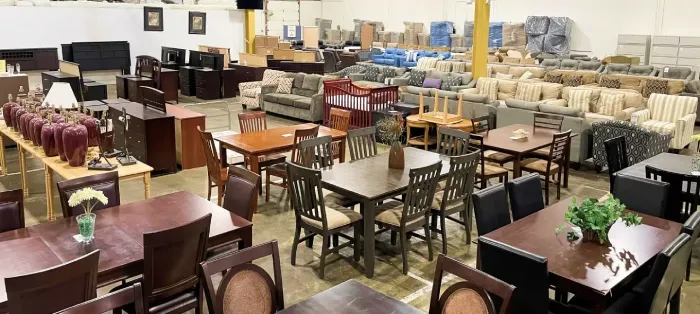
When visiting used furniture stores in Washington DC, it’s essential to spot quality pieces that will last. Start by examining the material; solid wood is preferable over particle board, known for its fragility. Check upholstered items for natural fabrics free of stains or odors. Take a closer look at construction techniques too; good joints like dovetail and mortise-and-tenon signify durability. Pay attention to the furniture’s condition, minor scratches might add charm, while significant damage raises red flags. Trust reputable stores with positive reviews, and be prepared to visit often as inventory changes fast. Keep an open mind about styles and visualize how each piece fits in your space before making a purchase.
1. Material Quality: Solid Wood vs. Particle Board
When shopping for used furniture store in Washington DC, focus on material quality. Solid wood is your best bet, as it is durable and can handle years of wear. In contrast, particle board tends to crumble and warp over time, making it a poor choice. Take a close look at the grain of the wood; a tight and consistent grain suggests higher quality. Watch out for warping or swelling, as these are red flags indicating inferior materials. If the piece has a finish, it should be even without peeling or chipping. Ask the seller about the type of wood used; hardwoods like oak and maple are ideal, while softwoods may not last as long. Smooth edges on wood surfaces indicate better craftsmanship, while rough edges might suggest a lack of attention to detail. For metal furniture, check for strong construction and be cautious of any rust or corrosion. When it comes to upholstery, natural fabrics such as cotton or linen usually hold up better than synthetics. If you’re considering leather, look for thickness and suppleness, as quality leather feels luxurious and lasts longer. Lastly, be cautious of heavily refinished pieces, as they might hide underlying problems.

2. Construction Techniques: Joinery and Comfort Testing
To assess the quality of furniture, start by examining the joinery. Dovetail joints are a hallmark of craftsmanship, while butt joints may indicate a lesser quality. If you notice wobbling, it could point to poor construction, so check for stability. Open drawers: they should glide smoothly without sticking. Well-constructed drawers often feature glides or slides for effortless operation. Look for reinforced corners, as these add strength and durability. Heavier pieces generally suggest better construction, so don’t shy away from heft. If possible, peek inside cabinets and drawers to assess the materials used in hidden areas; quality materials often extend beyond what is visible. For any furniture requiring assembly, ensure parts fit snugly without excessive force. Lastly, comfort testing is crucial: sit on chairs and sofas to see if they support you well without sagging. When it comes to tables, check that the surface is even; a wobbly table can be frustrating and unsafe.
3. Condition and Aesthetics: Signs of Wear and Unique Features
When inspecting used furniture, pay attention to signs of wear. Minor scratches might add character, but significant damage could compromise the piece’s integrity. Look for previous repairs; a well-done repair can enhance a piece’s charm, but it might also hint at hidden issues. Assess the finish as well; glossy finishes can conceal imperfections while matte finishes might reveal the true condition of the wood. Check for loose parts or joints, indicating that the piece may need repairs in the near future.
Observe the overall aesthetic, as unique designs can elevate your home decor. However, ensure that the style resonates with your personal taste. Be vigilant for any pests, such as small holes or droppings, which could indicate a bigger problem. Examine upholstery for wear patterns, as these can tell you how much the piece has been used. Consider whether the furniture can be refinished or reupholstered easily, extending its life.
Evaluate colors and designs in natural light to gauge how well they fit your intended space. Additionally, check for sharp edges or broken parts that could pose hazards, especially around children. Quality hardware like hinges and handles can also indicate the overall quality of the piece. Every detail counts when determining if a used item is worth bringing home.
- Look for signs of previous repairs; a well-repaired piece can add character but may also suggest hidden issues.
- Assess the finish; a glossy finish can hide imperfections, while a matte finish may reveal more about the wood’s condition.
- Check for loose parts or joints, which can signify that the piece may need repairs soon.
- Observe the overall aesthetic; unique designs can enhance your home decor, but they should also match your style.
- Look for any signs of pests, like small holes or droppings, which could indicate a bigger problem.
- Examine the upholstery for wear patterns, which can reveal how much use the piece has seen.
- Consider whether the piece can be easily refinished or reupholstered if needed, as this can extend its life.
- Evaluate the color and design in natural light to ensure it fits the intended space.
- Check for any sharp edges or broken parts that could be hazardous, especially for furniture used around children.
- Look for quality hardware like hinges and handles, as these can indicate the overall quality of the piece.
4. Reputable Sources: Choosing the Right Store
Finding the right used furniture store is crucial for discovering quality pieces. Start by researching stores online, reading reviews, and gathering feedback from previous customers. This can provide insights into the store’s reputation and customer service. Don’t hesitate to ask friends or family for recommendations on trusted stores in the Washington DC area; personal experiences can often lead you to hidden gems.
Estate sales and auctions are also excellent places to find unique items at reasonable prices. Many times, these venues offer one-of-a-kind pieces that you won’t find in regular stores. Local thrift stores that specialize in furniture can be a treasure trove, as their inventory changes frequently, giving you a fresh selection with each visit.
While online marketplaces can yield great finds, approach them with caution to avoid scams. Always arrange to meet in safe, public places for transactions. If you are interested in vintage or antique furniture, seek out stores that specialize in these types, as they often carry higher quality items.
Flea markets can offer a fun shopping experience filled with unique items, so be prepared to negotiate prices. Additionally, consider the return policies of stores; having a flexible return policy can provide peace of mind if the item doesn’t work out. Look into whether the store offers repairs or restorations as well, which can extend the life of your purchase.
Joining local community groups can further enrich your furniture shopping journey, as members often share recommendations and experiences that can help you make informed decisions about where to shop.
5. Emotional Connection: Finding Your Style
When browsing through a used furniture store, take your time to really connect with the pieces around you. It’s important to reflect on whether a piece truly resonates with you and your style. Ask yourself how it fits into your lifestyle: will it meet your daily needs? Picture the furniture in your home and visualize how it complements your existing decor. Each piece has a story, and unique finds often come with interesting histories that can make them even more special.
Don’t rush your decision; emotional connections often take time to develop. As you explore, assess whether the furniture feels inviting and comfortable, as this can significantly enhance your living experience. Consider how often you’ll use the piece because higher frequency warrants a stronger emotional connection.
Explore different styles to find what makes you truly feel at home, whether that’s modern, rustic, or vintage. Keeping a notebook of pieces you love can help clarify what you want for your space. And be open to falling in love with unexpected styles or designs that catch your eye, as those can often lead to the most delightful discoveries.
6. Shopping Strategies: Frequent Visits and Flexibility
Frequent visits to used furniture stores can greatly enhance your chances of finding quality pieces. Since inventory changes regularly, stopping by often can help you catch new arrivals before someone else does. Consider visiting during weekdays, as stores tend to be less crowded, allowing staff more time to assist you.
Before heading out, make sure to develop a clear budget to guide your spending. This will narrow down your options and keep you from overspending on items that may not be worth it. It’s also wise to take measurements of your space, ensuring that any potential purchase will fit comfortably without overcrowding your home.
Creating a list of must-have features can streamline your search. This way, you remain focused on what truly matters to you. Don’t forget to bring a friend or family member along; a fresh set of eyes can help spot flaws you might overlook.
Flexibility is key when shopping for used furniture. Be open to different styles and colors, as this can lead to delightful finds that you may not have initially considered. Take photos of pieces you like, especially if you plan to visit multiple stores, as this will help you compare later. Lastly, don’t shy away from negotiating prices; many stores expect some level of bargaining on used items, and it never hurts to ask for a better deal.
7. Price and Value: Comparison Shopping and Investment Mindset
Understanding the market value of similar items is crucial when shopping for used furniture. This knowledge helps ensure you are getting a fair deal. Look for pieces with a timeless design, as these tend to maintain their value over time. When considering a purchase, don’t hesitate to ask about the original price and any discounts; this history can give you insight into the item’s worth.
It’s also important to factor in the potential costs of repairs or refurbishments. Sometimes, a lower price might mean you’ll need to invest more later to bring the piece up to standard. Pay attention to quality indicators, like brand reputation; well-known brands often provide better long-term value. Be cautious of prices that seem too good to be true, as they may indicate underlying quality issues.
If you find a higher-priced item you love, explore financing options that may be available. Always evaluate whether the price aligns with the quality and craftsmanship of the piece. Think of your furniture purchases as investments; prioritizing quality over quantity can enhance your home and save you money in the long run. Finally, take your time in making a decision. Rushing can lead to regrets, while waiting for the right piece can lead to a satisfying purchase.